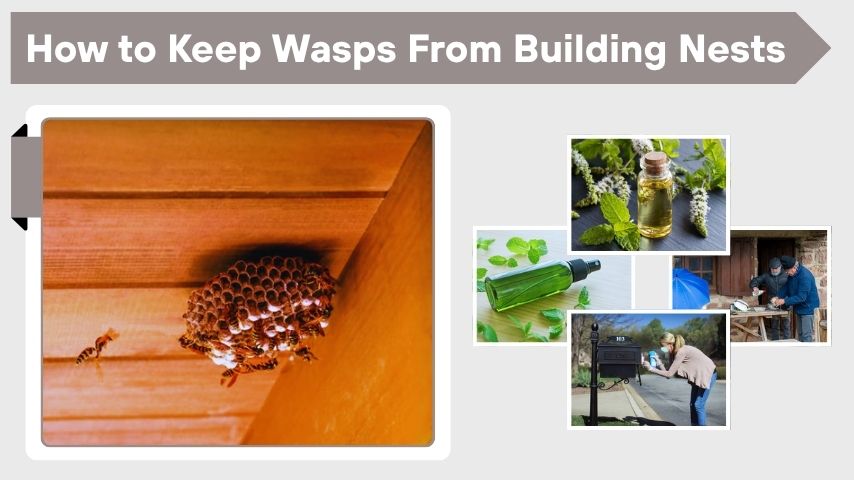
Wasps often build nests around porches, decks, roof eaves, mailboxes, and sheds because these areas provide shelter and protection from weather. Once a colony becomes established, removing it can be difficult and sometimes dangerous. Preventing nests early is the safest and most effective solution for homeowners. Simple maintenance, regular inspections, and natural deterrents can greatly reduce the chances of wasps settling around your property during spring and summer.
This guide explains how to keep wasps from building nests on your house, porch, deck, and other outdoor structures. You will also learn about common nesting areas, natural repellents, and prevention techniques that help stop paper wasps, mud daubers, and red wasps before colonies grow larger.
Why Wasps Build Nests Around Homes
Wasps search for protected spaces that provide warmth, shade, and safety for their colonies. Homes offer many sheltered areas that are perfect for nesting, especially during spring when queens begin building new colonies. Understanding what attracts wasps helps homeowners make their property less appealing before nesting season begins.
What Attracts Wasps to Your Property
Several outdoor conditions encourage wasps to settle near homes and buildings.
- Sweet food and sugary drinks
- Open garbage containers
- Pet food left outside
- Standing water sources
- Flowering plants
- Protected roof overhangs
- Quiet low-traffic areas
Even small amounts of food residue can attract worker wasps searching for energy sources during warm months.
Why Wasps Prefer Covered Areas
Covered spaces help protect nests from rain, direct sunlight, and strong winds. Areas such as porch ceilings, roof eaves, shutters, and decks provide stable environments where colonies can grow safely.
Wasps also prefer locations with limited disturbance. Quiet corners and hidden gaps allow queens to begin constructing starter nests without interruption. Once worker populations increase, the colony becomes more defensive and difficult to remove.
Common Wasp Species That Build Around Homes
Different wasp species choose different nesting styles and locations around homes.
- Paper wasps build umbrella-shaped hanging nests
- Mud daubers create tube-shaped mud nests
- Red wasps prefer roof edges and porches
- Yellow jackets often nest underground or inside walls
Knowing which species is active around your property can help determine the best prevention strategy.
Best Ways to Keep Wasps From Building Nests
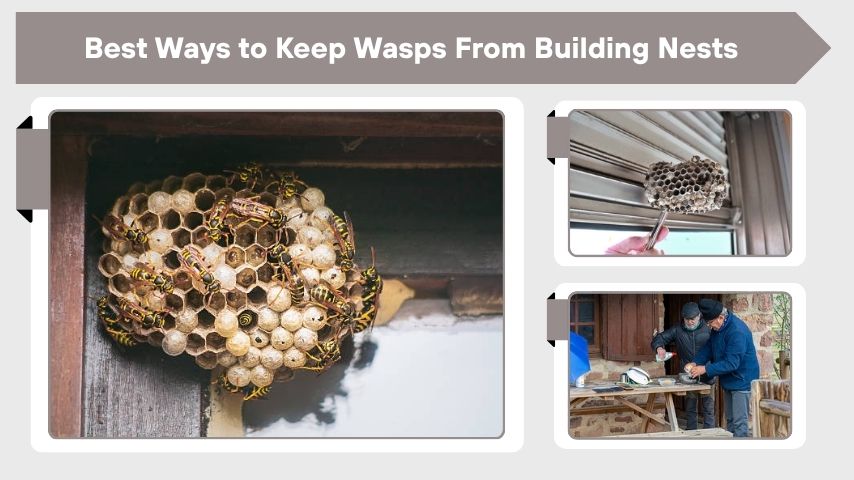
Preventing nests early in the season is much easier than dealing with large active colonies later. Consistent outdoor maintenance and quick action can discourage queens from settling around your home.
Remove Early Starter Nests
Spring is the best time to stop nest development. Queen wasps begin building small starter nests before workers hatch. Removing these tiny nests early can prevent a full colony from forming.
Check your property weekly during spring, especially around roof edges, porch ceilings, sheds, and deck railings. Small nests are easier and safer to remove before populations increase.
Keep Outdoor Areas Clean
Wasps are attracted to food smells and sugary residue. Keeping outdoor spaces clean removes many of the resources they depend on.
- Seal trash can lids tightly
- Clean outdoor tables regularly
- Remove fallen fruit from yards
- Store pet food indoors
- Rinse recycling containers
- Avoid leaving soda cans outside
Clean environments reduce the number of worker wasps searching around your property.
Use Wasp Repellents
Natural and commercial repellents can discourage wasps from returning to nesting areas. Peppermint oil is one of the most popular natural options because strong scents interfere with wasp activity.
Sprays containing peppermint, clove, or lemongrass oils may help reduce nesting attempts around porches and rooflines. Reapplying repellents regularly is important because rain and sunlight weaken their effectiveness over time.
How to Keep Wasps From Building Nests on Your Porch
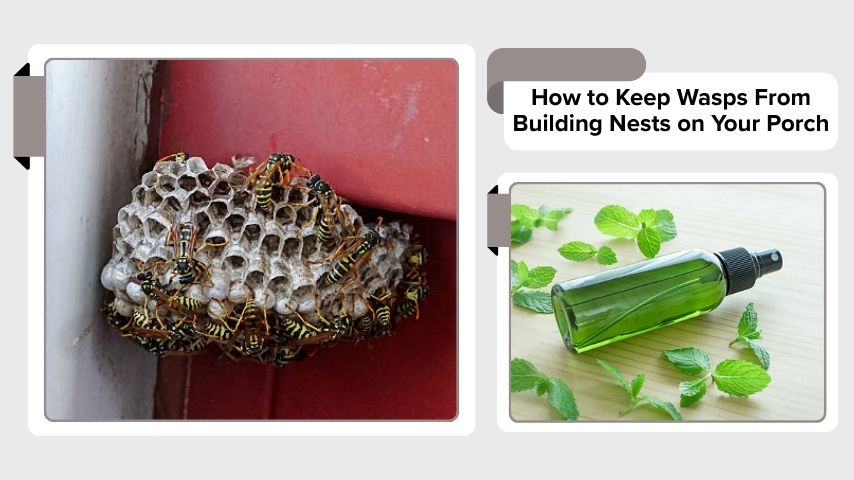
Porches are one of the most common nesting locations because they provide overhead shelter and protection from weather. Paper wasps frequently attach nests beneath porch ceilings, light fixtures, and corners.
Inspect Porch Ceilings and Corners
Regular inspections help catch nests before colonies become established.
Common porch nesting spots include:
- Ceiling corners
- Light fixtures
- Roof edges
- Hanging decorations
- Outdoor fans
- Porch railings
Checking these areas weekly during spring can stop queens from completing early nest construction.
Reduce Attractive Conditions
Porches often attract wasps because outdoor meals, drinks, and moisture create ideal feeding conditions. Limiting these attractions helps reduce nesting activity.
Removing spider webs can also help because many wasp species feed on insects trapped in webs. Keeping the porch dry and well-maintained makes the space less appealing for colony development.
Porch Prevention Products
Several prevention tools may help reduce wasp nesting around porch areas.
| Product | Purpose | Best Use Area |
| Peppermint spray | Natural repellent | Porch ceilings |
| Fake wasp nest | Territorial deterrent | Covered corners |
| Wasp traps | Reduce worker activity | Porch perimeter |
Using multiple prevention methods together usually works better than relying on only one product.
How to Keep Wasps From Building Nests Under Eaves
Roof eaves are ideal nesting areas because they protect colonies from direct rain and sunlight. Paper wasps commonly build exposed nests along these sheltered roof edges.
Seal Small Gaps and Cracks
Small openings around roofing materials and siding can attract nesting queens. Sealing these spaces reduces available shelter and prevents hidden colony development.
Inspect areas around fascia boards, soffits, vents, and roof joints for gaps or loose materials. Repairing damaged sections before spring nesting season can significantly lower infestation risks.
Use Preventive Sprays
Preventive sprays may discourage queens from attaching nests beneath eaves. Some homeowners use natural peppermint-based repellents, while others choose long-lasting commercial wasp deterrents designed for outdoor surfaces.
Applying sprays early in spring is usually most effective because queens are still searching for nesting locations at that time.
How to Keep Wasps From Building Nests Under Decks
Decks provide dark and sheltered spaces that many wasp species find attractive during nesting season. The quiet environment beneath decks allows colonies to grow with little disturbance. Preventing access to these hidden areas is one of the best ways to stop nest development before populations increase.
Reduce Hidden Shelter Areas
Wasps prefer cluttered spaces where they can build nests unnoticed. Cleaning and organizing beneath decks makes the area less inviting for nesting queens.
Helpful prevention steps include:
- Remove stored cardboard boxes
- Trim weeds and tall grass
- Reduce wood and debris piles
- Improve airflow beneath the deck
- Eliminate standing water
- Keep the area well lit
Open and clean spaces are less appealing to nesting wasps.
Install Deck Screening
Mesh barriers and lattice screening can help block access to the underside of decks. Fine screening reduces entry points while still allowing airflow and ventilation.
Properly installed barriers also discourage other pests that may create sheltered nesting environments for wasps later in the season.
Safe Repellent Options for Deck Areas
Natural repellents can help discourage wasps without creating strong chemical odors around outdoor living spaces. Peppermint oil sprays are commonly used because wasps dislike intense mint scents.
Some homeowners also use citrus sprays or diluted vinegar mixtures around deck supports and railings. Reapplication is necessary after heavy rain or strong sunlight exposure.
How to Keep Wasps From Building Nests Behind Shutters
Shutters create narrow protected spaces that are difficult to inspect, making them common nesting locations for paper wasps. Colonies hidden behind shutters often go unnoticed until workers become highly active.
Remove Existing Nest Material
Old nest fragments and debris may encourage queens to reuse the same location the following season.
Inspect behind shutters for:
- Small starter nests
- Mud dauber tubes
- Spider webs
- Dead insects
- Dirt buildup
Cleaning these areas regularly makes them less attractive for future nesting activity.
Seal or Reduce Gaps
Loose shutters create protected openings where queens can begin building nests. Tightening hardware and sealing unnecessary gaps limits access to these sheltered spaces.
Using exterior caulk around attachment points may help reduce narrow entry areas without affecting the appearance of the shutters.
Seasonal Inspection Tips
Spring inspections are especially important because queens begin searching for nesting sites as temperatures warm. Checking shutters every few weeks during early nesting season helps detect starter nests before colonies grow larger.
Removing tiny nests immediately is often enough to force queens to relocate elsewhere.
How to Keep Wasps From Building Nests in Mailboxes
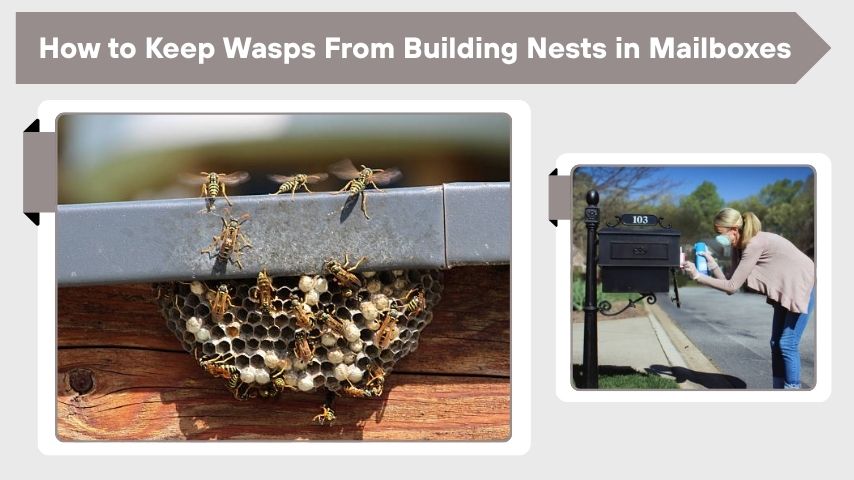
Mailboxes provide enclosed shelter that protects wasps from weather and predators. Paper wasps frequently attach small nests to the inside roof of mailboxes during spring and summer.
Keep the Mailbox Clean
Regular cleaning helps reduce nesting opportunities.
- Remove paper scraps
- Eliminate moisture buildup
- Clear dead insects
- Wipe away food residue
- Remove abandoned starter nests
Keeping the mailbox clean and frequently used discourages nesting queens.
Use Safe Repellents
Many homeowners place peppermint-soaked cotton balls or dryer sheets inside mailboxes to discourage wasp activity. Mild vinegar sprays may also help reduce nesting attempts without damaging the mailbox interior.
Avoid using strong pesticides inside mailboxes because they may contact delivered mail or create unpleasant odors.
Check Mailboxes Frequently
Frequent inspections are one of the easiest prevention methods. Queens often begin with tiny starter nests that are simple to remove before workers hatch.
Checking weekly during spring and early summer greatly reduces the chance of a larger colony developing inside the mailbox.
How to Keep Wasps From Building Nests in Sheds
Sheds provide dark corners and low human activity, making them ideal nesting environments for paper wasps and mud daubers. Large colonies may develop unnoticed if the shed is rarely used.
Improve Shed Ventilation
Warm, humid sheds create comfortable nesting conditions for wasps. Better airflow helps make the environment less attractive.
Opening vents and improving air circulation can reduce moisture buildup while also discouraging insects that attract predatory wasps.
Organize Stored Items
Cluttered sheds provide countless hidden nesting spots. Organizing storage areas helps reduce protected corners where queens can settle.
Common problem areas include:
- Ceiling beams
- Window frames
- Shelving units
- Stacked lumber
- Cardboard storage boxes
Keeping storage elevated and organized improves visibility during inspections.
Inspect Hidden Corners
Wasps often begin nesting in upper corners where activity is limited. Regular inspections help identify small nests before colonies expand.
Using a flashlight to check rafters, beams, and wall joints during spring can prevent larger infestations later in the season.
Natural Ways to Keep Wasps Away From Building Nests
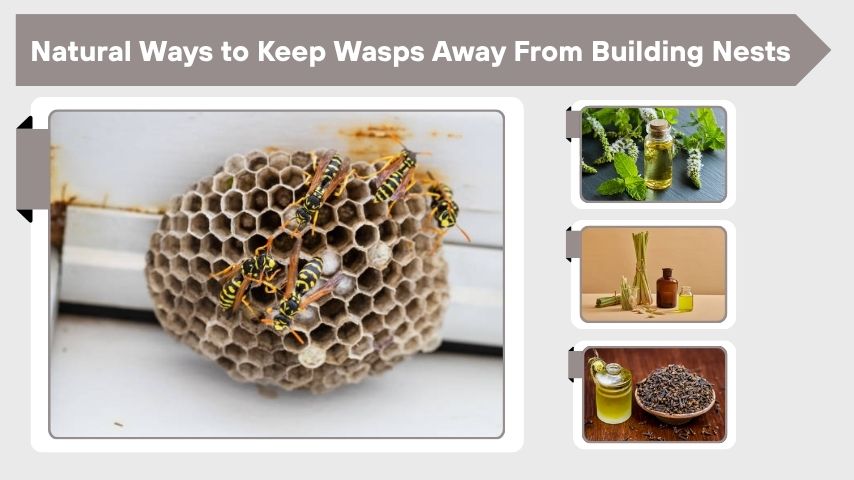
Natural prevention methods are popular because they reduce reliance on chemical insecticides. While natural repellents may not eliminate established colonies, they can help discourage nesting attempts around homes.
Essential Oils That Repel Wasps
Several strong-smelling oils may help deter wasps naturally.
- Peppermint oil
- Clove oil
- Lemongrass oil
- Eucalyptus oil
- Citronella oil
These oils are commonly diluted with water and sprayed around common nesting areas.
Plants That May Discourage Wasps
Some plants are believed to help reduce wasp activity because of their strong scents.
- Mint
- Basil
- Citronella grass
- Wormwood
- Thyme
Planting these near patios and porches may help create a less attractive environment for nesting queens.
FAQs
What smell keeps wasps from building nests?
Peppermint oil is one of the most commonly recommended natural wasp repellents. Clove, lemongrass, and eucalyptus oils may also help discourage nesting activity.
Why do wasps keep returning to my porch?
Porches provide shelter, warmth, and protection from weather. Food residue, moisture, and hidden corners also make porches attractive nesting areas for wasps.
Do fake wasp nests really work?
Fake nests may discourage some paper wasps because they are territorial, but results are inconsistent and often temporary.
What time of year do wasps start building nests?
Most queens begin building starter nests during spring when temperatures become consistently warm.
Can I prevent wasps without chemicals?
Yes. Regular inspections, cleaning, sealing gaps, natural repellents, and reducing food sources can help prevent wasp nesting naturally.