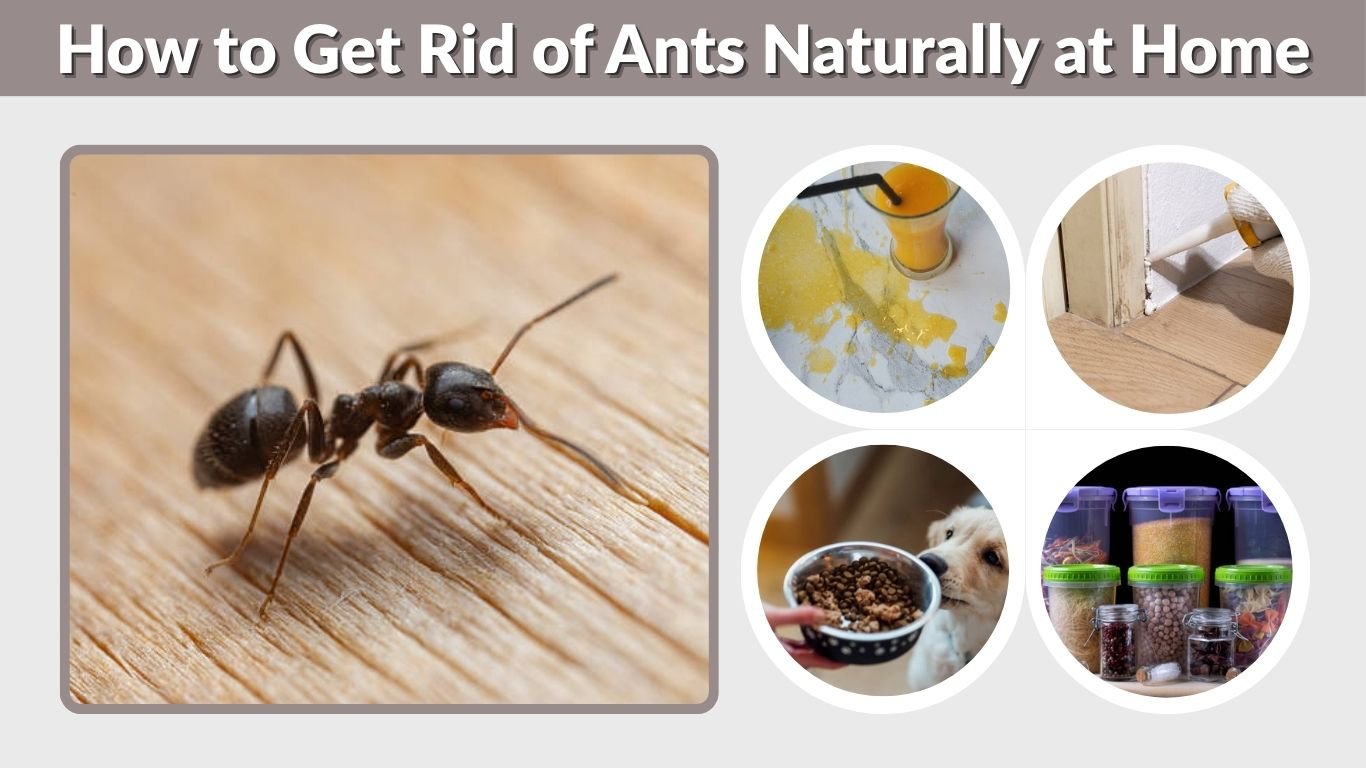
Ants can quickly move from a few scouts to a steady trail across kitchens, bathrooms, gardens, lawns, and patios. If you prefer to avoid conventional insecticides, several practical methods can help reduce ants naturally by removing food, disrupting trails, blocking entry points, and targeting nesting areas. The best approach depends on where the ants are living and which species you have. This guide explains how to get rid of ants naturally indoors and outside while helping prevent colonies from returning.
How to Get Rid of Ants Naturally at Home
Natural ant control works best when you combine several methods instead of relying on one quick remedy. Killing the ants you can see may provide temporary relief, but it does not necessarily eliminate the colony. Focus first on removing food and water, wiping away scent trails, and closing the small openings ants use to enter your home.
Start With These Natural Ant-Control Methods
Try these steps when ants first appear:
- Wipe ant trails with soapy water.
- Store sugar, cereal, pet food, and snacks in sealed containers.
- Clean crumbs and spills immediately.
- Empty trash regularly.
- Repair dripping faucets and other moisture sources.
- Seal cracks around windows, doors, pipes, and baseboards.
- Vacuum visible ants and dispose of the contents outside.
- Keep counters and floors dry overnight.
These steps make your home less attractive while disrupting the trails ants use to guide other workers toward food.
Use Vinegar to Disrupt Ant Trails
A diluted vinegar solution can be useful for cleaning areas where ants have been traveling. Wipe countertops, baseboards, window frames, and other hard surfaces with equal parts white vinegar and water.
Vinegar does not reliably destroy an established colony, but cleaning with it can remove some of the chemical scent trails ants use for navigation. Avoid using vinegar on natural stone or other surfaces that can be damaged by acids.
Try Food-Grade Diatomaceous Earth Carefully
Food-grade diatomaceous earth can be applied as a very thin layer in dry cracks, gaps, and other places where ants travel. The fine particles damage the protective outer layer of insects and can eventually cause them to dry out.
Keep the powder dry because moisture reduces its effectiveness. Avoid breathing the dust, and follow label instructions carefully around children, pets, and food-preparation areas.
How to Get Rid of Ants in the Kitchen Naturally
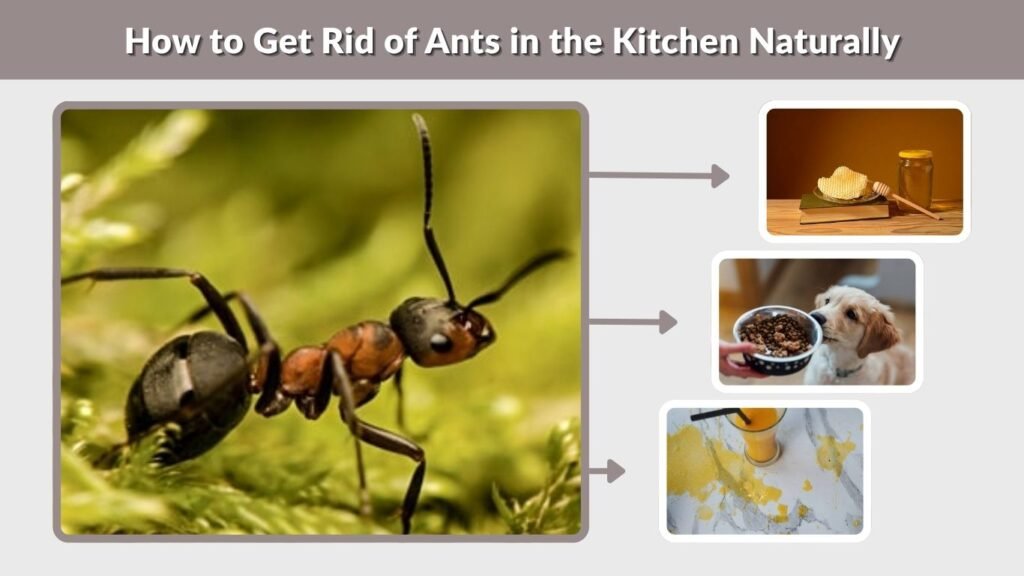
Kitchens provide almost everything ants need: food, moisture, warmth, and hidden spaces. Even tiny amounts of syrup, cooking grease, crumbs, or pet food can support persistent ant activity. Natural kitchen control therefore depends heavily on sanitation. Once food sources disappear, you can concentrate on trails and entry points instead of continually treating visible ants.
Remove the Food Sources Attracting Ants
Pay particular attention to:
- Sugar and honey containers
- Crumbs beneath appliances
- Grease around the stove
- Open cereal and flour packages
- Fruit left uncovered
- Pet food bowls
- Recycling containers
- Sticky drink spills
- Garbage cans
Clean behind refrigerators, microwaves, toasters, and other appliances because unnoticed crumbs can keep an ant trail active.
Block Their Entry Points
Watch the ants for several minutes instead of immediately wiping them away. Their movement may reveal a crack beneath a cabinet, gap around plumbing, damaged window seal, or opening along the baseboard.
After cleaning the trail, seal accessible gaps with an appropriate caulk or sealant. This does not eliminate nests already inside walls, but it can reduce the number of new workers entering the room.
How to Get Rid of Ants Naturally Outside
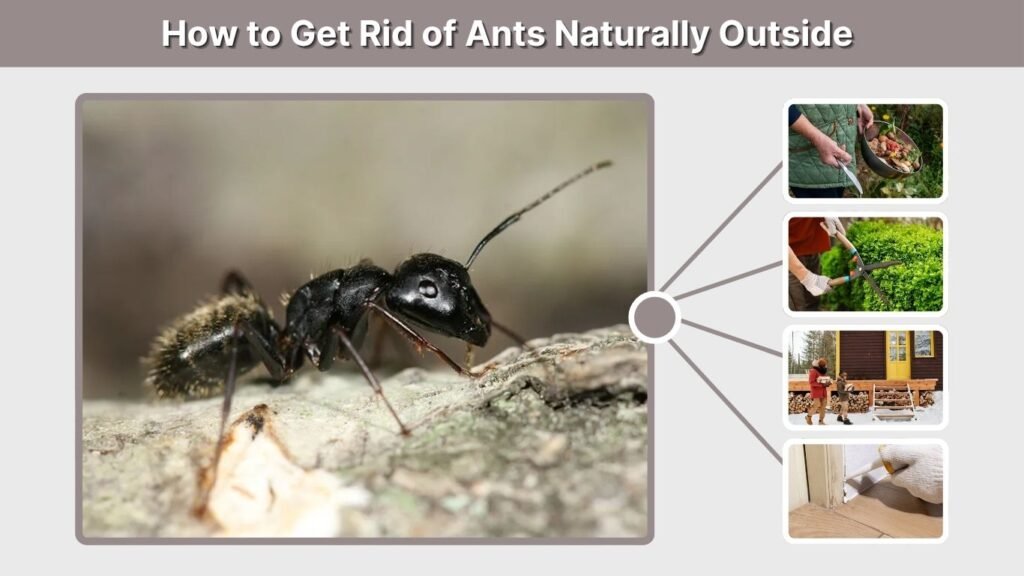
Outdoor ants are not always a problem, and many species play useful ecological roles by moving soil and consuming other small organisms. Control becomes more important when colonies invade structures, damage plants, build disruptive mounds, or create stinging risks. Outdoors, the goal should be targeted treatment rather than trying to remove every ant from your property.
Natural Ways to Reduce Outdoor Ants
For lawns, patios, and yards:
- Remove fallen fruit and outdoor food scraps.
- Keep trash and compost containers closed.
- Trim vegetation touching the house.
- Repair outdoor water leaks.
- Move firewood away from exterior walls.
- Clean food residue from patios and grills.
- Rake apart abandoned mound material.
- Seal cracks in paving and foundations where practical.
Reducing food, water, and easy access to the house can make the property much less attractive to persistent colonies.
How to Get Rid of Ant Hills Naturally
Repeatedly disturbing a mound usually does not eliminate a mature colony because the queen and much of the nest may remain underground.
Pouring very hot water into a mound is sometimes used as a nonchemical approach, but results vary and there is a serious burn risk. Hot water can also damage grass, plant roots, and beneficial soil organisms. For nests near valuable plants, structures, or play areas, use a safer targeted method instead.
Ants in Grass, Lawns, and Gardens
Small ant colonies in lawns usually cause little direct damage. However, large mounds can interfere with mowing, while ants may protect aphids and other honeydew-producing pests on garden plants.
Control aphids if they are present, remove food sources, and avoid keeping soil unnecessarily wet around foundations. In vegetable gardens, concentrate on the nest or entry route rather than spreading treatments broadly across growing areas.
Natural Control for Carpenter, Fire, and Other Ants
Not every ant problem should be handled in the same way. Carpenter ants, fire ants, and tiny indoor ants have different nesting habits and risks. Correct identification matters because a method that temporarily stops a kitchen trail may do very little against a colony living inside damaged wood or a deep outdoor mound.
What to Do With Different Types of Ants
- Carpenter ants: Look for damp or damaged wood, plumbing leaks, and moisture problems. Repairing the underlying moisture source is essential because these ants often nest in compromised wood.
- Fire ants: Avoid disturbing active mounds because workers can sting aggressively. Natural home methods may not reliably eliminate large colonies.
- Sugar ants: Remove sweet foods, clean trails, and seal entry gaps.
- Pavement ants: Check cracks around foundations, driveways, and paving.
- Tiny indoor ants: Avoid randomly spraying trails, as some species can establish multiple nesting sites when disturbed.
What About White Ants?
The term “white ants” usually refers to termites, not true ants. Termites can cause significant structural damage and require a different control strategy.
If you see pale insects feeding on wood, mud tubes on walls or foundations, discarded wings, or hollow-sounding timber, do not rely solely on household ant remedies. A termite inspection may be necessary to determine whether a structural infestation is present.
How to Keep Ants From Coming Back Naturally
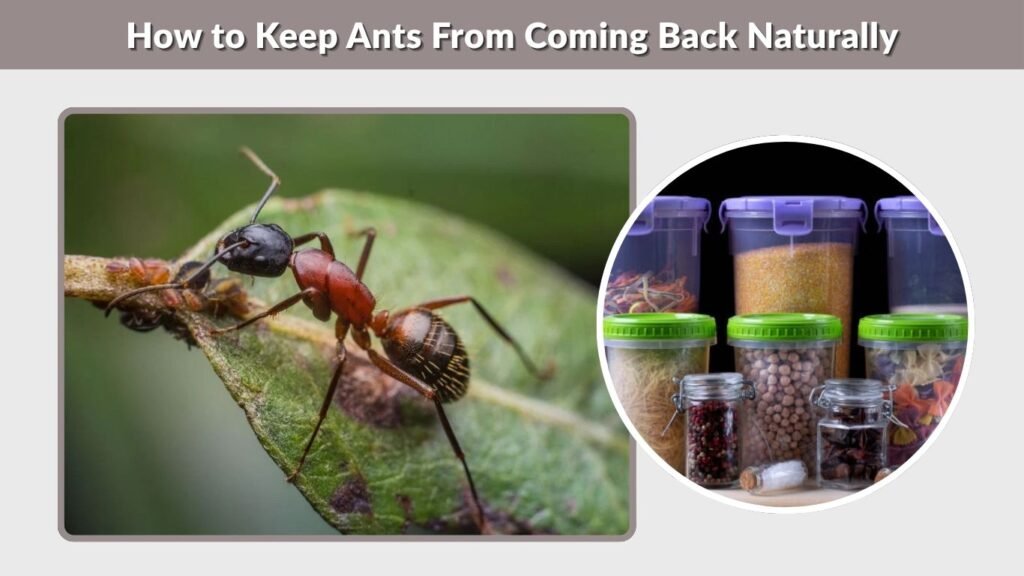
Long-term ant control depends more on prevention than repeatedly killing workers. Ant colonies continually send scouts searching for food and water, so even an effective cleanup can be followed by new activity if the original attraction remains. Making your home and its surroundings less accessible and less rewarding gives you the best chance of keeping ant problems under control.
Maintain a Less Ant-Friendly Home
Clean food-preparation areas every day and avoid leaving dirty dishes overnight. Keep dry foods in tightly sealed containers and inspect pet-feeding areas regularly.
Outside, maintain a gap between vegetation and the building, repair foundation cracks, and avoid stacking wood directly against exterior walls. Fix moisture problems promptly, especially if carpenter ants are present.
If ants continue appearing from wall voids, structural wood, electrical areas, or multiple rooms despite consistent prevention, the colony may be difficult to reach with home methods. In that situation, professional identification and targeted control may save time and prevent further problems.
FAQs
Natural ant control works best when you understand where the colony is located and why the ants are entering the area. Some infestations respond quickly to sanitation and exclusion, while established colonies may require more targeted intervention. These common questions cover the most important concerns about removing ants naturally from homes, gardens, lawns, and other areas.
1. What is the fastest natural way to get rid of ants?
Start by removing food and water, wiping away ant trails with soapy water, and sealing visible entry points. This can reduce activity quickly, although eliminating an established colony usually takes longer.
2. Does vinegar permanently get rid of ants?
Vinegar can help clean ant trails and discourage activity on treated surfaces, but it usually does not eliminate the hidden colony or queen. Use it as part of a broader sanitation and exclusion strategy.
3. How do I get rid of ants naturally in my lawn?
Remove outdoor food sources, reduce unnecessary moisture, and identify active nests. Small colonies often do not require treatment, while troublesome mounds can be managed individually rather than treating the entire lawn.
4. How can I get rid of carpenter ants naturally?
Correct moisture problems first. Replace water-damaged wood, repair leaks, remove decaying wood near the house, and locate possible nesting areas. Persistent carpenter-ant activity inside structural wood may require professional inspection.
5. Can I permanently get rid of ants naturally?
You can greatly reduce recurring infestations by combining sanitation, moisture control, sealing entry points, and targeted nest management. However, outdoor colonies can continually send new ants toward a property, so ongoing prevention is more realistic than guaranteeing ants will never return.