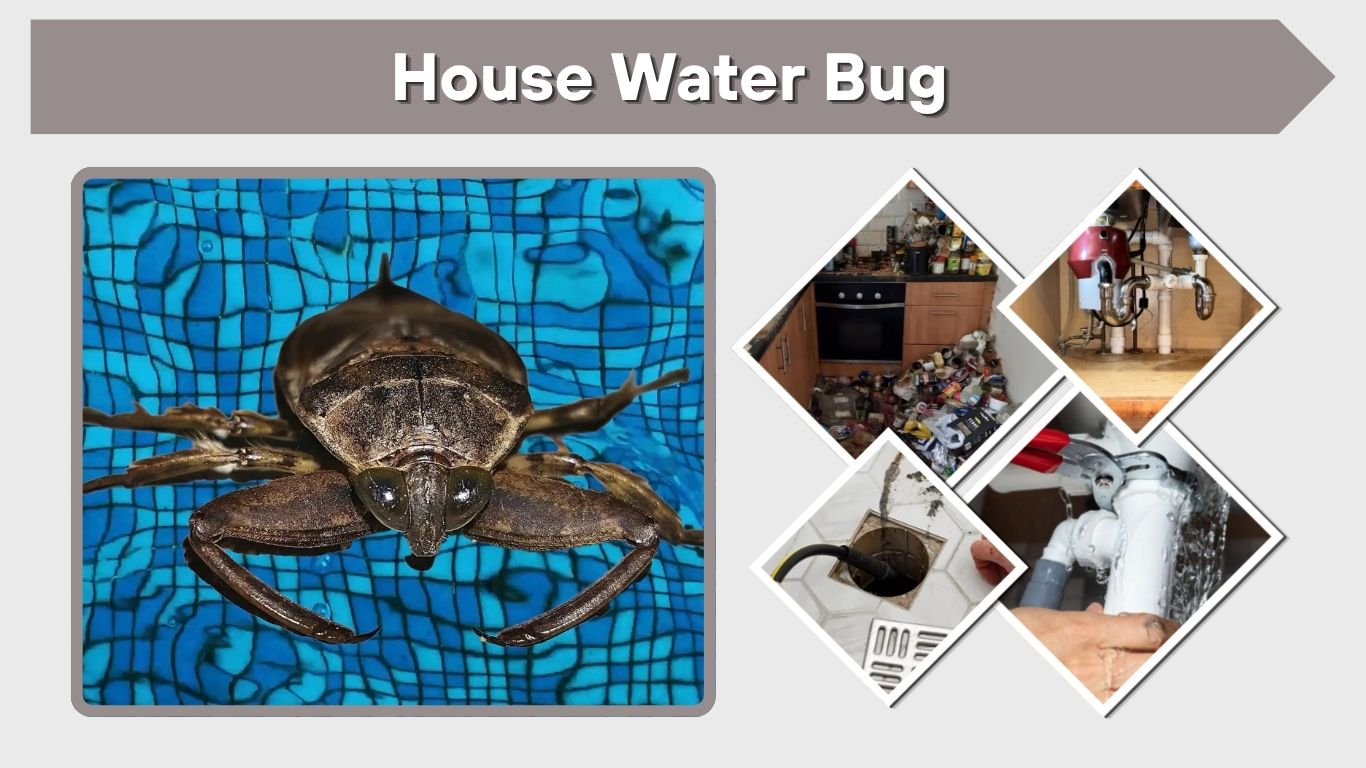
A house water bug can be confusing because the name often refers to different insects. In many homes, “water bug” means a large cockroach that prefers damp, dark places. Sometimes it may also mean a true aquatic bug that entered by accident. Knowing the difference helps you understand why it came inside, where it hides, and how to remove it safely.
What Is a House Water Bug?
A house water bug is usually a moisture-loving insect found indoors near kitchens, bathrooms, basements, drains, or laundry rooms. The name is commonly used for large cockroaches, but true water bugs can also appear inside homes by mistake. Correct identification is important because cockroaches can infest houses, while true water bugs usually cannot.
House Water Bug That Looks Like a Cockroach
A house water bug that looks like a cockroach is often exactly that—a cockroach. American cockroaches and Oriental cockroaches are commonly called water bugs because they like wet, dark areas.
These insects may appear near sinks, drains, floor gaps, basements, crawl spaces, and laundry areas. They are usually active at night and hide during the day. If you see them often, it may mean your home has moisture, food crumbs, or open entry points.
Cockroach-like water bugs can live and breed indoors. That makes them different from true aquatic water bugs, which usually need outdoor water habitats.
True Water Bug vs House Cockroach
True water bugs live in ponds, pools, lakes, marshes, and slow-moving water. They have flatter bodies and may use strong front legs to grab prey. Some can bite if handled.
House cockroaches are different. They live in damp indoor or outdoor areas and feed on crumbs, grease, garbage, pet food, and organic matter. They usually run quickly and hide in cracks.
The main difference is habitat. A true water bug does not normally want to live in your house, but a cockroach-type water bug can.
Common House Water Bugs
Several insects may be called water bugs indoors. Some are pests, while others are accidental visitors.
Common examples include:
- American cockroach
- Oriental cockroach
- Smoky brown cockroach
- True giant water bug
- Water boatman
- Backswimmer
- Small aquatic beetles
- Damp-loving outdoor roaches
If the bug appears repeatedly in the kitchen, bathroom, or basement, it is more likely to be a cockroach than a true aquatic insect.
Why Are Water Bugs in My House?
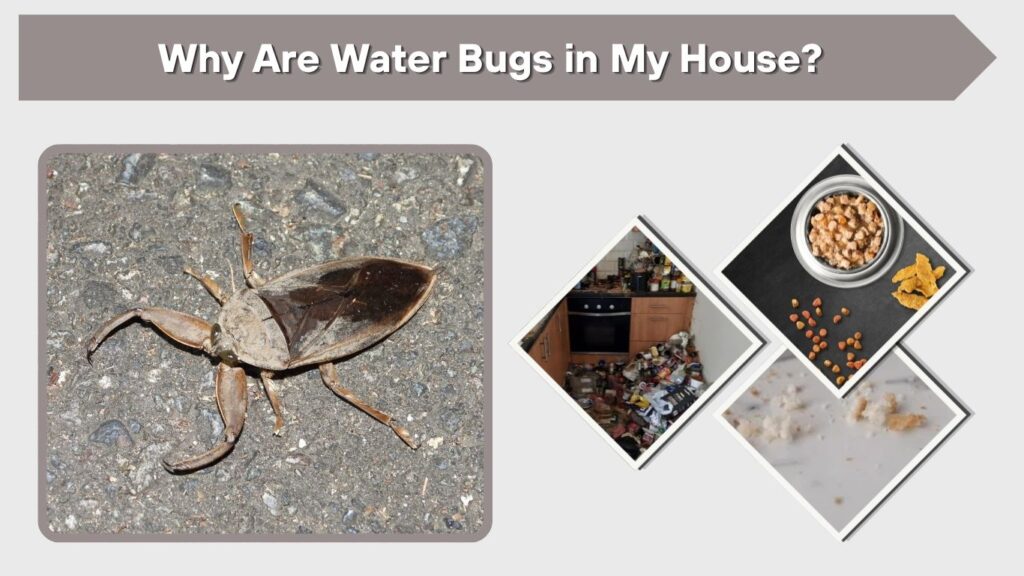
Water bugs come into houses because they are looking for moisture, food, shelter, warmth, or a safe hiding place. A sudden appearance may happen after rain, heat, cold weather, plumbing problems, or outdoor disturbance. Repeated sightings often point to damp areas, cracks, drains, or food sources inside the home.
What Causes Water Bugs in a House?
The most common cause is moisture. Water bugs like damp places, so leaking pipes, wet basements, clogged drains, and humid bathrooms can attract them.
Other causes include food crumbs, grease, open trash, pet food, and clutter. Dark spaces under sinks, behind appliances, and near floor drains give them shelter.
Outdoor conditions can also push them indoors. Heavy rain may flood hiding places. Dry weather may force them to search for water. Cold weather can make them look for warmth.
Water Bugs in House All of a Sudden
Seeing water bugs in the house all of a sudden can happen for several reasons. A storm may drive them inside. A nearby sewer or drain issue may disturb them. Yard work, construction, or heavy moisture around the foundation can also cause movement.
Sometimes one true water bug flies indoors by accident. This does not always mean infestation. However, several cockroach-like water bugs appearing within days may suggest a hidden indoor or nearby outdoor population.
Check drains, door gaps, basement corners, and under sinks first.
Why Do Water Bugs Come in the House?
Water bugs come inside when your home gives them something they need. Moisture is usually the biggest reason, but food and shelter also matter.
They may come in for:
- Water from leaks or drains
- Food crumbs and grease
- Warmth during cooler weather
- Shelter during storms
- Dark cracks and hiding spots
- Access through gaps or pipes
- Damp basement or crawl space conditions
Removing these attractants is the best way to keep them away.
How Do Water Bugs Get in the House?
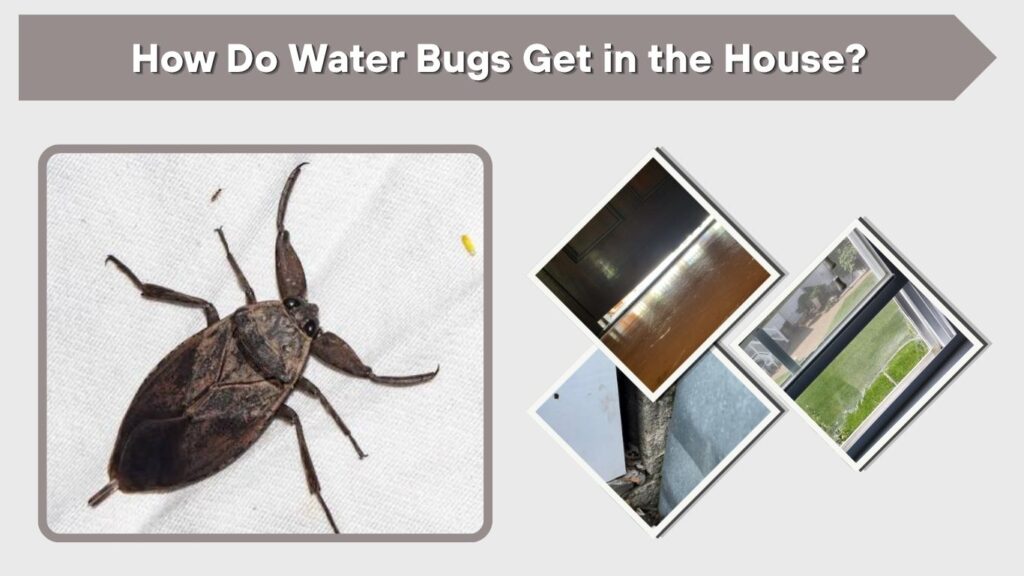
Water bugs can get into the house through small openings around doors, windows, foundations, pipes, drains, vents, and garage gaps. Some flying water bugs may enter through open doors or windows at night. Cockroach-like water bugs usually crawl in from damp outdoor areas, sewer lines, basements, or crawl spaces.
Entry Points Around the House
Most water bugs do not need a large opening to enter. Small cracks and gaps are enough.
Common entry points include:
- Gaps under doors
- Torn window screens
- Cracks in the foundation
- Open garage doors
- Basement window gaps
- Utility line openings
- Pipe holes under sinks
- Crawl space vents
- Loose weather stripping
Sealing these areas can reduce both water bugs and other household pests.
Do Water Bugs Come Through Drains?
Water bugs may appear near drains, but they do not always come directly from the drain. Many hide close to drains because they are dark, damp, and full of organic residue.
Cockroach-like water bugs may use plumbing gaps, sewer connections, or floor drain areas to move around. Dirty drains can also provide food. Cleaning drains and sealing gaps around pipes can reduce activity.
If bugs keep appearing near one drain, inspect the pipe area, wall gaps, and nearby cabinets.
Can Water Bugs Fly in the House?
Some water bugs can fly, especially true aquatic bugs and some large cockroaches. A flying water bug in the house may have entered through an open door, window, garage, or damaged screen.
Flying does not always mean the bug is nesting indoors. A true water bug may fly in by accident, especially at night when lights are on. However, cockroach-like water bugs may also glide or fly short distances in warm conditions.
What Do Water Bugs Look Like in Your House?
Water bugs in the house are usually large, dark, fast-moving insects. They may be black, brown, reddish-brown, or shiny. Some look like cockroaches, while true water bugs look flatter and more aquatic. Size, body shape, legs, and where you find them can help you identify the insect.
Black Water Bugs in House
Black water bugs in the house are often Oriental cockroaches. These roaches are dark brown to black and prefer damp areas such as basements, floor drains, crawl spaces, and bathrooms.
They usually crawl more than fly. They may move slowly compared with other roaches but can still hide quickly when disturbed. If you see black water bugs often, inspect for leaks, damp storage, wet crawl spaces, and foundation cracks.
A true aquatic bug may also look dark, but it is less likely to remain indoors.
Small Water Bugs in House
Small water bugs in a house may be young cockroaches, small aquatic insects, or other moisture-loving bugs. Baby cockroaches are especially important to identify because they may mean breeding is happening nearby.
Small indoor water bugs may hide under sinks, behind appliances, or near drains. If you see tiny dark insects along with larger ones, check for egg cases and droppings. That can suggest a cockroach problem.
True baby water bugs usually live outside in water and are not common indoor pests.
House Water Bug vs Cockroach
The table below can help you separate a true water bug from a cockroach-like house water bug.
| Feature | True Water Bug | Cockroach Called Water Bug |
| Main habitat | Ponds, pools, lakes, wetlands | Kitchens, drains, basements, crawl spaces |
| Body shape | Broad, flat, often oval | Long, narrow, shiny |
| Movement | Swims well, may fly | Runs fast, may glide or fly |
| Indoor survival | Usually accidental | Can live and breed indoors |
| Bite risk | Can bite if handled | Rarely bites people |
| Main problem | Painful bite if touched | Infestation and contamination risk |
Where Do Water Bugs Hide in a House?
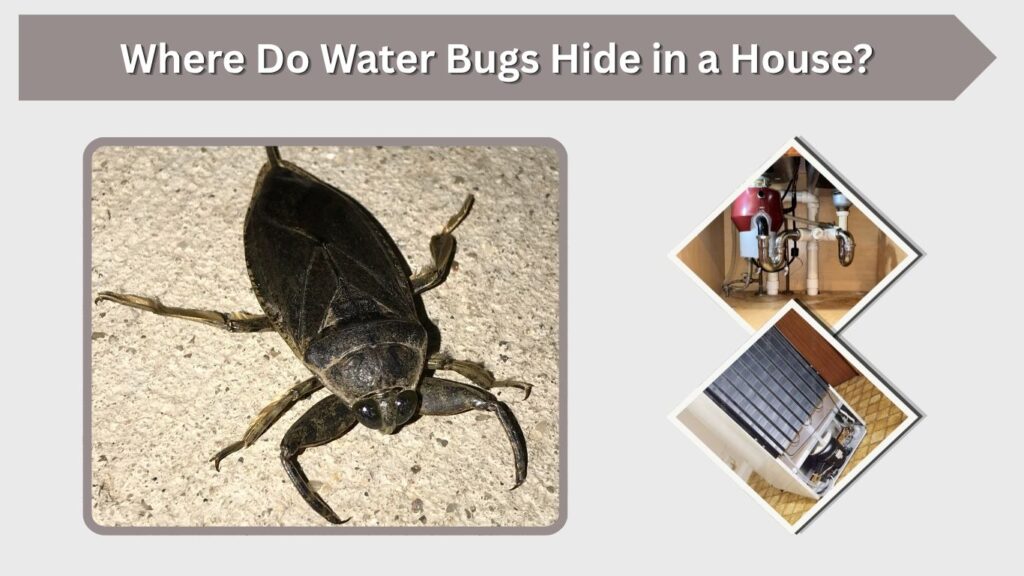
Water bugs hide in damp, dark, quiet places. They usually avoid light and come out at night. Kitchens, bathrooms, basements, laundry rooms, crawl spaces, drains, and wall gaps are common hiding areas. Finding these spots helps you remove the source instead of only killing the bugs you see.
Kitchen Hiding Spots
Kitchens attract water bugs because they provide food, water, and warmth. Bugs may hide during the day and come out at night to feed.
Check these kitchen areas:
- Under the sink
- Behind the refrigerator
- Under the dishwasher
- Around trash cans
- Behind the stove
- Inside cabinet corners
- Near leaking pipes
- Under floor mats
- Around pet food bowls
Cleaning hidden grease and crumbs is important because visible surfaces are not the only food source.
Bathroom and Laundry Areas
Bathrooms and laundry rooms are common because they stay humid. Water bugs may hide behind toilets, under vanities, near tubs, around drains, and behind washing machines.
A dripping faucet, loose pipe, or damp cabinet can attract them. After showers, poor ventilation can keep the room moist for hours. Use fans, wipe standing water, and repair plumbing problems quickly.
If bugs appear in the bathroom at night, check around pipe openings and wall gaps.
Basement and Crawl Space Areas
Basements and crawl spaces are some of the best hiding places for house water bugs. These areas are often dark, damp, and cluttered.
They may hide around sump pumps, water heaters, storage boxes, foundation cracks, and floor drains. Cardboard boxes can hold moisture and provide shelter. Replace cardboard with sealed plastic bins and use a dehumidifier if the area feels damp.
Do Water Bugs Infest Your House?
True aquatic water bugs usually do not infest houses because they need outdoor water habitats. Cockroach-like water bugs can infest a house if they find moisture, food, and hiding places. If you see them repeatedly, especially at night or in different rooms, the problem may be more than one accidental bug.
Signs of an Infestation
A single water bug may not mean infestation. But repeated activity should be taken seriously.
Possible infestation signs include:
- Seeing bugs several times a week
- Finding small baby bugs
- Droppings near cabinets or drains
- Egg cases in hidden areas
- Musty odor in damp spaces
- Bugs appearing during daytime
- Dead bugs found in corners
- Activity in more than one room
Daytime sightings can mean the hiding area is crowded.
How Long Do Water Bugs Live in Your House?
How long water bugs live in your house depends on the insect. A true aquatic water bug may not survive long indoors without water. It may die if it cannot return outside.
Cockroach-like water bugs can live much longer indoors if moisture and food are available. They can hide, breed, and spread through wall voids, drains, basements, and cabinets. That is why quick action matters.
Removing water and food can shorten their survival and reduce reproduction.
Do House Water Bugs Bite?
True water bugs can bite if handled or pressed against the skin. Giant water bugs have a painful bite, but they do not chase people. Avoid picking them up with bare hands.
Cockroach-like water bugs rarely bite humans. Their main concern is contamination, droppings, odor, and infestation. They may walk across dirty areas and then move near food, dishes, or counters.
Use gloves or a container if you need to remove a large unknown bug.
How to Get Rid of Water Bugs in the House
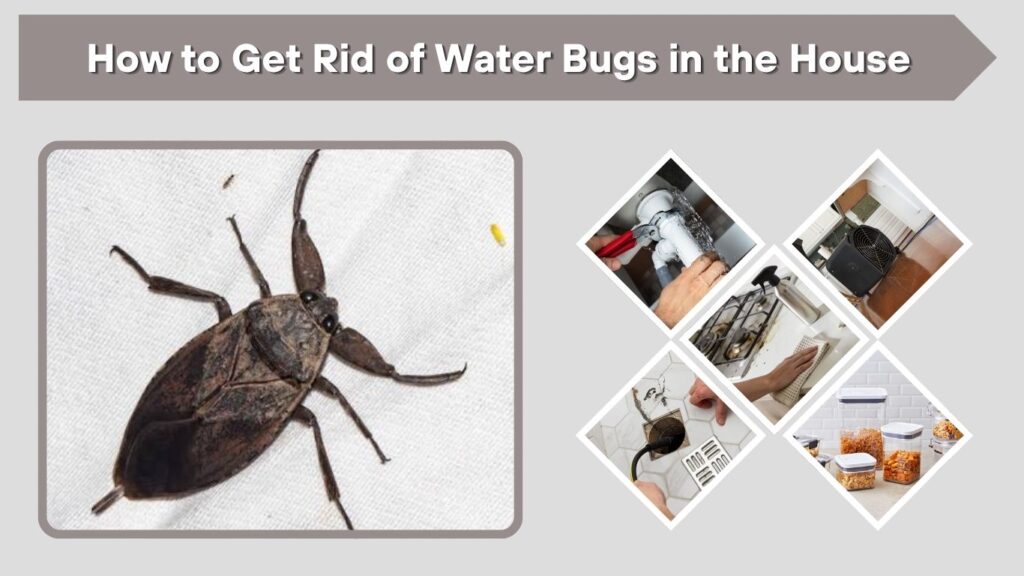
To get rid of water bugs in the house, use a complete approach. Remove moisture, clean food sources, seal entry points, use traps, and apply proper baits if the insect is a cockroach. Killing one visible bug is not enough if hidden moisture and entry points remain.
Step-by-Step Removal Plan
Start with the areas where you see activity most often. Focus on kitchens, bathrooms, basements, and drains.
Follow these steps:
- Fix leaking pipes and faucets
- Dry damp cabinets and floors
- Clean crumbs, grease, and trash
- Store food in sealed containers
- Clean drains and remove buildup
- Place sticky traps near hiding spots
- Seal cracks and pipe gaps
- Use cockroach bait if needed
- Remove clutter from damp areas
- Check outdoor moisture near the foundation
This approach works better than spraying randomly.
Home Remedy for Water Bugs in House
Home remedies may help with small problems, but they are not always enough for infestations. Soap and water spray can kill visible bugs on contact. Baking soda and sugar is a common home remedy for cockroach-like bugs. Vinegar may help clean drains, but it is not a strong insect killer.
Use remedies as support, not the only solution. Moisture control and sealing are more important for long-term results.
Keep any mixture away from pets, children, and food surfaces.
How to Kill Water Bugs in House Safely
For a visible bug, use a shoe, trap, container, or soap-water spray. For cockroach-like water bugs, bait stations are often more useful than sprays because they target hidden insects.
Avoid spraying chemicals around food, dishes, pets, or children. Do not mix pest products. Read labels carefully. If you see many bugs or cannot find the source, professional pest control may be safer and more effective.
How to Keep Water Bugs Out of Your House
Keeping water bugs out of your house means making your home less attractive and harder to enter. The best prevention plan includes sealing gaps, reducing indoor moisture, managing outdoor water, cleaning food sources, and checking damp spaces regularly.
Seal the House
Inspect your home from outside and inside. Look for gaps where bugs can enter.
Seal these places:
- Door bottoms
- Window frames
- Foundation cracks
- Pipe openings
- Utility holes
- Garage gaps
- Basement vents
- Crawl space doors
Use caulk, door sweeps, weather stripping, and fine mesh where needed.
Reduce Moisture Indoors
Moisture control is one of the most powerful prevention steps. Repair leaks quickly and keep damp rooms ventilated.
Use exhaust fans in bathrooms, run a dehumidifier in basements, and dry wet areas under sinks. Do not ignore sweating pipes, musty smells, or water stains. These signs often point to conditions that attract pests.
A dry home is less welcoming to water bugs and cockroaches.
Manage Outdoor Conditions
Outdoor conditions can bring water bugs close to your house. Keep the foundation area dry and clean.
Remove leaf piles, clean gutters, avoid overwatering plants, and keep mulch away from exterior walls. Repair drainage problems that leave standing water near the home. Keep trash bins sealed and away from doors when possible.
If you have outdoor lights near doors, consider using yellow bug lights to reduce attraction.
FAQs
Why am I seeing water bugs in my house?
You may be seeing water bugs because your house has moisture, food, shelter, or easy entry points. Leaky pipes, damp basements, dirty drains, crumbs, and gaps around doors can attract them. If sightings happen often, the insect is likely a cockroach-type water bug rather than a true aquatic bug.
How do I get water bugs out of my house?
Start by removing moisture and food. Fix leaks, clean under appliances, empty trash, clean drains, and dry damp areas. Then seal cracks and place sticky traps near activity. If they look like cockroaches, use bait stations. For repeated sightings, professional pest control may be needed.
Do water bugs live in houses?
True water bugs usually do not live in houses because they need ponds, pools, or other water habitats. Cockroach-like water bugs can live indoors if they find moisture, food, and hiding places. If you see them regularly, check basements, drains, kitchens, bathrooms, and crawl spaces.
What do water bugs eat in the house?
Cockroach-like water bugs may eat crumbs, grease, garbage, pet food, spilled drinks, paper, glue, and organic matter in drains. True aquatic water bugs do not normally feed indoors. Keeping food sealed, cleaning grease, and removing drain buildup can make your home less attractive.
How do you keep water bugs out of your house permanently?
To keep water bugs out long-term, seal entry points, repair leaks, reduce humidity, clean food sources, and manage outdoor moisture. Use door sweeps, caulk pipe gaps, clean drains, and keep basements dry. Permanent control depends on removing the conditions that attract them.