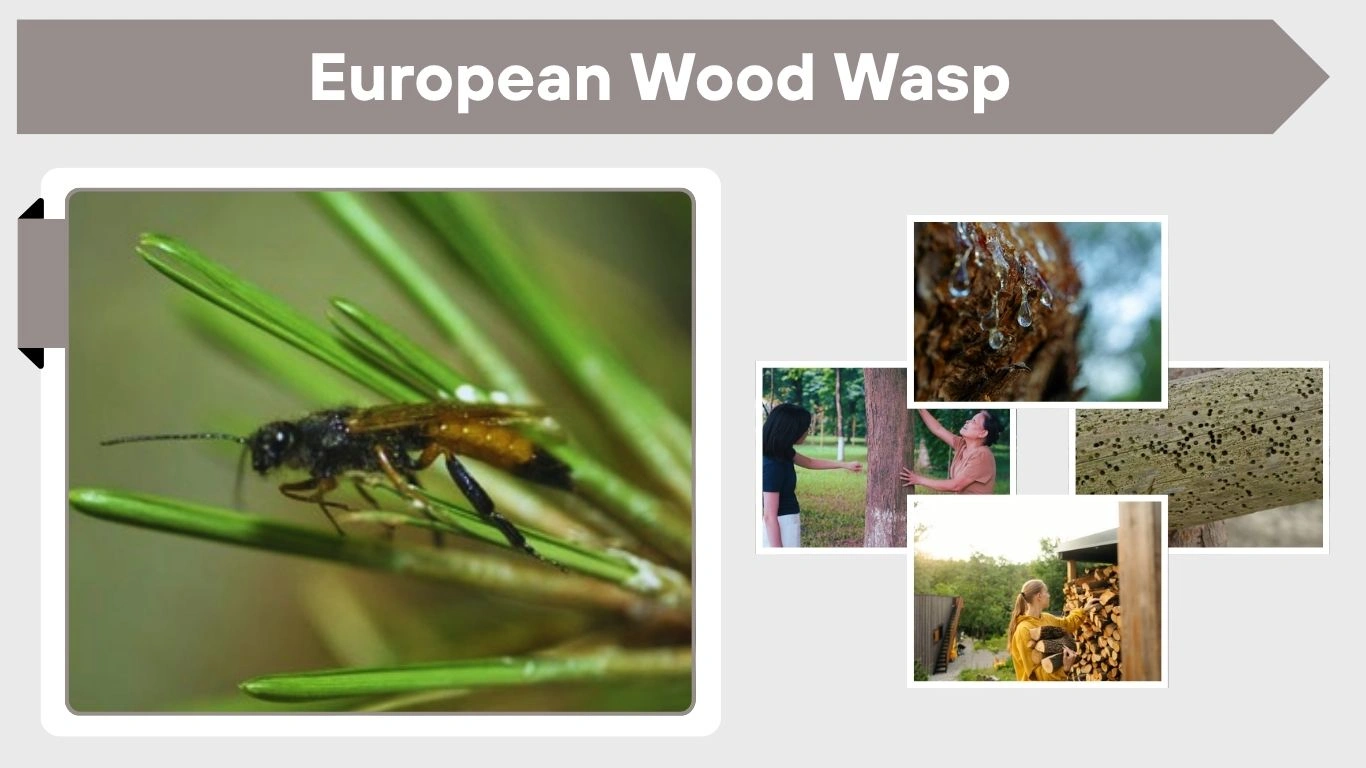
The European wood wasp (Sirex noctilio) is an invasive insect that has gained attention due to its impact on pine forests and timber industries. Many people wonder whether these wasps eat wood or pose a danger to homes and humans. Understanding their behavior, diet, and spread—especially in parts of the United States like Missouri—can help clarify concerns. This guide explains what European wood wasps are, how they interact with wood, and why they are considered a serious forestry pest.
What Is the European Wood Wasp?
The European wood wasp is a wood-boring insect belonging to the horntail group. Unlike common wasps, it does not build nests or live in colonies. Instead, it spends most of its life cycle inside wood. Native to Europe, Asia, and North Africa, it has spread to other regions and is now recognized as an invasive species in several countries.
Key Identification Features
- Long, cylindrical body without a narrow waist
- Females have a drill-like ovipositor for laying eggs
- Males and females differ in color patterns
- Strong wings but relatively slow flight
Where It Is Found
- Pine forests and plantations
- Regions in the United States, including Missouri
- Areas like Lake of the Ozarks
- Countries where it has spread beyond its native range
European Wood Wasp as an Invasive Species

The European wood wasp is considered a major invasive pest because of its ability to damage pine trees and spread rapidly. Its introduction into new environments has created challenges for forest management and timber production. Once established, it can be difficult to control without coordinated efforts.
Why It Is Considered Invasive
- Attacks healthy and stressed pine trees
- Reproduces inside wood, making detection difficult
- Spreads through movement of infested timber
- Causes economic losses in forestry
Spread in the United States
- First detected in northeastern regions
- Gradually expanded into multiple states
- Reported in Missouri and nearby forest areas
- Presence noted around Lake of the Ozarks
Do European Wood Wasps Eat Wood?
One of the most common misconceptions is that European wood wasps eat wood like termites. In reality, they do not consume wood directly. Their interaction with wood is linked to reproduction rather than feeding.
When a female wood wasp lays eggs, she injects a symbiotic fungus into the wood along with them. This fungus breaks down the wood structure, creating a suitable environment for the larvae. The larvae then feed on the fungus rather than the wood itself. This process often leads to confusion, as the resulting damage appears similar to wood-eating pests.
European Wood Wasp Diet
- Larvae feed on symbiotic fungus
- Fungus digests wood fibers externally
- Adults do not rely heavily on feeding
- Nutrition comes indirectly from wood breakdown
Why European Wood Wasps Are Attracted to Trees
European wood wasps are highly selective when choosing where to lay their eggs. Their attraction to trees is influenced by environmental conditions, particularly the health and moisture content of the wood. This behavior plays a key role in how infestations begin and spread.
They typically target pine trees that are stressed, recently cut, or weakened by environmental factors. These conditions make it easier for the female to drill into the wood and introduce the fungus. The chemical signals released by such trees also act as attractants, guiding the wasps to suitable hosts. This is why infestations are more common in managed forests or areas with damaged timber.
Signs of European Wood Wasp Infestation

Recognizing the signs of infestation early is important for managing the spread of this invasive species. While much of the damage occurs inside the wood, there are visible indicators that can help identify a problem.
Common Indicators
- Small, round exit holes in tree trunks
- Resin drips or sap flow on bark
- Yellowing or dying pine needles
- Presence of adult wasps near trees
Where Infestations Occur
- Pine forests and plantations
- Lumber yards and logging sites
- Stacks of untreated timber
- Regions like Missouri and surrounding areas
European Wood Wasp Damage

The damage caused by the European wood wasp is more serious than that of many other wood-boring insects. While it does not eat wood directly, the fungus it introduces weakens the tree and disrupts its ability to transport nutrients. Over time, this can lead to tree decline or death.
This impact is particularly significant in commercial forestry, where large numbers of trees may be affected. Infested trees often show reduced growth and lower timber quality. In severe cases, entire stands of pine trees can be damaged, resulting in economic losses.
Damage Compared to Other Pests
- More harmful to forests than typical wood wasps
- Less of a threat to homes than termites
- Primarily affects pine trees rather than structures
European Wood Wasp Sting and Safety
European wood wasps may look intimidating due to their size and pointed abdomen, but they are not considered dangerous to humans. Unlike social wasps, they do not defend nests or behave aggressively. Their primary focus is reproduction rather than interaction with people, which makes encounters relatively harmless.
Can European Wood Wasps Sting?
- Only females can sting using a modified egg-laying organ
- Stings are rare and usually occur if handled
- They are not aggressive or territorial
- Most encounters do not result in stings
Are They a Health Risk?
- Generally harmless to humans and pets
- Mild reaction if stung, similar to other insects
- Risk mainly for individuals with allergies
- No tendency to attack in groups
US Forest Service and USDA APHIS Response
Government agencies have taken the European wood wasp seriously due to its impact on forestry. Monitoring and control programs are in place to limit its spread and reduce damage to pine ecosystems. These efforts focus on early detection, biological control, and public awareness.
Control and Monitoring Programs
- Surveillance in forested regions
- Use of traps to detect populations
- Research on infestation patterns
- Public reporting systems
Biological Control Methods
- Introduction of parasitic nematodes
- Natural enemies targeting larvae
- Reduction of wasp reproduction rates
- Long-term ecosystem management
How to Control European Wood Wasps

Controlling European wood wasps requires a combination of strategies, especially in forested environments. Since the insects develop inside wood, direct treatment is often difficult. Effective control focuses on reducing breeding sites and interrupting their life cycle.
Large-Scale Control Methods
- Remove and destroy infested trees
- Use biological agents like nematodes
- Monitor forests with traps
- Manage timber movement carefully
Practical Steps for Homeowners
- Avoid bringing infested firewood indoors
- Use treated or kiln-dried lumber
- Inspect pine trees regularly
- Dispose of suspicious wood properly
European Wood Wasps in Missouri and Lake Areas
The European wood wasp has been reported in several parts of the United States, including Missouri. Areas with large pine populations, such as the Lake of the Ozarks region, provide suitable conditions for its spread. Monitoring in these locations is important to protect local ecosystems and timber resources.
In these regions, infestations are often linked to forest health and wood management practices. Local authorities and forestry services may provide updates and guidance for residents and landowners. Awareness at the community level plays a key role in preventing further spread.
How to Prevent Infestation

Prevention is the most effective way to reduce the impact of European wood wasps. By maintaining healthy trees and managing wood properly, you can make your environment less attractive to this invasive insect.
Prevention Tips
- Keep trees healthy through proper care
- Remove dead or weakened pine trees
- Store firewood away from living areas
- Avoid transporting untreated wood
Early Detection Practices
- Regularly inspect trees for signs of damage
- Look for resin drips and exit holes
- Report suspected infestations
- Monitor areas with known wasp activity
FAQs
What do European wood wasps eat?
European wood wasp larvae feed on a symbiotic fungus introduced into the wood by the female. This fungus breaks down the wood, allowing the larvae to absorb nutrients rather than consuming the wood itself.
Do European wood wasps eat wood?
No, they do not eat wood directly. They rely on fungus growing inside the wood for nutrition, which can make it appear as though they are consuming the material.
Are European wood wasps dangerous to humans?
They are generally harmless and non-aggressive. Stings are rare and usually only occur if the insect is handled or disturbed.
Where are European wood wasps found in the US?
They have been reported in several states, including Missouri, and are commonly found in pine forest regions such as the Lake of the Ozarks.
How do you control European wood wasps?
Control methods include removing infested trees, using biological agents like nematodes, monitoring with traps, and preventing the spread through proper wood management.