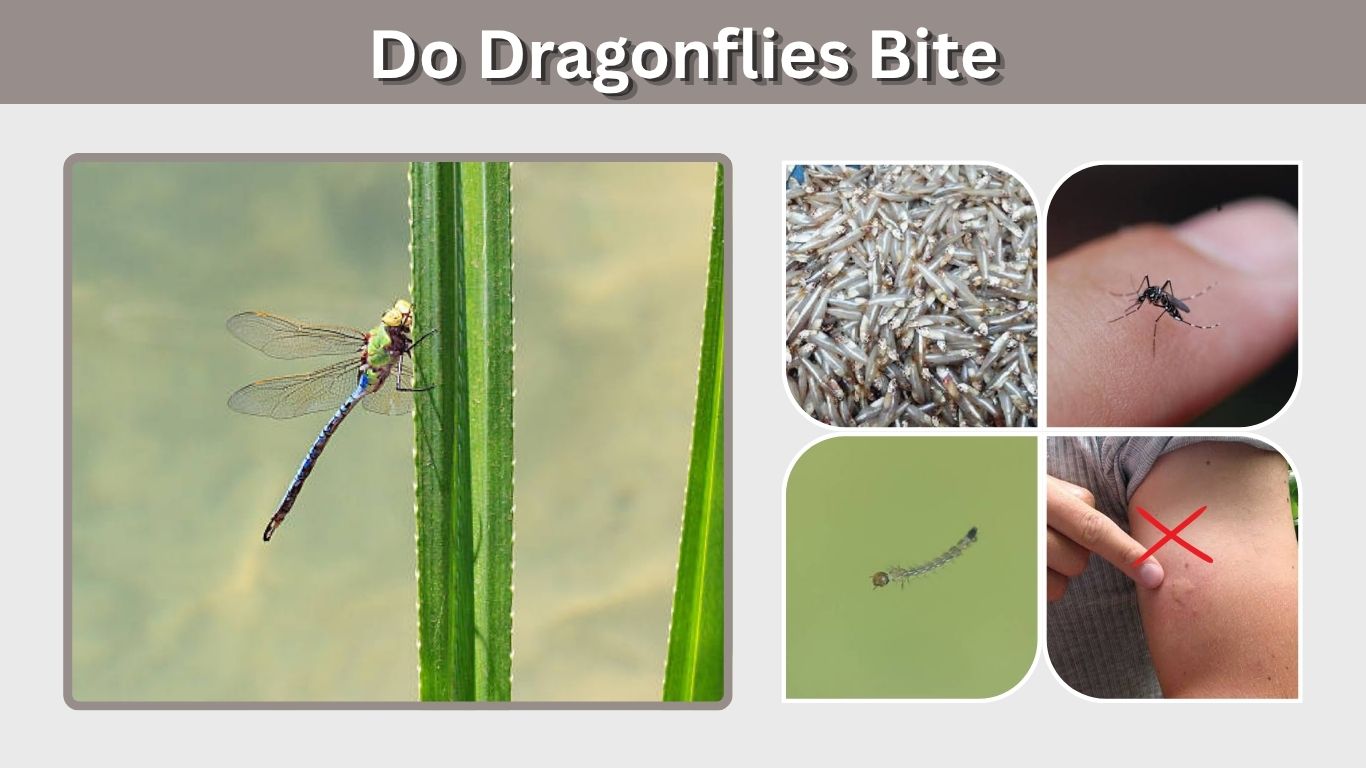
Dragonflies look dramatic with their large eyes, fast wings, and long bodies, so it is natural to wonder if they are dangerous. The short answer is that dragonflies can bite, but they rarely bite people and do not sting. In most cases, they are harmless insects that help control mosquitoes, flies, and other small pests around yards, ponds, and gardens.
Do Dragonflies Bite?
Yes, dragonflies can bite, but they are not aggressive toward humans. A dragonfly bite usually happens only when someone catches, traps, or handles one. They do not fly around looking for people to bite, and they do not use their mouthparts for defense unless they feel threatened.
Dragonflies are predators. They use strong jaws to catch and eat small insects such as mosquitoes, gnats, flies, and midges. These jaws are useful for hunting prey, but they are not designed to attack people. If a dragonfly lands on you, it is usually resting, hunting nearby insects, or exploring its surroundings.
Why Dragonflies Have Strong Mouthparts
Dragonflies need strong mouthparts because they catch prey while flying. Their jaws help them grip and chew small insects. Adult dragonflies are excellent aerial hunters, and their diet is one reason many people consider them beneficial.
Their bite ability comes from these chewing mouthparts, not from venom or a stinger. Even large dragonflies are not built to seriously harm people.
When a Dragonfly Might Bite
A dragonfly is most likely to bite when:
- You grab it with your hand
- It gets trapped in clothing
- A child tries to hold or squeeze it
- Someone handles an injured dragonfly
- It feels pinned or unable to escape
In normal outdoor situations, dragonflies usually avoid direct contact with humans.
Do Dragonflies Sting or Bite?
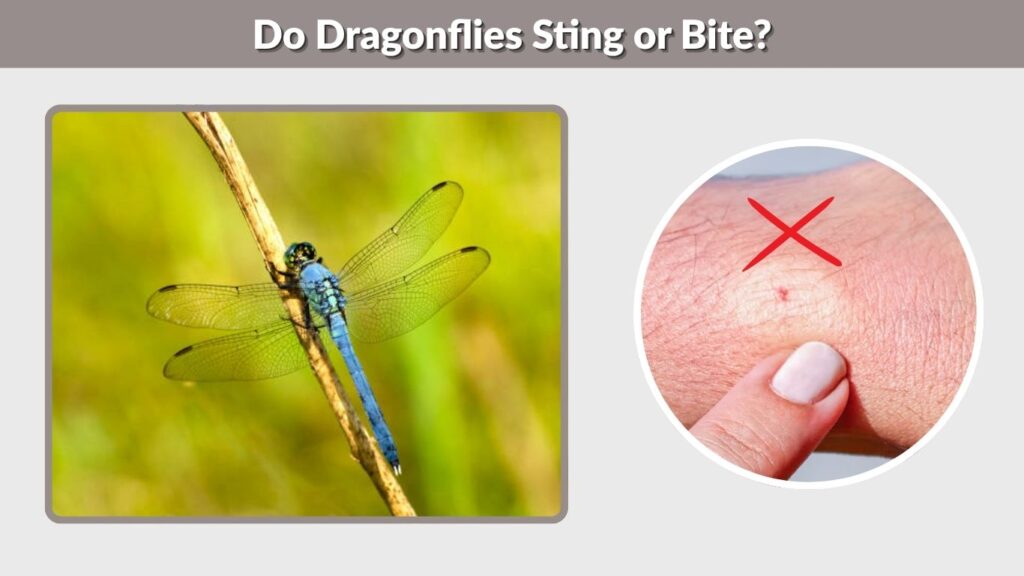
Dragonflies bite, but they do not sting. This is one of the most important points to understand. Dragonflies do not have a stinger like bees, wasps, hornets, or some ants. The long body of a dragonfly may look intimidating, but it is not a stinger.
Some people mistake the tail-like abdomen for a stinging organ. However, dragonflies use their abdomen for balance, flight control, reproduction, and body movement, not for injecting venom.
Bite vs Sting: The Difference
| Feature | Dragonfly Bite | Dragonfly Sting |
| Can it happen? | Rarely, usually when handled | No |
| Venom involved? | No | No |
| Main cause | Defensive reaction | Not possible |
| Pain level | Mild pinch in most cases | Not applicable |
| Medical risk | Very low | None from stinging |
A dragonfly may pinch the skin with its jaws, but it cannot sting you. This makes dragonflies very different from insects that inject venom.
Are Dragonflies Venomous?
No, dragonflies are not venomous to humans. Their bite does not inject poison, venom, or toxins. If a bite happens, it is usually no worse than a small pinch or scratch.
Most dragonfly encounters do not involve any bite at all. People often become nervous because dragonflies fly quickly and sometimes come close to the face, but this behavior is usually related to hunting small flying insects.
Do Dragonflies Bite Humans?
Dragonflies can bite humans, but it is uncommon. They are much more interested in catching insects than interacting with people. If one flies near you, it is probably chasing mosquitoes or other tiny insects around your body, not trying to attack you.
In many cases, dragonflies are helpful around people because they reduce the number of annoying insects in an area. A pond, garden, or wetland with dragonflies may have fewer mosquitoes nearby.
Do Dragonflies Bite People on Purpose?
Dragonflies do not bite people on purpose in the way mosquitoes do. Mosquitoes bite because they need blood. Dragonflies do not feed on blood, skin, or sweat. They eat other insects.
A defensive bite can happen if a person captures a dragonfly. Even then, many small dragonflies cannot break human skin. Larger species may pinch hard enough to be noticeable, but serious injuries are very rare.
Do Dragonflies Bite You While Flying?
It is extremely unlikely for a dragonfly to bite someone while flying freely. Their hunting behavior is focused on flying insects, not humans. If a dragonfly bumps into you, it is usually an accident.
Dragonflies are fast and agile, but they do not chase people to bite them. They may patrol the same area repeatedly because they are defending territory, searching for mates, or hunting prey.
Do Dragonfly Bites Hurt?
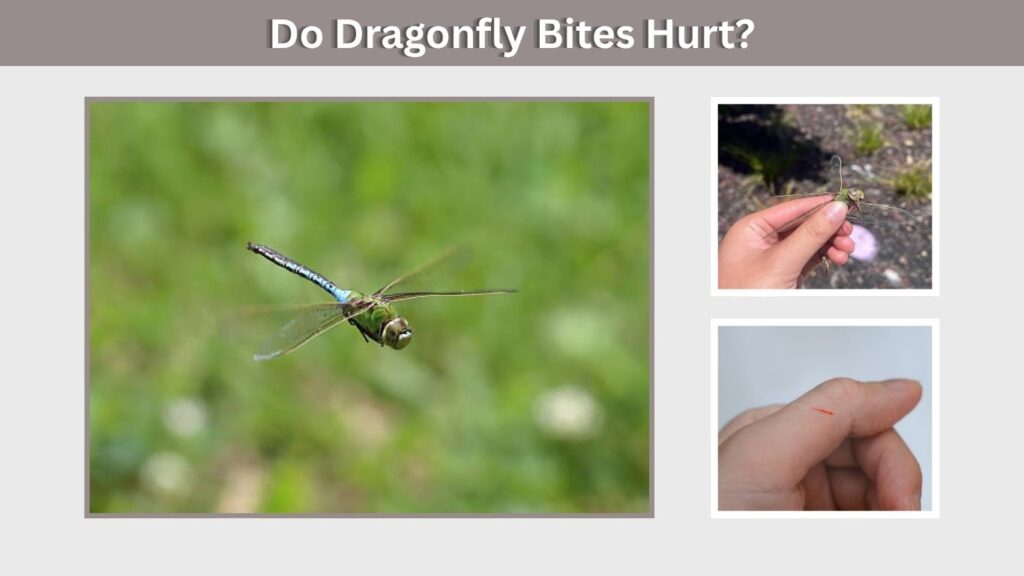
A dragonfly bite may hurt a little, especially if the dragonfly is large. Most people describe it as a quick pinch. Some bites may leave a tiny red mark, but many do not leave any visible sign.
The pain level depends on the size of the dragonfly, how long it was held against the skin, and whether it managed to pinch firmly. Since there is no venom, swelling and serious pain are not expected in normal cases.
What Do Dragonfly Bites Look Like?
A dragonfly bite may look like:
- A small red spot
- A tiny scratch
- Mild skin irritation
- Slight tenderness for a short time
- No visible mark at all
If the area becomes very swollen, warm, painful, or infected-looking, something else may be going on. It could be another insect bite, skin irritation, or a reaction unrelated to the dragonfly.
Can a Dragonfly Bite Break Skin?
A large dragonfly may be able to break the skin, but this is not common. Smaller dragonflies often cannot bite hard enough to cause more than a pinch. Even if the skin breaks, the wound is usually tiny and can be treated like a small scratch.
Wash the area with soap and water, avoid scratching it, and keep it clean.
What to Do If a Dragonfly Bites You
Most dragonfly bites do not need medical care. Basic cleaning is usually enough. Because dragonflies do not inject venom, the main concern is keeping the skin clean if there is a small mark or scratch.
Simple First Aid Steps
If a dragonfly bites you:
- Wash the area with soap and clean water
- Pat the skin dry gently
- Apply a cold compress if it feels sore
- Use an antiseptic if the skin is broken
- Avoid scratching or picking at the area
The discomfort should fade quickly. A small red mark may disappear within a short time.
When to Get Medical Advice
Medical attention is rarely needed after a dragonfly bite. However, consider getting advice if you notice:
- Increasing redness
- Pus or drainage
- Strong pain
- Fever
- Spreading warmth around the bite
- Symptoms that do not improve
These signs are more related to possible infection or another cause than to the dragonfly itself.
Do Dragonflies Bite Dogs, Cats, or Other Pets?
Dragonflies are not a major danger to dogs, cats, or horses. They do not hunt large animals and are not poisonous through biting. A curious dog or cat may chase or snap at a dragonfly, but the dragonfly usually flies away.
A dragonfly may bite a pet only if it is trapped in the animal’s mouth, paw, fur, or bedding. Even then, a bite is unlikely to cause serious harm.
Should You Worry If a Dog Eats a Dragonfly?
In most cases, a dog eating a dragonfly is not a serious problem. Dragonflies are not known for being toxic like some dangerous insects. However, eating any insect can sometimes cause mild stomach upset, especially if the dog eats many insects or has a sensitive stomach.
Watch for vomiting, drooling, repeated coughing, or unusual behavior. If symptoms appear or your pet seems distressed, contact a veterinarian.
Can Dragonflies Hurt Cats?
Cats may chase dragonflies because they move quickly and trigger hunting instincts. A dragonfly bite is unlikely to seriously hurt a cat. The bigger concern is the cat jumping, falling, or running into something while chasing flying insects.
If your cat paws at its mouth, drools, or seems uncomfortable after catching a dragonfly, check for irritation and contact a vet if symptoms continue.
Do Dragonfly Larvae or Nymphs Bite?
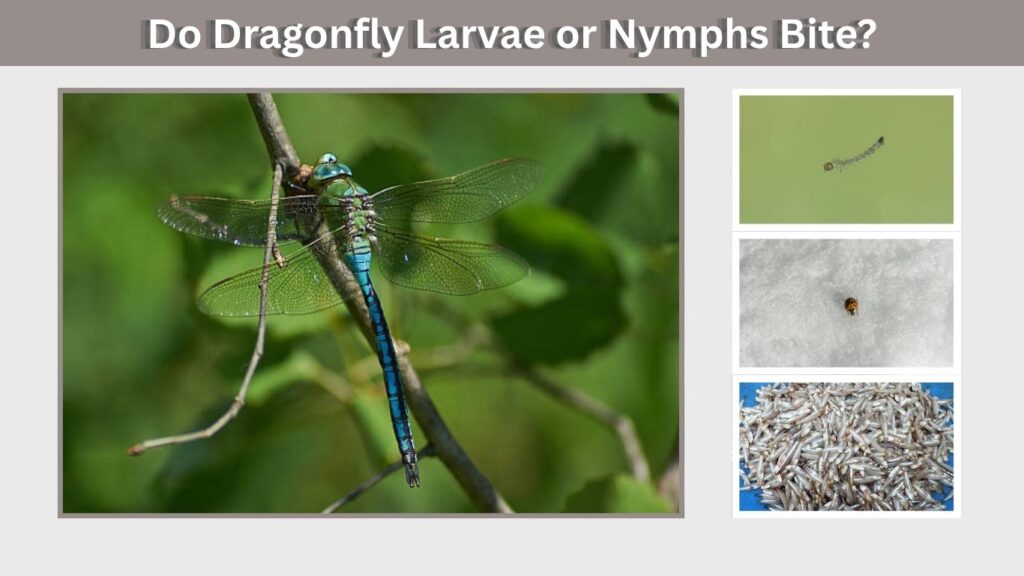
Dragonfly larvae, also called nymphs, live in water. They are aquatic predators that eat mosquito larvae, small insects, tadpoles, and sometimes tiny fish. Like adult dragonflies, they have mouthparts designed for catching prey.
Dragonfly nymphs can bite or pinch if handled, but they are not usually a threat to people. Their bite is defensive, not aggressive.
Where Dragonfly Nymphs Live
You may find dragonfly nymphs in:
- Ponds
- Lakes
- Streams
- Wetlands
- Water gardens
- Aquariums with outdoor plants
- Shallow muddy or weedy water
People are most likely to encounter them while cleaning ponds, handling aquatic plants, or exploring freshwater habitats.
Are Dragonfly Nymphs Dangerous?
Dragonfly nymphs are not dangerous to humans. However, they can be predators in small aquarium or pond environments. If they enter a fish tank through live plants, they may eat very small fish fry or tiny aquatic animals.
For people, the main advice is simple: avoid handling them with bare hands if you are unsure what they are.
Do Big, Blue, Red, Black, or Green Dragonflies Bite?
Color does not determine whether a dragonfly can bite. Blue, red, black, green, orange, and purple dragonflies all have mouthparts, but none of them are looking to bite humans. Size matters more than color when it comes to whether a bite feels noticeable.
Large dragonflies may give a stronger pinch if handled. Small dragonflies may barely be felt.
Do Large Dragonflies Bite More Often?
Large dragonflies do not usually bite more often, but their bite may be more noticeable. Bigger species have stronger jaws because they catch larger prey. Still, they are not aggressive toward people.
If you see a big dragonfly, the best thing to do is leave it alone and enjoy watching it hunt.
Do Common Whitetail or Emperor Dragonflies Bite?
Common whitetail dragonflies, emperor dragonflies, and other species can technically bite if handled. This does not mean they are dangerous. Like other dragonflies, they do not sting and do not seek out humans as food.
Species names matter less than behavior. If you do not grab or trap a dragonfly, the chance of being bitten is very low.
Why Do Dragonflies Fly Close to People?
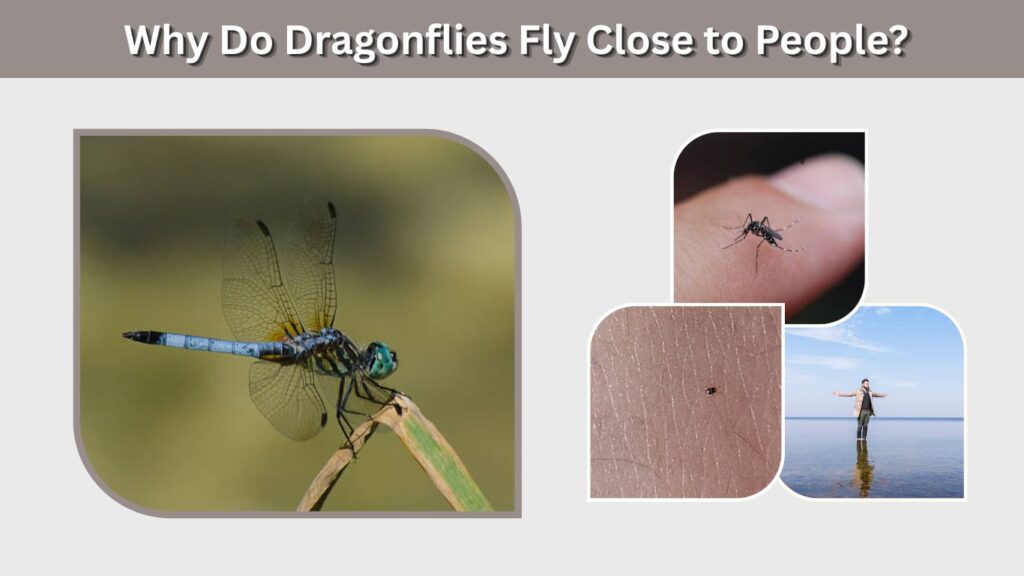
Dragonflies sometimes fly near people because insects gather around humans. Mosquitoes, gnats, and tiny flies may hover near your face, arms, or legs. A dragonfly may come close because it is hunting those insects.
They may also patrol a territory near water, gardens, or sunny open spaces. If you happen to stand in that area, the dragonfly may pass by repeatedly.
Common Reasons Dragonflies Come Near You
Dragonflies may fly close because:
- They are hunting mosquitoes near you
- You are standing near water
- You are in their flight path
- They are defending a territory
- Small insects are gathering around your body
- They are resting nearby and taking off suddenly
This behavior can feel personal, but it usually is not. Dragonflies are focused on food, mates, and territory.
Are Dragonflies Good or Bad for Your Yard?
Dragonflies are generally good for your yard, garden, or pond area. They help reduce pest insects and are part of a healthy outdoor ecosystem. Their presence often means there is nearby water or a habitat that supports insect life.
They are especially useful because both adults and nymphs eat pests. Adults catch flying insects, while nymphs eat aquatic larvae and small water organisms.
Benefits of Dragonflies
Dragonflies can help by:
- Eating mosquitoes
- Reducing small flying pests
- Supporting biodiversity
- Indicating a healthy wetland or pond habitat
- Adding natural beauty to gardens and yards
Instead of trying to remove dragonflies, most homeowners should welcome them.
How to Avoid Dragonfly Bites
Avoiding dragonfly bites is easy because bites are rare. The main rule is not to handle them.
To stay safe:
- Do not grab dragonflies
- Teach children to watch without touching
- Use a container or net if one must be moved
- Release trapped dragonflies gently
- Wear gloves when cleaning ponds or handling aquatic plants
These simple steps prevent most possible bites.
FAQs
Do dragonflies bite or sting?
Dragonflies can bite, but they do not sting. They have jaws for catching and eating small insects, not a stinger for injecting venom. A bite is rare and usually happens only when a dragonfly is handled, trapped, or squeezed. In normal outdoor situations, dragonflies are harmless to people.
Do dragonflies bite humans?
Yes, dragonflies can bite humans, but it is uncommon. They do not feed on blood and do not attack people on purpose. A bite may happen if someone catches or holds one. Most dragonflies either cannot break the skin or only cause a mild pinch.
Do dragonfly bites hurt?
A dragonfly bite may hurt slightly, especially if it comes from a large dragonfly. Most bites feel like a quick pinch and do not cause serious pain. Since dragonflies are not venomous, swelling and strong reactions are unusual. Washing the area with soap and water is usually enough.
What should I do if a dragonfly bites me?
Wash the bite area with soap and clean water. If the skin is scratched, keep it clean and consider using an antiseptic. A cold compress can help with mild soreness. Seek medical advice only if redness, swelling, warmth, pus, or pain gets worse.
Do dragonflies bite dogs or cats?
Dragonflies are not usually dangerous to dogs or cats. They may bite only if trapped or handled by a pet, and even then the bite is usually minor. If a pet eats a dragonfly, serious problems are unlikely, but watch for vomiting, drooling, coughing, or unusual behavior.