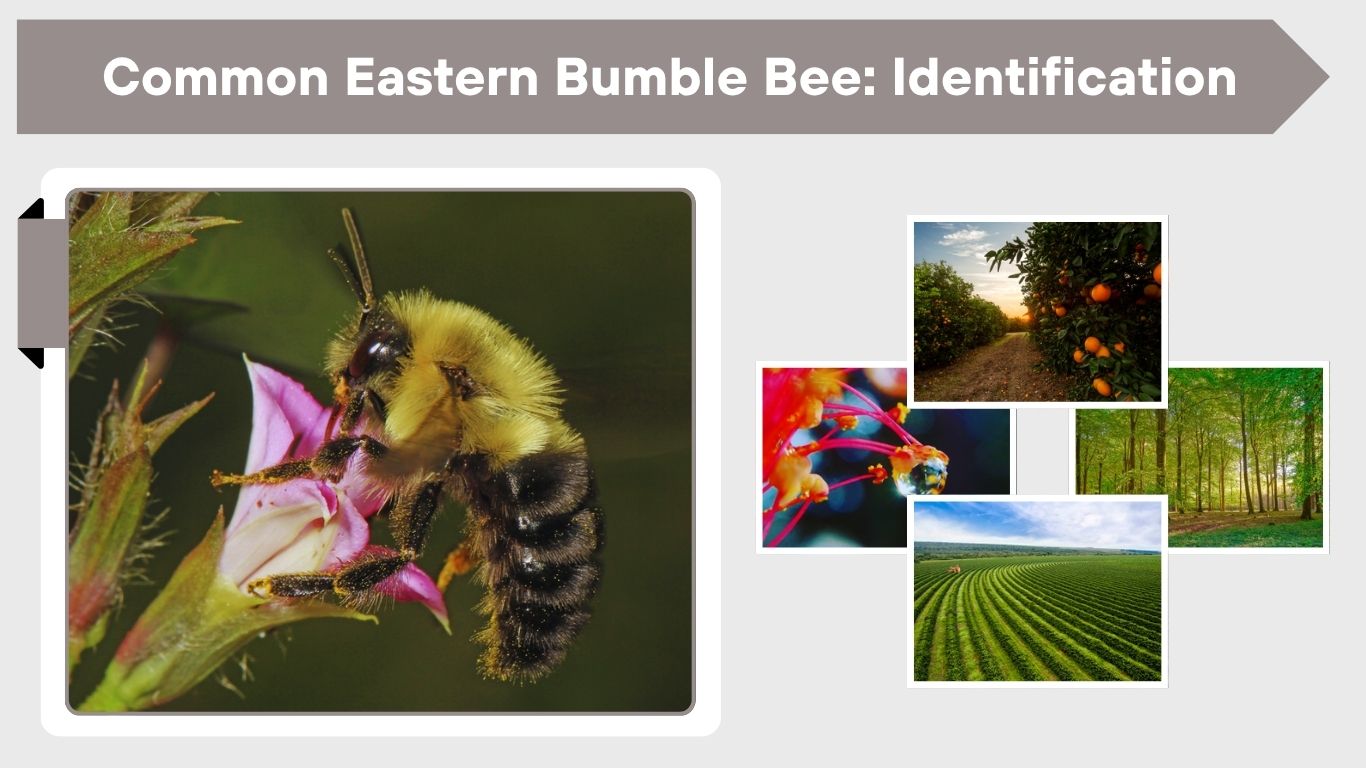
The common eastern bumble bee (Bombus impatiens) is one of the most recognizable and important pollinators in North America. Known for its fuzzy black and yellow body and gentle buzzing flight, this bee plays a crucial role in maintaining healthy ecosystems and supporting agriculture.
You’ll often spot these bees in gardens, farms, and meadows, moving from flower to flower collecting nectar and pollen. Despite their large size and loud buzz, they are generally non-aggressive and beneficial to humans. Understanding how to identify and differentiate them—especially between males and females—can help you better appreciate their role in nature.
What Is a Common Eastern Bumble Bee?
The common eastern bumble bee is a species of social bee that lives in colonies and is widely distributed across eastern North America. It belongs to the genus Bombus, which includes many types of bumble bees known for their pollination abilities.
Scientific Classification
The scientific name of this species is Bombus impatiens. It is part of the Apidae family, which also includes honey bees and carpenter bees. This group is known for its role in pollination and ecosystem balance.
Why It’s Called “Common Eastern”
The name comes from its widespread presence in the eastern regions of North America. It is one of the most frequently seen bumble bees in this area, making it “common” in both urban and rural environments.
Common Eastern Bumble Bee Identification

Identifying a common eastern bumble bee is relatively easy once you know what to look for. Their appearance is distinct compared to other bee species.
- Black body with bright yellow bands
- Fuzzy, hairy texture covering the entire body
- Medium to large size compared to other bees
- Yellow patch on the thorax (upper body)
- Slow, steady buzzing flight
Their fuzzy body helps them collect pollen efficiently, making them excellent pollinators. Unlike carpenter bees, which have shiny abdomens, bumble bees appear soft and hairy all over.
Male vs Female Common Eastern Bumble Bee

| Feature | Male Bumble Bee | Female Bumble Bee (Worker/Queen) |
| Size | Slightly smaller | Larger, especially queens |
| Stinger | No stinger | Can sting |
| Role | Mating only | Foraging, nest building, colony care |
| Behavior | Less active in work | Highly active and productive |
| Lifespan | Shorter | Longer (especially queen) |
Male and female bumble bees have clear differences in both structure and behavior. Males are primarily focused on reproduction and do not participate in colony work. They also lack a stinger, making them harmless.
Females, on the other hand, are responsible for most of the colony’s activities. Worker females gather food, build the nest, and care for larvae, while the queen lays eggs and leads the colony.
Habitat and Distribution

The common eastern bumble bee thrives in a variety of environments, making it one of the most adaptable bee species.
Natural Habitat
These bees are commonly found in gardens, meadows, forests, and agricultural fields. They prefer areas with abundant flowering plants, which provide the nectar and pollen they need to survive.
They are also well adapted to urban environments, often seen in parks and backyard gardens.
Geographic Range
As the name suggests, this species is widely distributed across eastern North America. It can be found throughout the United States and parts of Canada, especially in regions with moderate climates.
Their adaptability allows them to survive in both natural and human-modified landscapes.
Behavior and Lifestyle
The behavior of the common eastern bumble bee is closely tied to its social structure and role within the colony.
Social Structure
Unlike solitary bees, bumble bees live in colonies. Each colony typically consists of a queen, worker females, and males.
The queen is responsible for laying eggs and starting new colonies. Worker bees handle tasks such as foraging, nest maintenance, and caring for young bees. Males primarily focus on reproduction.
Foraging Behavior
Common eastern bumble bees are active foragers and play a major role in pollination. They visit a wide range of flowering plants, collecting nectar for energy and pollen for protein.
One unique trait is their ability to perform “buzz pollination,” where they vibrate flowers to release pollen. This makes them especially effective at pollinating certain crops like tomatoes and blueberries.
Common Eastern Bumble Bee Diet

The diet of the common eastern bumble bee is simple but essential for its survival and role in the ecosystem.
- Nectar provides energy for flight and daily activity
- Pollen supplies protein for growth and development
- Visits a wide variety of flowering plants
- Plays a key role in plant reproduction
- Supports agricultural crops through pollination
By feeding on nectar and pollen, these bees not only sustain themselves but also help plants reproduce, making them vital to ecosystems and food production.
Nesting Habits
| Feature | Details |
| Nest Location | Underground or hidden cavities |
| Nest Material | Wax, grass, and plant fibers |
| Colony Size | Small to medium (50–400 bees) |
Common eastern bumble bees usually build their nests underground, often in abandoned rodent burrows or sheltered cavities. These nests are made from natural materials and are designed to protect the colony.
The colony grows throughout the season, starting with the queen and expanding as worker bees develop.
Life Cycle of the Common Eastern Bumble Bee
The life cycle of the common eastern bumble bee follows a seasonal pattern, beginning and ending with the queen.
Queen Phase
In early spring, a fertilized queen emerges from hibernation. She searches for a suitable nesting site and begins building a new colony. The queen lays the first batch of eggs and cares for them until they hatch.
During this stage, the queen performs all tasks herself, including foraging for food and protecting the nest.
Worker Phase
Once the first generation of worker bees matures, they take over most of the colony’s responsibilities. These female workers gather nectar and pollen, maintain the nest, and care for developing larvae.
As the colony grows, the queen focuses solely on laying eggs while workers handle daily operations.
Reproductive Phase
Later in the season, the colony produces new queens and male bees. These reproductive members leave the nest to mate. After mating, the new queens find a place to hibernate, while the rest of the colony gradually dies off as the season ends.
Are Common Eastern Bumble Bees Dangerous?
Despite their size and loud buzzing sound, common eastern bumble bees are generally not dangerous.
Do They Sting?
Yes, female bumble bees can sting, but they usually do so only when threatened or disturbed. Unlike honey bees, they can sting more than once because they do not lose their stinger.
Male bumble bees, however, do not have a stinger and cannot sting at all.
Aggression Level
Common eastern bumble bees are typically calm and non-aggressive. They are focused on foraging and pollination rather than defending territory.
Most stings occur when someone accidentally steps on or disturbs a nest. When left alone, these bees rarely pose any risk.
Benefits of Common Eastern Bumble Bees

The common eastern bumble bee is one of the most beneficial insects in the ecosystem, especially for agriculture and plant life.
- Excellent pollinators for fruits, vegetables, and flowers
- Increase crop yields in farming environments
- Support biodiversity by aiding plant reproduction
- Capable of pollinating in cooler temperatures
- Perform buzz pollination for certain plants
Their ability to pollinate efficiently makes them essential for both natural ecosystems and food production. Without them, many plants would struggle to reproduce.
Common Eastern Bumble Bee vs Other Bees
| Feature | Bumble Bee | Honey Bee | Carpenter Bee |
| Social Structure | Social colonies | Highly social | Mostly solitary |
| Nesting | Underground | Hive structures | Wood tunnels |
| Honey Production | Minimal | Large amounts | None |
| Appearance | Fuzzy and large | Smaller, less hairy | Shiny abdomen |
Compared to other bees, the common eastern bumble bee stands out for its fuzzy body and strong pollination ability. While honey bees are known for producing honey, bumble bees are often more efficient pollinators.
Carpenter bees, on the other hand, differ significantly in behavior and nesting habits, often drilling into wood rather than living in colonies.
How to Attract Common Eastern Bumble Bees
If you want to encourage these beneficial pollinators in your garden, there are several simple steps you can take.
- Plant a variety of native flowering plants
- Provide a clean water source
- Avoid using harmful pesticides
- Leave some areas undisturbed for nesting
- Grow flowers that bloom throughout the season
Creating a bee-friendly environment not only helps bumble bees thrive but also improves the health and productivity of your garden.
Common Problems and Threats
Despite their importance, common eastern bumble bees face several challenges that can impact their populations.
Natural Threats
Natural predators such as birds, spiders, and other insects can pose risks to bumble bees. Weather conditions, especially extreme cold or heavy rain, can also affect their survival.
Human Impact
Human activities are one of the biggest threats. Pesticide use, habitat destruction, and climate change can reduce food sources and nesting areas.
Urban development can also limit the natural environments these bees depend on, making it harder for colonies to thrive.
FAQs
What is a common eastern bumble bee?
The common eastern bumble bee (Bombus impatiens) is a widespread pollinator found in North America. It is known for its fuzzy black and yellow body and plays a crucial role in pollinating plants and crops.
Where do common eastern bumble bees live?
They live in gardens, meadows, forests, and farms. Most nests are built underground or in sheltered spaces such as abandoned burrows or hidden cavities.
Are common eastern bumble bees aggressive?
No, they are generally calm and non-aggressive. They usually sting only when threatened or when their nest is disturbed.
What do common eastern bumble bees eat?
They feed on nectar for energy and pollen for protein. These nutrients support their survival and help them perform their role as pollinators.
How can you attract common eastern bumble bees?
You can attract them by planting native flowers, avoiding pesticides, providing water, and creating safe nesting areas in your garden.