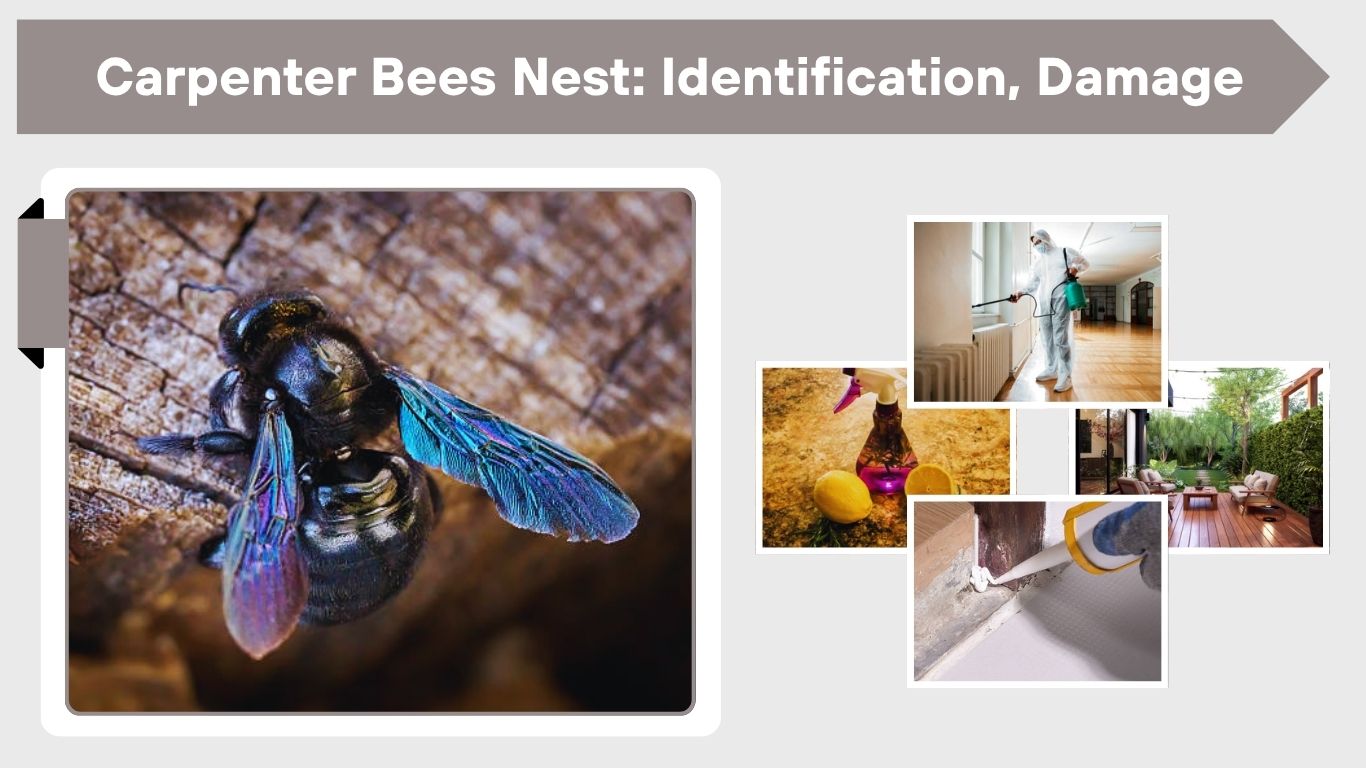
Carpenter bees are large, solitary bees known for their ability to drill into wood and create nests. Unlike honeybees, they don’t build hives; instead, they burrow into wooden surfaces to lay their eggs. A carpenter bees nest is typically hidden inside wood structures like decks, fences, or house siding.
Understanding these nests is important for homeowners because carpenter bees can cause gradual structural damage over time. While they are also beneficial pollinators, their nesting habits often bring them into conflict with people. Knowing how to identify and manage their nests helps maintain a balance between protection and preservation.
What Is a Carpenter Bees Nest?
A carpenter bees nest is a system of tunnels carved into wood by female carpenter bees. These bees do not create visible wax hives like honeybees. Instead, they bore into wood and form internal galleries where they lay eggs and store food for their larvae.
These nests are often hidden beneath the surface, making them harder to detect until visible signs appear. Over time, a single nest can expand into a complex network of tunnels, especially if reused year after year.
How Carpenter Bees Differ from Other Bees
Carpenter bees are often confused with bumblebees, but there are clear differences. Carpenter bees have shiny, hairless abdomens, while bumblebees are fuzzy. Unlike honeybees that live in colonies, carpenter bees are solitary and do not form large groups.
Another key difference is their nesting style. Honeybees build wax hives, and wasps create paper nests, but carpenter bees rely entirely on wood as their nesting material. This unique behavior is what makes them a concern for wooden structures.
How Carpenter Bees Build Their Nests

The nesting process begins when a female carpenter bee selects a suitable piece of wood, usually softwood that is untreated or weathered. She uses her strong jaws to drill a perfectly round hole into the surface. This entrance hole is typically about the size of a finger.
Once inside, she creates tunnels that run parallel to the wood grain. These tunnels serve as chambers where she deposits her eggs. Each chamber is sealed with a mixture of pollen and nectar, which provides food for the developing larvae.
Nest Construction Process (Step-by-Step)
- Step 1: Choosing the location – The bee selects exposed, untreated wood.
- Step 2: Drilling the entrance hole – A clean, round hole is created.
- Step 3: Creating tunnels – Internal galleries extend several inches inside.
- Step 4: Laying eggs – Eggs are placed in separate chambers with food supplies.
This process may repeat multiple times, leading to larger and more complex nests over time.
Signs of a Carpenter Bees Nest
Identifying a carpenter bees nest early can help prevent serious damage. One of the most obvious signs is the presence of small, perfectly round holes in wooden surfaces. These holes are usually smooth and uniform, unlike damage caused by other pests.
Another common indicator is sawdust-like material, known as frass, found below the holes. This is created as the bees drill into the wood. You may also notice yellowish stains near the openings, which are caused by bee waste.
How to Confirm an Active Nest
To determine if a nest is active, watch for bees entering and exiting the holes. Active nests often produce fresh sawdust and increased bee activity during warmer months, especially in spring and early summer.
Buzzing sounds near wooden surfaces can also indicate activity inside the tunnels. If these signs are present, it’s likely that the nest is currently in use.
Common Places Carpenter Bees Nest

Carpenter bees prefer wooden structures that are exposed to the elements. They are especially attracted to softwoods like pine, cedar, and redwood. Common nesting locations include wooden decks, roof eaves, fences, and outdoor furniture.
They also tend to target areas that are unpainted or weathered, as these surfaces are easier to drill into. Homes with untreated wood are more vulnerable to infestation. Regular inspection of these areas can help detect nests early and reduce potential damage.
Are Carpenter Bees Dangerous?

Carpenter bees are generally not aggressive, but their presence can still be concerning. Male carpenter bees often hover near nests and may appear threatening, but they do not have stingers. Female bees can sting, but they rarely do unless provoked.
The real concern lies in the damage they cause to wood. While a single nest may not be a major issue, repeated nesting over time can weaken wooden structures. As tunnels expand and multiply, they can compromise the integrity of decks, fences, and even parts of a home.
Damage Caused by Carpenter Bees
Carpenter bees can cause long-term structural problems if left unchecked. Their habit of reusing old tunnels means that nests grow larger each year. This repeated activity can weaken wood and make it more susceptible to moisture and decay.
In addition, abandoned tunnels may attract other pests, such as wood-boring beetles, further increasing the risk of damage.
How to Get Rid of a Carpenter Bees Nest

Removing a carpenter bees nest requires a careful approach to ensure effectiveness while minimizing risk. The best time to treat nests is during the evening or at night when the bees are less active and more likely to be inside the tunnels.
There are several methods available, ranging from natural solutions to chemical treatments. The right choice depends on the severity of the infestation and your preference for eco-friendly options.
Natural Methods
Natural remedies can help deter carpenter bees without harming the environment. Citrus-based sprays are commonly used, as carpenter bees dislike the scent. Essential oils like almond oil or tea tree oil may also act as repellents when applied to wooden surfaces.
While these methods may not eliminate an existing nest completely, they can reduce activity and discourage further nesting.
Chemical Treatments
For more serious infestations, insecticide dust or sprays can be effective. These products are applied directly into the entrance holes, targeting bees inside the tunnels. Dust formulations are particularly useful because they penetrate deeper into the nest.
After treatment, it’s important to wait a few days before sealing the holes. This ensures that all bees have been eliminated and prevents them from becoming trapped inside unfinished tunnels.
Physical Solutions
Once the nest is inactive, sealing the holes is a crucial step. Wood filler, caulk, or dowels can be used to block the entrances and prevent reuse. Installing carpenter bee traps around the affected area can also help capture remaining bees and reduce future activity.
How to Prevent Carpenter Bees from Nesting
Prevention is the most effective way to deal with carpenter bees in the long term. Since these bees prefer untreated or weathered wood, protecting wooden surfaces is key.
Painting or sealing wood creates a barrier that makes it difficult for bees to drill. Painted surfaces are far less attractive compared to raw wood. Using hardwood instead of softwood can also reduce the likelihood of infestation.
Best Preventive Practices
Regular maintenance plays a major role in prevention. Inspect wooden structures annually for signs of damage or early nesting activity. Filling old holes and repairing damaged wood can stop bees from returning to the same location.
You can also install deterrents such as reflective materials or noise-making devices, which may discourage bees from settling in certain areas. Keeping outdoor wood in good condition significantly lowers the risk of infestation.
When to Call a Professional

In some cases, professional pest control services are the best option. If the infestation is large, difficult to access, or causing visible structural damage, expert help can ensure safe and thorough removal.
Professionals have specialized tools and treatments that are more effective for severe cases. They can also assess the extent of the damage and recommend repairs if needed.
Environmental Importance of Carpenter Bees
Despite the problems they can cause, carpenter bees play an important role in the ecosystem. They are excellent pollinators and contribute to the growth of many plants and crops.
Because of their ecological value, it’s often best to manage carpenter bees rather than eliminate them entirely. Using preventive measures and targeted treatments allows you to protect your home while still supporting the environment.
Conclusion
Carpenter bees nests are a common issue for homeowners with wooden structures. While these bees are beneficial pollinators, their nesting habits can lead to long-term damage if left unmanaged.
By learning how to identify nests, recognize the signs of activity, and apply effective removal and prevention methods, you can protect your property while maintaining ecological balance. Early action and regular maintenance are key to keeping carpenter bees under control.
FAQs
How long do carpenter bees stay in their nest?
Carpenter bees typically stay in their nests for several weeks to months, depending on the season. Female bees lay eggs in spring, and new adults emerge later in summer. Some may overwinter inside the tunnels, returning to the same nest the following year.
What attracts carpenter bees to wood?
Carpenter bees are attracted to untreated, soft, and weathered wood. Surfaces like pine, cedar, and redwood are especially appealing. They prefer dry, unpainted wood because it is easier to drill into, making it ideal for creating tunnels and nesting chambers.
Can carpenter bees infest painted wood?
While carpenter bees prefer untreated wood, they can occasionally infest painted or sealed surfaces if the coating is thin or damaged. However, properly painted or sealed wood significantly reduces the chances of nesting and is one of the best preventive measures.
Do carpenter bees come back every year?
Yes, carpenter bees often return to the same nesting sites each year. They may reuse old tunnels or expand them, making infestations worse over time. This is why sealing old holes and maintaining wood surfaces is essential for long-term control.
What time of year are carpenter bees most active?
Carpenter bees are most active during spring and early summer when they begin nesting and laying eggs. Activity may continue into late summer as new bees emerge. Early detection during this period is key to preventing long-term damage.