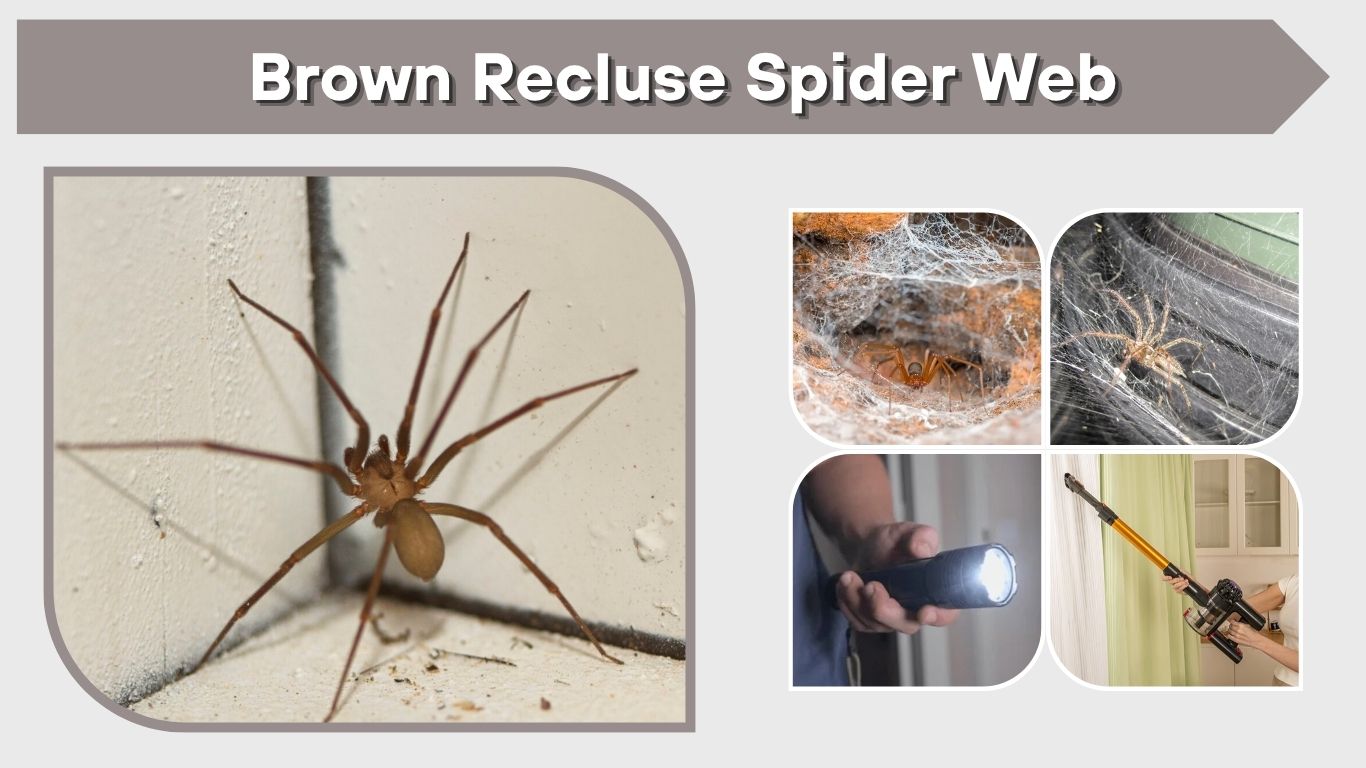
A brown recluse spider web can be difficult to identify because it does not look like the neat circular webs many people expect. Instead, brown recluse webs are usually loose, irregular, off-white, and hidden in quiet places. If you find a strange web in a basement, closet, garage, box, or storage area, learning its appearance can help you inspect safely and avoid direct contact.
What Is a Brown Recluse Spider Web?
A brown recluse spider web is a small, messy silk structure made by the brown recluse spider. Unlike orb-weaver spiders that build large round webs to catch flying insects, brown recluses use their webs mostly as retreats.
These spiders are hunters, not classic web trappers. They may leave their hiding place at night to search for prey. Their web is more like a shelter, resting place, egg sac area, or hidden retreat than a large food-catching trap.
Why Brown Recluse Webs Look Different
Brown recluse webs look different because the spider does not need a big open web. It prefers dark, undisturbed spaces where it can hide during the day. The web is often tucked into a corner, crack, cardboard box, storage bin, wall gap, or behind furniture.
The web may look flat, loose, dusty, or sheet-like. It usually does not have a clear design, spiral, or symmetrical structure.
Can You Identify a Brown Recluse by Web Alone?
No, you should not identify a brown recluse by the web alone. Many spiders make messy, irregular webs. A web can suggest the possibility of a brown recluse, but it cannot confirm the spider species.
Accurate identification requires seeing the spider, considering your location, and checking physical traits. The brown recluse is often misidentified, so caution is important.
What Does a Brown Recluse Spider Web Look Like?
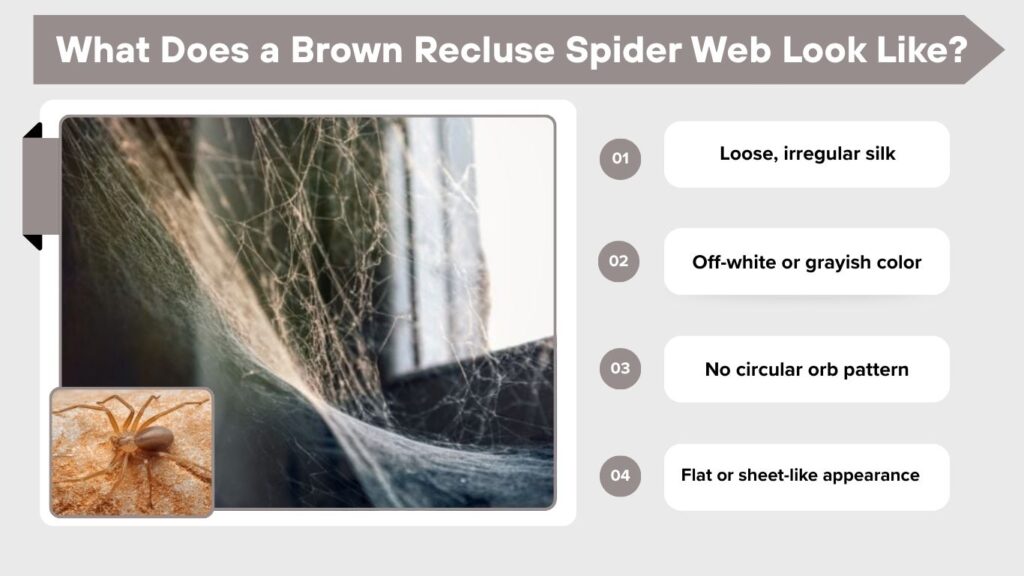
A brown recluse spider web usually looks irregular, loose, and somewhat messy. It may appear as a thin layer of silk in a protected corner. The color is often off-white, grayish, or dusty, especially if it has been in place for a while.
It is usually smaller and less obvious than a black widow web or common cobweb. Many people do not notice it until they move boxes, shoes, clothing, or stored items.
Key Web Appearance Signs
A possible brown recluse spider web may have:
- Loose, irregular silk
- Off-white or grayish color
- No circular orb pattern
- Hidden placement
- Small or moderate size
- Flat or sheet-like appearance
- Dust collected on old silk
- Location in dry, quiet spaces
The most important clue is location. Brown recluse spiders like secluded areas where they are rarely disturbed.
Brown Recluse Spider Web Pattern
The brown recluse spider web pattern is not neat or organized. It does not form a wheel shape, funnel spiral, or decorative pattern. Instead, it is usually random and uneven.
The web may be attached between objects, along a wall edge, inside a box, behind a board, or under furniture. It often looks unfinished compared with more structured spider webs.
Brown Recluse Spider Web Funnel: Is It Funnel-Shaped?
Many people search for “brown recluse spider web funnel,” but this can be confusing. Brown recluse spiders do not usually make the classic funnel-shaped webs associated with funnel weavers or grass spiders.
A brown recluse web may be hidden in a crack or corner, which can make it seem like it leads into a small retreat. However, it is not the same as a true funnel web.
Brown Recluse Web vs Funnel Web
Funnel-web-like structures are usually made by other spiders. Grass spiders, for example, build sheet webs with a visible funnel retreat where they hide. Brown recluse webs are usually less structured and more irregular.
If the web has a clear flat sheet with a tunnel opening, it may not be from a brown recluse. It may belong to a funnel weaver or another house spider.
Why People Confuse Them
People confuse brown recluse webs with funnel webs because both can appear in hidden places. Also, many spider webs in corners look like they lead into a hole or retreat.
The best way to avoid confusion is to remember this: brown recluse webs are usually messy retreat webs, not organized funnel traps.
Brown Recluse Spider Web Size
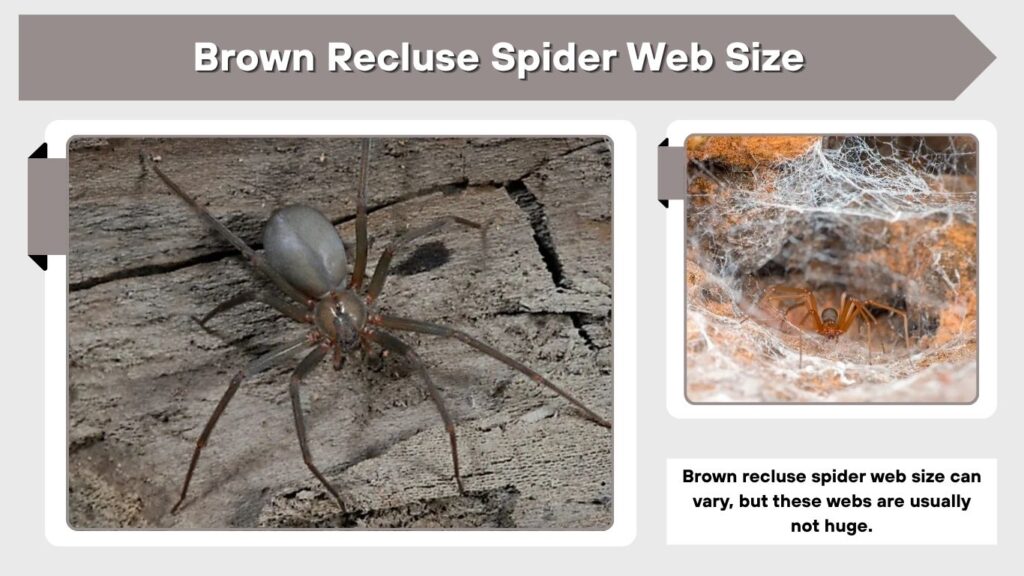
Brown recluse spider web size can vary, but these webs are usually not huge. They are often small to moderate, depending on how long the spider has used the area and whether egg sacs are present.
A web may be only a few inches across or spread more loosely through a corner. In storage areas, silk may stretch between items, making the web seem larger than it really is.
What Affects Web Size?
Several factors can affect web size:
- Age of the web
- Size of the spider
- Amount of available hiding space
- Whether the spider is nesting
- Presence of egg sacs
- How often the area is disturbed
- Amount of dust and debris
Old webs may look larger or thicker because they collect dust and loose debris over time.
Does a Large Web Mean Brown Recluse?
Not always. A large messy web is more likely to belong to another cobweb spider, cellar spider, or house spider. Brown recluse webs are often hidden and less dramatic.
If you find a large, obvious web in an open area, it may not be a brown recluse web. Brown recluses prefer places where they can stay out of sight.
Brown Recluse Spider Web Pictures and Photos
Searches for brown recluse spider web pictures, photos, and images are common because people want to compare what they found at home. Photos can help, but they can also mislead.
Lighting, dust, camera angle, and web age can make many spider webs look similar. A picture of a brown recluse spider web may show a loose, irregular silk patch, but many non-recluse webs can look similar.
What to Look for in Web Photos
When comparing photos, focus on:
- Loose, irregular silk
- Off-white or dusty color
- Hidden location
- Lack of circular pattern
- Dry, undisturbed setting
- Possible spider hiding nearby
- Egg sacs or shed skins nearby
Do not rely only on photo matching. Many spiders create irregular silk retreats.
Why “Show Me a Brown Recluse Spider Web” Searches Can Be Tricky
A search result may show many different web examples. Some may be accurate, while others may show webs from different spiders. This can cause confusion for homeowners trying to make a quick decision.
If you are worried about a web in your home, take a clear photo of both the web and the spider if possible. Do not touch the spider or web with bare hands.
Where Brown Recluse Webs Are Found
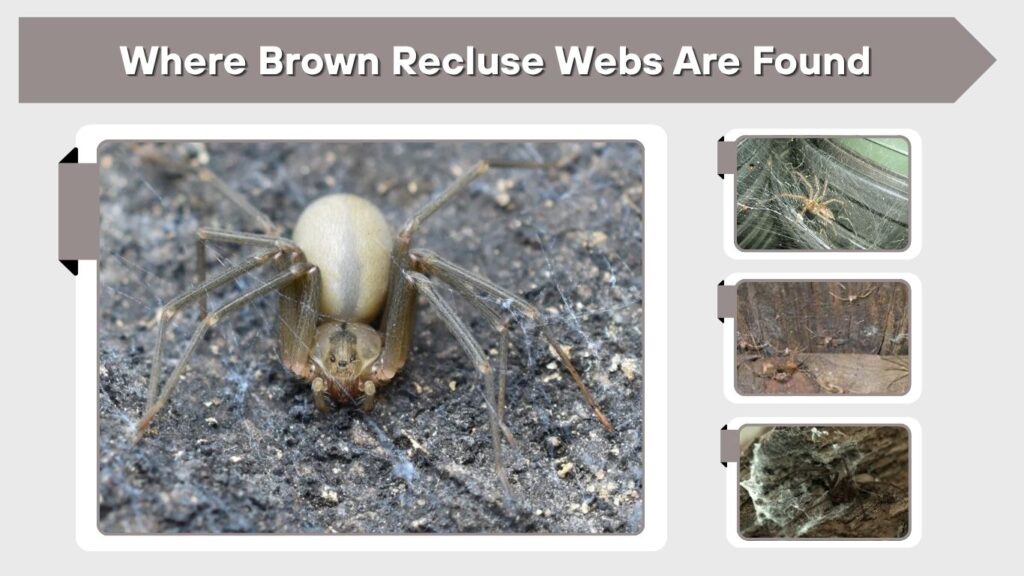
Brown recluse spiders prefer quiet, dry, dark, and undisturbed areas. Their name “recluse” reflects their habit of hiding. They are more likely to be found in storage spaces than in busy living areas.
They may live indoors or in sheltered outdoor spaces, depending on the region and conditions.
Common Indoor Locations
Brown recluse webs may appear in:
- Basements
- Closets
- Attics
- Garages
- Storage rooms
- Cardboard boxes
- Shoe piles
- Behind furniture
- Under beds
- Wall gaps
- Utility rooms
- Unused clothing
- Stored towels or linens
Bites often happen when a spider is trapped against skin in clothing, bedding, shoes, or stored items.
Common Outdoor Locations
Outdoor hiding places may include:
- Woodpiles
- Sheds
- Barns
- Debris piles
- Under rocks
- Under boards
- Outdoor storage boxes
- Leaf litter
- Crawl spaces
- Utility areas
When working in these places, wear gloves and avoid reaching blindly into dark spaces.
Brown Recluse Spider Web Identification
Brown recluse spider web identification works best when you combine several clues. The web itself is only one part of the picture. You should also look at the spider’s body, behavior, and location.
A brown recluse spider is usually tan to brown with long legs and a darker violin-shaped marking on the top front part of the body. However, the violin mark is not always easy to see, and other spiders may have similar markings.
Web Clues vs Spider Clues
| Feature | Brown Recluse Web | Brown Recluse Spider |
|---|---|---|
| Web shape | Loose and irregular | Tan to brown body |
| Pattern | No orb or neat design | Often has violin-like marking |
| Location | Hidden, dry, undisturbed places | Reclusive, avoids open areas |
| Web purpose | Retreat, shelter, egg sac area | Hunts prey at night |
| Identification value | Helpful but not enough alone | More reliable with expert confirmation |
Brown Recluse Spider Web Appearance Compared to Other Webs
A brown recluse web may look like a messy sheet or loose silk patch. A black widow web is also messy but often stronger, more tangled, and located in protected low areas. A cellar spider web may be loose and messy but is often found in ceilings, corners, and damp areas.
Funnel weaver webs are more structured and usually include a clear funnel-shaped retreat.
Brown Recluse Spider Web in the House
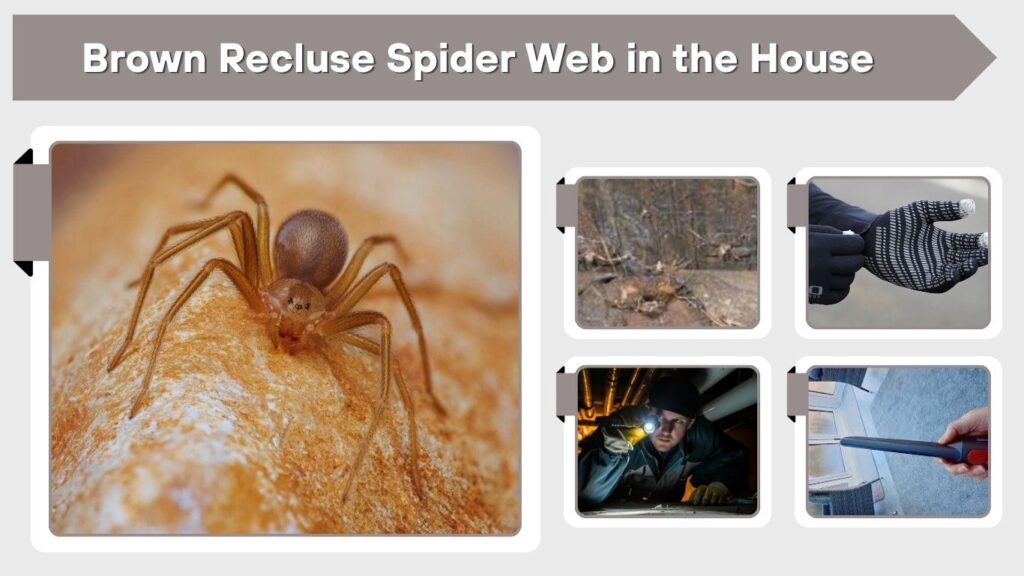
Finding a possible brown recluse spider web in the house can be concerning, especially if you live in an area where brown recluses are common. The first step is not panic. The better response is careful inspection and safe cleanup.
Do not put your hands into webs, boxes, shoes, or dark corners without looking first.
How to Inspect Safely
Use safe inspection habits:
- Wear gloves and long sleeves.
- Use a flashlight.
- Move stored items slowly.
- Avoid reaching into boxes blindly.
- Shake out shoes and clothing.
- Use a vacuum for webs and debris.
- Keep children and pets away during cleanup.
- Take photos if you need identification help.
If you see multiple suspected brown recluse spiders, consider contacting a pest control professional.
What to Do If You Find Egg Sacs
Brown recluse egg sacs may be hidden in web retreats. They can look like small off-white silk sacs. Do not handle them with bare hands.
Vacuuming, sealing debris, and removing clutter can help reduce spider activity. If egg sacs are common, professional inspection may be needed.
Are Brown Recluse Webs Dangerous?
The web itself is not dangerous, but it may indicate a spider is nearby. The main risk comes from accidentally touching, trapping, or disturbing the spider.
Brown recluses are not aggressive. Most bites happen when the spider is pressed against skin, such as inside clothing, shoes, bedding, or stored items.
Bite Safety Note
A brown recluse bite can sometimes cause serious skin injury, but many suspected bites are caused by other conditions or other insects. If you think you were bitten and symptoms worsen, seek medical advice.
Watch for increasing pain, spreading redness, blistering, darkening skin, fever, nausea, or signs of infection.
How to Remove Brown Recluse Spider Webs
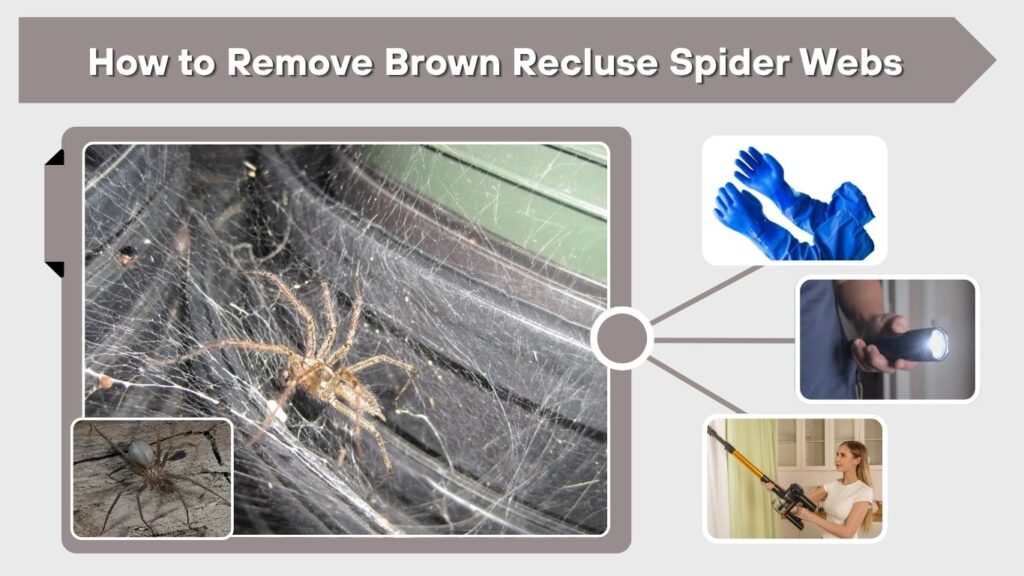
Removing webs can help reduce hiding places and spider activity. However, cleanup should be done carefully, especially in areas where brown recluses are known to live.
Use a vacuum with a hose attachment when possible. This keeps your hands away from the web and hidden spider.
Safe Web Removal Steps
To remove a suspected brown recluse web:
- Wear gloves, long sleeves, and closed shoes.
- Use a flashlight to inspect first.
- Vacuum the web, spider, and egg sacs if present.
- Seal and discard the vacuum contents if needed.
- Remove clutter around the area.
- Store items in sealed plastic containers.
- Keep beds and clothing away from walls and floors.
- Monitor the area for new webs.
Avoid crushing spiders with bare hands or handling webs directly.
When to Call Pest Control
Call a pest control professional if you find repeated webs, multiple spiders, egg sacs, or suspected brown recluses in living spaces. Professional help is also wise if you have children, pets, or people with health concerns in the home.
A professional can confirm the spider and recommend targeted control instead of unnecessary spraying.
How to Prevent Brown Recluse Webs
Prevention focuses on reducing hiding places, sealing entry points, and making storage areas less attractive. Brown recluses prefer clutter, so organization is one of the best control steps.
Prevention Tips
To reduce brown recluse webs:
- Store clothing in sealed containers.
- Keep shoes off the floor.
- Shake out shoes before wearing.
- Reduce cardboard storage.
- Use plastic bins with tight lids.
- Vacuum corners and storage spaces.
- Seal cracks and gaps.
- Move beds away from walls.
- Keep bed skirts off the floor.
- Wear gloves when moving stored items.
- Remove clutter from garages and basements.
Regular cleaning makes it harder for spiders to hide and build retreats.
FAQs
What does a brown recluse spider web look like?
A brown recluse spider web usually looks loose, irregular, off-white, and messy. It is not a neat circular web. It is often hidden in dry, dark, undisturbed places such as boxes, closets, basements, garages, attics, or behind furniture.
Is a brown recluse spider web funnel-shaped?
A brown recluse web is usually not a true funnel-shaped web. It may appear tucked into a crack or corner, but it lacks the organized funnel structure made by funnel weaver spiders. Brown recluse webs are more like irregular retreat webs.
How big is a brown recluse spider web?
A brown recluse spider web is usually small to moderate in size. It may be only a few inches across or spread loosely in a hidden corner. Large, obvious webs in open spaces are often made by other spiders.
Can you identify a brown recluse by its web?
You cannot identify a brown recluse by web alone. Many spiders make messy, irregular webs. Identification should also consider the spider’s appearance, location, behavior, and regional range. A clear photo or professional identification is best.
What should I do if I find a brown recluse web?
Do not touch it with bare hands. Wear gloves, use a flashlight, and remove the web with a vacuum or long-handled tool. Check for spiders and egg sacs. If you find repeated webs or suspected brown recluses, contact a pest control professional.