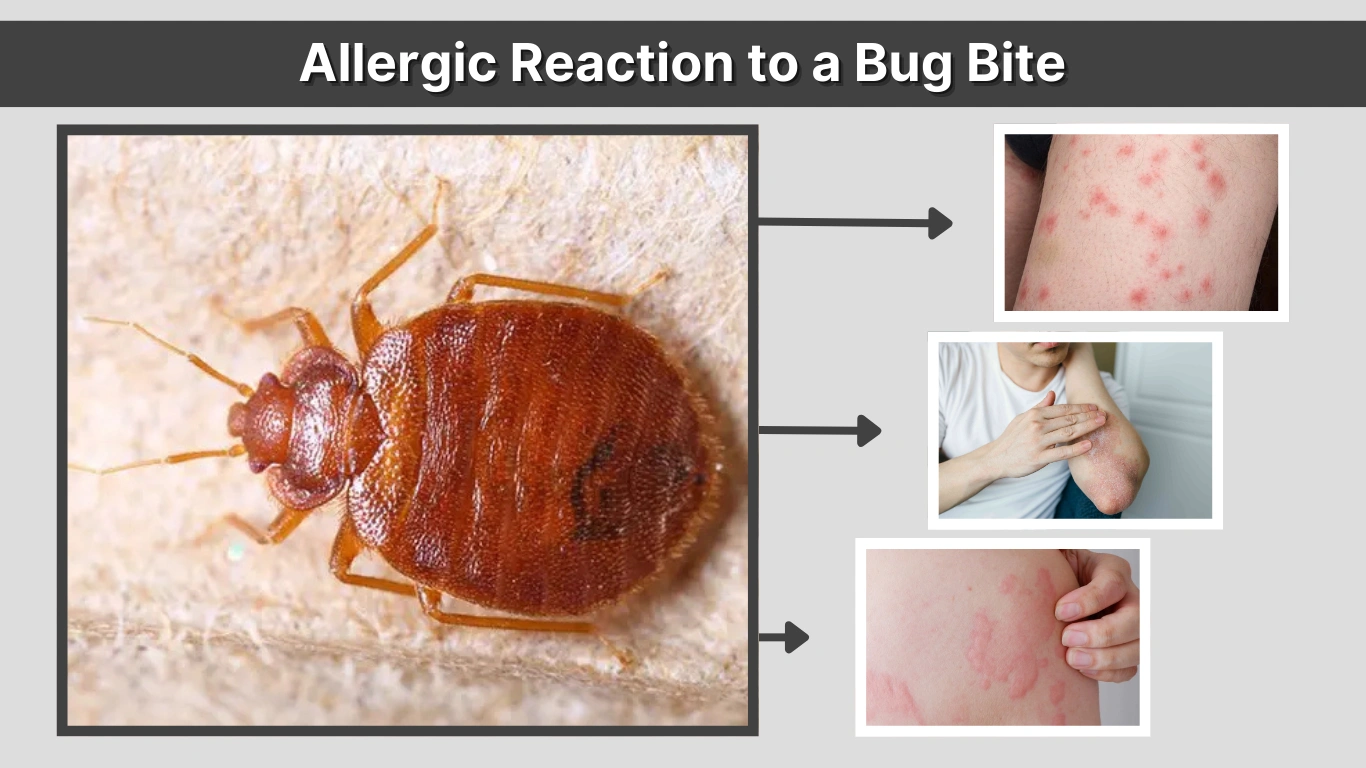
Bug bites are usually nothing more than a mild irritation, leaving behind small red marks and itching that fades in a day or two. For some people, however, these bites can trigger allergic reactions that are more intense and sometimes even dangerous. Understanding the difference between a normal reaction and an allergy is essential, especially if symptoms go beyond simple discomfort.
What Causes an Allergic Reaction to Bug Bites?
When a bug bites or stings, it injects saliva or venom into the skin. The immune system detects these substances as invaders and responds by releasing histamines. This reaction causes redness, itching, and swelling.
For most people, this immune response is mild. But in allergic individuals, the body overreacts, releasing large amounts of histamines and triggering widespread or severe symptoms. Genetics, previous exposure, and overall immune sensitivity all influence how strongly a person reacts.
What Does an Allergic Reaction Look Like?

Recognizing the signs of an allergic reaction helps determine when simple home care is enough and when medical attention is necessary.
Common Symptoms
- Redness and warmth around the bite
- Mild swelling confined to the bite area
- Persistent itching
Moderate Symptoms
Some people experience a larger reaction, where swelling extends well beyond the bite site. For instance, a mosquito bite on the ankle may cause swelling up the entire leg. Rashes, hives, or clusters of welts are also signs of a stronger allergic response.
Severe Symptoms (Anaphylaxis)
In rare but serious cases, allergic reactions escalate into anaphylaxis. This condition requires immediate emergency care. Warning signs include difficulty breathing, swelling of the lips or throat, dizziness, and fainting.
Common Bug Bites That Trigger Allergic Reactions

Not all insects cause the same level of reaction. Some are more likely to trigger allergies because of their saliva or venom.
Mosquitoes
Mosquito bites usually lead to itchy bumps, but in sensitive individuals they may cause large welts or “skeeter syndrome,” where hives appear across the body.
Bees and Wasps
Bee and wasp stings inject venom directly into the skin, leading to sharp pain followed by swelling. Allergic individuals may develop widespread hives or difficulty breathing even after a single sting.
Fire Ants
Fire ants both bite and sting, injecting venom that produces clusters of red, swollen blisters. Reactions often feel painful and can escalate quickly.
Horseflies and Deer Flies
These large biting flies slice into the skin, leaving painful wounds. Allergic reactions often include pronounced swelling and a hot, inflamed bite site.
Bedbugs and Fleas
Though less severe, repeated bites from bedbugs or fleas may cause allergic rashes or intense itching, especially in people with sensitive skin.
Symptoms of an Allergic Reaction to Bug Bites

The severity of allergic reactions ranges widely.
Mild symptoms often include redness, itching, and a warm sensation at the bite site. Moderate reactions may cause hives, larger swelling, or rashes that spread beyond the original bite. Severe reactions, such as anaphylaxis, involve systemic symptoms that affect breathing, circulation, and overall health.
The duration of symptoms also varies. A mild reaction may resolve in 1–2 days, while moderate swelling can last for a week. Severe reactions require immediate medical attention and may need ongoing treatment.
First Aid for Allergic Reactions

Quick response is the best way to reduce discomfort and prevent complications.
Immediate steps include:
- Washing the area with soap and water to clear away saliva or venom.
- Applying a cold compress for 10–15 minutes to reduce swelling.
- Taking an over-the-counter antihistamine to block histamine activity.
- Using a topical cream such as hydrocortisone or calamine lotion for itching.
If symptoms escalate — such as swelling spreading rapidly or breathing becoming difficult — emergency care is essential. In these cases, epinephrine may be required to counteract the reaction.
Medical Treatments for Allergic Reactions
When an allergic reaction goes beyond mild irritation, professional medical treatment may be necessary. Doctors usually start with oral antihistamines to reduce swelling and itching. If the reaction is stronger, corticosteroids may be prescribed to calm the immune response.
For severe cases, an epinephrine auto-injector (such as an EpiPen) is the first line of defense. Epinephrine works quickly to open airways and stabilize blood pressure during anaphylaxis. Infections caused by scratching may also require antibiotics to prevent complications.
Long-term allergy management may include carrying an epinephrine injector, keeping antihistamines on hand, or undergoing allergy testing to identify specific triggers.
Home and Natural Remedies for Mild Allergic Reactions

Mild allergic reactions can often be managed at home, especially if symptoms remain localized. Natural remedies may not replace medical care, but they can provide soothing relief:
- Aloe vera gel cools inflamed skin and reduces redness.
- Honey acts as a natural antibacterial while calming irritation.
- Baking soda paste helps neutralize itching.
- Oatmeal compresses or baths soothe widespread allergic reactions.
- Essential oils like lavender or tea tree oil (always diluted) offer mild antiseptic and anti-inflammatory effects.
These remedies are particularly useful for children or individuals who prefer natural alternatives to medication.
Insect Bite Swelling: What’s Normal and What’s Not?
Swelling is one of the most common symptoms of allergic reactions, but its intensity varies.
- Mild swelling: Typically confined to the bite area, resolving in a day or two.
- Large local swelling: Extends beyond the bite site and may last for several days. This can be uncomfortable but is rarely dangerous.
- Abnormal swelling: Rapidly spreading swelling or swelling near the eyes, lips, or throat requires immediate medical care.
Recognizing what is normal helps avoid unnecessary worry, while spotting abnormal swelling ensures timely treatment.
Prevention: How to Avoid Bug Bite Allergic Reactions
Preventing bites in the first place is the best defense against allergic reactions.
Everyday Precautions
Wearing long sleeves, trousers, and socks reduces skin exposure. Using insect repellents containing DEET or picaridin is effective, while natural options like eucalyptus or citronella oils provide lighter protection. Keeping indoor spaces clean and using window screens helps avoid indoor bites from mosquitoes, fleas, or bedbugs.
For People with Known Allergies
Anyone with a history of serious allergic reactions should carry an epinephrine injector at all times. Wearing a medical alert bracelet can also ensure quick recognition in emergencies. It’s also wise to inform family, friends, and coworkers about your allergy so they know how to respond in case of anaphylaxis.
Complications of Untreated Reactions
Leaving an allergic reaction untreated can result in long-term problems. Scratching increases the risk of bacterial infection, sometimes leading to pus-filled sores that need antibiotics. Severe swelling can cause discomfort that lasts for days and may leave scars or patches of skin discoloration.
Repeated exposure to insect bites may also make allergic reactions worse over time, meaning someone with mild reactions today could face more severe responses in the future. The most dangerous complication is anaphylaxis, which, if untreated, can be fatal.
FAQs
What does an allergic reaction to a bug bite look like?
It may start with redness, swelling, and itching, but can also involve hives, rashes, or swelling of the lips and eyes.
How long does bug bite swelling last?
Mild swelling usually fades in 1–2 days, while larger reactions can last up to a week. Severe swelling needs medical treatment.
What is the best antihistamine for insect bites?
Over-the-counter options like cetirizine or diphenhydramine are commonly recommended to reduce itching and swelling.
Can bug bites cause anaphylaxis?
Yes. Though rare, some bites and stings can cause life-threatening allergic reactions requiring epinephrine and emergency care.
How can I prevent allergic reactions to bug bites?
Wearing protective clothing, using repellents, and avoiding insect-prone areas are effective. People with allergies should carry epinephrine for emergencies.