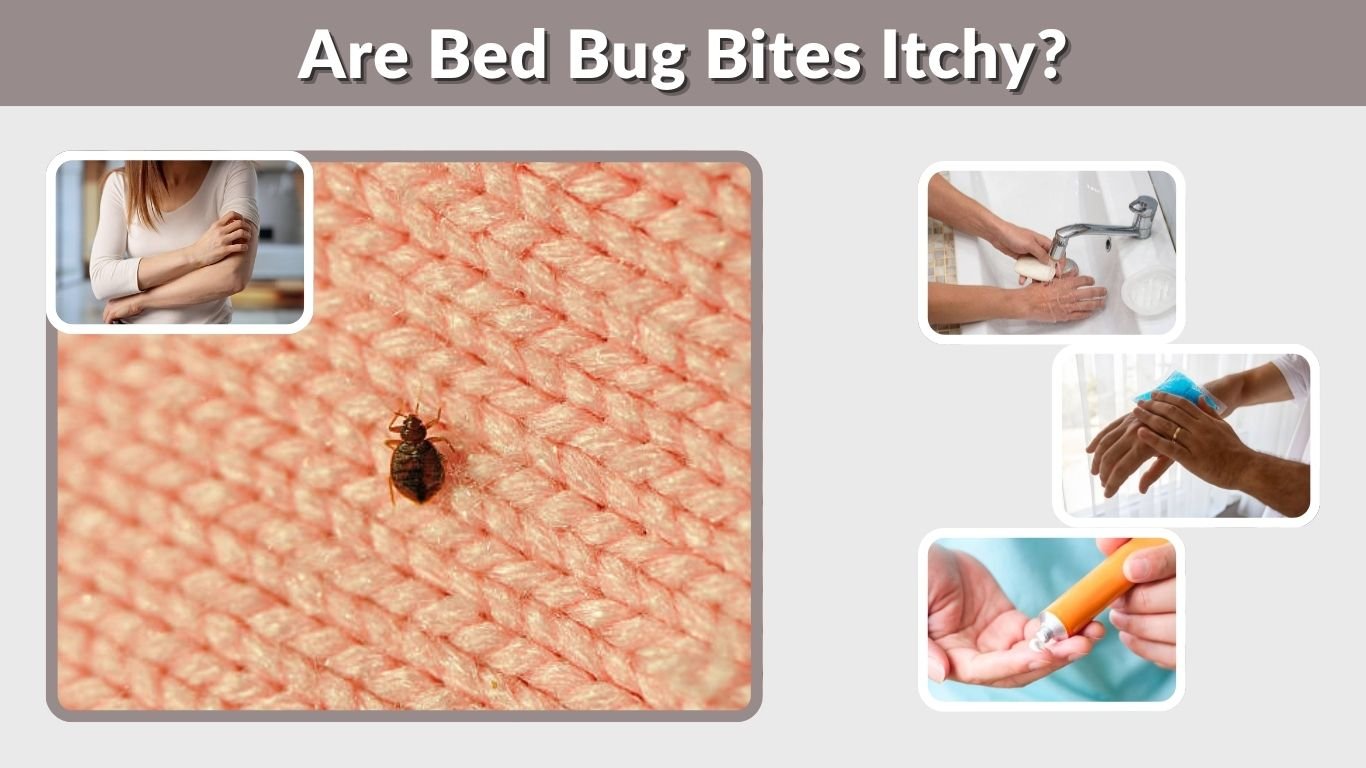
Are bed bug bites itchy? Yes, bed bug bites are often itchy and can cause uncomfortable skin irritation, redness, and swelling. However, not everyone experiences the same reaction. Some people develop intense itching, while others barely notice a bite. The itching may begin hours or even days after exposure. Understanding why bed bug bites itch, how long the symptoms last, and what helps relieve discomfort can make these irritating bites easier to manage.
Are Bed Bug Bites Always Itchy?
Bed bug bites are usually itchy, but itching is not guaranteed. The reaction depends on how sensitive someone’s skin and immune system are to substances in bed bug saliva. Some people develop noticeable welts, while others experience little irritation or have no visible reaction. This variation can make identifying an infestation difficult.
Can Bed Bug Bites Be Not Itchy?
Yes, bed bug bites can appear without itching. Some people develop small bumps that cause no discomfort, while others show no visible marks at all.
People experiencing bed bug bites for the first time may have a delayed reaction. Their immune systems may take several days to respond. Even individuals sleeping in the same bed can experience completely different symptoms.
Therefore, the absence of itching does not necessarily mean bed bugs are absent.
How Itchy Are Bed Bug Bites?
The intensity of itching varies from mild irritation to severe discomfort. Some people experience occasional itching, while others develop persistent irritation that interferes with sleep.
Common symptoms include:
- Raised, itchy bumps or welts
- Red, pink, purple, or darker patches
- Mild swelling around bite marks
- Burning or uncomfortable skin sensations
- Clusters of bites on exposed body areas
Repeated scratching may worsen inflammation and increase the risk of infection.
Why Are Bed Bug Bites So Itchy?
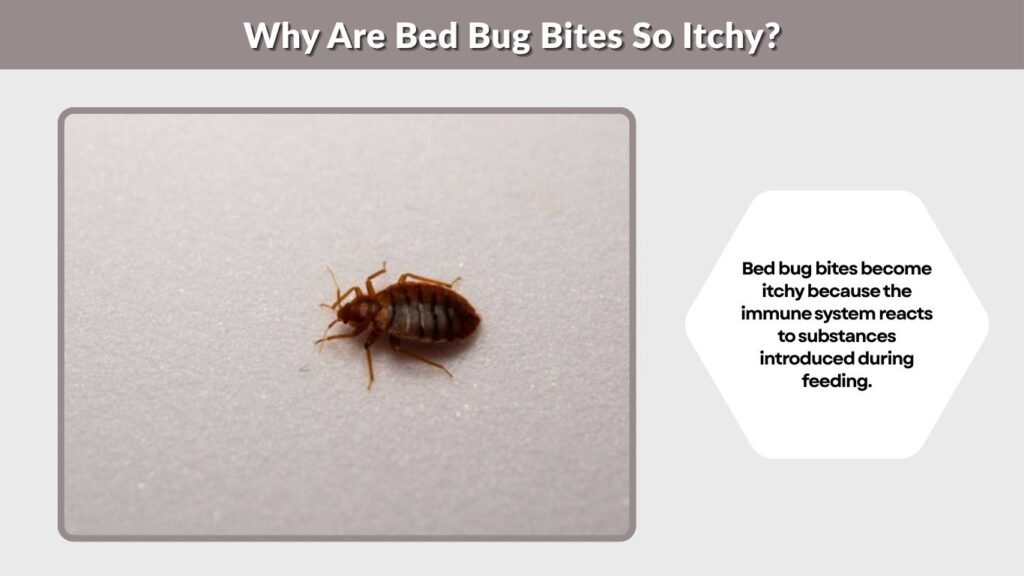
Bed bug bites become itchy because the immune system reacts to substances introduced during feeding. Bed bugs inject saliva containing compounds that help them feed without being noticed. When the body recognizes these substances, it produces an inflammatory response that can trigger itching, swelling, and skin irritation.
How Bed Bug Saliva Causes Itching
When a bed bug bites, it uses specialized mouthparts to pierce the skin and feed on blood. Its saliva contains substances that help prevent blood clotting.
The immune system may react by releasing histamine and other inflammatory chemicals. These chemicals contribute to itching, redness, and swelling around the bite.
People who are particularly sensitive may develop larger welts or more intense itching. Repeated exposure can also change how strongly someone reacts.
Are Bed Bug Bites Immediately Itchy?
Bed bug bites are not always itchy right away. Most people do not feel the actual bite because bed bugs introduce substances that reduce immediate discomfort.
Some people notice itching within hours, while others develop symptoms several days later. In certain cases, visible reactions may take up to two weeks to appear.
This delayed response makes it challenging to determine exactly when or where someone was bitten.
How Long Are Bed Bug Bites Itchy?
Bed bug bites generally improve within several days, although itching and visible marks can persist for one to two weeks. The duration depends on the severity of the reaction, skin sensitivity, and whether the affected areas become irritated through scratching. Continued exposure can also result in additional itchy bites.
How Long Does the Itching Usually Last?
Mild bed bug bites may become less itchy within a few days. More noticeable reactions can persist longer, sometimes approaching two weeks.
Several factors influence recovery, including individual immune responses, the number of bites, and skin irritation.
If itching becomes increasingly severe, spreads, or continues beyond the expected healing period, medical evaluation may be necessary.
Are Bed Bug Bites Constantly Itchy?
Bed bug bites are not necessarily itchy all the time. Some people experience intermittent itching, while others notice irritation throughout the day.
Itching may become more noticeable at night when there are fewer distractions. Heat, friction from clothing, and scratching can also aggravate irritated skin.
Persistent itching does not necessarily indicate that bed bugs are still feeding. However, the appearance of new bites may suggest continued exposure.
Bed Bug Bites vs. Mosquito Bites: Which Is Itchier?
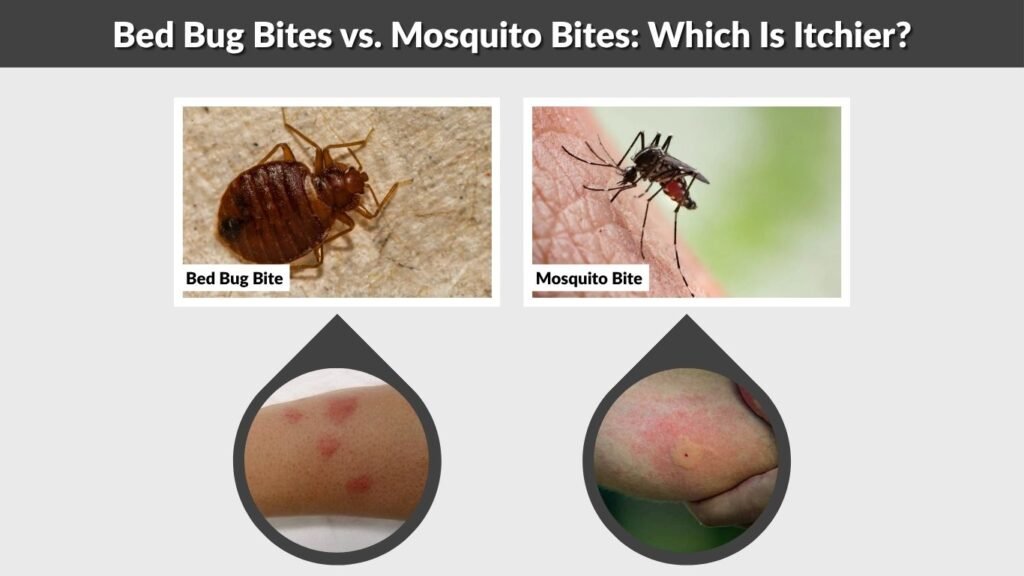
Bed bug bites and mosquito bites can produce similar skin reactions, making them difficult to distinguish by appearance alone. Both may cause itchy, raised bumps and local swelling. However, their feeding behavior, bite patterns, and the timing of symptoms can provide clues about which insect might be responsible.
Differences Between Bed Bug and Mosquito Bites
| Feature | Bed Bug Bites | Mosquito Bites |
| Itching | Mild to intense | Mild to intense |
| Bite appearance | Often clustered or grouped | Often individual bumps |
| Reaction timing | Hours to days, sometimes longer | Usually within minutes or hours |
| Common locations | Exposed skin during sleep | Any accessible skin |
| Healing | Often 1–2 weeks | Usually several days |
Neither type is consistently itchier than the other. Individual sensitivity determines how uncomfortable the reaction becomes.
Importantly, bite patterns alone cannot reliably confirm bed bugs.
How to Stop Bed Bug Bites from Itching
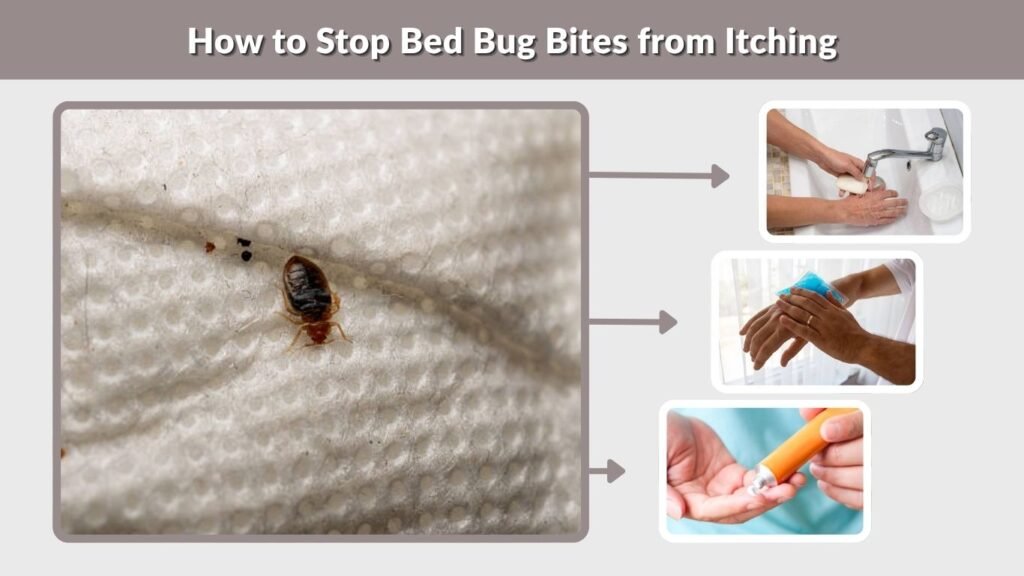
Most bed bug bites can be managed at home with simple treatments. The main goals are reducing inflammation, soothing irritated skin, and preventing infections caused by scratching. Appropriate skin care often provides relief while the bites heal naturally, although treating the underlying infestation is essential to prevent additional bites.
Effective Ways to Relieve Bed Bug Bite Itching
- Apply a cold compress: Place a clean, cool, damp cloth on the affected skin to reduce discomfort and swelling.
- Wash the affected area: Gently clean the bites with soap and water to help prevent infection.
- Use hydrocortisone cream: An appropriate over-the-counter hydrocortisone product may reduce itching and inflammation.
- Consider antihistamines: Ask a pharmacist whether an oral antihistamine is suitable if itching is particularly uncomfortable.
- Avoid scratching: Keep fingernails short and resist scratching to prevent broken skin and infection.
When Should You See a Doctor?
Most bites heal without medical intervention. However, seek medical advice if symptoms become progressively worse or interfere significantly with daily activities.
Warning signs include increasing pain, spreading redness or swelling, pus, fever, or large blisters.
Difficulty breathing, tongue swelling, or other signs of a severe allergic reaction require emergency medical attention.
How to Prevent More Itchy Bed Bug Bites
Relieving itching addresses the symptoms, but preventing future bites requires eliminating the insects. Bed bugs commonly hide around sleeping areas, including mattress seams, bed frames, headboards, and nearby furniture. Checking these locations helps identify possible infestations before they become more extensive.
Practical Bed Bug Prevention Tips
Inspect mattress seams, bedding, and furniture for live insects, shed skins, and dark spotting. Wash and heat-dry affected bedding and suitable clothing according to fabric instructions.
Reduce clutter around beds and vacuum hiding places carefully. Consider using protective mattress encasements designed for bed bugs.
Because infestations can be difficult to eliminate, professional pest control is often necessary. Never apply insecticides directly to your skin.
FAQs
1. Are Bed Bug Bites More Itchy Than Mosquito Bites?
They can be, but not always. Some people experience stronger reactions to bed bug bites, while others find mosquito bites more irritating. Individual sensitivity influences itching severity.
2. Are Bed Bug Nymph Bites Itchy?
Yes. Bed bug nymphs, which are immature bed bugs, also feed on blood. Their bites can trigger itching and swelling similar to adult bed bug bites.
3. Are Bed Bug Bites Painful or Itchy?
Bed bug bites are generally more associated with itching than pain. However, inflamed or heavily scratched bites may become tender or sore.
4. Can Bed Bug Bites Itch for Days?
Yes. Itching can persist for several days and occasionally up to two weeks, particularly in people with stronger skin reactions.
5. Can You Have Bed Bug Bites Without Knowing?
Yes. Some people experience no noticeable reaction, while others develop delayed symptoms. Checking for physical evidence of bed bugs is more reliable than relying on skin symptoms alone.