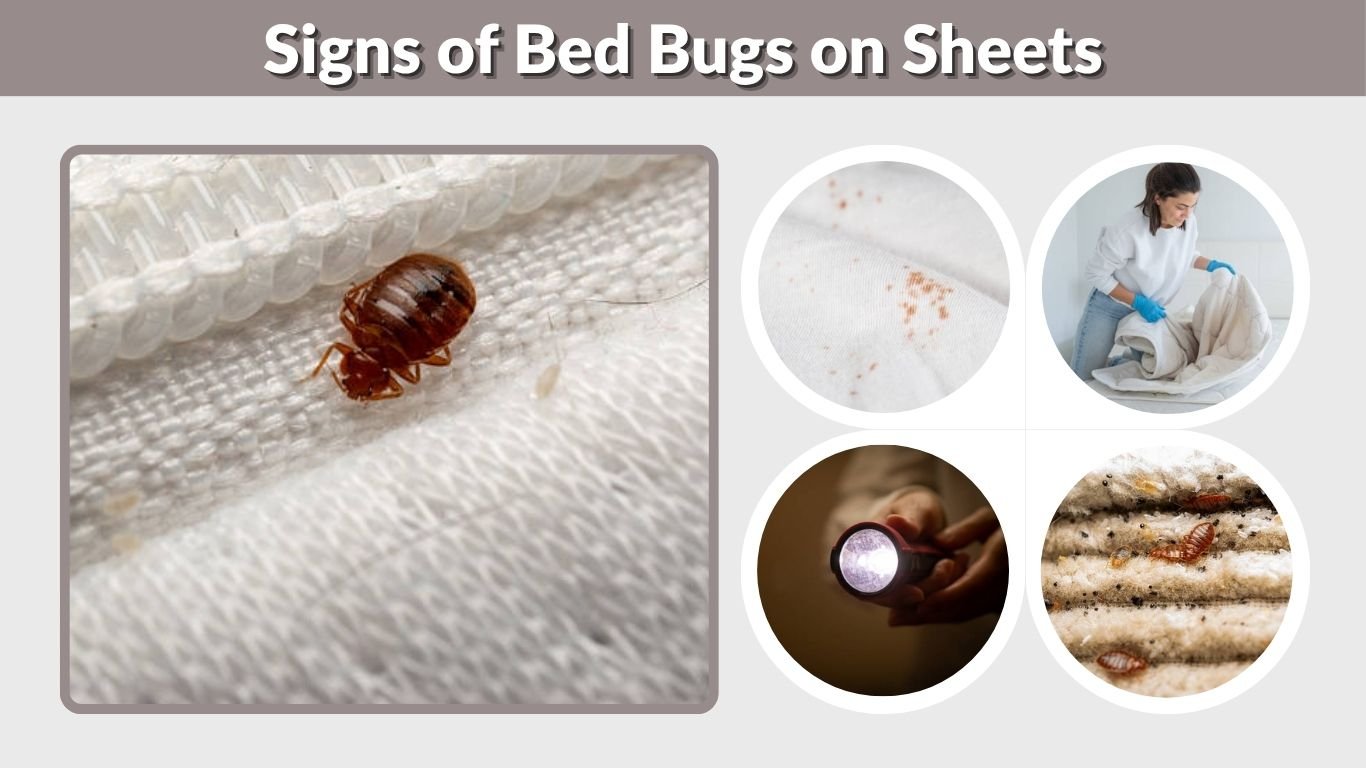
Small rust-colored marks, black dots, or unexplained blood spots on bedding can be early signs of bed bugs. However, stains alone do not prove an infestation, since skin irritation, accidental bleeding, and other household causes can leave similar marks. Bed bugs usually hide in mattress seams, bed frames, and nearby cracks rather than remaining on exposed sheets. Learning what different stains look like, where to inspect, and how to respond can help you identify a genuine problem before it spreads and avoid unnecessary treatments.
What Are the Signs of Bed Bugs on Sheets?
Bed bugs leave several types of physical evidence on bedding, although not every infestation produces obvious marks. The most recognizable signs include rusty stains, dark fecal spots, shed skins, and occasionally live insects. These clues are often easier to notice on light-colored fabrics. Understanding their appearance helps distinguish suspicious evidence from ordinary household stains.
Common Signs of Bed Bugs on Sheets
Look for these possible warning signs:
- Rusty blood stains: Small reddish or brown marks caused by crushed, blood-fed bed bugs.
- Black spots: Tiny dark fecal stains that may soak into fabric like ink.
- Shed skins: Pale, translucent exoskeletons left behind as immature bugs grow.
- Bed bug eggs: Tiny, whitish, oval eggs, usually attached to protected surfaces.
- Live bed bugs: Small, flattened insects with reddish-brown bodies.
- Musty odor: A distinctive smell sometimes associated with heavier infestations.
What Do Black Bed Bug Spots Look Like?
Bed bug droppings commonly resemble tiny black or dark brown ink dots.
On fabric, these stains may spread slightly into the fibers rather than sitting loosely on the surface.
Multiple spots concentrated around mattress seams or nearby hiding places are more suspicious than an isolated mark.
However, dark spots alone cannot confirm bed bugs.
Early Stage Signs of Bed Bugs on Sheets
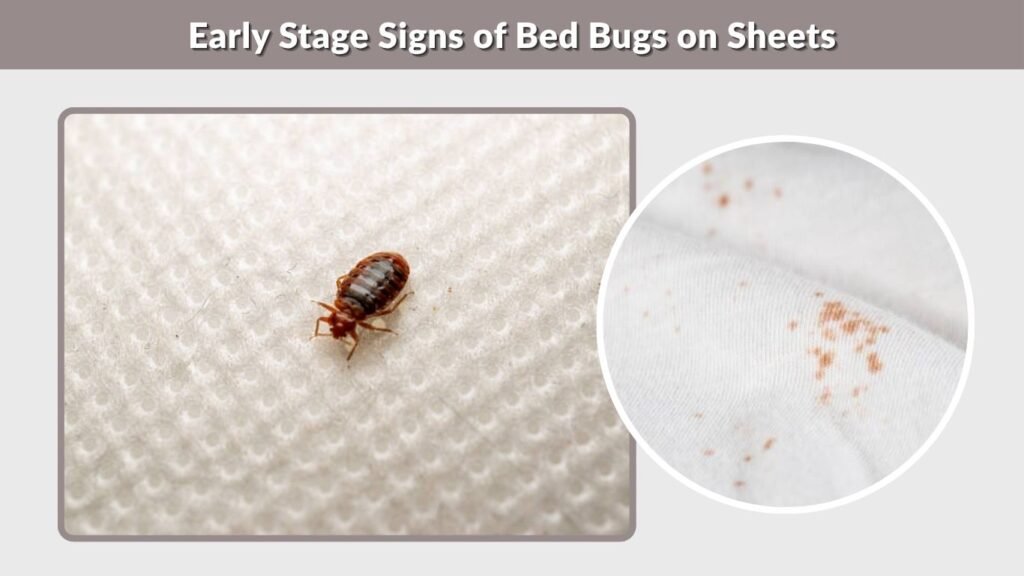
Early bed bug infestations are especially difficult to recognize because only a few insects may be present. Small populations produce limited evidence, and the insects spend much of their time concealed. You might notice an occasional dark spot or tiny blood stain before seeing a live bug. Repeated inspection is often necessary to identify an emerging infestation.
What Are the First Signs of Bed Bugs?
One early clue may be a small dark fecal spot near a mattress seam or an unexplained rusty stain on bedding.
Some people also experience itchy skin reactions after sleeping, although bites are unreliable evidence because other insects and skin conditions cause similar symptoms.
Finding a live bed bug, shed skin, or characteristic eggs provides stronger evidence.
Signs of Bed Bugs on White Sheets
White sheets make dark fecal marks and rusty blood stains easier to recognize.
Small dark dots, reddish smears, and pale insect remains may become visible during routine bedding changes.
On darker fabrics, these signs can blend into the material, making inspection more difficult.
A flashlight can help reveal suspicious evidence around seams and folds.
Blood Spots on Sheets but No Signs of Bed Bugs
Discovering blood spots without finding bed bugs does not necessarily indicate an infestation. Several everyday situations can produce small reddish stains on bedding. Although blood marks are recognized signs of bed bug activity, they must be considered alongside other evidence. Examining the stain pattern, surrounding mattress seams, and nearby furniture can help determine whether further inspection is warranted.
Other Causes of Blood Spots on Sheets
Possible explanations include:
- Scratched skin: Small wounds or irritated insect bites may bleed during sleep.
- Nosebleeds: Minor nighttime bleeding can stain pillows or sheets.
- Acne or skin conditions: Irritated spots may release small amounts of blood.
- Menstrual blood: Accidental staining can occur during sleep.
- Other insects: Crushed mosquitoes or other insects may leave small marks.
Does Blood on Sheets Always Mean Bed Bugs?
No. Blood spots alone cannot reliably identify bed bugs.
Bed bugs may leave rusty stains when crushed after feeding, but similar marks have many possible causes.
Physical evidence, especially correctly identified insects, is more useful than stain appearance alone.
Where to Check for Bed Bugs Around Your Bed
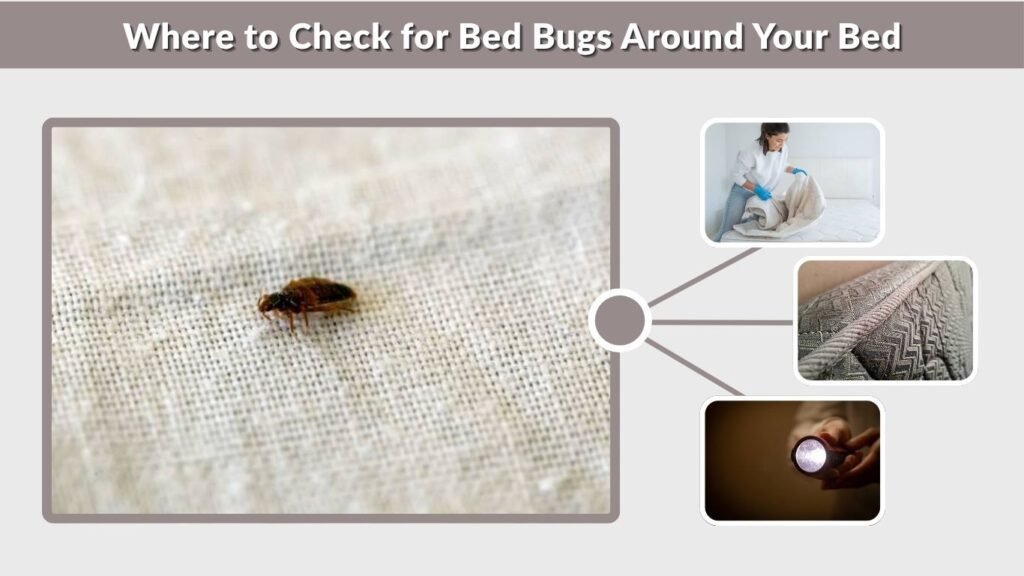
Bed bugs spend most of their time hiding in narrow, protected spaces near sleeping areas. Therefore, inspecting the sheets alone is unlikely to reveal every sign of infestation. Mattress seams, headboards, box springs, and furniture joints are common hiding locations. A careful inspection of these areas can uncover insects or evidence that remains invisible during ordinary bedding changes.
Step-by-Step Bed Bug Inspection
Use this checklist to examine your sleeping area:
- Remove the sheets: Inspect both sides for suspicious stains or insects.
- Check mattress seams: Look along piping, stitching, labels, and corners.
- Examine the box spring: Inspect fabric folds and accessible structural joints.
- Inspect the headboard: Search cracks, screw holes, and connecting surfaces.
- Check nearby furniture: Examine bedside tables, upholstered furniture, and baseboards.
- Use a flashlight: Illuminate narrow spaces where bed bugs may hide.
Can Bed Bugs Hide Beyond the Mattress?
Yes. Bed bugs can shelter inside bed frames, furniture joints, wall cracks, and other protected spaces.
During more extensive infestations, they may spread farther from the sleeping area.
Finding no insects on the mattress surface does not completely rule out their presence elsewhere.
What to Do if You Find Bed Bug Signs on Sheets
Finding suspicious marks on bedding can be concerning, but immediate chemical treatment is not always necessary. First, inspect the surrounding areas and determine whether the evidence is consistent with bed bugs. Appropriate laundering, careful monitoring, and professional identification can help prevent an infestation from expanding. Avoid moving untreated bedding between rooms, as this may spread insects.
Steps to Take After Finding Suspicious Signs
Consider these actions:
- Document the evidence: Photograph suspicious stains, insects, or shed skins.
- Inspect nearby hiding places: Examine mattress seams and furniture.
- Collect suspected insects: Preserve a specimen in a sealed container for identification.
- Launder bedding carefully: Transport bedding in sealed bags.
- Use high-heat drying: Dry suitable items on high heat for at least 30 minutes, following fabric-care instructions.
- Consider professional inspection: Seek qualified assistance if evidence persists or insects are identified.
What Should You Avoid Doing?
Avoid spraying household chemicals, rubbing alcohol, or inappropriate insecticides onto bedding.
Do not immediately discard furniture without confirming an infestation.
Moving infested mattresses or untreated items through a home can spread bed bugs.
If treatment becomes necessary, follow an integrated pest-management approach using properly labeled products and professional guidance where appropriate.
Do Bed Bug Eggs and Nymphs Appear on Sheets?
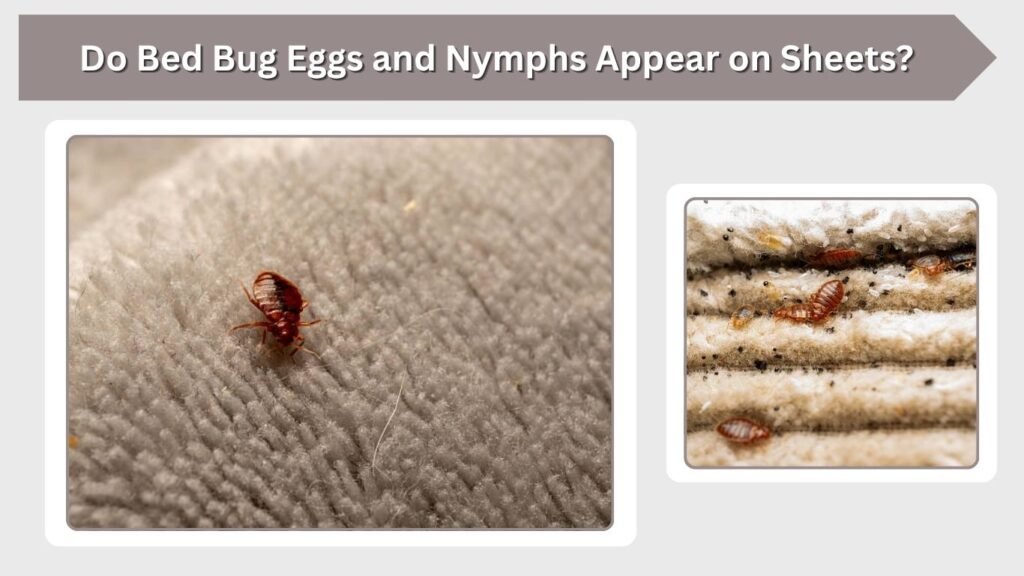
Bed bugs undergo gradual development from eggs into nymphs and eventually adults. Unlike insects with a distinct larval stage, bed bugs hatch directly into small nymphs resembling miniature adults. Eggs and immature insects may occasionally appear on bedding, but protected hiding places are more typical. Recognizing these developmental stages can improve identification during a careful inspection.
What Do Bed Bug Eggs Look Like?
Bed bug eggs are approximately 1 millimeter long, whitish, and oval-shaped.
Females generally attach eggs to hidden surfaces, including mattress seams, furniture cracks, and other protected locations.
They are less commonly found loose on exposed sheets.
Dust, lint, and fabric particles can resemble tiny eggs, making confirmation important.
What Do Young Bed Bugs Look Like?
Young bed bugs, called nymphs, are smaller and paler than adults.
Recently hatched nymphs may appear nearly translucent or yellowish.
After feeding, their abdomens can become visibly reddish.
As they grow, they shed their outer skins, leaving pale exoskeletons that may accumulate around hiding places.
FAQs
Bed bug signs on sheets can be difficult to interpret because ordinary stains and household debris sometimes resemble insect evidence. Early infestations may also develop without obvious symptoms. Understanding which clues are reliable can help homeowners make informed inspection and treatment decisions. These answers address common questions about blood spots, eggs, black marks, and hidden infestations.
1. What Are the First Signs of Bed Bugs on Sheets?
Early signs may include tiny dark fecal spots, rusty stains, or occasional shed skins. However, a small infestation may leave no noticeable marks on exposed sheets.
2. Can You Have Bed Bugs Without Blood Spots on Sheets?
Yes. Bed bugs do not always leave visible blood stains. They may remain hidden while producing very little noticeable evidence on bedding.
3. Are Black Spots on Sheets Always Bed Bug Droppings?
No. Black spots may come from dirt, ink, mold, or other substances. Their appearance alone cannot confirm a bed bug infestation.
4. Can You See Bed Bug Eggs on Bed Sheets?
Yes, but eggs are usually attached to concealed surfaces rather than exposed bedding. They are tiny, whitish, and approximately 1 millimeter long.
5. What Should I Do if I Find Bed Bug Signs?
Inspect the mattress, bed frame, and nearby furniture. Photograph or collect suspected insects for identification, safely dry washable bedding, and consult a pest-control professional when appropriate.