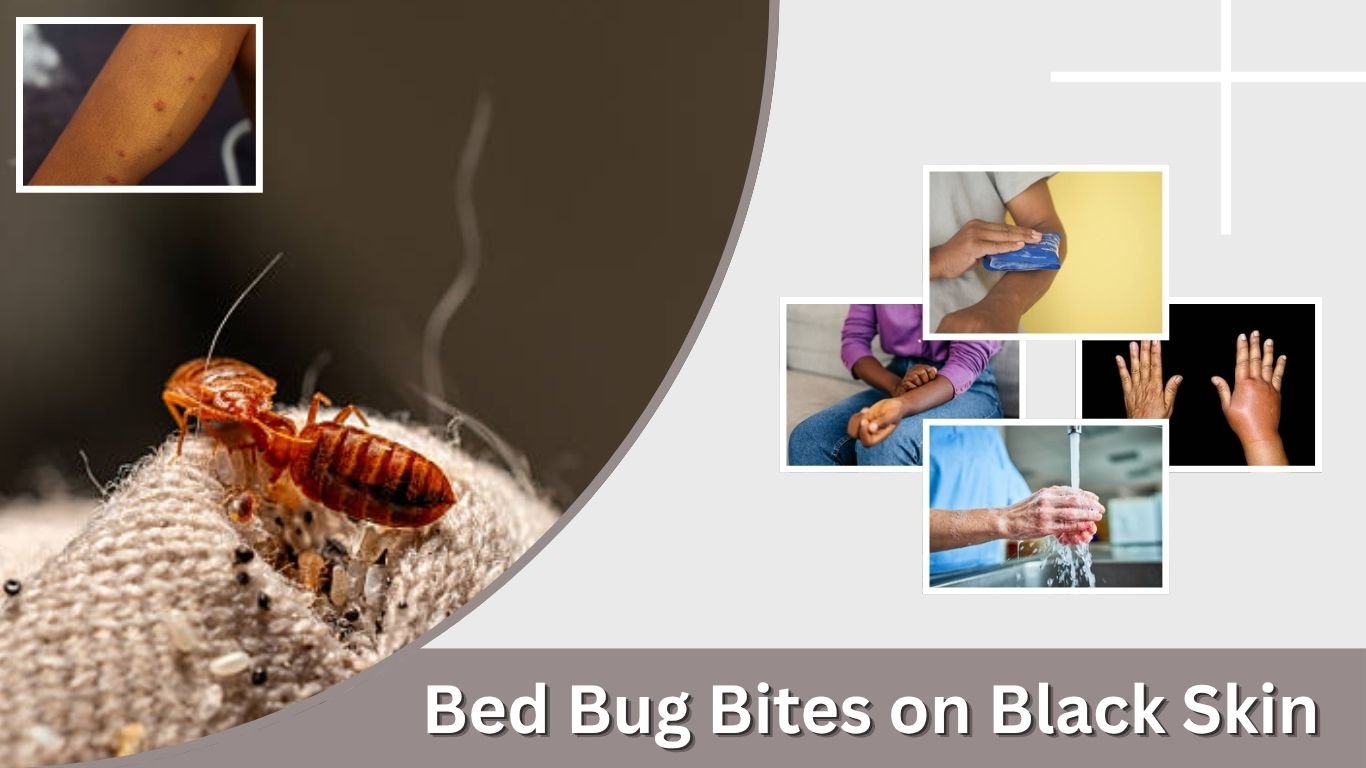
Bed bug bites on black skin can look different from the bright red bumps commonly shown in online photos. On darker or brown skin, bites may appear red, purple, dark brown, or only slightly different from the surrounding skin, making them harder to notice. Itching, swelling, bite patterns, and evidence of bed bugs around the bed can therefore be more useful than color alone. This guide explains what bed bug bites look like on dark skin, how to recognize them, treat itching, and know when medical care may be needed.
What Do Bed Bug Bites Look Like on Black Skin?
The appearance of bed bug bites varies from person to person and depends partly on skin tone and individual sensitivity. On black or brown skin, the bites may look brown, red, or purple and can sometimes be less visually obvious than they are on lighter skin. They are commonly raised, itchy, and grouped or arranged in lines.
Common Appearance on Darker Skin
Signs you may notice include:
- Small raised bumps or welts
- Red, reddish-brown, purple, or dark brown spots
- Clusters of several bites close together
- Bites forming a line or zigzag pattern
- Swelling around individual bite sites
- Intense itching
- Dark marks after the original bumps heal
Color alone should not be used to identify bed bug bites. Some people develop obvious welts, while others show very little visible reaction.
Fresh Bed Bug Bites on Black Skin
Fresh bites may initially appear as slightly raised areas rather than bright spots. They can become more noticeable as inflammation develops. Bed bug bite reactions also do not always appear immediately. Some people notice marks the next morning, while others may take several days or longer to develop visible symptoms.
Why Pictures Can Be Misleading
Pictures of bed bug bites on black skin can be helpful for comparison, but they cannot confirm the cause. Mosquito bites, flea bites, hives, eczema, contact dermatitis, and other skin problems may look similar. Confirmation is stronger when skin symptoms occur together with physical signs of bed bugs around the sleeping area.
Signs of Bed Bug Bites on Skin
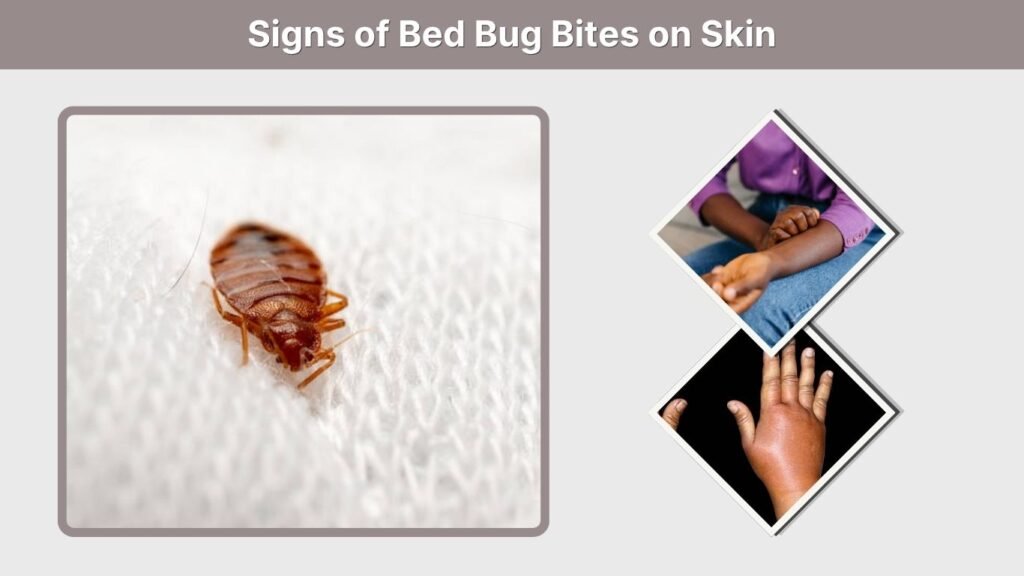
Bed bugs usually feed while people are sleeping, so bites are commonly found on areas that remain exposed at night. However, there is no single bite pattern that proves bed bugs are responsible. Looking at the location, timing, pattern, and surrounding evidence provides a more reliable picture than examining one bump by itself.
Typical Signs and Symptoms
Look for:
- Itchy raised welts
- Several bites appearing together
- Linear or zigzag bite patterns
- Bites on the arms, hands, face, or neck
- New marks noticed after sleeping
- Mild to significant localized swelling
- Occasional blisters in stronger reactions
Not everyone reacts in the same way. The CDC notes that some people may have no visible signs, while others can develop small bite marks or, rarely, more significant allergic reactions.
Where Bed Bug Bites Commonly Appear
Bites frequently develop on exposed skin, including the arms, shoulders, neck, face, hands, and legs. Bed bugs do not normally remain living on the body after feeding. Instead, they return to hiding places such as mattress seams, bed frames, headboards, furniture cracks, and nearby crevices.
Bed Bug Bite Patterns
Several itchy bumps in a line can suggest bed bugs, but this pattern is not guaranteed. Bites may also appear randomly or in small clusters. The American Academy of Dermatology notes that clusters may contain several bites and can sometimes form a zigzag arrangement.
Bed Bug Bites vs Other Bites on Black Skin
Distinguishing insect bites can be particularly difficult on darker skin when redness is subtle. Instead of concentrating only on color, consider the shape, location, itchiness, timing, and environmental clues. Even then, skin appearance alone is not always enough to determine which insect caused a reaction.
Bed Bug Bites vs Mosquito Bites
Common differences can include:
- Bed bugs: Frequently produce multiple bites in clusters or lines.
- Mosquitoes: Often cause more isolated, rounded itchy bumps.
- Bed bugs: New bites are commonly noticed after sleeping.
- Mosquitoes: Exposure may happen indoors or outdoors at many times.
- Bed bugs: Signs may also appear on mattresses or bedding.
- Mosquitoes: Household infestation signs around the mattress are absent.
Both can cause raised, itchy lesions, so appearance alone may not provide a definite answer.
Bed Bug Bites vs Flea Bites
Flea bites often occur around the ankles and lower legs, especially when fleas are associated with pets or carpets. Bed bug bites can occur on many exposed areas of the upper body as well as the legs.
Both insects can produce multiple itchy spots, so checking the environment is essential.
Do Bed Bug Bites Look Different on Brown Skin?
They can. On brown or black skin, inflammation may appear brown, dark red, or purple rather than bright pink or red. The surrounding change in color can also be subtle. This is one reason itching, swelling, texture, and bite pattern deserve attention alongside color.
How to Treat Bed Bug Bites on Black Skin
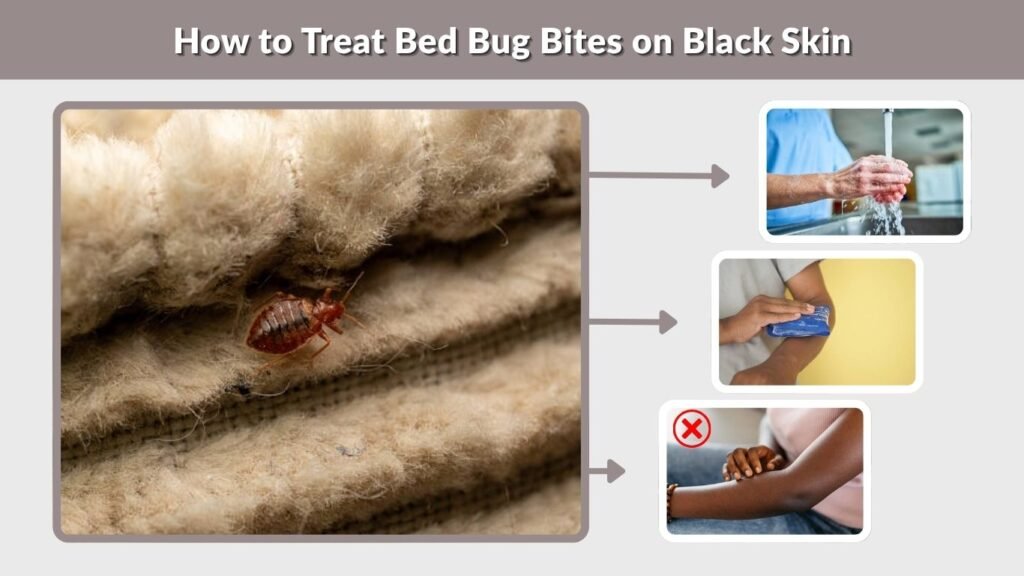
Most uncomplicated bed bug bites improve without specialized medical treatment. The main goals are controlling itching, keeping the skin clean, and preventing scratching that could damage the skin or introduce bacteria. Treatment does not eliminate bed bugs themselves, so the infestation must also be addressed to prevent additional bites.
Simple Bed Bug Bite Care
Helpful measures include:
- Wash or gently clean the affected skin.
- Apply a cool, clean damp cloth to itchy areas.
- Avoid scratching or picking the bumps.
- Keep fingernails short if itching is severe.
- Ask a pharmacist or clinician whether an antihistamine may help.
- Ask about an appropriate mild topical steroid for persistent itching.
Severe or extensive reactions may require medical evaluation. The CDC notes that topical steroid treatment and antihistamines may sometimes be used for more significant inflammatory reactions.
Avoid Aggressive Home Remedies
Products that burn, bleach, excessively exfoliate, or irritate the skin can make inflammation worse. They may also increase the chance of discoloration after the bite heals.
Gentle treatment is especially important when existing bites have been scratched or the skin barrier is already damaged.
When to Seek Medical Care
Contact a healthcare professional when bites become increasingly painful, hot, swollen, or begin draining pus. Medical attention is also appropriate for extensive blistering or persistent symptoms.
Difficulty breathing, tongue swelling, or other signs of a serious allergic reaction require urgent medical attention.
How Long Do Bed Bug Bites Last on Dark Skin?
Many uncomplicated bites improve within approximately a week, although reactions vary considerably between individuals. The itchy swelling may disappear before the remaining discoloration does. Because inflammation can trigger extra pigment production in darker skin tones, a flat dark mark may remain after the actual bite has healed.
Why Dark Spots Can Remain
Post-inflammatory hyperpigmentation can develop after insect bites and other skin injuries. Scratching and repeated irritation can make these marks more noticeable.
The American Academy of Dermatology notes that injuries such as insect bites can leave dark spots on darker skin and that these marks often fade gradually after the original cause is resolved.
How to Reduce Lingering Marks
The first priority is preventing continued bites and minimizing inflammation. Avoid scratching, harsh scrubs, and irritating products while the area heals.
Persistent discoloration is different from an active bed bug bite. If spots continue changing, become painful, repeatedly break open, or are difficult to identify, a dermatologist can assess whether another skin condition is involved.
How to Confirm Bed Bugs Are Causing the Bites
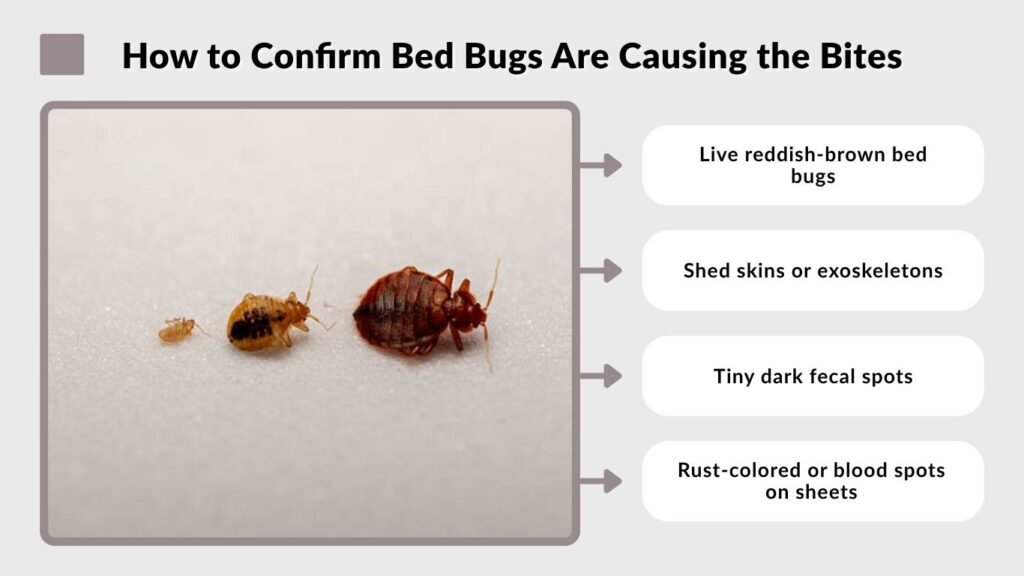
Because bites cannot reliably identify an infestation by themselves, inspect the sleeping environment. Bed bugs hide during the day in narrow cracks close to where people rest. Finding insects or characteristic evidence around the mattress provides much stronger confirmation than comparing your skin with online images.
Check Your Bed and Bedroom
Look for:
- Live reddish-brown bed bugs
- Shed skins or exoskeletons
- Tiny dark fecal spots
- Rust-colored or blood spots on sheets
- Eggs around cracks and mattress seams
- Bugs hiding in mattress or box-spring seams
- Signs around headboards and bed frames
The CDC recommends using environmental evidence along with bite marks because visible bite reactions can take days to develop and vary substantially between people.
Treat the Infestation, Not Just the Bites
Skin treatment may reduce itching, but new bites can continue while bed bugs remain in the home. Inspect nearby furniture and sleeping areas and consider professional pest-control assistance when an infestation is confirmed.
Bed bugs are not an indication that a home is dirty. They can be transported in luggage, clothing, furniture, and other belongings and occur in many types of accommodations.
FAQs
Bed bug bites on dark skin can be difficult to identify because visible redness is not always prominent. These common questions address appearance, healing, treatment, and comparison with other insect bites. Remember that no photograph or bite pattern can conclusively diagnose bed bugs without considering environmental evidence and other possible causes.
1. What do bed bug bites look like on black skin?
They may appear as raised red, reddish-brown, purple, or dark brown spots. Some are subtle and easier to feel than see. They can occur in groups, lines, or zigzag patterns and are frequently itchy.
2. Do bed bug bites leave dark marks on black skin?
They can. Inflammation or scratching may cause post-inflammatory hyperpigmentation, leaving a dark spot after the original bite resolves. These marks can take longer to fade than the swelling and itching.
3. How long do bed bug bites last on skin?
Many uncomplicated bites improve within about a week, although individual reactions vary. Some people develop delayed reactions, and residual discoloration may remain considerably longer than the active bite.
4. How can I tell whether I have bed bug bites or mosquito bites?
Bed bug bites often occur in clusters or lines and may repeatedly appear after sleeping. Mosquito bites are frequently more scattered. Neither pattern is diagnostic, so inspect the mattress, bedding, and bed frame for evidence of bed bugs.
5. What is the best treatment for bed bug bites on dark skin?
Keep the skin clean, use a cool compress, and avoid scratching. A pharmacist or healthcare professional may recommend an antihistamine or mild topical steroid when appropriate. Seek medical care for spreading swelling, infection, severe blistering, or symptoms of a serious allergic reaction.