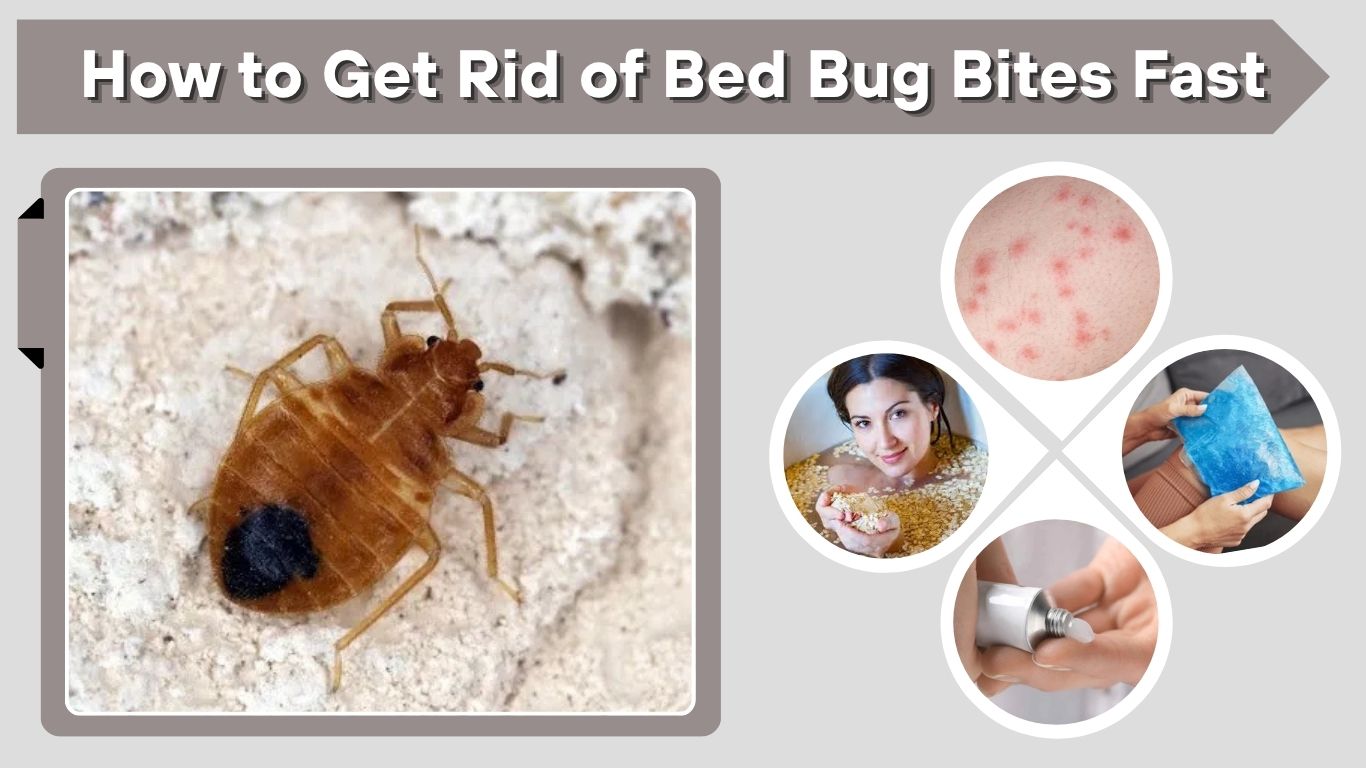
Bed bug bites can cause itching, redness, swelling, bumps, and dark marks on the skin. Most bites heal on their own, but the irritation can feel worse at night and may last for days. The best way to get rid of bed bug bites is to clean the skin, reduce itching, avoid scratching, treat swelling, and stop new bites by removing bed bugs from your sleeping area.
What Are Bed Bug Bites?
Bed bug bites are skin reactions caused when bed bugs feed on blood. These tiny insects usually bite at night while people sleep. The bites often appear on exposed skin, such as the arms, legs, neck, face, hands, shoulders, and back.
Bed bug bites do not look the same on everyone. Some people get small red bumps, while others develop swollen welts, rash-like patches, or dark marks. On darker skin, bites may look brown, purple, or slightly raised instead of bright red.
Bed bugs are not known to spread disease, but they can cause itching, sleep loss, allergic reactions, and skin infection if the bites are scratched too much. The CDC notes that most cases need only simple treatment to control itching, while good hygiene and avoiding scratching help prevent secondary infection.
What Do Bed Bug Bites Look Like?
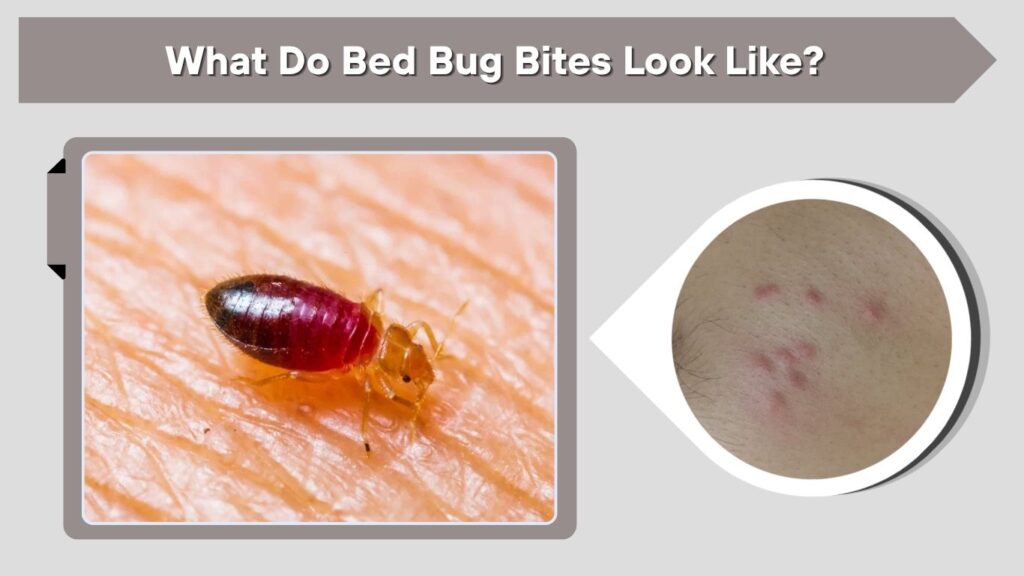
Bed bug bites commonly appear as itchy bumps in a line, cluster, or zigzag pattern. However, this pattern is not guaranteed. Some people may have only one bite, while others may wake up with several marks.
Common Symptoms
- Small itchy bumps
- Red, pink, brown, or purple marks
- Swelling around the bite
- Burning or mild pain
- Rash-like patches
- Bumps in a line or cluster
- Scabs from scratching
- Dark marks after healing
Bites may appear quickly or take several days to show. The American Academy of Dermatology says some people develop itchy welts within days, but it can take up to 14 days before bites begin to itch.
How to Get Rid of Bed Bug Bites Fast
You cannot make every bed bug bite disappear instantly, but you can reduce itching, swelling, and redness quickly. Fast treatment works best when you start as soon as you notice the bites.
Fast Relief Steps
- Wash the bites with soap and cool water.
- Apply a cold compress for 10–15 minutes.
- Use hydrocortisone cream for itching.
- Apply calamine lotion if the skin feels irritated.
- Take an oral antihistamine if itching is strong.
- Keep the skin dry and clean.
- Avoid scratching, even if the bites itch.
- Cover scratched bites with a clean bandage.
Mayo Clinic says bedbug bites usually go away on their own within a week or two, but hydrocortisone cream and oral antihistamines may help ease symptoms.
How to Get Rid of Bed Bug Bites Overnight
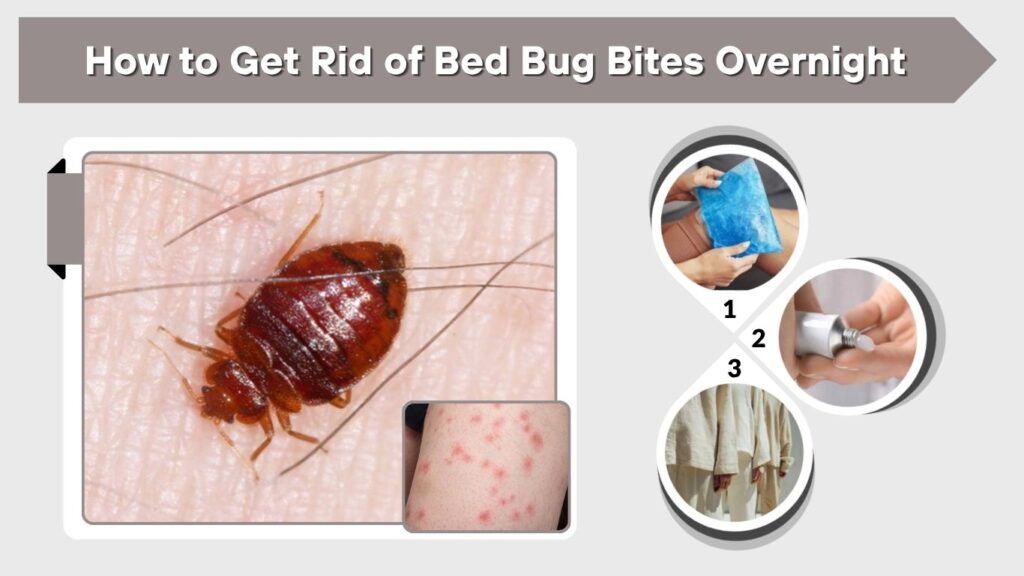
Many people want to remove bed bug bites overnight. The truth is that bites usually do not vanish in one night, but you can calm the itch and swelling before morning. The goal of overnight care is to reduce inflammation, stop scratching during sleep, and protect the skin.
Before bed, wash the bites gently with soap and water. Pat the skin dry. Apply a thin layer of hydrocortisone cream or calamine lotion. If the itching keeps you awake, an oral antihistamine may help, but always follow the label and avoid mixing medicines without medical advice.
Overnight Bite Care
- Clean the bite area before sleeping.
- Use a cold compress before applying cream.
- Apply anti-itch cream thinly.
- Wear soft, loose clothing.
- Keep fingernails short.
- Cover open or scratched bites.
- Avoid hot showers before bed.
- Use clean sheets after treating the room.
Hot water can make itching feel worse because it may dry and irritate the skin. Cool compresses are usually better for swelling and redness.
How to Get Rid of Itching from Bed Bug Bites
Itching is the most common complaint from bed bug bites. The itch happens because your skin reacts to bed bug saliva. Scratching may feel good for a moment, but it can make the bite larger, redder, and more painful.
Best Ways to Stop Itching
- Use a cold compress.
- Apply hydrocortisone cream.
- Try calamine lotion.
- Use fragrance-free moisturizer.
- Take an antihistamine if needed.
- Avoid scratching.
- Wear breathable clothing.
- Keep the skin clean.
If the itch is severe, repeated, or spreading, speak with a healthcare provider. The CDC states that treatment options such as antihistamines and corticosteroids have been used for bite reactions, but most cases only need minimal symptomatic care.
How to Get Rid of Swollen Bed Bug Bites
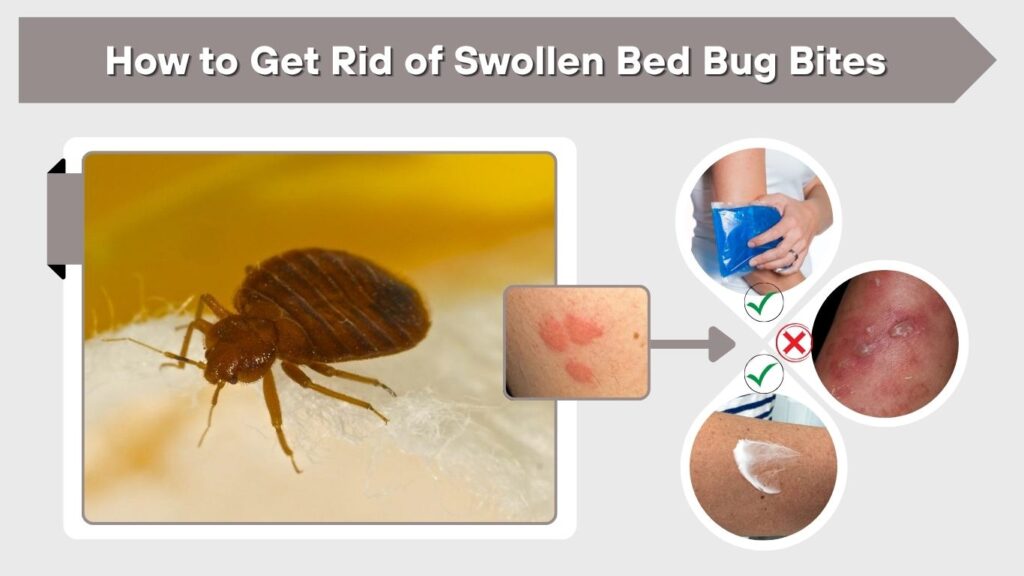
Swelling is a normal reaction for many people. A small swollen bump is usually not dangerous. However, large swelling, warmth, increasing pain, pus, or spreading redness may be a sign of infection or a stronger allergic reaction.
For mild swelling, apply a cold compress several times a day. Keep the area elevated if the bites are on your legs or feet. Avoid scratching because broken skin can become infected.
Swelling Relief Tips
- Apply ice wrapped in a cloth.
- Use cold compresses for short periods.
- Avoid tight clothing over bites.
- Do not pop blisters or bumps.
- Use anti-itch cream if needed.
- Keep the area clean.
- Watch for signs of infection.
If swelling appears around the eyes, lips, throat, or face, get medical help quickly. These may be signs of a more serious allergic reaction.
How to Get Rid of Redness from Bed Bug Bites
Redness usually fades as the skin heals. To reduce redness, avoid scratching and keep the skin cool. Friction from tight clothes can make redness worse, especially on the legs, waist, arms, and neck.
Use gentle skincare. Avoid harsh scrubs, lemon juice, strong alcohol, toothpaste, or irritating home remedies. These may dry or burn the skin and make marks last longer.
Redness Care
- Wash gently with mild soap.
- Use cool compresses.
- Apply fragrance-free moisturizer.
- Avoid scratching or rubbing.
- Protect healing skin from sun exposure.
- Use hydrocortisone only as directed.
- Avoid strong DIY mixtures.
If redness spreads outward, feels hot, becomes painful, or comes with fever, the bite may be infected and should be checked by a doctor.
How to Get Rid of Bed Bug Bite Marks and Scars
Bed bug bite marks are usually not true scars. Many are temporary dark spots caused by inflammation, especially after scratching. These marks can take weeks to fade. The best way to prevent scars is to avoid scratching and treat itching early.
If you already have marks, focus on gentle healing. Use moisturizer, avoid picking scabs, and protect the area from sun exposure. Sunlight can make dark marks more noticeable.
Ways to Reduce Bite Marks
- Do not scratch or pick scabs.
- Keep the skin moisturized.
- Use sunscreen on exposed areas.
- Avoid harsh bleaching products.
- Treat itching early.
- Let scabs fall off naturally.
- See a dermatologist for stubborn scars.
For deep scars, raised scars, or dark marks that do not fade, a dermatologist can suggest safe treatments. The American Academy of Dermatology recommends seeing a dermatologist if you have many bites or a bite that looks infected.
Home Remedies for Bed Bug Bites
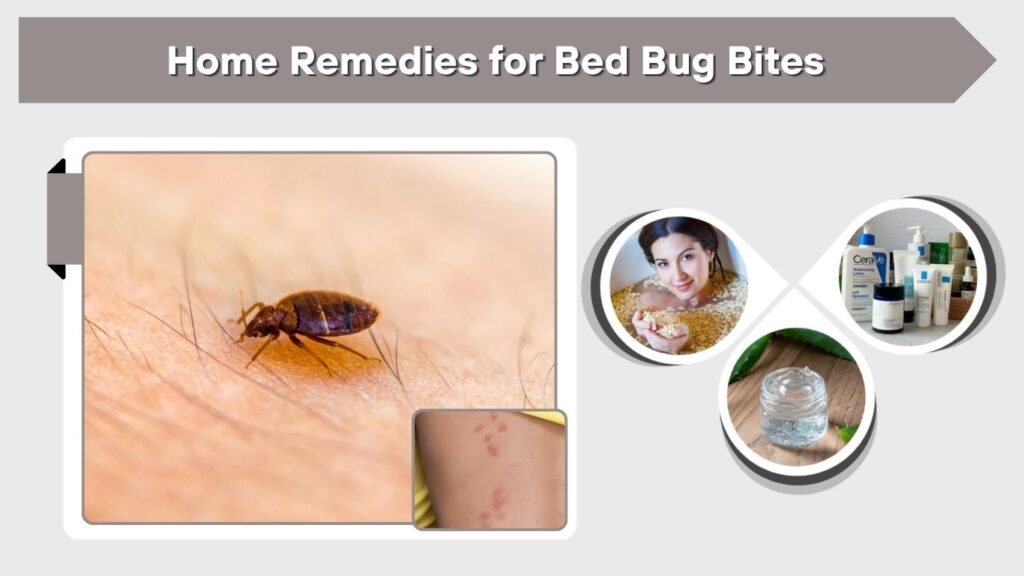
Some home remedies can help soothe mild bites, but they do not cure the infestation. They only reduce skin discomfort. Safe home care should be gentle and focused on cooling, cleaning, and protecting the skin.
Gentle Home Remedies
- Cold compress for swelling
- Oatmeal bath for itching
- Aloe vera gel for cooling
- Fragrance-free moisturizer
- Clean bandage for scratched bites
- Mild soap and water
Be careful with baking soda, vinegar, lemon juice, toothpaste, essential oils, or alcohol. These can irritate sensitive skin, especially on the face, babies, toddlers, or people with eczema.
How to Get Rid of Bed Bug Bites on the Face
Bed bug bites on the face can be more sensitive than bites on arms or legs. The skin around the eyes and lips is delicate, so avoid strong creams unless a doctor recommends them.
Wash your face with a gentle cleanser and use a cold compress. Do not apply hydrocortisone close to the eyes unless directed by a healthcare provider. Avoid makeup over open or scratched bites because it may irritate the skin or trap bacteria.
If a bite near the eye becomes very swollen, painful, or affects vision, seek medical help.
How to Get Rid of Bed Bug Bites on Legs and Arms
Arms and legs are common bite areas because they are often exposed during sleep. These bites may itch more when clothing rubs against them. Wear loose cotton clothing and avoid tight socks, sleeves, or leggings over irritated skin.
For bites on legs, swelling may feel worse after standing for a long time. Elevating the legs and using a cold compress can help. For arm bites, avoid scratching while working or sleeping by keeping nails short and covering open bites.
Bed Bug Bites on Babies, Toddlers and Children
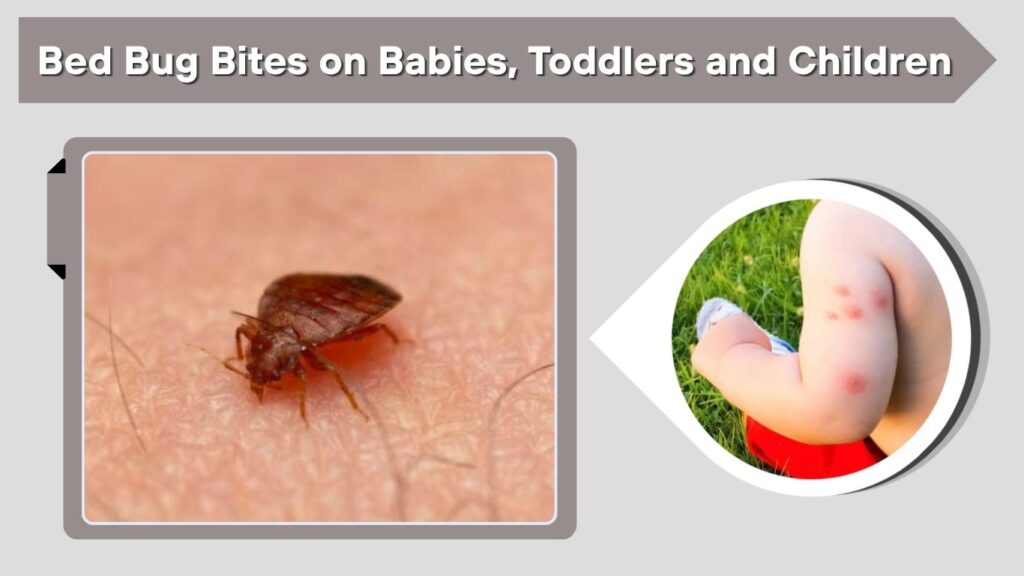
Children may scratch bites more, which increases the risk of infection. For babies and toddlers, avoid using strong creams, essential oils, or adult medicines without medical advice.
Wash the bites with mild soap and water. Use a cool compress for swelling. Keep the child’s nails short and clean. If the child has many bites, fever, pus, spreading redness, unusual sleepiness, or swelling near the eyes, contact a healthcare provider.
Bed Bug Bites While Pregnant
Pregnant people should be careful with medications and creams. Mild bites can usually be managed with soap and water, cold compresses, loose clothing, and gentle moisturizer. Before using oral antihistamines, steroid creams, or medicated lotions, ask a healthcare provider or pharmacist.
Also focus on preventing new bites. Wash bedding, dry fabrics on high heat, use mattress encasements, and contact pest control if bed bugs are active in the home.
How Long Do Bed Bug Bites Last?
Most bed bug bites improve within one to two weeks. Mild bites may fade in a few days, while stronger reactions can last longer. Scratching can delay healing and may lead to scabs, infection, or dark marks.
| Skin Reaction | Usual Healing Time | What Helps |
| Mild itching | A few days | Cold compress, clean skin |
| Red bumps | 1–2 weeks | Anti-itch cream, no scratching |
| Swelling | Several days | Cold compress, loose clothing |
| Scabs | 1–2 weeks | Keep clean, do not pick |
| Dark marks | Several weeks or more | Moisturizer, sunscreen, patience |
Healing time depends on skin sensitivity, number of bites, scratching, and whether new bites continue to appear.
When to See a Doctor
Most bed bug bites can be treated at home, but some need medical care. See a doctor if the bites look infected, if itching is severe, or if you have many bites that are not improving.
Get Medical Help If You Notice
- Pus or yellow crust
- Spreading redness
- Increasing pain
- Warm skin around the bite
- Fever
- Severe swelling
- Dizziness or breathing trouble
- Swelling of lips, eyes, or throat
- Bites on a baby with strong reaction
The American Academy of Dermatology says a dermatologist can treat infection and help relieve itch when there are many bites or signs of infection.
How to Stop New Bed Bug Bites
Treating bites will not stop new bites if bed bugs are still in your room. You need to treat the sleeping area too. Wash bedding, dry clothes on high heat, vacuum mattress seams, inspect the bed frame, and use mattress encasements.
Bed bugs do not live on your body like lice or scabies mites. The AAD explains that bed bugs come out of hiding to feed and do not live on humans. So you do not need to treat your skin with lice or scabies medicine unless a doctor diagnoses a different condition.
Steps to Prevent New Bites
- Wash bedding in hot water if fabric allows.
- Dry sheets and clothes on high heat.
- Vacuum the mattress, bed frame, and floor.
- Use mattress and box spring encasements.
- Move the bed away from walls.
- Keep blankets off the floor.
- Reduce clutter around the bed.
- Use bed bug interceptors under bed legs.
- Call pest control if bites continue.
FAQs
How do you get rid of bed bug bites quickly?
Wash the bites with soap and water, apply a cold compress, and use hydrocortisone cream or calamine lotion for itching. An oral antihistamine may help if itching is strong. Bites usually do not disappear instantly, but these steps can reduce discomfort quickly.
Can bed bug bites go away overnight?
Bed bug bites usually do not fully disappear overnight. However, you can reduce itching and swelling before morning by cleaning the skin, applying a cold compress, using anti-itch cream, wearing loose clothing, and avoiding scratching while you sleep.
What is the best cream for bed bug bites?
Hydrocortisone cream is commonly used for itching and inflammation. Calamine lotion may also soothe irritated skin. Use products according to the label, and avoid applying strong creams near the eyes or on babies unless a healthcare provider recommends them.
How do I get rid of bed bug bite scars?
Most bed bug bite marks are temporary dark spots, not permanent scars. Avoid scratching, moisturize the skin, use sunscreen on exposed areas, and let scabs heal naturally. If marks are deep, raised, painful, or long-lasting, a dermatologist can suggest treatment.
Why do my bed bug bites keep coming back?
New bites usually mean bed bugs are still present in your sleeping area. Treating the skin only helps existing bites. To stop new bites, wash and heat-dry bedding, inspect the mattress and bed frame, use encasements, vacuum hiding spots, and consider pest control.