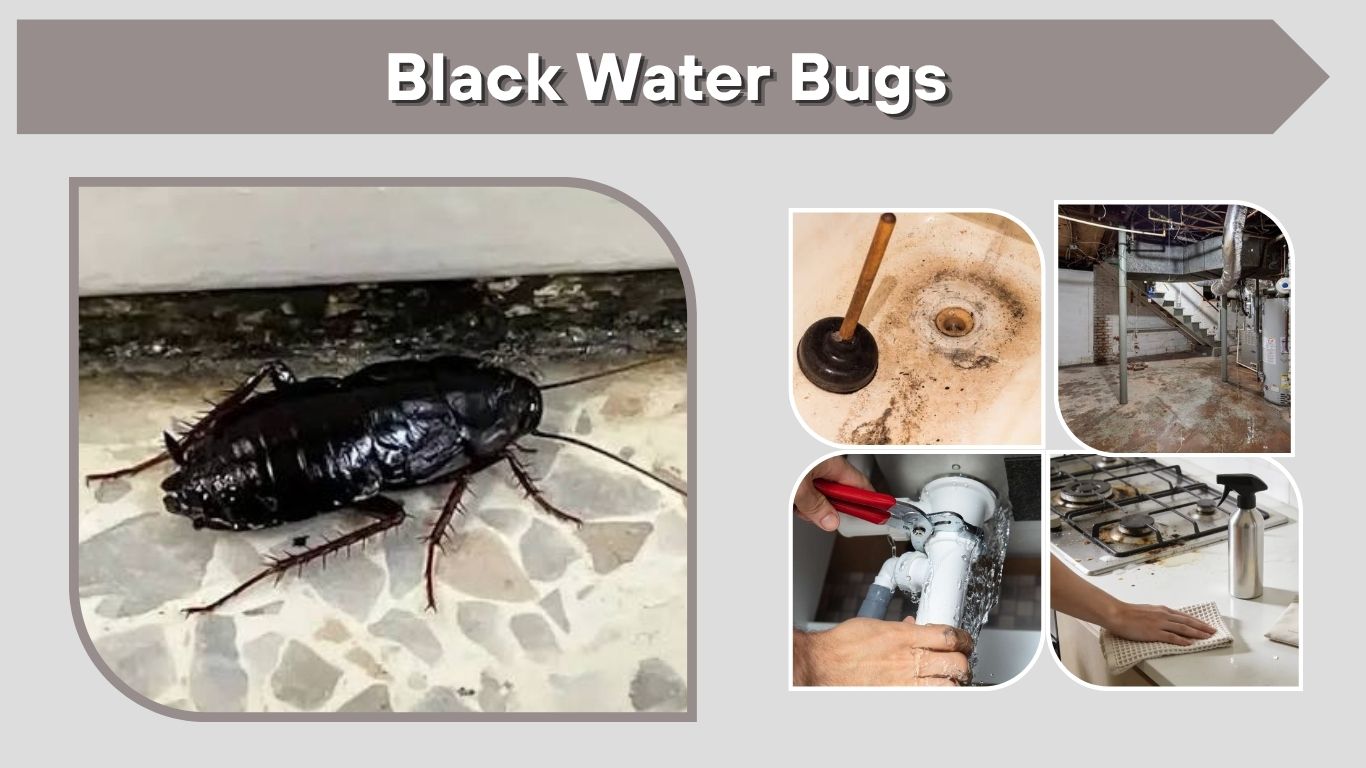
A black water bug can mean different insects depending on where you find it. Some are true aquatic bugs living in ponds, pools, or wet areas. Others are cockroaches that people commonly call water bugs because they prefer damp places. Knowing the difference helps you decide whether the insect is harmless, a biting aquatic bug, or a household pest that needs quick control.
What Is a Black Water Bug?
A black water bug is usually a dark-colored insect found near water, drains, basements, pools, or damp outdoor areas. The name may describe a true water bug, an aquatic beetle, a backswimmer, or a dark cockroach. Correct identification is important because each insect behaves differently and needs a different removal method.
What Does a Black Water Bug Look Like?
A black water bug often has a dark brown, black, or shiny body. Some are oval and flat, while others are longer and more cockroach-like. True aquatic water bugs may have strong front legs, a broad body, and a piercing mouthpart used to catch prey.
Cockroach-like black water bugs are usually smoother, longer, and faster on land. They may hide near drains, under sinks, in basements, or around wet crawl spaces. Small black water bugs may also be young cockroaches, tiny aquatic beetles, or other moisture-loving insects.
Are Water Bugs Black or Brown?
Water bugs can be black, brown, reddish-brown, gray, or patterned. The color depends on the species. Giant water bugs are often brown or dark brown, while Oriental cockroaches are usually shiny dark brown to black.
Some aquatic insects look black when wet, even if their body is actually dark brown. Lighting can also make them appear darker indoors. So, color alone is not enough for identification. Body shape, location, size, and movement are more useful clues.
Common Black Water Bug Types
Different insects may be called black water bugs. Some live in water, while others live in damp house areas.
Common examples include:
- Oriental cockroach
- American cockroach
- Giant water bug
- Backswimmer
- Water boatman
- Predaceous diving beetle
- Water scavenger beetle
- Small aquatic larvae
- Damp-loving outdoor roaches
If the bug appears often inside your house, it is more likely to be a cockroach-type pest than a true aquatic water bug.
Black Water Bugs in the House
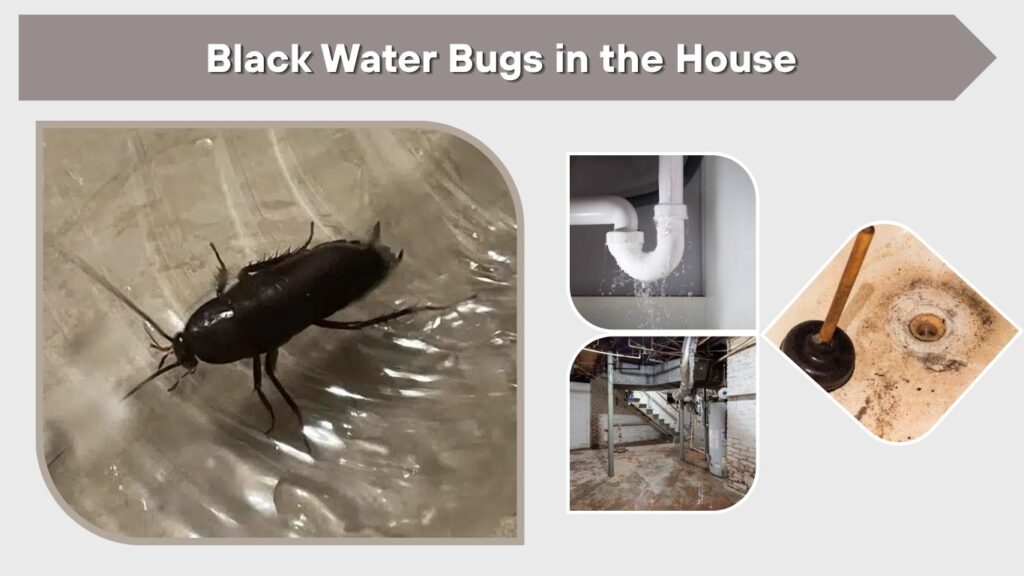
Black water bugs in the house are often cockroaches, especially Oriental cockroaches. They prefer damp, dark areas such as basements, bathrooms, floor drains, kitchens, and crawl spaces. A single true water bug may enter by accident, but repeated sightings usually suggest moisture, food, or entry points inside the home.
Why Black Water Bugs Come Inside
Black water bugs come inside when they find moisture, shelter, warmth, or food. Heavy rain, drought, cold weather, or outdoor disturbance can also push them indoors.
They may be attracted by:
- Leaking pipes
- Damp basements
- Dirty drains
- Open trash bins
- Food crumbs
- Pet food bowls
- Wet crawl spaces
- Gaps under doors
- Foundation cracks
- Cluttered storage areas
If you see them regularly, check the dampest areas of the home first.
Where They Hide Indoors
Black water bugs usually hide in dark, moist places during the day. They often come out at night to search for food and water.
Common hiding spots include under sinks, behind toilets, near floor drains, behind washing machines, under refrigerators, around water heaters, and inside basement corners. They may also hide in wall gaps, cabinet cracks, crawl spaces, or under damp cardboard boxes.
Finding the hiding area is more important than killing one visible bug. If the moisture source remains, more bugs may return.
Black Water Bugs in Basement
Basements are one of the most common places to find black water bugs. A basement may have humidity, cracks, drains, storage boxes, and less daily movement. These conditions make it attractive to cockroach-like water bugs.
Check around sump pumps, floor drains, water heaters, foundation cracks, and stored cardboard. Use a dehumidifier if the basement feels damp. Replace cardboard with sealed plastic bins, repair leaks, and seal cracks where bugs may enter.
Black Water Bug vs Cockroach
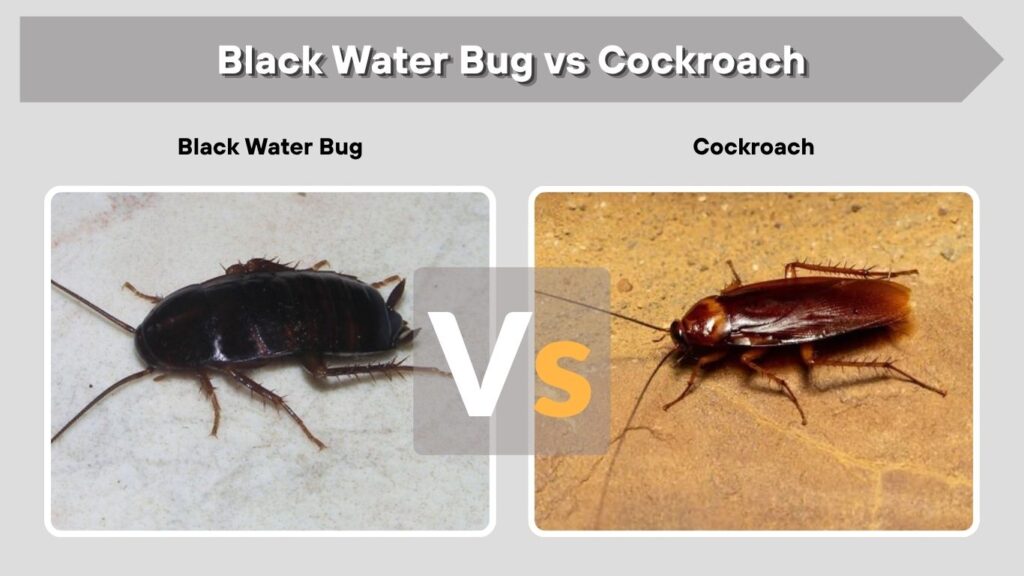
A black water bug and a cockroach can look similar, but they are not always the same insect. Many “black water bugs” inside homes are actually Oriental cockroaches. True water bugs are aquatic insects that usually live outside. The easiest way to tell them apart is by body shape, habitat, movement, and behavior.
Main Differences
True water bugs are built for life in water. They often have flat bodies, swimming legs, and mouthparts for catching prey. They may appear near ponds, pools, or outdoor lights.
Cockroaches are built for running and hiding. They have long antennae, fast legs, and oval bodies. They prefer damp indoor or outdoor hiding areas and can feed on household scraps.
| Feature | True Black Water Bug | Black Cockroach Called Water Bug |
| Main habitat | Ponds, pools, lakes, wetlands | Basements, drains, kitchens, bathrooms |
| Body shape | Broad, flat, aquatic-looking | Long, oval, shiny |
| Legs | Often adapted for swimming or grabbing prey | Built for fast running |
| Antennae | Usually shorter or less noticeable | Long and visible |
| Indoor survival | Usually accidental | Can live and breed indoors |
| Bite risk | Can bite if handled | Rarely bites people |
| Main issue | Painful bite if touched | Infestation risk |
Black Water Bug That Looks Like a Cockroach
If the insect looks like a cockroach, runs fast, has long antennae, and appears in the house, it is probably a cockroach. Oriental cockroaches are commonly called black water bugs because they are dark and like damp spaces.
These insects may enter through drains, crawl spaces, basement cracks, or gaps around doors. Unlike true water bugs, they can survive indoors if they find water and food. Repeated sightings should be treated as a possible pest problem.
Are Black Water Bugs Cockroaches?
Some black water bugs are cockroaches, but not all. The name “water bug” is often used casually, which creates confusion. A bug in a pond or swimming pool may be a true aquatic insect. A bug in a kitchen, bathroom, basement, or drain area is more likely to be a cockroach.
Location is a major clue. Indoor black water bugs that appear again and again usually need pest control steps, especially if they are found near food or drains.
Black Water Bugs in Pool or Water
Black water bugs in pool water are usually aquatic insects, not indoor cockroaches. Pools can attract bugs because the water reflects light and looks like a natural pond. Some insects may land in the pool by mistake, while others stay if algae, small insects, or organic debris are present.
Black Bugs in Pool Water
Black bugs in pool water may be water boatmen, backswimmers, diving beetles, or other aquatic insects. Water boatmen usually feed on algae and tiny organic matter. Backswimmers are predators and may bite if handled. Diving beetles can swim underwater and may also fly to new water sources.
These insects do not usually infest houses. They are attracted to the pool environment. If your pool has algae or many small insects, it may attract more black water bugs.
Tiny Black Bugs in Water Bowl
Tiny black bugs in a pet’s water bowl may be small flies, beetles, springtails, mosquito larvae, or other moisture-loving insects. They are not always true water bugs. Standing water, food residue, and nearby moisture can attract them.
Clean the bowl daily, scrub the surface, replace the water often, and keep the feeding area dry. If tiny bugs keep appearing, inspect nearby drains, plants, pet food storage, and damp corners.
Black Bugs on Water Surface
Some small black bugs move on or near the water surface. They may be water striders, springtails, mosquito larvae, or small aquatic beetles. Their behavior can help identify them.
Bugs that skate on top of water may be surface-dwelling insects. Bugs that dive underwater may be beetles or aquatic bugs. Bugs that wiggle like tiny tadpoles may be larvae. Removing debris and keeping water clean usually reduces them.
Do Black Water Bugs Bite?
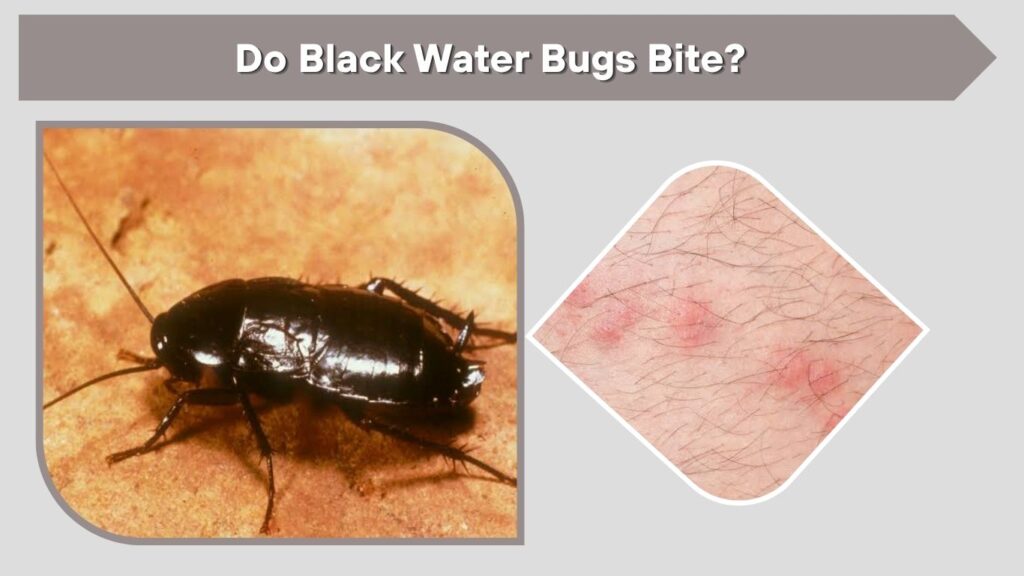
Some black water bugs can bite, but the risk depends on the insect. True aquatic water bugs and backswimmers may bite if handled or pressed against the skin. Cockroach-like black water bugs rarely bite people. Their main concern is contamination, droppings, and possible indoor infestation.
Black Water Bugs That Bite
True water bugs have piercing mouthparts used to catch prey. Giant water bugs can give a painful bite if picked up. Backswimmers may also bite if disturbed in pools or ponds. These bites can hurt, but the insects are not trying to feed on people.
They usually bite only in self-defense. Avoid handling large aquatic insects with bare hands. Use a container, net, or gloves if you need to remove one.
Are Black Water Bugs Dangerous?
Most black water bugs are not dangerous when left alone. True water bugs can bite, but they do not attack people on purpose. Cockroach-like black water bugs can be a health concern because they may contaminate surfaces and food areas.
If the insect is in a pool, remove it with a net. If it is in the house and looks like a cockroach, focus on cleaning, moisture control, and sealing entry points.
What to Do After a Bite
If a black water bug bites you, wash the area with soap and water. Apply a cold compress to reduce pain or swelling. Avoid scratching the area.
Get medical advice if swelling becomes severe, pain worsens, the skin looks infected, or you have an allergic reaction. Most bites from true water bugs are painful but not serious for most people.
How to Get Rid of Black Water Bugs
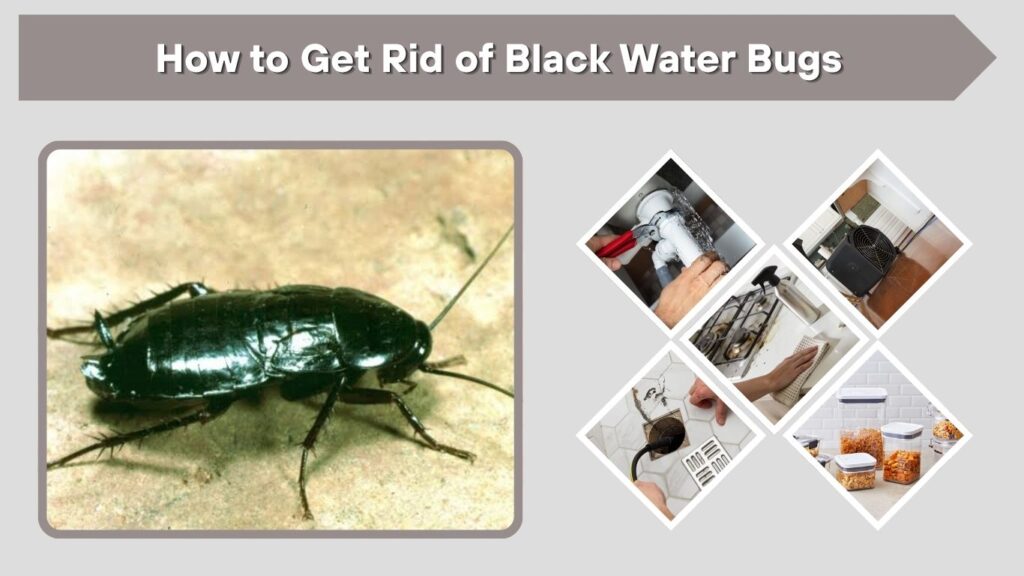
Getting rid of black water bugs depends on where they are found. Indoor cockroach-like water bugs need moisture control, cleaning, sealing, and baiting. Pool water bugs need better water maintenance. True aquatic bugs that wander inside can usually be removed and released outdoors.
Remove Indoor Attractants
Start by making your home less attractive. Black water bugs need moisture, shelter, and food.
Helpful steps include:
- Fix leaking pipes and faucets
- Dry wet cabinets and floors
- Clean drains and remove buildup
- Store food in sealed containers
- Take out trash regularly
- Clean grease behind stoves
- Remove clutter from basements
- Use a dehumidifier in damp rooms
- Replace cardboard storage with plastic bins
These steps reduce both food and hiding places.
Seal Entry Points
Black water bugs often enter through small gaps. Inspect the home carefully, especially around damp areas.
Seal gaps under doors, cracks in the foundation, pipe holes, basement windows, crawl space vents, and garage openings. Repair torn window screens and add door sweeps where needed.
If bugs appear near drains, check the area around the pipes. Sometimes insects hide in gaps around plumbing, not inside the drain itself.
Control Black Water Bugs in Pools
For black water bugs in a pool, focus on water quality. Skim insects from the surface, brush pool walls, remove leaves, and keep chlorine levels balanced. Algae and tiny insects can attract water boatmen and backswimmers.
Run the pump regularly and clean filters as needed. Outdoor lights near the pool may also attract flying aquatic insects, so reduce unnecessary lighting at night.
How to Prevent Black Water Bugs
Prevention works best when you remove the conditions that attract black water bugs. Keep indoor areas dry, outdoor areas clean, and water sources maintained. Regular inspection is better than waiting until bugs appear in large numbers.
Indoor Prevention Tips
Keep kitchens, bathrooms, basements, and laundry rooms clean and dry. Wipe spills, repair leaks, and avoid leaving dishes overnight. Empty trash bins and store pet food tightly.
Use exhaust fans in bathrooms and dehumidifiers in damp basements. Clean under appliances and check for hidden grease. Seal gaps around pipes and baseboards to reduce hiding places.
Outdoor Prevention Tips
Outdoor moisture can bring black water bugs close to the house. Clean gutters, remove leaf piles, avoid overwatering plants, and keep mulch away from the foundation.
Make sure water drains away from the house. Seal foundation cracks and keep garage doors closed when not in use. If outdoor lights attract bugs, use yellow bug lights or turn off lights when possible.
When to Call Pest Control
Call pest control if you keep seeing black water bugs indoors, find baby bugs, notice droppings, or see them during the day. These signs may suggest a cockroach infestation.
A professional can identify the insect, locate hidden areas, and use the right treatment. This is especially helpful in apartments, basements, older homes, or buildings with drain and crawl space problems.
FAQs
What is a black water bug?
A black water bug may be a true aquatic insect, a water beetle, a backswimmer, or a dark cockroach. Indoors, the name often refers to Oriental cockroaches because they are dark and prefer damp places. Correct identification depends on body shape, location, size, and behavior.
Are black water bugs cockroaches?
Some black water bugs are cockroaches, especially when found inside homes. Oriental cockroaches are commonly called black water bugs because they are dark and moisture-loving. However, true aquatic water bugs also exist and usually live in ponds, pools, lakes, or other wet habitats.
Do black water bugs bite?
True black water bugs and backswimmers can bite if handled or pressed against the skin. Their bites may be painful, but they usually happen in self-defense. Cockroach-like black water bugs rarely bite people. Their main concern is contamination and infestation, not biting.
Why are black water bugs in my house?
Black water bugs may enter your house because of moisture, food, shelter, or gaps around doors, pipes, drains, and foundations. Damp basements, leaking pipes, dirty drains, and crawl spaces are common causes. Repeated sightings usually mean the home has conditions attracting them.
How do I get rid of black water bugs?
Fix leaks, dry damp areas, clean drains, remove food crumbs, seal entry points, and use traps or cockroach baits if they are indoor roaches. For pool bugs, skim the water, clean algae, balance chemicals, and reduce outdoor lights. Call pest control for repeated indoor sightings.