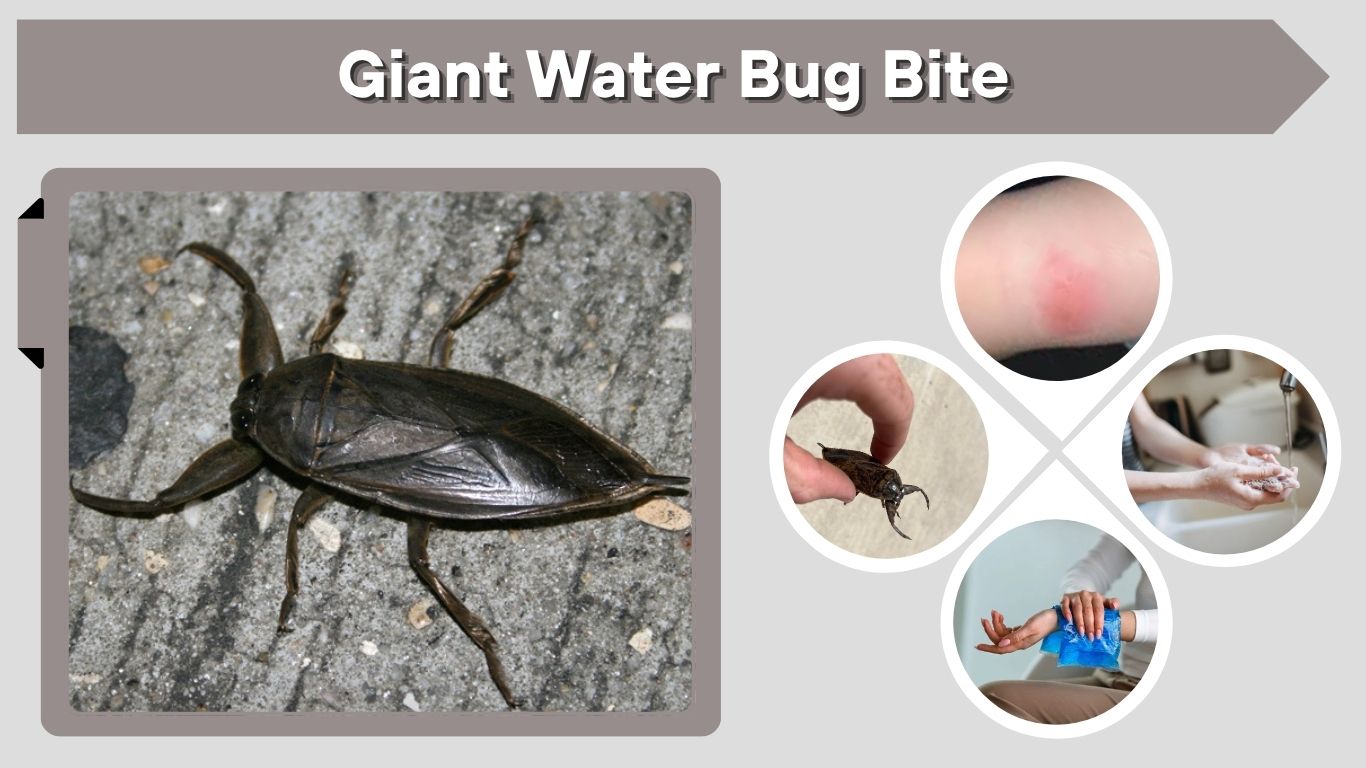
A giant water bug bite can be shocking because this insect is large, strong, and known for delivering one of the more painful bites among aquatic bugs. Often called a “toe-biter,” the giant water bug does not usually attack people, but it may bite when stepped on, grabbed, or trapped against the skin. Knowing what the bite feels like, how to treat it, and when to seek medical help can make the situation easier to handle.
What Is a Giant Water Bug Bite?
A giant water bug bite happens when the insect uses its sharp, beak-like mouthpart to pierce the skin. These insects are aquatic predators, so their mouthparts are designed to inject saliva into prey and break down tissue. In humans, this can cause sudden pain, redness, swelling, and irritation.
The bite is usually defensive. Giant water bugs do not feed on people, and they do not chase humans. Most bites happen by accident, especially in shallow water, swimming pools, ponds, or when someone tries to pick up the insect.
Why Is It Called a Toe-Biter?
The nickname “toe-biter” comes from the way these insects may bite people who step near them in water. If a swimmer or barefoot person accidentally touches one, the bug may defend itself by biting the foot or toe.
This name sounds dramatic, but it describes a real behavior. Giant water bugs often hide among plants, leaves, or debris in shallow water. Because they stay still and blend in well, people may not see them before stepping close.
Do Giant Water Bugs Bite Humans?
Yes, giant water bugs can bite humans. However, they usually bite only when handled or disturbed. They are not aggressive in the same way as some stinging insects that defend nests. A giant water bug is more likely to stay hidden, swim away, or play dead before biting.
A bite may happen when someone:
- Picks up the insect with bare hands
- Steps on it in shallow water
- Removes it from a swimming pool carelessly
- Traps it inside clothing or footwear
- Touches it while fishing, swimming, or cleaning a pond
What Does a Giant Water Bug Bite Feel Like?
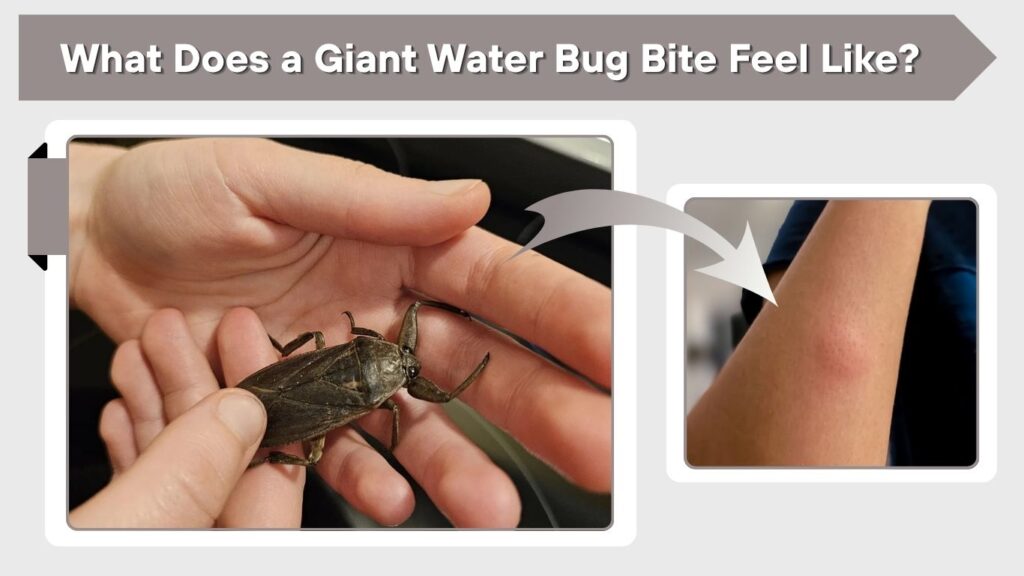
A giant water bug bite usually feels like a sudden, sharp, burning pain. Some people describe it as a stabbing sensation. The pain can be intense at first because the insect’s mouthpart is designed to pierce and inject saliva into prey.
The discomfort may last for several minutes or longer, depending on the depth of the bite and how long the insect stayed attached. After the sharp pain fades, the area may remain tender, swollen, or irritated.
Giant Water Bug Bite Pain Scale
There is no official medical pain scale used only for giant water bug bites. However, many people describe the pain as strong, sudden, and memorable. It is generally painful enough to make someone pull away immediately.
The bite may feel worse than a mosquito bite or ant bite because it involves a piercing mouthpart rather than a small surface irritation. Still, most bites are not life-threatening and can be managed with basic first aid.
What Does a Giant Water Bug Bite Look Like?
A giant water bug bite may look like a small puncture mark with redness around it. In some cases, there may be mild swelling, tenderness, or a raised irritated area. The bite does not always leave a dramatic wound, even if the pain feels severe.
Some people search for giant water bug bite pictures because they expect a large hole or open wound. In most mild cases, the mark is much smaller than expected. However, if the bite becomes infected or irritated from scratching, it can look worse over time.
| Bite Feature | What You May Notice |
|---|---|
| Pain | Sharp, burning, or stabbing feeling |
| Mark | Small puncture spot or red area |
| Swelling | Mild swelling around the bite |
| Skin reaction | Tenderness, warmth, or irritation |
| Serious concern | Spreading redness, pus, fever, or severe allergy symptoms |
Giant Water Bug Bite Holes
The phrase “bite holes” can be misleading. A giant water bug may leave a visible puncture, but it usually does not create a large hole in human skin. The bite can hurt more than it looks.
If the bite area develops an open sore, drainage, increasing redness, or worsening swelling, it may be infected or irritated. In that case, it should be checked by a medical professional.
Giant Water Bug Bite Symptoms
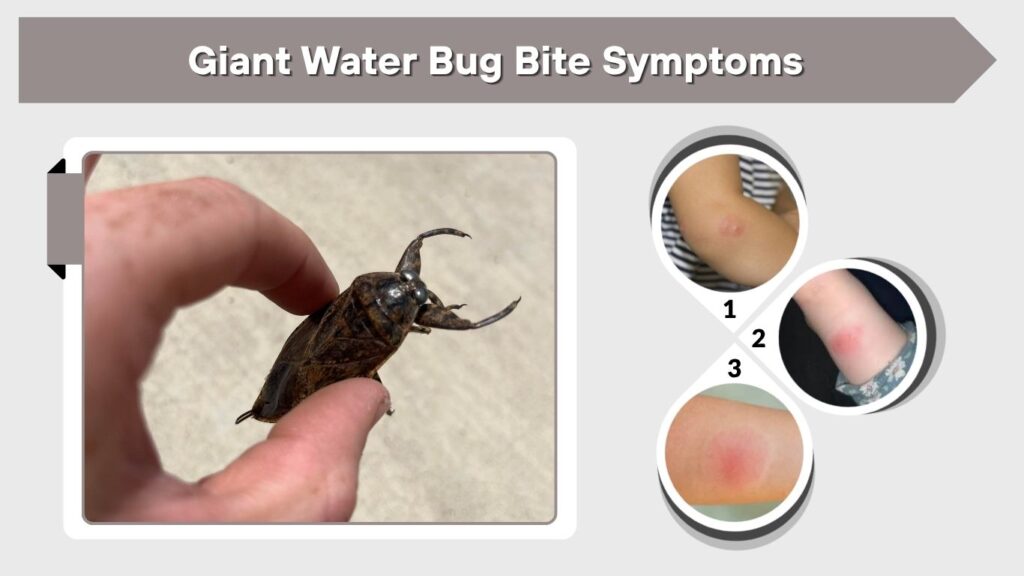
Symptoms can vary from person to person. Some people may have only pain and minor redness, while others may notice swelling or lasting tenderness.
Common symptoms include:
- Sudden sharp pain
- Burning sensation
- Small puncture mark
- Redness around the bite
- Mild swelling
- Tenderness when touched
- Skin irritation
Most symptoms are local, meaning they stay around the bite area. The bite is usually not dangerous for healthy adults, but allergic reactions and infections are possible with any bug bite.
Giant Water Bug Bite Reaction
A normal reaction may include pain, redness, and swelling near the bite. These symptoms should gradually improve. A more concerning reaction may include swelling that spreads, increasing warmth, pus, fever, or red streaks.
Allergic reactions are less common but should be taken seriously. Trouble breathing, dizziness, swelling of the lips or face, or difficulty swallowing requires emergency care.
Giant Water Bug Bite Treatment
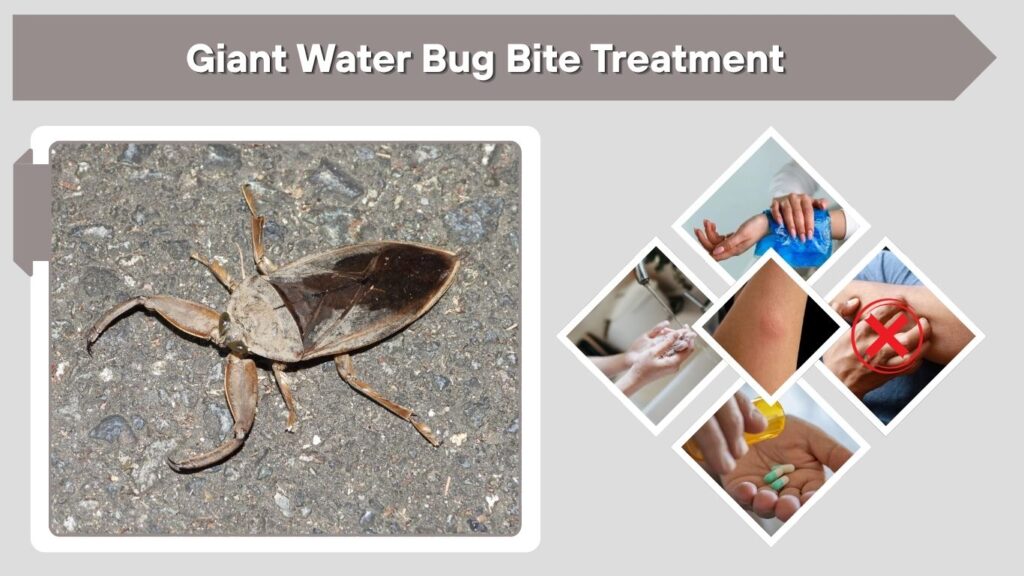
The first step is to stay calm and clean the area. Most minor bites can be treated at home with simple first aid.
Basic First Aid Steps
Follow these steps after a bite:
- Wash the bite with soap and clean water
- Apply a cold compress for 10 to 15 minutes
- Keep the area clean and dry
- Avoid scratching or squeezing the bite
- Use an over-the-counter pain reliever if suitable
- Monitor the bite for changes over the next day or two
Do not cut the skin, apply harsh chemicals, or try to drain the bite. These actions may increase the risk of infection.
How to Treat Pain and Swelling
Cold compresses are often helpful for pain and swelling. Wrap ice or a cold pack in a cloth instead of placing it directly on the skin. Repeat as needed during the first few hours.
If the skin feels itchy or irritated later, a mild anti-itch cream may help. Pain relievers may also reduce discomfort, but people with medical conditions, allergies, or medication restrictions should follow professional advice.
When Should You See a Doctor?
Most giant water bug bites are painful but not serious. Still, medical attention is important if symptoms become unusual or severe.
Seek medical help if you notice:
- Redness spreading away from the bite
- Increasing swelling or warmth
- Pus or drainage
- Fever or chills
- Severe pain that does not improve
- Red streaks near the bite
- Numbness or unusual skin changes
Emergency care is needed if there are signs of a serious allergic reaction, such as trouble breathing, chest tightness, dizziness, fainting, or swelling of the face, mouth, or throat.
Are Giant Water Bug Bites Venomous?
Giant water bugs use saliva that helps break down prey. Some people describe this as venom-like because it causes pain and tissue irritation. However, a bite is usually not considered deadly to humans.
The main concern is pain, local skin reaction, and possible infection if the bite is scratched or not cleaned properly. The safest approach is to treat the bite like a puncture wound: clean it well, reduce swelling, and watch for warning signs.
Can a Giant Water Bug Bite a Dog?
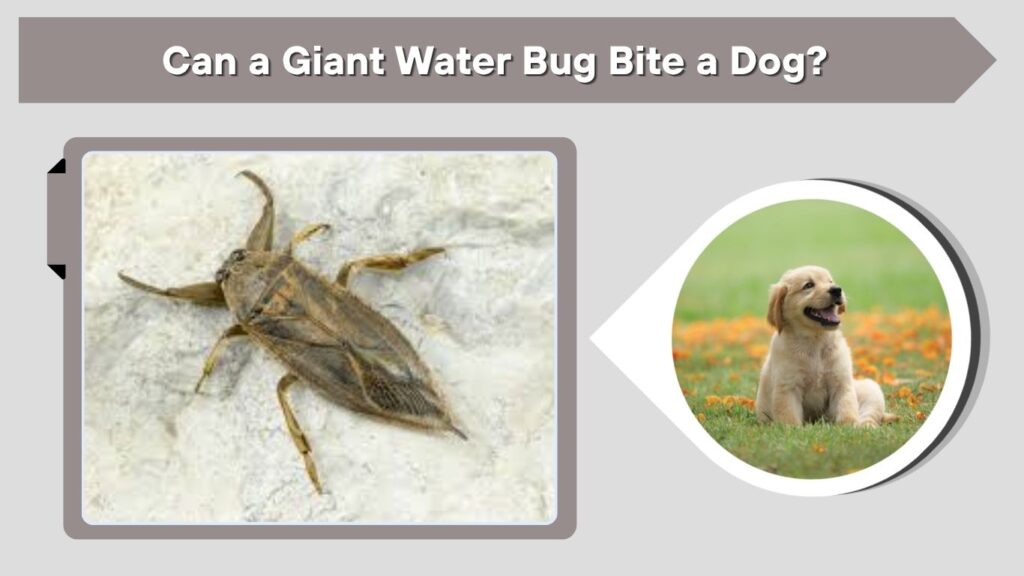
A giant water bug may bite a dog if the dog steps on it, mouths it, or plays with it near water. The bite may cause sudden yelping, paw licking, swelling, or irritation.
If a dog is bitten, rinse the area gently and prevent licking if possible. Contact a veterinarian if swelling is severe, the dog seems weak, breathing changes, or the bite appears infected. Small pets may react more strongly than larger animals.
How to Avoid Giant Water Bug Bites
Prevention is simple: do not handle giant water bugs with bare hands. These insects may look slow, but they can bite quickly when threatened.
Safety Tips Near Water
Use these tips around ponds, pools, and wetlands:
- Wear water shoes in natural ponds or muddy areas
- Check pools before swimming
- Use a skimmer to remove insects from pool water
- Avoid picking up large aquatic bugs
- Keep children from touching unfamiliar insects
- Use gloves when cleaning pond plants or debris
- Reduce bright outdoor lights near pools at night
Giant water bugs can fly and may be attracted to lights. Turning off unnecessary outdoor lighting can reduce the chance of finding them near patios, porches, and swimming pools.
FAQs
How painful is a giant water bug bite?
A giant water bug bite can be very painful because the insect uses a sharp beak to pierce the skin. Many people describe the pain as sudden, burning, or stabbing. The strongest pain often happens immediately after the bite, then gradually improves with cleaning, cold compresses, and basic care.
What happens if a giant water bug bites you?
If a giant water bug bites you, you may feel sharp pain and notice redness, swelling, or a small puncture mark. Wash the area with soap and water, apply a cold compress, and avoid scratching. Most bites improve, but spreading redness, pus, fever, or severe swelling needs medical attention.
What does a giant water bug bite look like?
A giant water bug bite may look like a small red puncture mark with mild swelling around it. The bite can hurt more than it looks. If the area becomes increasingly red, warm, swollen, or starts draining fluid, it may be infected and should be checked by a healthcare professional.
Are giant water bug bites dangerous?
Giant water bug bites are usually painful rather than dangerous. They are defensive bites and do not mean the insect is hunting humans. However, any bite can become serious if infection or allergic reaction occurs. Seek urgent care for breathing trouble, dizziness, facial swelling, fever, or rapidly spreading redness.
How do you treat a giant water bug bite at home?
Clean the bite with soap and water, then apply a cold compress to reduce pain and swelling. Keep the area dry and avoid scratching. Over-the-counter pain relief may help if suitable for you. Do not cut, squeeze, or apply harsh substances to the bite, as this can increase infection risk.