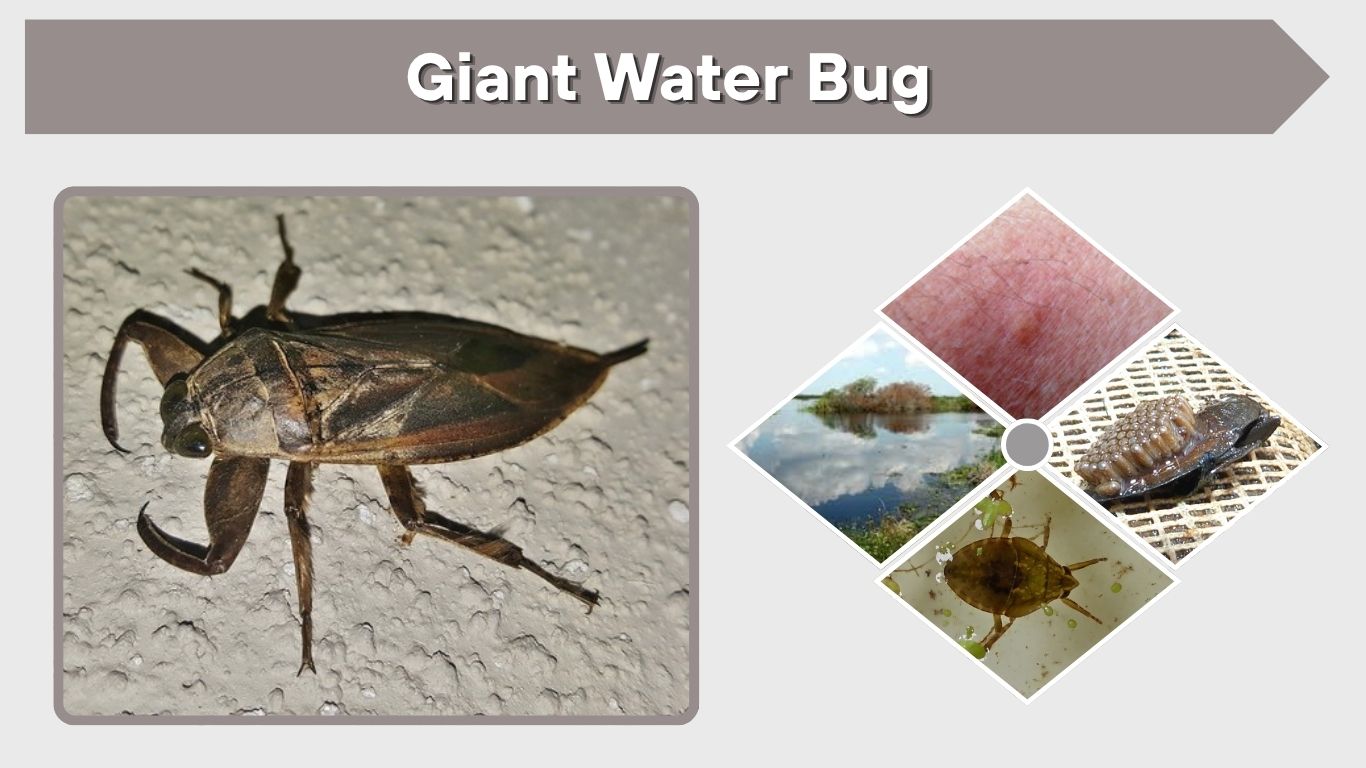
A giant water bug is one of the most surprising insects people find near ponds, pools, lakes, and outdoor lights. Its large body, strong front legs, and painful defensive bite make it both fascinating and intimidating. Although it can look dangerous, this aquatic insect usually avoids people. Understanding its behavior, habitat, diet, and bite risk helps you identify it safely and appreciate its role in freshwater ecosystems.
What Is a Giant Water Bug?
A giant water bug is a large aquatic insect from the family Belostomatidae. It is also commonly called a toe-biter, electric-light bug, or fish killer. These names come from its painful bite, habit of flying toward lights, and ability to capture small aquatic animals.
Giant water bugs are true bugs, not beetles or cockroaches. They belong to the insect order Hemiptera, which includes many insects with piercing and sucking mouthparts. Instead of chewing food, a giant water bug uses a sharp beak-like structure to pierce prey and suck fluids from it.
Why People Notice Them
People often notice giant water bugs because they are much larger than many other insects found near water. Some are brown, flattened, and oval-shaped, which helps them blend into mud, leaves, and aquatic plants. Their front legs look almost like claws and are used to grab prey quickly.
You might see one:
- Floating near the surface of a pond or pool
- Crawling around outdoor lights at night
- Resting in shallow water near vegetation
- Moving awkwardly on land after flying
- Hiding among leaves, sticks, and aquatic plants
Giant Water Bug Identification
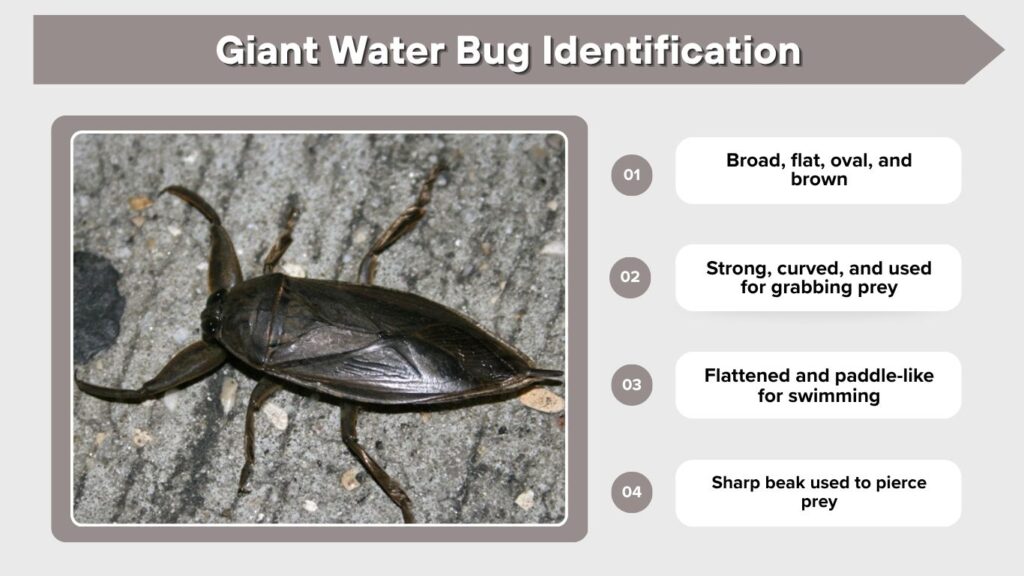
Identifying a giant water bug is easier when you know what features to look for. Its body is usually broad, flat, and brownish. The shape helps it hide in freshwater environments and move through vegetation without being easily noticed.
Main Physical Features
A giant water bug usually has a flat oval body, large front legs, and paddle-like hind legs. The front legs are built for catching prey, while the back legs help it swim. Many species also have short breathing tubes at the end of the body, which allow them to take in air while staying partly underwater.
| Feature | What to Look For |
|---|---|
| Body shape | Broad, flat, oval, and brown |
| Front legs | Strong, curved, and used for grabbing prey |
| Hind legs | Flattened and paddle-like for swimming |
| Mouthpart | Sharp beak used to pierce prey |
| Common places | Ponds, lakes, marshes, pools, and slow streams |
Giant Water Bug vs Cockroach
Many people mistake giant water bugs for cockroaches because both can be brown and oval-shaped. However, they are very different insects. Cockroaches usually live on land, have long antennae, and run quickly across floors or walls. Giant water bugs are aquatic insects with strong swimming legs and powerful front legs for hunting.
A simple way to tell the difference is location. If the insect is found in a pond, pool, wetland, or near aquatic plants, it may be a giant water bug. If it is found inside kitchens, drains, cabinets, or food storage areas, it is more likely to be a cockroach.
Where Do Giant Water Bugs Live?
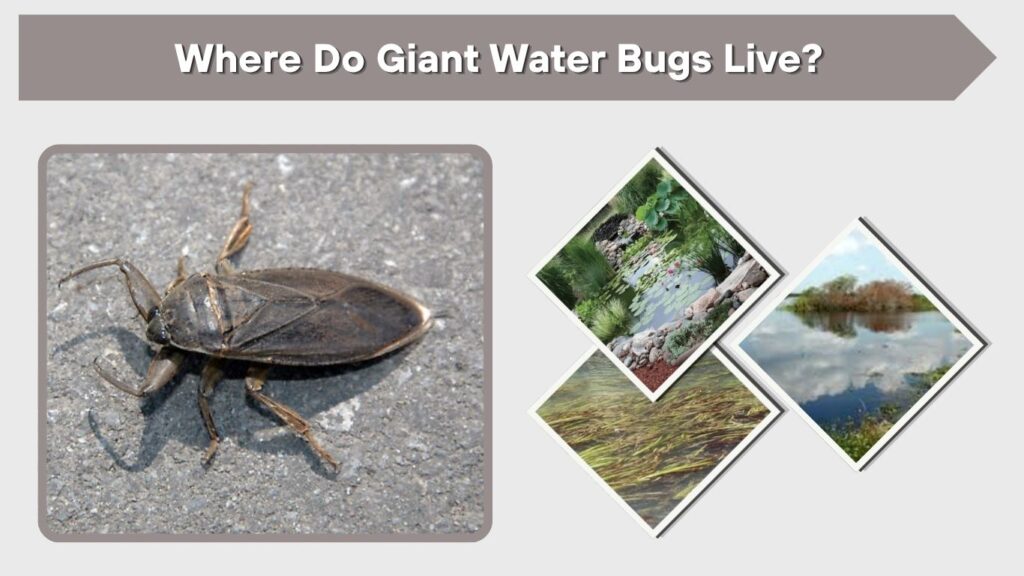
Giant water bugs live in freshwater environments. They prefer places where they can hide, breathe, and ambush prey. Still water and slow-moving water are especially suitable because these areas often contain aquatic insects, tadpoles, small fish, and other prey.
Common Habitats
Giant water bugs are often found in:
- Ponds with plants and shallow edges
- Lakes with muddy or leafy margins
- Marshes and wetlands
- Vernal pools and seasonal water bodies
- Slow-moving streams
- Swimming pools, especially after storms or night flights
They are not limited to wild habitats. A giant water bug may appear in a backyard pool, especially if outdoor lights attract it at night. Finding one in a pool does not always mean there is an infestation. It may have flown there accidentally.
Why They Come Near Homes
Giant water bugs are sometimes called electric-light bugs because adults may fly to lights. This usually happens at night. They may land on patios, porches, driveways, or near swimming pools.
They are not usually looking for people. They are moving between water sources, searching for food, or attracted by bright lights. If you find one near your home, avoid handling it with bare hands.
What Do Giant Water Bugs Eat?
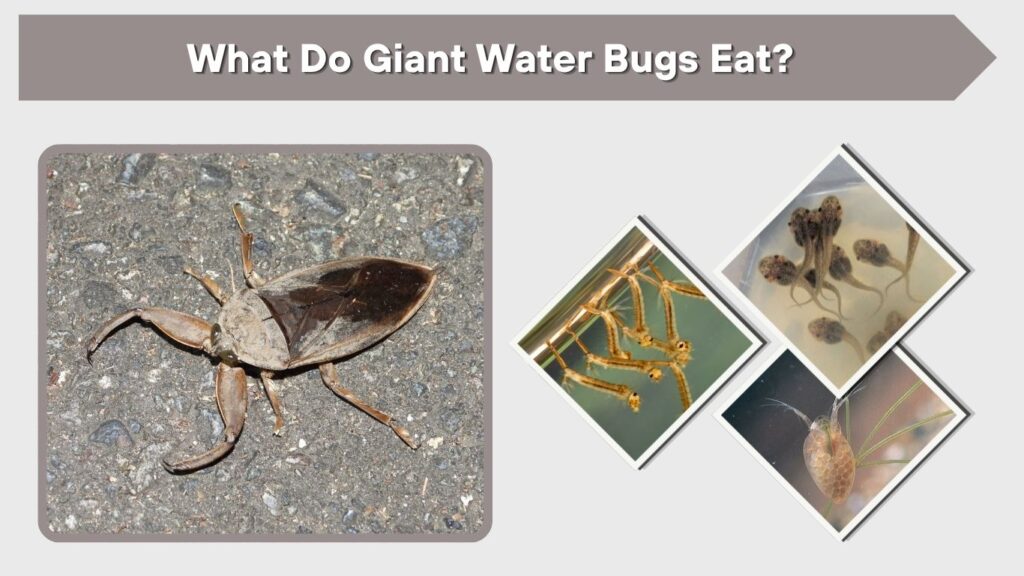
Giant water bugs are predators. They help control populations of smaller aquatic animals and insects. Their hunting style is based on patience, camouflage, and sudden movement.
Typical Diet
A giant water bug may eat:
- Aquatic insects
- Mosquito larvae
- Tadpoles
- Small fish
- Snails
- Small frogs
- Salamanders
- Other small freshwater animals
They usually wait among plants or debris until prey comes close. Then they grab the prey with their front legs and use their piercing mouthpart to feed. This makes them important predators in freshwater ecosystems.
Are They Good for the Environment?
Yes, giant water bugs are useful in natural habitats. They are part of the food web and help balance aquatic populations. While they may seem scary because of their size and bite, they are not pests in the same way cockroaches, termites, or mosquitoes can be.
In a pond or wetland, they are a sign of active aquatic life. In a swimming pool, however, most people prefer to remove them safely and prevent more from arriving.
Do Giant Water Bugs Bite?
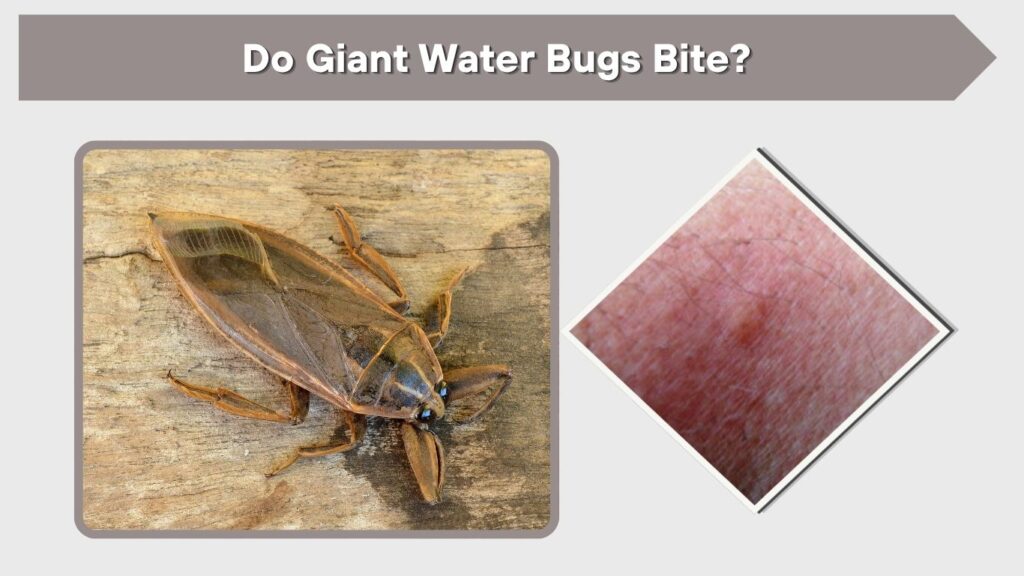
Yes, giant water bugs can bite. Their bite is one of the main reasons they are called toe-biters. The bite can be very painful, especially if someone steps on one in shallow water or picks it up.
Why They Bite
A giant water bug usually bites as a defense. It does not seek out humans as food. Bites often happen when people:
- Step on one in shallow water
- Pick one up with bare hands
- Try to remove one from a pool
- Accidentally trap one against the skin
- Handle dead-looking insects that are still alive
The insect uses its sharp beak to pierce skin. The pain can be intense, but most bites are not life-threatening for healthy people.
Giant Water Bug Bite Symptoms
A bite may cause immediate sharp pain. Some people may also notice redness, swelling, tenderness, or irritation around the bite area. The discomfort usually improves with basic care, but reactions can vary.
Possible symptoms include:
- Sudden burning or stabbing pain
- Redness around the bite
- Mild swelling
- Tenderness
- Temporary irritation
Seek medical advice if symptoms are severe, if swelling spreads, if signs of infection appear, or if the person bitten has allergies or other health concerns.
Giant Water Bug Bite Treatment
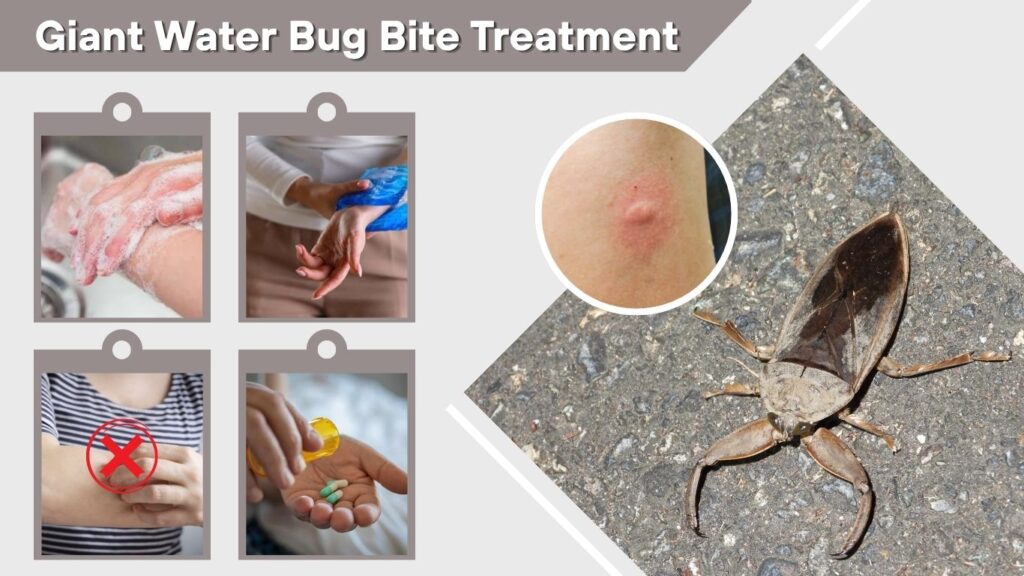
Most minor bites can be managed with simple first aid. The goal is to clean the area, reduce pain, and watch for unusual symptoms.
Basic First Aid Steps
If you are bitten by a giant water bug:
- Wash the bite area with soap and clean water
- Apply a cold compress to reduce swelling and pain
- Avoid scratching the area
- Keep the bite clean and dry
- Use over-the-counter pain relief if appropriate
- Watch for infection, spreading redness, or worsening swelling
Do not cut the bite, squeeze it, or apply harsh chemicals. If pain is severe or symptoms do not improve, contact a healthcare professional.
Are Giant Water Bugs Dangerous?
Giant water bugs are not aggressive toward humans in normal situations. They are dangerous only in the sense that they can deliver a very painful bite when threatened or handled. They are best respected from a distance.
They are not poisonous in the way some animals are poisonous to eat or touch. However, their bite can still hurt a lot. The safest approach is simple: do not pick them up with bare hands.
Can Giant Water Bugs Fly?
Yes, many adult giant water bugs can fly. This surprises people because they are mostly known as aquatic insects. Flight helps them move from one water source to another, especially when conditions change.
Why They Fly at Night
Giant water bugs may fly at night and can be attracted to bright lights. This is why people sometimes find them near porch lights, parking lots, pools, and windows.
They may fly when:
- Searching for new water sources
- Leaving drying ponds or temporary pools
- Looking for mates
- Moving after storms or seasonal changes
- Being attracted to artificial lights
If giant water bugs often appear near your home, reducing outdoor lighting near water features may help.
Giant Water Bug Life Cycle
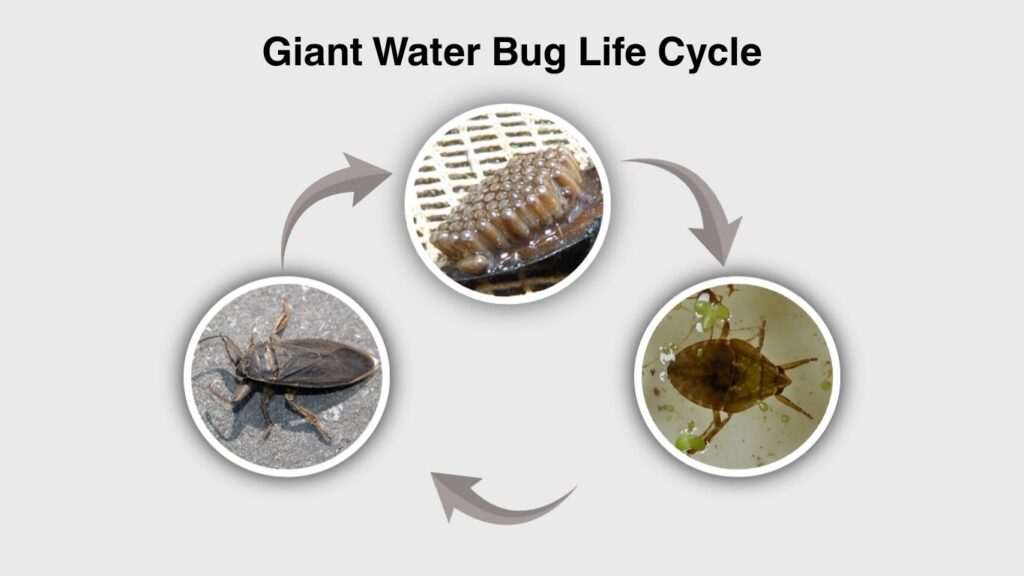
Giant water bugs have an incomplete life cycle. This means they do not go through a caterpillar-like larval stage. Instead, young bugs, called nymphs, look like smaller versions of adults.
Eggs, Nymphs, and Adults
The life cycle includes eggs, nymphs, and adults. Nymphs hatch from eggs and grow through several stages. As they develop, they molt, shedding their outer covering so they can become larger.
One of the most interesting facts about some giant water bugs is parental care. In certain species, males carry eggs on their backs until they hatch. This behavior is unusual among insects and makes giant water bugs especially fascinating to scientists and nature observers.
How to Remove Giant Water Bugs Safely
If you find a giant water bug in your pool, patio, or home area, avoid touching it directly. Even if it appears slow or inactive, it may still bite if handled.
Safe Removal Tips
Use careful, simple methods:
- Use a pool skimmer or long-handled net
- Wear thick gloves if you must handle it
- Place it away from people and pets
- Avoid crushing it with bare feet
- Keep children from touching it
- Turn off unnecessary outdoor lights near pools
If the insect is inside your home, use a container and stiff paper to capture it, or use gloves and a tool. Release it outside near a suitable natural area, away from walkways and swimming areas.
Preventing Them Around Pools
You cannot always prevent flying insects from landing in a pool, but you can reduce the chances.
Helpful steps include:
- Keep pool lights off when not needed
- Use a pool cover at night
- Remove floating leaves and debris
- Clean the pool regularly
- Reduce bright outdoor lighting near water
- Check the pool before swimming
These steps also help reduce other insects that may attract predators.
FAQs
Are giant water bugs harmful to humans?
Giant water bugs are not usually harmful unless they are handled, stepped on, or trapped against the skin. They do not hunt people, but they can bite defensively. The bite can be very painful and may cause redness or swelling. Most people recover with basic first aid, but severe symptoms should be checked by a medical professional.
What happens if a giant water bug bites you?
A giant water bug bite usually causes sudden sharp pain. The area may become red, swollen, or tender. Wash the bite with soap and water, apply a cold compress, and monitor the area. If pain is intense, swelling spreads, or signs of infection appear, medical advice is recommended.
Do giant water bugs fly into houses?
Giant water bugs can fly, especially at night, and they may be attracted to outdoor lights. Sometimes they land near doors, windows, patios, or pools and may accidentally enter homes. They are not indoor pests like cockroaches. Turning off unnecessary lights and sealing entry points can reduce indoor encounters.
What do giant water bugs eat in ponds?
In ponds, giant water bugs eat aquatic insects, tadpoles, small fish, snails, and other small freshwater animals. They are ambush predators that hide among plants and debris before grabbing prey with their front legs. Their feeding behavior helps balance freshwater ecosystems and control smaller aquatic animal populations.
Should I kill a giant water bug?
Killing a giant water bug is usually unnecessary. If it is in a pool or near your home, remove it safely with a net, container, or gloves. In natural ponds and wetlands, it plays an important ecological role as a predator. The best choice is to avoid handling it and move it away from people if needed.