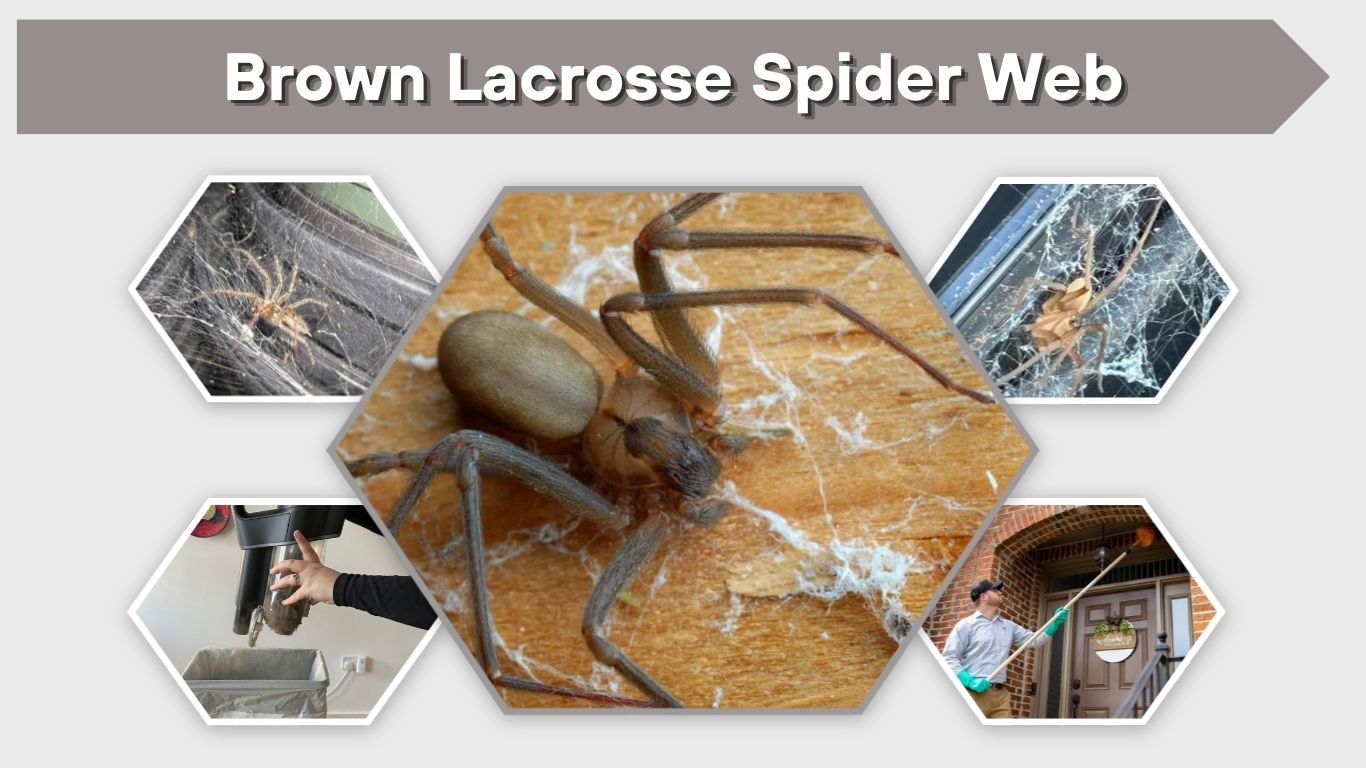
The keyword “brown lacrosse spider web” is most likely a misspelling of “brown recluse spider web.” The brown recluse is a real spider, while “brown lacrosse spider” is not a standard common name. If you found a messy brown spider web in a closet, basement, garage, or storage area, you may be wondering whether it belongs to a brown recluse. This guide explains what brown recluse webs look like, where they are found, and how to identify them safely.
What Is a Brown Lacrosse Spider Web?
A “brown lacrosse spider web” usually refers to a brown recluse spider web. People may type “lacrosse” by mistake because it sounds somewhat similar to “recluse.” In pest and spider identification, the correct name is brown recluse spider.
The brown recluse is a shy, hidden spider that prefers quiet, dark, undisturbed places. Unlike orb-weaving spiders, it does not make a neat circular web in the open. Its web is usually irregular, loose, messy, and tucked away in a protected area.
If you see a large round web across a doorway, porch, or garden path, it is probably not from a brown recluse. Brown recluse webs are usually hidden rather than displayed.
What Does a Brown Recluse Spider Web Look Like?
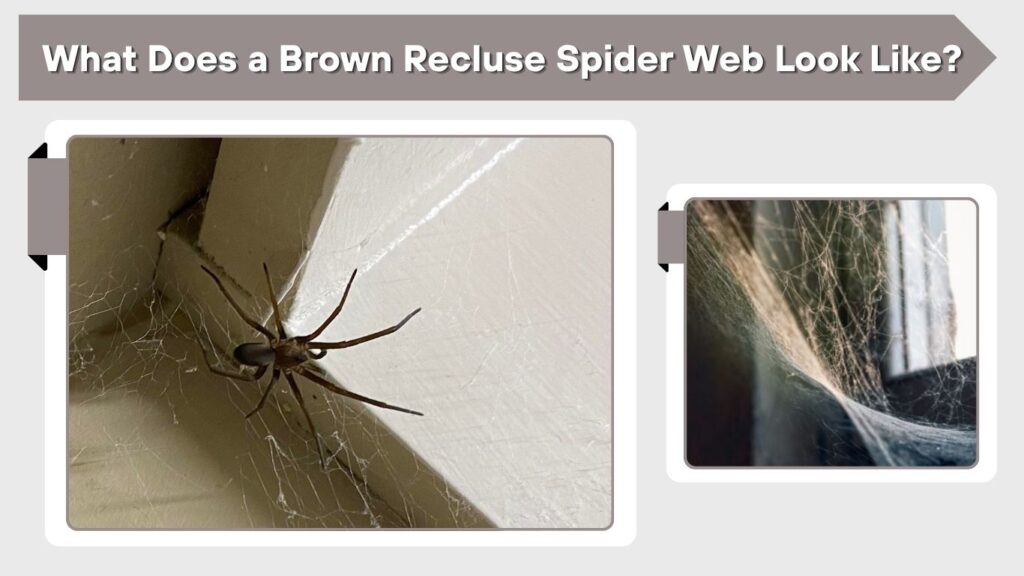
A brown recluse spider web is usually messy and irregular. It does not have a clean, wheel-shaped design. The web may look like loose silk threads, a small tangled sheet, or a dusty patch of webbing in a dark corner.
Brown recluse webs are often described as:
- Irregular
- Patternless
- Loose
- Messy
- Flat or sheet-like
- Hidden in protected places
- Dusty if old
- Sometimes thicker near a retreat
The spider may use the web as a retreat rather than a trap for flying insects. Brown recluse spiders are active hunters and scavengers. They may move around at night searching for prey, then return to hidden shelter during the day.
Where Are Brown Recluse Webs Found?
Brown recluse spiders prefer areas where they are rarely disturbed. Their webs are usually found close to the ground or inside cluttered spaces. In homes, they are most often associated with storage areas, basements, garages, attics, closets, and crawl spaces.
Common Indoor Locations
You may find brown recluse-style webbing in:
- Cardboard boxes
- Closets
- Basements
- Garages
- Attics
- Crawl spaces
- Behind furniture
- Under shelves
- Inside stored clothing
- Around old shoes
- Behind baseboards
- In storage bins
- Under stairs
Common Outdoor Locations
Outside, brown recluse spiders may shelter in:
- Woodpiles
- Sheds
- Barns
- Debris piles
- Rock crevices
- Under boards
- Old equipment
- Protected cracks and gaps
The important pattern is darkness and low disturbance. Brown recluse spiders are named “recluse” because they tend to stay hidden.
Brown Recluse Web vs Other Spider Webs
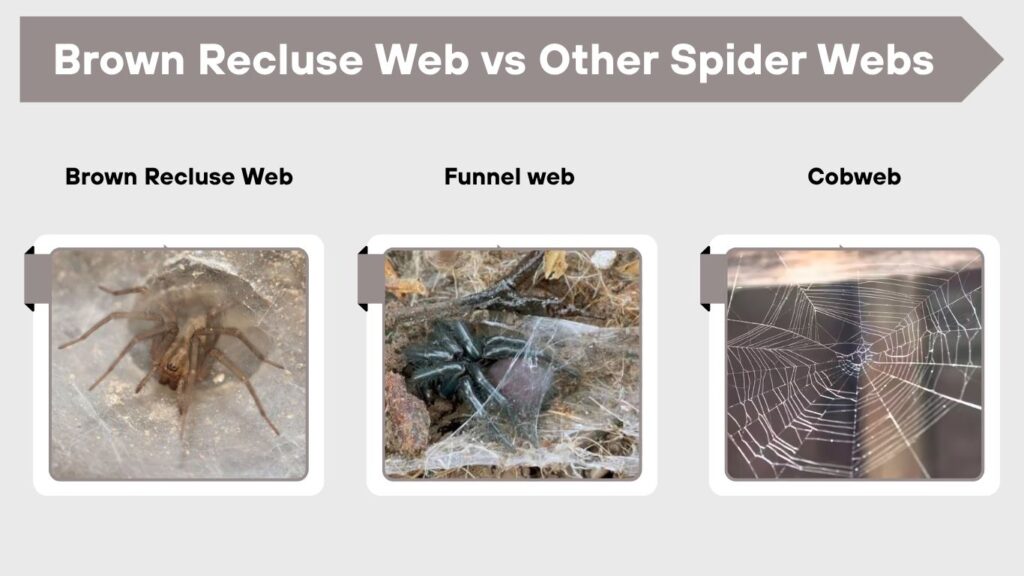
Many people see a messy web and immediately worry about brown recluse spiders. However, many harmless spiders also make irregular webs. A web alone is not enough for a confident identification.
| Web Type | Appearance | Likely Spider or Pest |
| Neat circular web | Wheel-shaped, open, often outdoors | Orb-weaver spider |
| Funnel web | Sheet with tunnel retreat | Funnel weaver or grass spider |
| Cobweb | Messy, tangled silk in corners | Cobweb spiders |
| Hidden irregular web | Loose, patternless web in dark area | Possible brown recluse |
| Web around tree leaves | Bag-like web enclosing foliage | Often caterpillars, not spiders |
| Thick dusty web in storage | Old irregular webbing | Many possible spiders |
Brown recluse webs are not the only messy webs. That is why the spider itself, the location, and the geographic range all matter.
How to Identify a Brown Recluse Spider
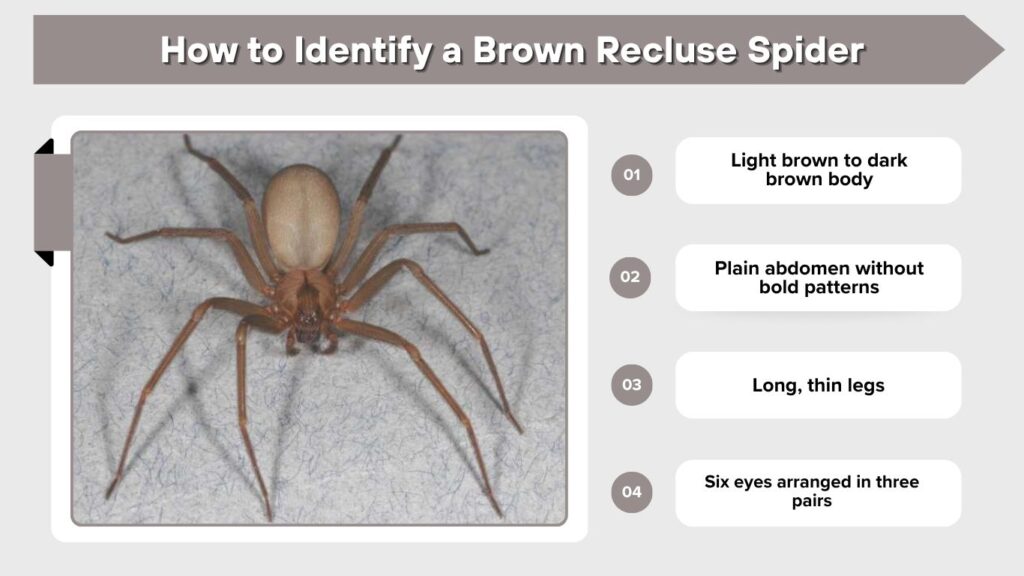
If you are trying to identify a brown recluse spider, do not rely only on the web. The spider’s body features are more important.
Key Brown Recluse Features
A brown recluse spider may have:
- Light brown to dark brown body
- Plain abdomen without bold patterns
- Long, thin legs
- A violin-shaped marking on the front body section
- Six eyes arranged in three pairs
- Body usually not hairy or bulky
- Reclusive behavior in dark spaces
The violin marking is famous, but it can be misleading. Some harmless spiders have markings that look similar. The six-eye pattern is more reliable, but it is hard to see without magnification. If identification matters, capture the spider safely in a container and contact a local extension office or pest professional.
The Violin Marking: Helpful but Not Perfect
The brown recluse is often called the “fiddleback spider” because of the dark violin-shaped mark on its cephalothorax, the front part of the body. The “neck” of the violin points toward the abdomen.
However, this marking should not be used alone. Many spiders have dark marks, shadows, or body patterns that can look like a violin. Lighting and camera angle can also make markings appear stronger or weaker than they really are.
A true brown recluse identification should consider:
- Eye pattern
- Body shape
- Leg structure
- Color
- Abdomen pattern
- Location
- Behavior
- Geographic range
Brown Recluse Range Matters
Location is one of the most important clues. Brown recluse spiders are not equally common everywhere. They are mainly associated with parts of the central, southern, and midwestern United States.
If you live far outside the known range, a suspected brown recluse may actually be another brown spider. Many harmless spiders are misidentified as brown recluses because they are brown, fast-moving, or found indoors.
That does not mean you should ignore a suspicious spider. It means you should avoid panic and seek proper identification.
Is a Brown Recluse Web Dangerous?
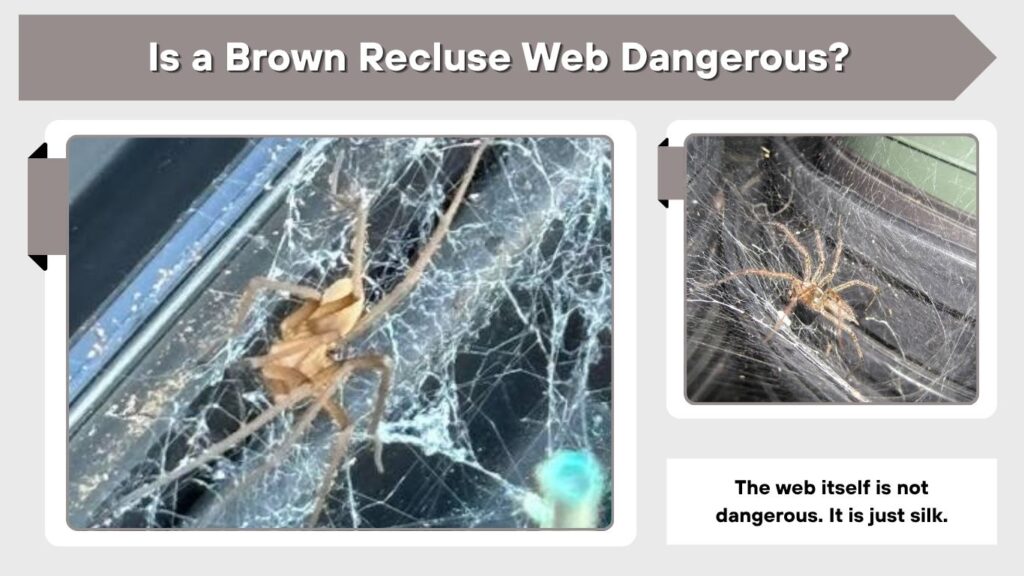
The web itself is not dangerous. It is just silk. The concern is whether a brown recluse spider is living nearby. Brown recluse spiders are venomous, and their bites can sometimes cause medically significant wounds. However, bites are not as common as many people think.
A brown recluse usually bites only when pressed against skin, trapped in clothing, or accidentally handled. It does not chase people or attack from its web.
The highest-risk situations include:
- Putting on stored shoes without checking them
- Wearing clothing left on the floor
- Reaching into dark boxes
- Moving clutter with bare hands
- Sleeping near heavy infestations
- Handling stored materials in garages or sheds
Brown Recluse Bite Concerns
A brown recluse bite may be painless at first or may feel like a small sting. Some bites remain mild, while others can become painful or develop a wound. Because many skin problems look like spider bites, you should be careful about assuming the cause unless you saw the spider bite you.
Possible bite symptoms may include:
- Redness
- Pain
- Swelling
- Itching
- Burning
- Blistering
- A sore that worsens
- Darkening skin near the bite
- Fever or body symptoms in more serious cases
Seek medical care if a suspected bite becomes severe, spreads, develops an open sore, shows signs of infection, or causes whole-body symptoms. Emergency care is needed for trouble breathing, facial swelling, dizziness, severe pain, or rapidly worsening symptoms.
How to Remove a Brown Recluse Spider Web Safely
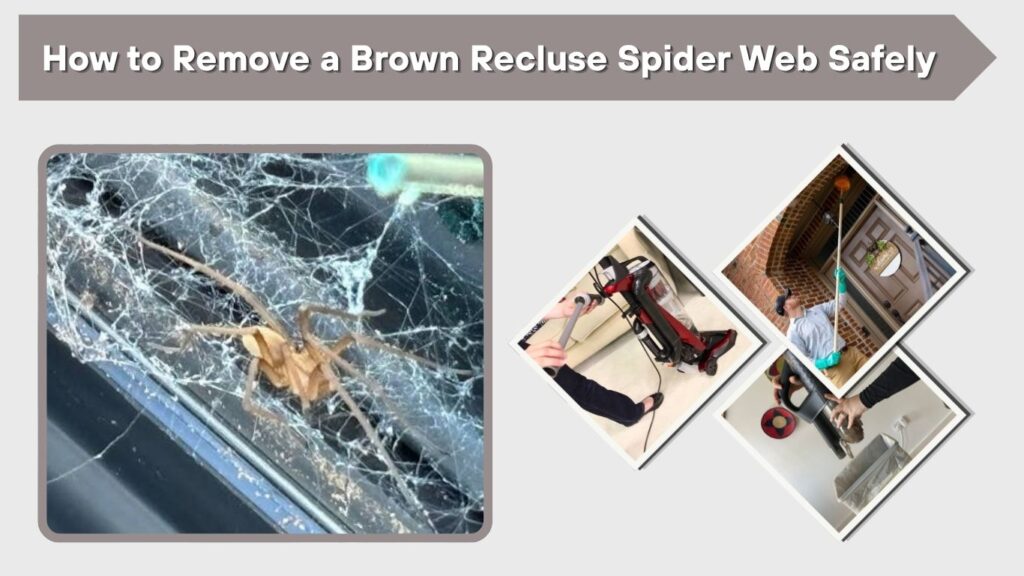
If you find a suspicious web in a dark storage area, remove it carefully. The goal is to avoid direct contact with any spider hiding nearby.
Safe Removal Steps
- Wear gloves, long sleeves, and closed shoes.
- Use a vacuum with a hose attachment.
- Vacuum webs, egg sacs, and visible spiders.
- Empty the vacuum contents into a sealed bag.
- Remove clutter from the area.
- Seal cracks and gaps where spiders may hide.
- Keep storage items in plastic bins instead of cardboard.
- Shake out clothing, towels, and shoes before use.
Do not reach into dark corners with bare hands. If you suspect an infestation, contact a licensed pest control professional.
How to Prevent Brown Recluse Webs Indoors
Prevention focuses on reducing hiding places and limiting entry points. Brown recluse spiders like clutter, darkness, and undisturbed storage.
Prevention Tips
- Declutter closets, garages, basements, and attics.
- Store items in sealed plastic containers.
- Move beds away from walls if spiders are a concern.
- Keep bedding from touching the floor.
- Shake out shoes and clothing before wearing.
- Seal gaps around windows, doors, pipes, and baseboards.
- Install door sweeps.
- Reduce insects that serve as prey.
- Use sticky traps to monitor spider activity.
- Clean behind furniture and stored items regularly.
Sticky traps can help reveal whether brown recluse spiders are present. Place them along walls, behind furniture, and in quiet corners where spiders may travel.
Brown Recluse Web in Garage or Basement
Garages and basements are common places for brown recluse concerns because they often contain boxes, tools, shoes, holiday decorations, and old furniture. These items create many hiding spots.
If you find irregular webs in these areas, inspect carefully. Use a flashlight and gloves. Avoid placing your hands behind boxes or under stored items without looking first.
A single messy web does not prove you have brown recluses. However, repeated sightings of similar brown spiders, shed skins, or multiple spiders on sticky traps may indicate a larger issue.
Brown Recluse Web in Bedroom or Closet
A brown recluse web in a bedroom or closet can be more concerning because of the risk of accidental contact. Spiders may hide in clothing piles, shoes, bedding, or storage boxes.
To reduce risk:
- Keep clothing off the floor.
- Shake out shoes before wearing.
- Store seasonal clothes in sealed containers.
- Vacuum closet corners.
- Move beds slightly away from walls.
- Avoid bed skirts touching the floor.
- Use sticky traps near walls and closet edges.
If you repeatedly find spiders in sleeping areas, professional inspection may be helpful.
Common Mistakes When Identifying Brown Recluse Webs
Many people misidentify spider webs because they expect brown recluses to make dramatic webs. In reality, their webs are hidden and plain.
Common mistakes include:
- Thinking every messy web is a brown recluse web
- Assuming every brown spider is a brown recluse
- Trusting the violin mark alone
- Ignoring geographic range
- Confusing cobweb spiders with recluse spiders
- Calling every skin sore a spider bite
- Using blurry photos for identification
Good identification requires multiple clues, not one feature.
Should You Kill Brown Recluse Spiders?
If you find a confirmed brown recluse in a living area, it is understandable to remove it. However, broad panic is not helpful. Many spiders found indoors are harmless and beneficial.
The best approach is practical control:
- Confirm identification.
- Reduce clutter.
- Vacuum webs and hiding areas.
- Use sticky traps.
- Seal entry points.
- Avoid direct handling.
- Call pest control for heavy activity.
If you are unsure whether the spider is a brown recluse, avoid touching it and seek expert identification.
FAQs
Is “brown lacrosse spider web” the correct name?
No. “Brown lacrosse spider web” is likely a misspelling of “brown recluse spider web.” Brown recluse is the correct common name. The spider is known for hiding in dark, quiet places and making irregular, patternless webs.
What does a brown recluse spider web look like?
A brown recluse web is usually messy, loose, irregular, and hidden. It does not look like a neat circular orb web. It is often found in dark protected areas such as closets, basements, garages, storage boxes, cracks, and undisturbed corners.
Can you identify a brown recluse by its web?
No, not confidently. A web can give clues, but many spiders make messy webs. Brown recluse identification should include the spider’s body features, eye pattern, color, location, and behavior. When in doubt, ask a local extension office or pest expert.
Are brown recluse spider webs dangerous?
The web itself is not dangerous. The concern is whether a brown recluse spider is nearby. Brown recluse bites can sometimes cause serious skin reactions, but bites are uncommon and usually happen when the spider is trapped against skin.
How do I get rid of brown recluse webs?
Wear gloves and use a vacuum hose to remove webs, egg sacs, and visible spiders. Empty the vacuum into a sealed bag. Reduce clutter, seal cracks, use plastic storage bins, shake out shoes and clothes, and consider sticky traps or professional pest control if activity continues.