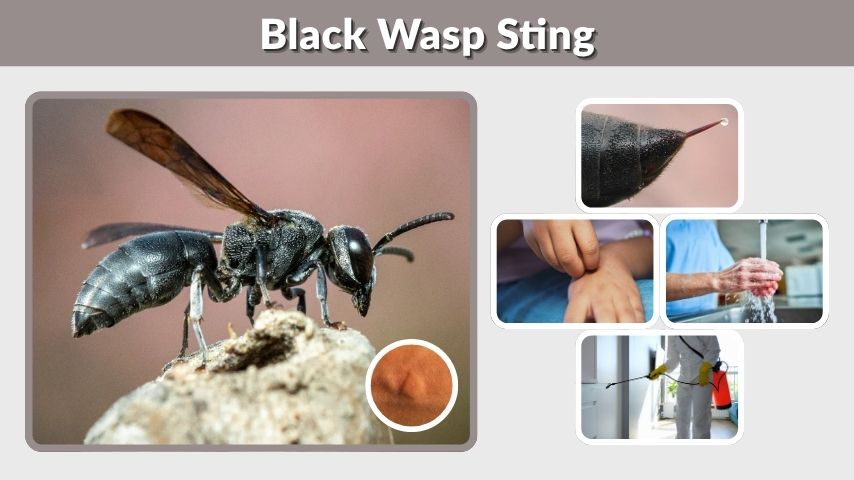
Black wasps are commonly seen in gardens, yards, forests, and around homes during warm months. Although many black wasp species are solitary and less aggressive than social wasps, they can still sting when threatened or disturbed. A black wasp sting often causes sudden pain, redness, swelling, and skin irritation that may last for several hours or days. Some people may also experience stronger allergic reactions that require immediate medical attention.
Different black wasp species, including Great Black Wasps, mud daubers, spider wasps, and black paper wasps, produce different sting experiences and pain levels. Understanding black wasp sting symptoms, treatment methods, and prevention strategies can help people react safely and reduce discomfort after being stung.
What Is a Black Wasp?
The term “black wasp” refers to several wasp species that have dark or entirely black bodies. These wasps vary in size, nesting behavior, and aggression levels. Some species are solitary hunters, while others live in colonies and defend nests aggressively.
Common Types of Black Wasps
- Great Black Wasp
- Black Paper Wasp
- Mud Dauber Wasp
- Spider Wasp
- Potter Wasp
Do Black Wasps Sting?
Female black wasps can sting humans if they feel threatened or if their nest is disturbed. Most black wasps use their stinger mainly for defense or hunting prey rather than attacking people intentionally.
Why Black Wasps Sting
Black wasps usually sting in self-defense when handled, trapped, or disturbed near their nest. Solitary species are generally less aggressive, while colony-forming wasps may defend their nests more actively.
What Does a Black Wasp Sting Feel Like?
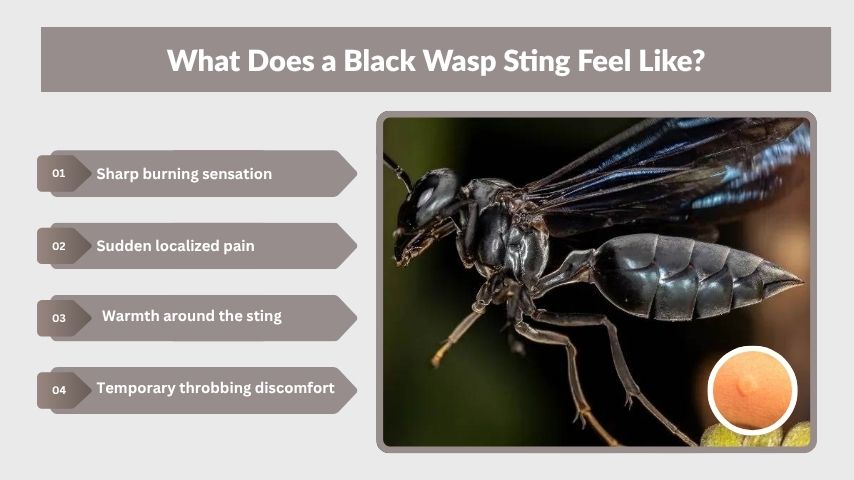
A black wasp sting usually causes immediate sharp pain followed by redness, swelling, and irritation around the sting site. Pain intensity can vary depending on the wasp species, sting location, and individual sensitivity.
Black Wasp Sting Pain Level
- Sharp burning sensation
- Sudden localized pain
- Warmth around the sting
- Temporary throbbing discomfort
- Itching during healing
Great Black Wasp Sting Pain Index
Great Black Wasps are large solitary wasps that can produce painful stings when threatened. Although their sting is painful, they are generally considered less aggressive than yellowjackets or hornets and rarely sting humans without provocation.
Black Wasp Sting Symptoms
Common symptoms include redness, swelling, itching, tenderness, and skin irritation. Most mild reactions improve naturally within a few days, although some people may develop larger swollen areas or stronger allergic responses.
Do Great Black Wasps Sting Humans?
Great Black Wasps are large black solitary wasps commonly found in gardens and grassy habitats. Despite their intimidating appearance, they are usually calm and focused on hunting insects rather than attacking humans.
Great Black Wasp Behavior
- Solitary nesting habits
- Hunts grasshoppers and katydids
- Rarely aggressive toward people
- Active during warm weather
- Frequently seen near flowers
When Great Black Wasps Sting
Great Black Wasps usually sting only when trapped, touched, or directly threatened. Females possess stingers because they use venom to paralyze prey while building nests for their larvae.
Are Great Black Wasps Dangerous?
Most Great Black Wasp stings cause mild pain and swelling that improve without serious complications. However, people allergic to wasp venom may experience severe reactions requiring emergency medical treatment.
Black Wasp Sting Symptoms
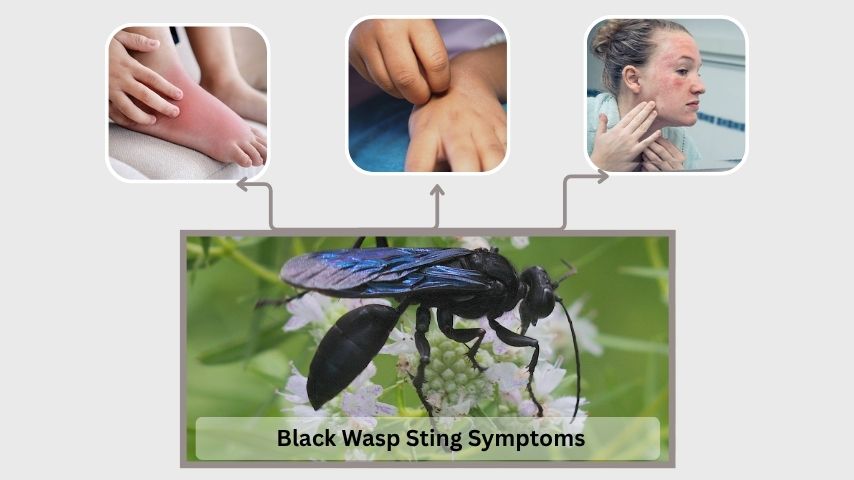
Black wasp sting reactions vary from person to person. Some individuals experience only mild irritation, while others develop larger swelling, severe pain, or dangerous allergic symptoms.
Mild Sting Reactions
- Small red swelling
- Temporary pain
- Mild itching
- Tender skin
- Slight warmth
Moderate Reactions
Moderate sting reactions may include larger swollen areas, stronger pain, and irritation lasting several days. Swelling may spread beyond the sting site, especially in sensitive individuals.
Severe Allergic Reactions
Serious allergic reactions may involve breathing difficulty, facial swelling, dizziness, rapid heartbeat, or throat tightness. These symptoms can develop quickly and require immediate emergency medical attention.
Black Wasp Sting Swelling and Side Effects
Swelling is one of the most common side effects of black wasp stings. The body’s immune response to venom triggers inflammation and fluid buildup around the sting site.
Why Black Wasp Stings Swell
- Histamine release in the skin
- Immune system response
- Venom irritation
- Increased blood flow
- Local inflammation around the sting
Black Spots or Dots After a Sting
Some people notice dark spots, bruising, or discoloration after a black wasp sting. These marks are often temporary and may appear as the skin heals from inflammation or minor tissue irritation caused by venom.
Sting Reactions on Different Skin Types
Black wasp sting redness and swelling may appear differently depending on skin tone and sensitivity. Some individuals develop highly visible swelling, while others mainly experience itching, tenderness, or darker discoloration.
How to Treat a Black Wasp Sting
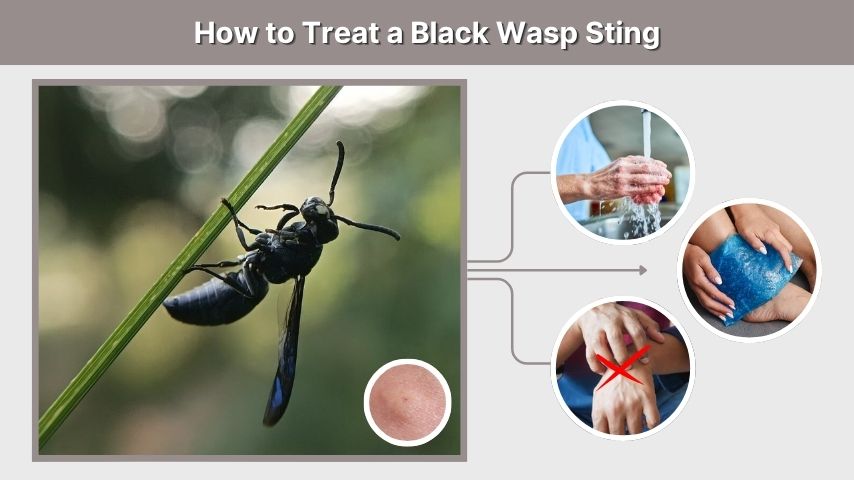
Most black wasp stings can be treated safely at home using simple first-aid methods. Quick treatment may help reduce pain, swelling, and itching while lowering the risk of infection or worsening irritation.
Immediate First Aid Steps
- Move away from the wasp area
- Wash the sting with soap and water
- Apply a cold compress
- Avoid scratching the sting
- Monitor for allergic symptoms
Black Wasp Sting Remedies
Cold packs, aloe vera gel, baking soda paste, and honey are commonly used home remedies for mild black wasp sting reactions. These treatments may help soothe skin irritation and reduce itching.
Over-the-Counter Treatments
Hydrocortisone cream, antihistamines, and pain relievers can help reduce swelling, itching, and discomfort after a black wasp sting. These medications are commonly used for moderate reactions that remain uncomfortable for several hours or days.
When to Seek Medical Attention
Although many black wasp stings are mild, some situations require emergency medical care. Allergic reactions, multiple stings, or dangerous sting locations may create serious health risks if not treated quickly.
Signs of Anaphylaxis
- Trouble breathing
- Swelling of the throat or face
- Rapid heartbeat
- Dizziness or fainting
- Severe widespread swelling
Multiple Wasp Stings
Multiple stings expose the body to larger amounts of venom and may increase the risk of toxic reactions. Children, elderly individuals, and people with allergies are especially vulnerable to complications from repeated stings.
Dangerous Sting Locations
Stings near the eyes, mouth, throat, or neck may become dangerous because swelling can affect breathing or damage sensitive tissues. Immediate medical evaluation is often recommended for these sting locations.
Black Wasp Species and Sting Differences
Different black wasp species vary in behavior, aggression, nesting style, and sting severity. Some solitary species rarely sting humans, while social wasps defend colonies more aggressively.
Great Black Wasp Sting
- Usually defensive rather than aggressive
- Painful but often mild reaction
- Rarely attacks humans unprovoked
- Solitary nesting behavior
- Large black body appearance
Black Paper Wasp Sting
Black paper wasps may become aggressive when their nest is disturbed. Their stings often cause stronger pain and swelling because colony-forming wasps actively defend their nests against threats.
Mud Dauber and Potter Wasp Stings
Mud daubers and potter wasps are generally calm solitary species that rarely sting humans. Most stings happen only during accidental contact or handling situations.
Black Wasp Sting vs Bee Sting
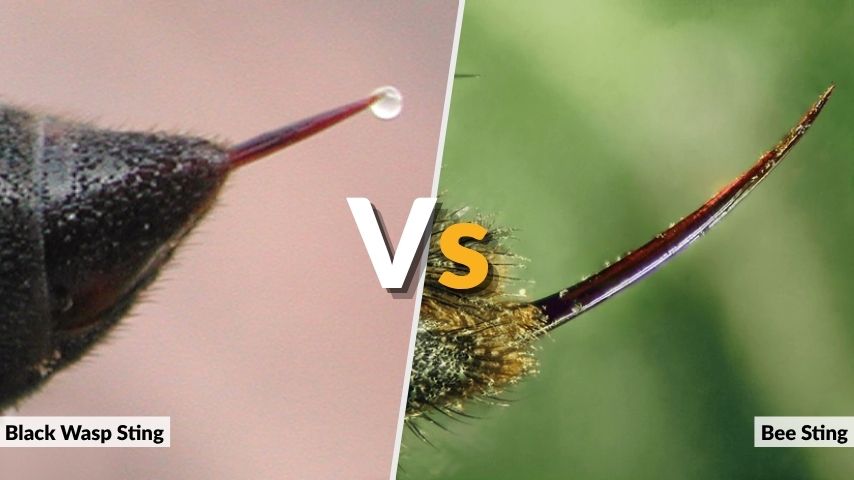
Black wasp stings and bee stings may look similar, but there are important differences in stinger structure, pain levels, and stinging behavior.
Stinger Differences
- Wasps usually keep their stinger
- Bees often leave stingers behind
- Wasps can sting repeatedly
- Bee stings involve attached venom sacs
- Wasp stingers are smoother
Pain and Swelling Comparison
Both stings can cause redness, swelling, and burning pain, but wasps often sting multiple times during defensive attacks. Repeated stings may increase swelling and irritation significantly.
Treatment Similarities
Cleaning the sting area, applying ice, reducing swelling, and monitoring for allergic symptoms are important for both bee and wasp sting treatment. Avoiding scratching also helps reduce infection risks.
How to Prevent Black Wasp Stings
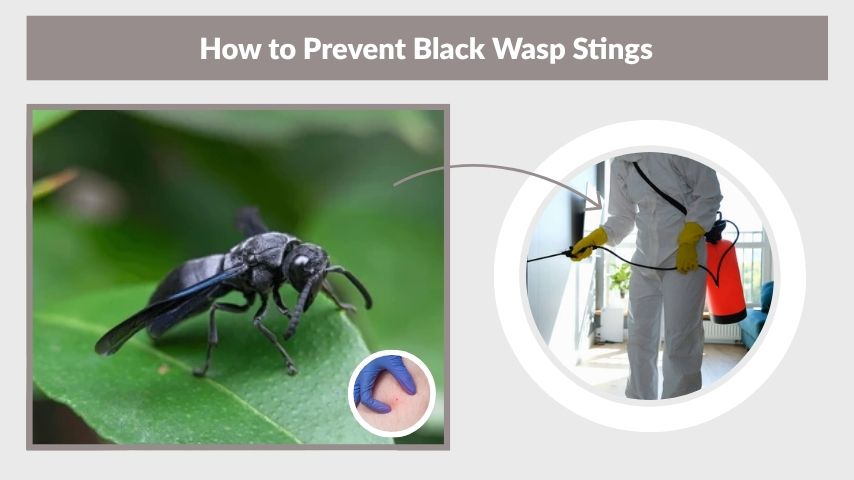
Preventing black wasp stings mainly involves avoiding nests, staying calm around wasps, and reducing attractants near homes and outdoor areas.
Avoiding Wasp Nests
- Stay away from visible nests
- Watch roof edges and trees
- Avoid disturbing wasps
- Hire professionals for nest removal
- Keep children and pets away
Outdoor Safety Tips
Avoid sudden movements around wasps because aggressive reactions may trigger defensive stinging. Wearing protective clothing and avoiding strong scents may also help reduce wasp encounters.
Preventing Wasps Around Homes
Sealing openings, removing food scraps, and keeping garbage tightly closed can reduce black wasp activity around homes. Outdoor eating areas should also be cleaned regularly to remove sugary residues and attractants.
FAQs
Do black wasps sting humans?
Yes, female black wasps can sting humans when they feel threatened or when their nests are disturbed. Most black wasps are not naturally aggressive and usually sting only in self-defense.
How painful is a Great Black Wasp sting?
A Great Black Wasp sting is often described as sharp and burning but usually less severe than stings from aggressive social wasps like yellowjackets or hornets. Pain normally improves within several hours.
Are black wasp stings dangerous?
Most black wasp stings cause only mild pain, swelling, and redness. However, allergic individuals may experience dangerous reactions such as breathing difficulty, severe swelling, or anaphylaxis that require emergency treatment.
What should you do after a black wasp sting?
Wash the sting area with soap and water, apply a cold compress, and monitor symptoms carefully. Over-the-counter antihistamines or hydrocortisone cream may help reduce itching and swelling during recovery.
How long does black wasp sting swelling last?
Mild swelling from a black wasp sting often improves within one to three days, although larger reactions may last longer. Severe swelling or worsening symptoms should be checked by a medical professional.