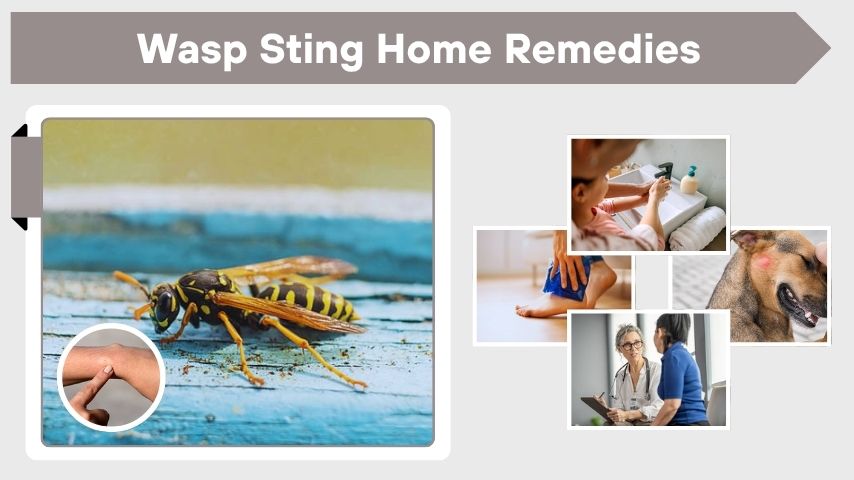
Wasp stings are painful and can quickly cause redness, swelling, itching, and burning skin. Most mild stings can be treated safely at home using simple remedies and first aid methods. Knowing what to do right after a sting can help reduce discomfort and prevent symptoms from getting worse.
This guide explains the best wasp sting home remedies, including natural treatments, swelling relief, and safe ways to ease itching and pain. You will also learn when a wasp sting may require medical attention instead of home treatment.
Understanding a Wasp Sting
A wasp sting happens when a wasp injects venom into the skin through its stinger. Unlike bees, wasps can sting several times, which may increase pain and irritation. Symptoms can range from mild discomfort to severe allergic reactions depending on the person and the number of stings received.
What Happens During a Wasp Sting
When a wasp stings, venom enters the skin and triggers an immune response. This causes immediate pain, redness, swelling, and warmth around the sting area. In some people, itching develops a few hours later.
Common Symptoms of a Wasp Sting
- Sharp burning pain
- Red swollen bump
- Mild itching
- Skin warmth
- Tenderness around the sting
Difference Between Bee and Wasp Stings
Bee stings usually leave a stinger behind, while wasps can sting multiple times without losing theirs. Wasp stings are often described as more painful and irritating because of the venom they inject repeatedly.
Wasp Sting First Aid at Home
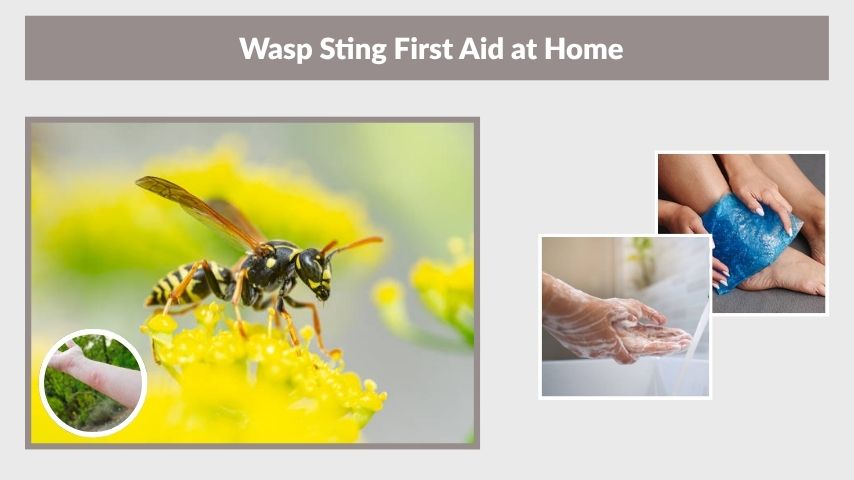
Quick first aid can reduce pain and lower the chance of severe swelling. The first few minutes after a sting are important because early treatment helps calm the skin and prevents irritation from spreading further.
Move Away From the Wasp
Wasps may continue attacking if they feel threatened. Leave the area calmly and avoid sudden movements that may attract more wasps.
Wash the Sting Area
Clean the skin gently using soap and cool water. This removes dirt, bacteria, and venom left on the skin surface.
Apply a Cold Compress
A cold compress or ice pack can reduce swelling and numb the pain. Wrap ice in a cloth before applying it to the skin for 10 to 15 minutes at a time.
Keep the Affected Area Elevated
If the sting is on your hand, foot, or leg, raising it slightly may help reduce swelling and throbbing discomfort.
Best Home Remedies for Wasp Sting Relief
Several home remedies may help relieve pain, itching, and swelling naturally. While these treatments do not remove venom completely, they can make the sting area feel more comfortable and support faster healing.
Baking Soda Paste for Wasp Stings
A baking soda paste is one of the most popular home remedies for wasp stings. Mix baking soda with a small amount of water until it forms a thick paste. Apply it to the sting for about 15 minutes before rinsing gently.
Many people use baking soda because it may help calm itching and reduce irritation around the sting site.
Vinegar as a Home Remedy
Vinegar is sometimes used to soothe skin discomfort after a sting. Soak a cotton ball with diluted vinegar and lightly dab the area. The cooling effect may help reduce irritation temporarily.
Aloe Vera for Sting Relief
Aloe vera gel has cooling and anti-inflammatory properties that may help calm red and irritated skin. Fresh aloe vera or store-bought gel can be applied several times daily.
Honey for Wasp Sting Pain
Honey is known for its soothing and antibacterial qualities. A small amount placed on the sting may help reduce irritation while keeping the skin moisturized.
Home Remedies for Wasp Sting Swelling
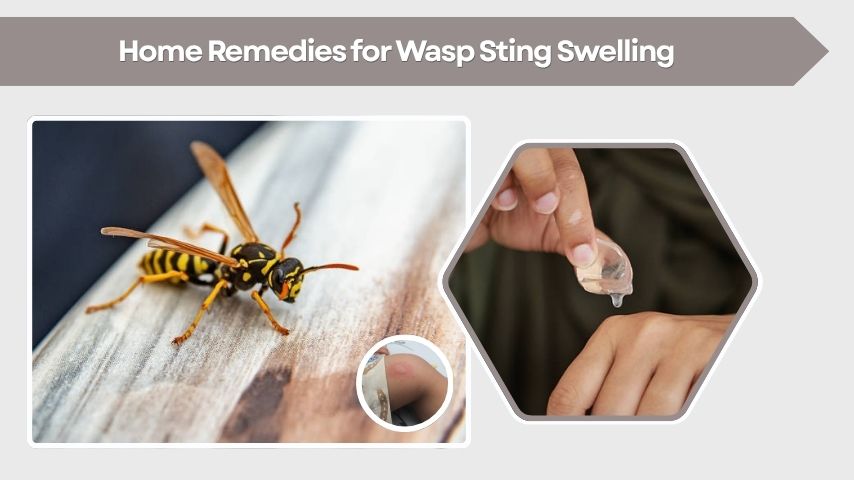
Swelling is one of the most common problems after a wasp sting. In most cases, swelling is mild and improves within a few days. Proper care at home can help reduce discomfort faster and prevent worsening inflammation.
Why Wasp Stings Swell
The body reacts to wasp venom by releasing chemicals that increase blood flow to the area. This immune response causes swelling, redness, and tenderness.
Ice Therapy for Swelling
- Apply ice for 10 to 15 minutes
- Repeat every few hours
- Always wrap ice in cloth
- Avoid direct contact with skin
Baking Soda and Ice Combination
Using baking soda paste first and following with a cold compress may help calm both itching and swelling at the same time.
Natural Ways to Reduce Swelling
- Drink plenty of water
- Avoid scratching the sting
- Rest the affected area
- Wear loose clothing around the sting
Home Remedies for Wasp Sting Itching
Itching often develops after the initial pain fades. Although scratching may feel tempting, it can irritate the skin further and increase the risk of infection. Several gentle home remedies may help soothe itchy skin naturally.
Calamine Lotion for Itching
Calamine lotion is commonly used for itchy skin conditions and may provide cooling relief after a wasp sting. Apply a thin layer to the affected area as needed.
Oatmeal Paste Remedy
Oatmeal contains natural compounds that may calm irritated skin. Mixing ground oatmeal with water into a paste can help soothe itching and redness.
Coconut Oil for Irritated Skin
Coconut oil may help moisturize dry, itchy skin after a sting. Its smooth texture can reduce irritation caused by scratching or rubbing.
Treating Different Types of Wasp Stings at Home
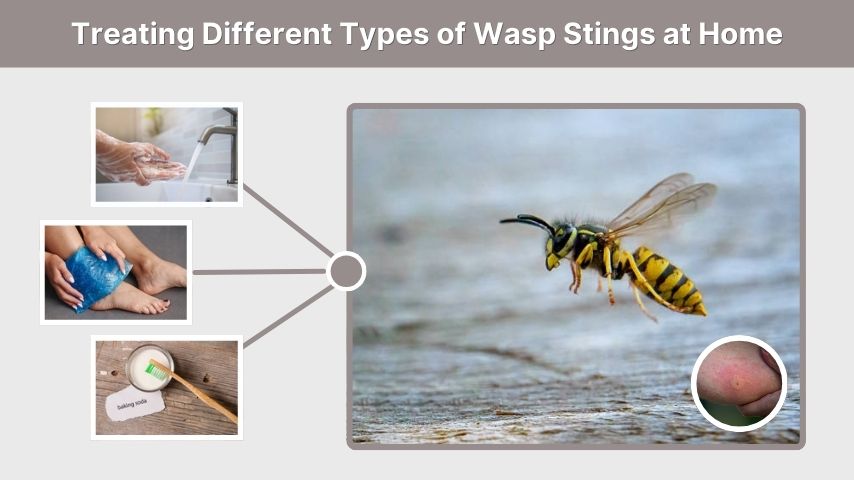
Different wasp species can cause slightly different reactions. Some stings create intense burning pain, while others lead to larger swelling or itching. Understanding the type of sting can help you choose the best home treatment and know when extra care may be necessary.
Red Wasp Sting Home Remedy
Red wasp stings are known for causing sharp pain and noticeable swelling. Immediate cooling treatment usually works best for reducing discomfort.
- Wash the area with soap and water
- Apply an ice pack for swelling
- Use baking soda paste for itching
- Avoid scratching the sting
- Monitor for allergic reactions
Paper Wasp Sting Treatment
Paper wasp stings often create redness and irritation that lasts for several hours. Aloe vera gel and cold compresses may help calm inflamed skin and reduce the burning sensation.
Hornet Sting Home Remedies
Hornet stings can be more painful because hornets inject a stronger venom. Resting the affected area and applying cold compresses repeatedly may help reduce swelling and throbbing pain.
Bee and Wasp Sting Home Remedies
Bee and wasp stings share many similar treatments, including washing the area, applying ice, and using anti-itch remedies. However, bee stings usually require removing the stinger first.
Home Remedies for Wasp Stings on Sensitive Areas
Wasp stings on delicate parts of the body may feel more painful and swell more easily. Areas such as the eyelid, lips, and face need careful treatment because swelling in these places can spread quickly.
Wasp Sting on Eyelid Home Remedy
A cold compress placed gently over the closed eye may help reduce swelling and discomfort. Avoid rubbing the eye or applying creams too close to the eyelid.
If vision changes or severe swelling develops, medical attention may be needed immediately.
Wasp Sting on the Face
Facial stings often appear worse because facial tissues swell easily. Keeping the head elevated and applying cool compresses can help manage swelling more effectively.
Wasp Sting Inside the Mouth
A sting inside the mouth or throat can become dangerous because swelling may affect breathing. Sucking on ice chips may temporarily reduce swelling, but emergency medical care is important if breathing becomes difficult.
Wasp Sting Home Remedies for Dogs
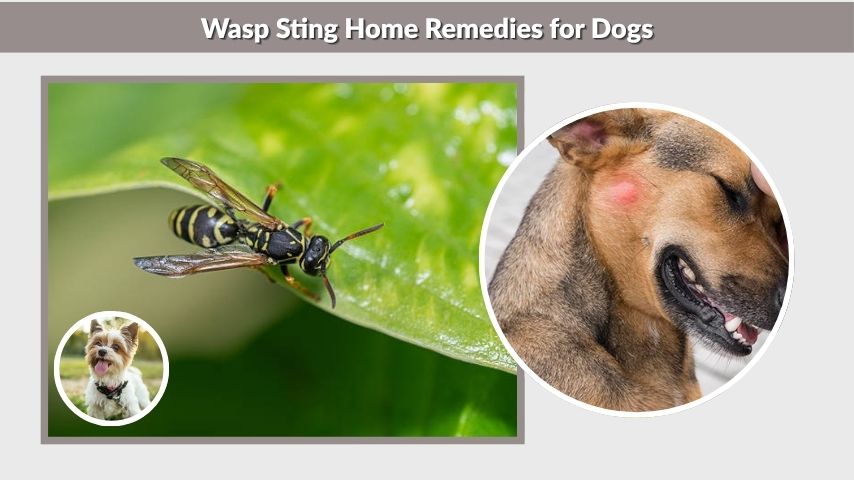
Dogs may accidentally step on or disturb wasps outdoors, leading to painful stings. Most mild stings can be managed at home, but pet owners should watch carefully for allergic reactions or unusual behavior.
Signs Your Dog Was Stung
- Limping or licking paws
- Sudden whining
- Swelling around the face
- Red skin bumps
- Excessive drooling
Safe Home Remedies for Dogs
Applying a cool compress gently to the sting area may help reduce pain and swelling. Keeping the dog calm and preventing scratching or biting at the sting is also important.
When to Call a Veterinarian
If a dog develops breathing trouble, vomiting, severe swelling, or weakness after a sting, veterinary care should be sought immediately because these may be signs of a serious allergic reaction.
When a Wasp Sting Needs Medical Attention
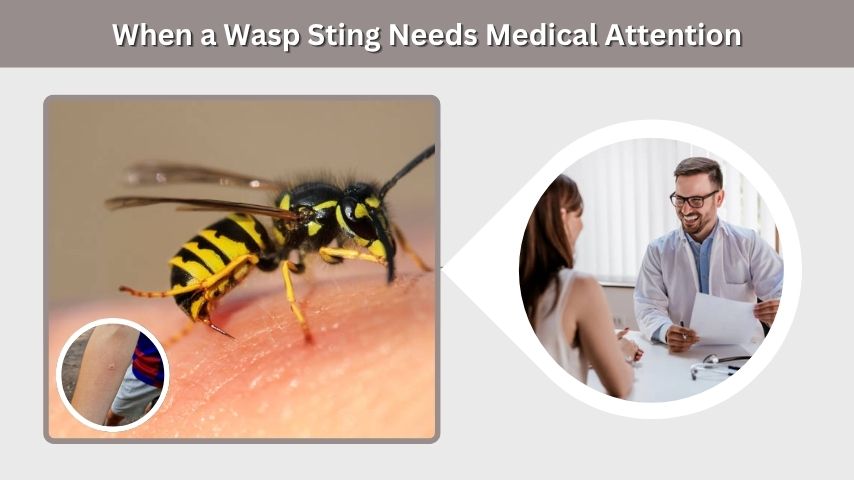
Most wasp stings improve with home care, but some reactions can become dangerous. Severe allergic responses or infections should never be ignored because they may worsen quickly without treatment.
Signs of an Allergic Reaction
- Difficulty breathing
- Swollen throat or tongue
- Dizziness or fainting
- Rapid heartbeat
- Widespread hives
Large Local Reactions
Some people develop swelling that spreads far beyond the sting site. For example, a sting on the hand may cause swelling throughout the entire arm.
Infection After a Sting
If redness keeps spreading, pus develops, or the area becomes very warm and painful after several days, the sting may be infected.
Multiple Wasp Stings
Receiving many stings at once increases the amount of venom in the body and may require urgent medical treatment, especially in children and older adults.
What Not to Do After a Wasp Sting
Certain mistakes can make a sting worse or slow healing. Avoiding harmful treatments helps protect the skin and reduce the chance of complications.
Do Not Scratch the Sting
Scratching irritates the skin further and may introduce bacteria into the sting area.
Avoid Very Hot Water
Hot water may increase irritation and worsen swelling instead of calming it.
Avoid Unsafe Internet Remedies
Some online remedies may burn or damage the skin. Stick to gentle treatments that are commonly recommended for minor stings.
FAQs
What is the best home remedy for a wasp sting?
Cold compresses, baking soda paste, and aloe vera are among the most common home remedies for reducing pain, itching, and swelling from mild wasp stings.
How long does wasp sting swelling last?
Mild swelling usually improves within one to three days, although larger reactions can last up to a week in some people.
Does vinegar help a wasp sting?
Vinegar may provide temporary soothing relief for irritated skin, but cold compresses are generally more effective for swelling.
Can I use baking soda on a wasp sting?
Yes. Baking soda mixed with water into a paste may help reduce itching and irritation when applied for a short time.
When should I see a doctor for a wasp sting?
Seek medical help if you develop breathing problems, severe swelling, dizziness, widespread hives, or signs of infection after the sting.