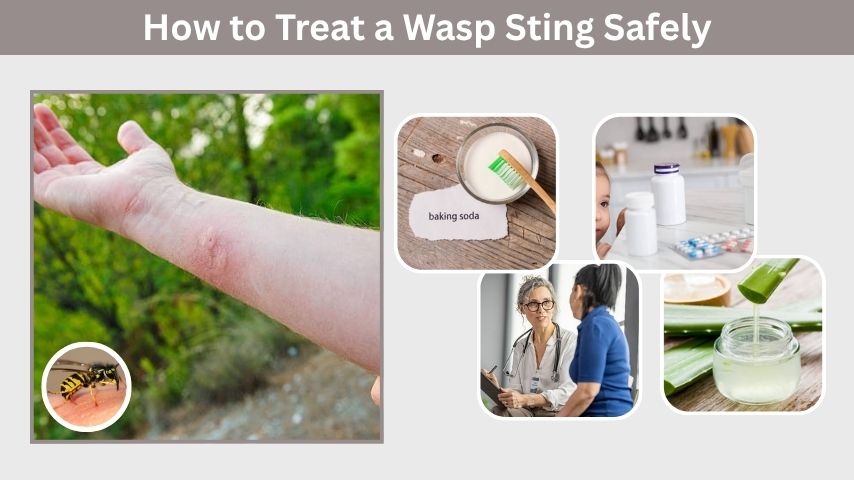
A wasp sting can cause sudden pain, redness, swelling, and itching that may last from a few hours to several days. Most stings are mild and can be treated safely at home using simple first aid and over-the-counter remedies. However, some people develop allergic reactions that require emergency medical attention. Yellow jackets, paper wasps, hornets, and red wasps are among the most common stinging insects that cause painful reactions. Understanding how to treat a wasp sting properly can help reduce swelling, ease discomfort, and prevent complications for adults, children, and pets.
What Happens During a Wasp Sting?
When a wasp stings, it injects venom into the skin using its stinger. The venom causes irritation, inflammation, and pain almost immediately. Unlike bees, many wasps can sting multiple times because they do not lose their stinger after attacking.
Why Wasp Stings Hurt
Wasp venom affects nerves and skin tissue, creating a sharp burning sensation. The body reacts by increasing blood flow to the area, which leads to redness and swelling.
Common Wasps That Sting
Several wasp species commonly sting humans and pets, including:
- Yellow jackets
- Paper wasps
- Hornets
- Red wasps
- Mud daubers
- Great black wasps
Wasp Sting vs Bee Sting
| Feature | Wasp Sting | Bee Sting |
| Stinger | Usually remains with wasp | Often left in skin |
| Multiple Stings | Common | Less common |
| Pain Type | Burning and sharp | Sharp and immediate |
| Aggression | More defensive | Mostly defensive near hive |
Common Wasp Sting Symptoms
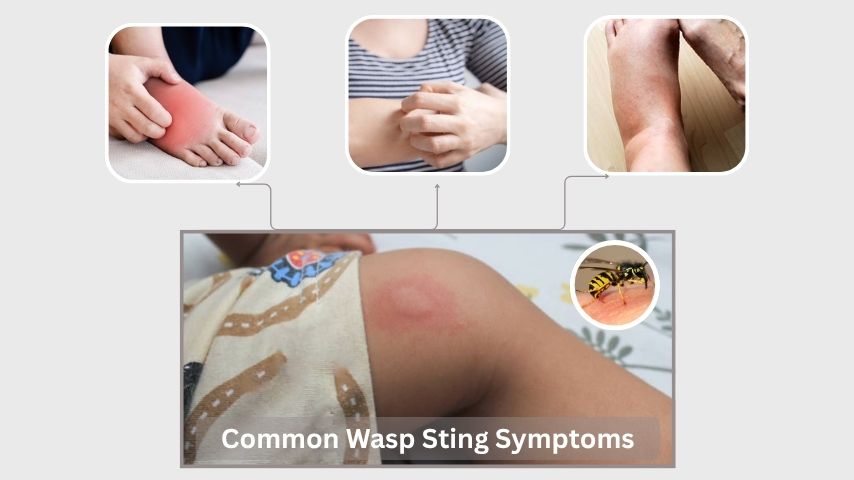
Most wasp stings cause mild symptoms that improve within a short time. However, reactions vary depending on the person, the sting location, and the number of stings received.
Mild Wasp Sting Symptoms
Common mild reactions include:
- Sharp pain
- Redness
- Swelling
- Itching
- Warm skin around the sting
These symptoms often peak within the first several hours after the sting occurs.
Large Local Reactions
Some people develop stronger swelling that spreads beyond the sting site. For example, a sting on the hand may cause swelling throughout the fingers or wrist. These reactions can last several days but are not always dangerous.
Severe Allergic Reactions
A severe allergic reaction, also called anaphylaxis, is a medical emergency. Symptoms may include trouble breathing, swelling of the throat, dizziness, rapid heartbeat, or widespread hives.
How to Treat a Wasp Sting at Home
Most mild wasp stings can be treated successfully at home with basic first aid. Quick treatment often reduces pain and prevents swelling from becoming worse.
Immediate First Aid Steps
If you are stung by a wasp, follow these steps:
- Move away from the area to avoid additional stings
- Wash the sting site with soap and water
- Apply a cold compress or ice pack
- Remove rings or tight jewelry near swelling
- Keep the area clean and dry
How to Reduce Swelling
Cold temperatures help slow inflammation and reduce discomfort. Ice packs wrapped in cloth can be applied for short periods throughout the day. Elevating the affected body part may also reduce swelling.
Pain Relief Methods
Over-the-counter medications can help relieve pain and itching. Common options include antihistamines, ibuprofen, acetaminophen, and hydrocortisone cream.
Natural Remedies for Wasp Stings
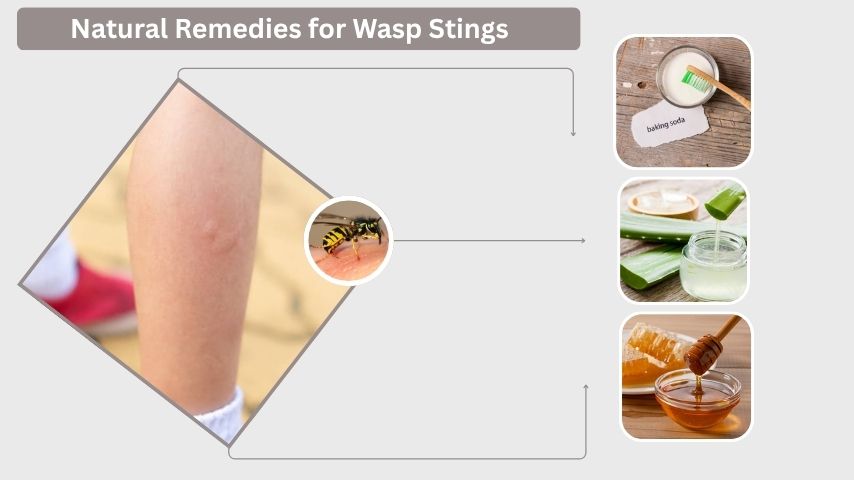
Some people prefer natural home remedies to calm itching and irritation after a sting. While these remedies may not replace medical care, they can provide temporary relief for mild reactions.
Baking Soda Paste
A baking soda paste made with water may help soothe itching and irritation. Many people apply the mixture directly to the sting site for short periods.
Aloe Vera Treatment
Aloe vera gel has cooling properties that may reduce skin irritation and provide temporary comfort after a sting.
Honey and Vinegar Remedies
Traditional remedies sometimes include honey or diluted vinegar because of their soothing effects on irritated skin. These methods are commonly used for mild stings at home.
Cold Compresses and Tea Bags
Cold compresses remain one of the simplest and most effective natural treatments. Cool tea bags may also help calm irritated skin and reduce swelling.
How to Treat a Swollen Wasp Sting
Swelling is one of the most common symptoms after a wasp sting. Mild swelling is normal, but large reactions may become uncomfortable and last several days.
Normal vs Severe Swelling
Mild swelling usually stays close to the sting site. Severe swelling may spread to nearby areas, especially after stings on the face, hand, or foot.
How Long Swelling Lasts
Most swelling becomes worse during the first 24 hours before slowly improving. Large local reactions may continue for several days before healing completely.
Best Treatments for Swelling
| Treatment | Purpose |
| Ice Pack | Reduce inflammation |
| Antihistamines | Reduce itching and swelling |
| Elevation | Improve fluid drainage |
| Hydrocortisone Cream | Calm skin irritation |
How to Treat Wasp Stings on Different Body Parts
Certain sting locations may require extra attention because swelling can interfere with movement, vision, or breathing.
Wasp Sting on Hand or Finger
Finger and hand stings often swell quickly. Removing rings immediately helps prevent circulation problems if swelling becomes severe.
Wasp Sting on Face or Lip
Stings near the mouth or face may create more noticeable swelling because facial tissues are sensitive. Monitoring breathing and swallowing is important after these stings.
Wasp Sting Near the Eye or Eyelid
Eye-area stings should be treated carefully. Avoid rubbing the eye, and seek medical advice if swelling affects vision or eye movement.
How to Treat a Wasp Sting on Foot or Bottom of Foot
Wasp stings on the foot can become especially painful because walking places pressure on the swollen area. Resting the foot, applying ice packs, and elevating the leg may help reduce discomfort and swelling during recovery.
Wasp Sting in the Mouth or Tongue
A sting inside the mouth or on the tongue can become dangerous because swelling may affect breathing. Drinking cold water or sucking on ice may help temporarily, but immediate medical attention is strongly recommended.
Wasp Sting on Head or Ear
Head and ear stings often feel more painful because of sensitive nerves and thinner skin. Swelling may spread quickly around nearby tissues, so monitoring symptoms carefully is important.
How to Treat a Wasp Sting on a Child
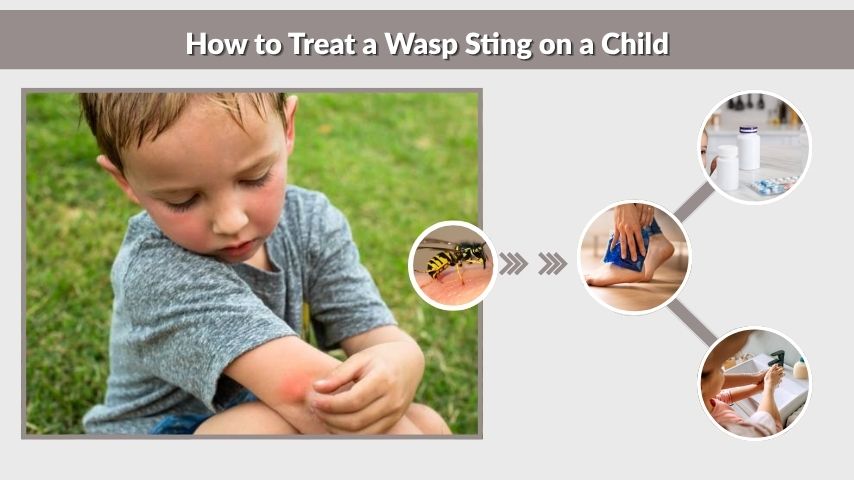
Children may react more strongly to pain and swelling after a wasp sting. Keeping the child calm and treating the sting quickly can help reduce fear and discomfort.
Safe Treatments for Children
Most mild stings in children can be treated using:
- Cold compresses
- Child-safe antihistamines
- Hydrocortisone cream
- Gentle cleaning with soap and water
- Loose clothing around swelling
Parents should always follow medication instructions carefully based on the child’s age and weight.
When Parents Should Call a Doctor
Medical attention may be necessary if a child develops trouble breathing, severe swelling, fever, vomiting, or widespread rash symptoms after a sting.
Comforting a Child After a Sting
Keeping children calm can reduce panic and stress after a painful sting. Distracting activities, cool compresses, and reassurance often help children feel more comfortable during recovery.
How to Treat a Wasp Sting on a Dog or Cat
Pets are often stung while exploring outdoors, especially around grass, flowers, or hidden nests. Dogs commonly get stung on the face or paws because they investigate insects closely.
Common Symptoms in Dogs
Signs of a wasp sting in dogs may include:
- Swelling around the face or paw
- Excessive licking
- Limping
- Whining or restlessness
- Red irritated skin
Treating a Dog’s Wasp Sting
Cold compresses may help reduce swelling and discomfort in pets. Owners should monitor breathing closely and contact a veterinarian if swelling becomes severe or affects the mouth and throat.
Wasp Sting on Paw or Mouth
Stings inside the mouth are more dangerous because swelling may block airflow. Emergency veterinary care may be needed if the pet struggles to breathe or swallow.
Cat Wasp Sting Care
Cats may hide or become unusually quiet after a sting. Facial swelling, drooling, or breathing difficulty should be treated as urgent symptoms requiring veterinary care.
Allergic Reactions to Wasp Stings
Although most stings are mild, some people experience severe allergic reactions. Anaphylaxis can become life-threatening within minutes and requires immediate emergency treatment.
Signs of Anaphylaxis
Serious allergic reaction symptoms include:
- Difficulty breathing
- Swollen throat or tongue
- Rapid heartbeat
- Dizziness or fainting
- Widespread hives
Emergency Treatment
People with known sting allergies may use an epinephrine auto-injector while waiting for emergency medical help. Immediate treatment greatly improves survival during severe reactions.
Mild Allergic Reactions
Some allergic reactions are less severe and may include hives, widespread itching, or swelling beyond the sting site. These symptoms still require close monitoring.
How Long Does a Wasp Sting Last?
Recovery time depends on the severity of the sting and the individual’s sensitivity to venom. Most mild reactions improve within a few days.
Typical Recovery Timeline
Many mild stings improve within:
- Several hours for pain relief
- One to three days for swelling reduction
- Up to one week for complete healing
Day-Old Wasp Sting Symptoms
Swelling and itching often become worse during the first 24 hours. Mild redness and irritation after one day are usually normal unless symptoms continue spreading.
Signs Something Is Wrong
Increasing pain, pus, fever, or spreading redness may indicate infection and should be evaluated by a healthcare professional.
When to See a Doctor for a Wasp Sting
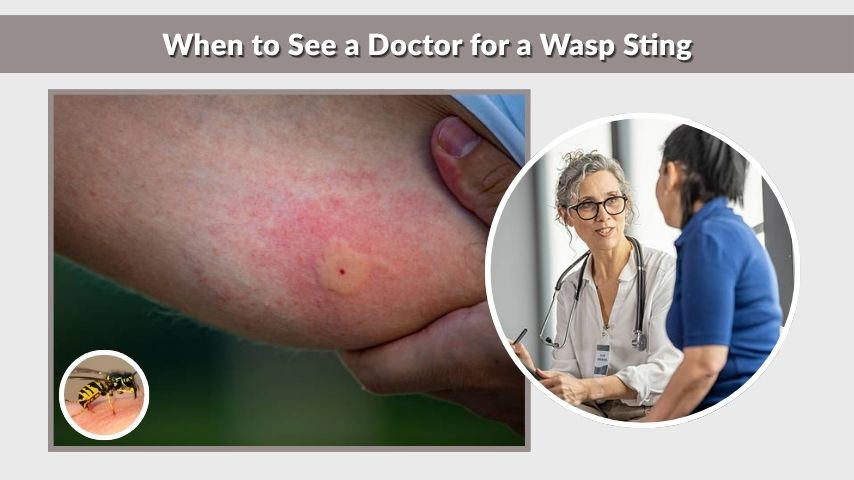
Medical care may be necessary for severe symptoms, dangerous sting locations, or allergic reactions. Prompt treatment can prevent serious complications.
Dangerous Sting Locations
Certain areas are considered higher risk, including:
- Eyes
- Mouth
- Throat
- Tongue
- Multiple sting sites
Signs of Infection
Infected stings may become increasingly painful, swollen, warm, or filled with pus several days after the sting occurred.
Multiple Wasp Stings
Receiving many stings at once increases venom exposure and may cause serious illness, especially in children, older adults, or people with health conditions.
FAQs
What is the best home treatment for a wasp sting?
Cold compresses, antihistamines, hydrocortisone cream, and gentle cleaning with soap and water are common treatments that help reduce pain and swelling.
How long does swelling from a wasp sting last?
Most swelling improves within one to three days, although larger local reactions may continue for up to a week.
Can a wasp sting become infected?
Yes, excessive scratching or broken skin may allow bacteria to enter and cause infection around the sting site.
Should you put baking soda on a wasp sting?
Many people use baking soda paste as a natural remedy because it may temporarily calm itching and irritation.
When should you go to the hospital for a wasp sting?
Immediate medical care is needed if the sting causes breathing problems, throat swelling, dizziness, fainting, or severe allergic symptoms.