Wasps can become dangerous when they build nests near homes, garages, gardens, or outdoor seating areas. Their painful stings and aggressive behavior make safe nest removal very important. Fortunately, there are several effective methods for dealing with wasp nests, ranging from simple soap solutions to professional pest control services.
This guide covers seven of the best ways to get rid of a wasp nest safely and effectively. You will also learn important safety tips, the best time for removal, and how to reduce the chances of future infestations around your property.
1. Wasp Spray Treatment
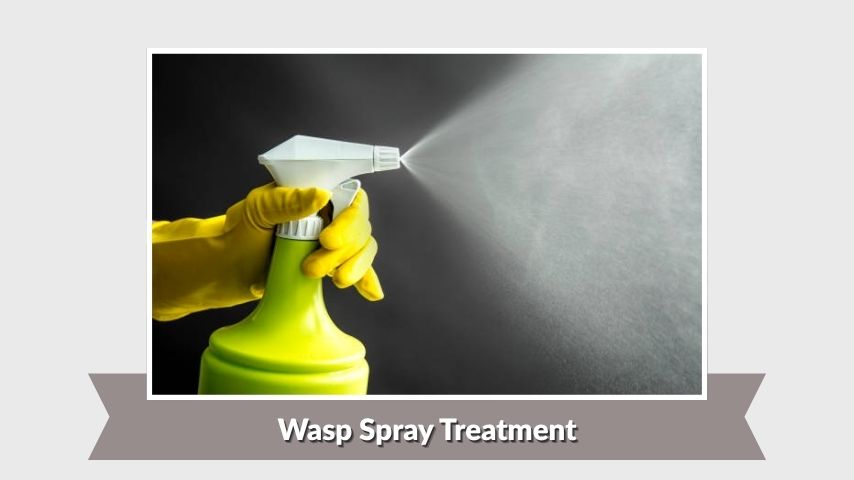
Wasp spray treatment is one of the most common and effective ways to remove a wasp nest. Special sprays are designed to kill wasps quickly from a safe distance. This method works best for small to medium nests found around roofs, trees, sheds, and walls. Safety is very important because disturbed wasps can become aggressive and sting multiple times.
Best Time to Spray a Wasp Nest
The safest time to spray a wasp nest is during the evening or early morning. At these times, most wasps are inside the nest and less active because temperatures are cooler. Spraying during daylight hours can make the colony aggressive and increase the risk of stings.
Items Needed for Wasp Spray Treatment
- Protective clothing
- Long-sleeve shirt and gloves
- Commercial wasp spray
- Flashlight with red filter
- Closed shoes or boots
How Wasp Spray Works
Most wasp sprays contain chemicals that attack the nervous system of wasps. The spray can usually reach nests from several feet away, helping reduce direct contact with the insects. After treatment, the wasps usually die within minutes or hours depending on the product used.
Safety Tips Before Removing the Nest
Before using any spray, make sure children and pets stay away from the area. Avoid standing directly under the nest while spraying. If the nest is very large or located inside walls, it is safer to contact a professional pest control service instead of attempting removal yourself.
2. Soap and Water Solution
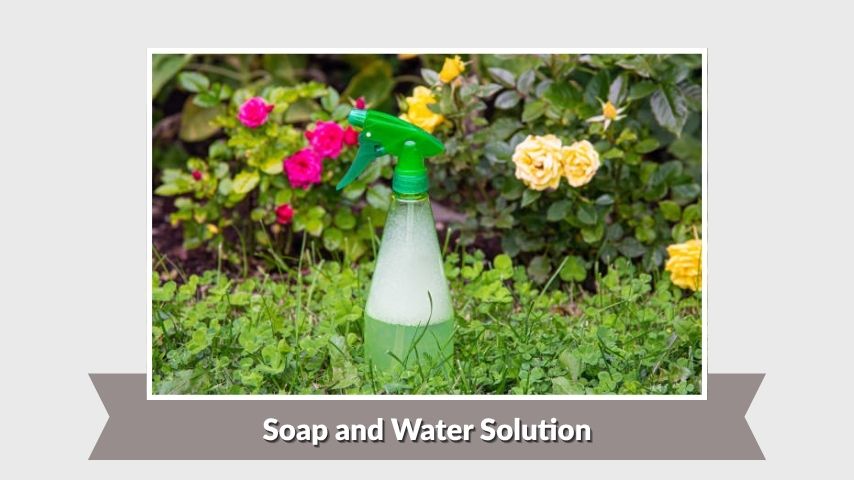
A soap and water solution is a simple home remedy that can help remove small wasp nests. Dish soap blocks the wasps’ breathing pores, causing them to suffocate quickly. This method is inexpensive and commonly used for early-stage nests found in gardens, porches, and outdoor furniture areas. It works best on smaller colonies before the nest becomes too large or aggressive.
Best Time to Use Soap and Water
The ideal time to treat a nest with soap and water is at night or very early in the morning. Wasps are calmer during cooler temperatures and are more likely to stay inside the nest, making treatment safer and more effective.
Supplies Needed for This Method
- Liquid dish soap
- Warm water
- Spray bottle
- Protective gloves
- Long-sleeve clothing
How the Soap Solution Kills Wasps
When sprayed directly onto wasps and their nest, the soap coats their bodies and blocks tiny breathing openings called spiracles. This prevents oxygen from reaching their system and quickly weakens the insects. Repeated spraying may be needed for active nests.
Safety Tips for Soap and Water Treatment
Always stand several feet away from the nest while spraying. Avoid using this method on large nests because angry wasps may swarm aggressively. After treatment, wait until all activity stops before removing the nest carefully with a sealed trash bag.
3. Vacuum Removal Method
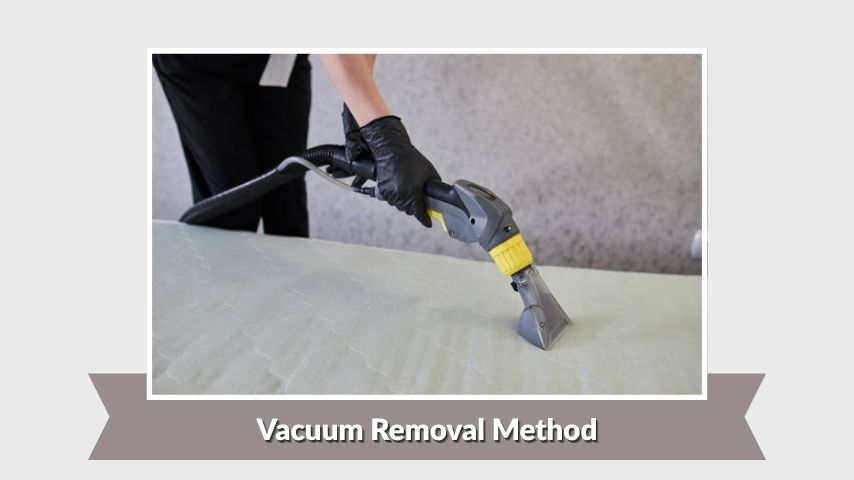
The vacuum removal method is sometimes used to remove wasps from nests located in walls, attics, garages, or other enclosed spaces. A strong vacuum can collect active wasps before the nest is removed. This method is often combined with other treatments because it mainly reduces the number of adult wasps around the nest area.
When to Use the Vacuum Method
This method works best for indoor or hard-to-reach nests where sprays may not reach properly. It is most effective during the evening when wasps return to the nest and activity levels are lower.
Tools Needed for Vacuum Removal
- Shop vacuum or strong vacuum cleaner
- Protective clothing
- Flashlight
- Sealed disposal bag
- Long sleeves and gloves
How Vacuum Removal Works
The vacuum pulls flying wasps directly into a sealed container or bag. Once most of the wasps are removed, the nest can be treated and carefully taken down. Some people place soapy water inside the vacuum container to help kill trapped wasps more quickly.
Safety Tips for Vacuuming Wasps
Never use a weak household vacuum because angry wasps may escape. Always keep a safe distance and avoid standing directly near the nest opening. Large nests hidden inside walls should usually be handled by pest control professionals to prevent dangerous swarms.
4. Smoke Nest Removal
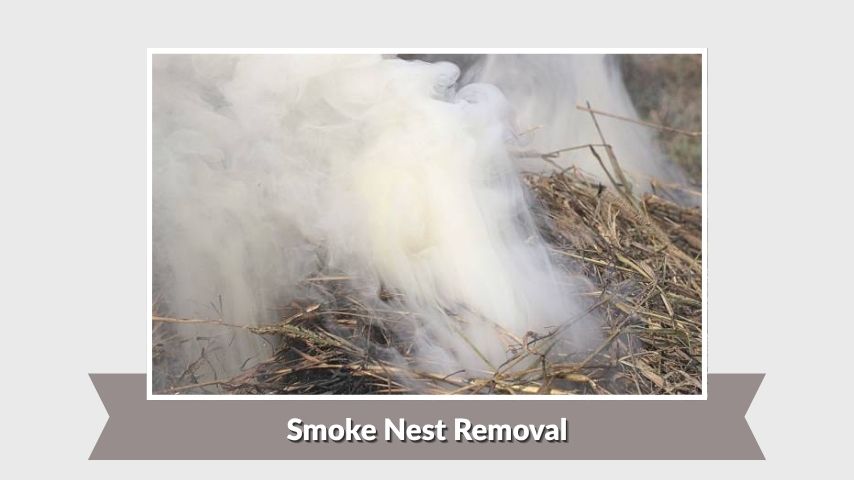
Smoke nest removal is an old method sometimes used to calm wasps before removing a nest. The smoke reduces wasp activity and makes the insects slower and less aggressive for a short period. This technique is often combined with other removal methods because smoke alone usually does not eliminate the entire colony.
When Smoke Removal Works Best
Smoke treatment works best during cool evenings or early mornings when most wasps are inside the nest. Calm weather is important because strong wind can spread smoke away from the target area too quickly.
Equipment Needed for Smoke Removal
- Smoke source or smoker
- Protective clothing
- Gloves and boots
- Flashlight
- Fire-safe container
How Smoke Affects Wasps
Smoke interferes with the wasps’ communication and defensive behavior. As the smoke enters the nest, the insects become disoriented and slower to react. This can make it easier to remove or treat the nest safely afterward.
Safety Tips for Using Smoke
Always use extreme caution when working with fire or smoke near homes, trees, or dry materials. Avoid using too much smoke in enclosed areas because it may become dangerous for people and pets. Large nests should still be handled carefully or removed by professionals if the colony appears aggressive.
5. Dust Insecticide Treatment
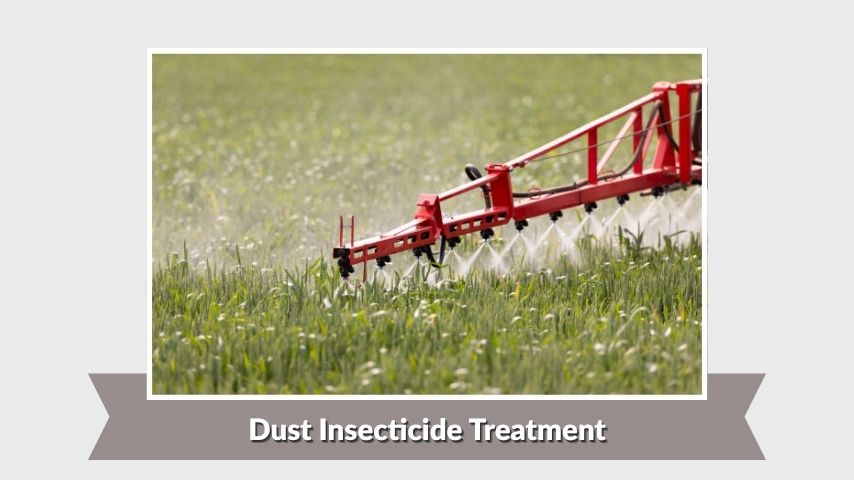
Dust insecticide treatment is a powerful method often used for wasp nests hidden inside walls, underground holes, roof spaces, or cracks. The fine insecticide dust sticks to the bodies of wasps as they enter and leave the nest. The insects then carry the dust deeper into the colony, helping eliminate the entire nest over time.
Best Places for Dust Treatments
This method works especially well for hidden nests where sprays cannot easily reach the queen or the center of the colony. Underground yellow jacket nests and wall void nests are common targets for insecticide dust.
Supplies Needed for Dust Treatment
- Insecticide dust product
- Hand duster or applicator
- Protective gloves
- Face covering or mask
- Long-sleeve clothing
How Dust Insecticides Kill Wasps
The dust clings to the wasps’ legs and bodies as they move through the nest entrance. Once inside, the chemical spreads throughout the colony and affects other wasps, including larvae and the queen. This process may take several hours or days depending on nest size.
Safety Tips for Dust Applications
Avoid breathing in insecticide dust during treatment. Keep children and pets away from treated areas until the product settles completely. If the nest is inside walls or near living spaces, professional help may be safer to prevent chemical exposure and structural damage.
6. Professional Pest Control
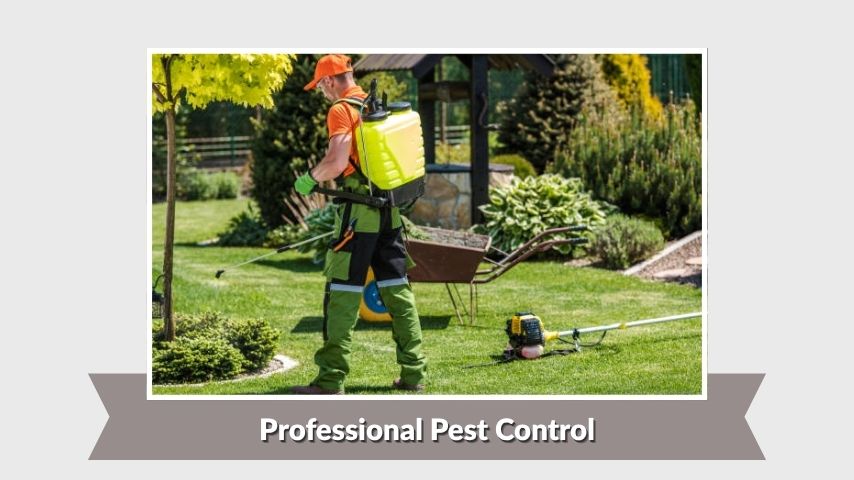
Professional pest control is one of the safest and most effective ways to remove large or dangerous wasp nests. Trained experts have the proper safety equipment, insecticides, and experience needed to handle aggressive colonies. This option is highly recommended for nests located inside walls, attics, roofs, or other difficult areas around the home.
When to Call a Professional
Professional help is important when the nest is very large, hard to reach, or located near children and pets. People who are allergic to wasp stings should avoid removing nests themselves and contact a pest control service immediately.
Advantages of Professional Pest Control
- Safer nest removal
- Proper protective equipment
- Stronger treatment products
- Reduced sting risk
- Complete colony removal
How Professionals Remove Wasp Nests
Pest control experts first inspect the nest location and identify the wasp species. They then apply special insecticides or removal techniques designed for that specific nest type. After treatment, the nest is safely removed and the area may be sealed to prevent future infestations.
Safety Benefits of Hiring Experts
Professionals understand how to approach aggressive wasps without causing unnecessary swarming. They also know how to handle nests inside walls or roofs without damaging property. Hiring experts can save time and reduce the risk of painful stings or repeated infestations.
7. Nighttime Nest Removal
Nighttime nest removal is a common strategy because wasps are much less active after dark. Most of the colony returns to the nest at night, making removal more effective and reducing the chance of aggressive swarming. This method is usually combined with sprays or other treatments to safely eliminate the nest before taking it down.
Why Nighttime Removal Is Effective
Cool nighttime temperatures slow wasp movement and make the insects calmer. Darkness also reduces their ability to fly and defend the nest quickly. Because of this, nighttime removal is considered safer than daytime attempts.
Equipment Needed for Nighttime Removal
- Protective clothing
- Flashlight with red filter
- Wasp spray
- Gloves and boots
- Sealed trash bag
How to Remove a Nest at Night
The nest should first be treated with an approved wasp spray while standing at a safe distance. After waiting for activity to stop, the nest can be carefully detached and sealed inside a trash bag. The surrounding area should also be checked for remaining wasps.
Important Safety Precautions
Move slowly and avoid shining bright white light directly onto the nest because sudden light can disturb the colony. Never attempt nighttime removal without protective clothing. Large nests or nests inside walls should still be handled by pest control professionals for maximum safety.
FAQs
What is the safest way to get rid of a wasp nest?
The safest method is usually professional pest control, especially for large or hidden nests. Experts have protective equipment and proper treatments that reduce the risk of stings and ensure the entire colony is removed safely.
When is the best time to remove a wasp nest?
The best time to remove a wasp nest is during the evening or early morning. Wasps are less active in cooler temperatures and most of the colony is inside the nest at night.
Can I remove a wasp nest without chemicals?
Yes, some people use soap and water solutions, vacuum methods, or smoke treatments for small nests. However, chemical sprays are often more effective for larger nests and aggressive wasp species.
Is it dangerous to spray a wasp nest during the day?
Yes, spraying a nest during the day can be dangerous because wasps are highly active and more likely to attack. Nighttime treatments are usually safer and more effective.
Should I remove an old wasp nest?
Old abandoned nests can usually be removed safely because wasps rarely reuse them. Removing the nest may also discourage new colonies from building nearby in the future.