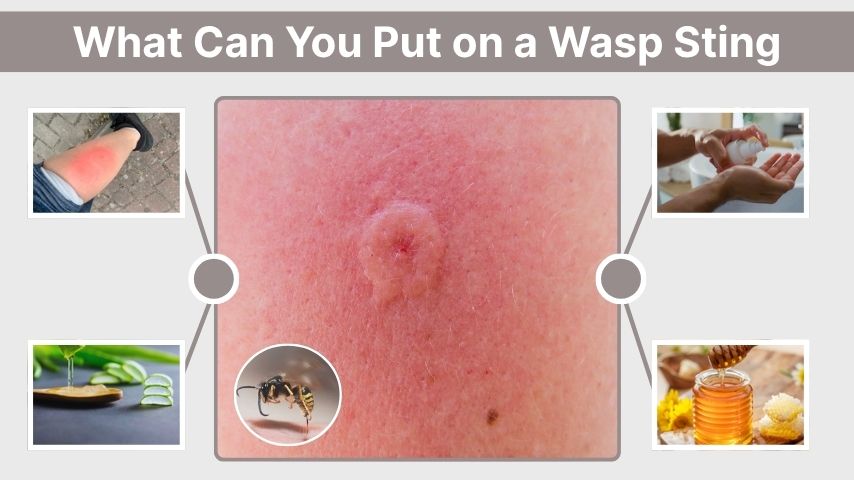
Wasp stings can cause sudden pain, swelling, redness, and itching within minutes after the sting occurs. Most mild reactions improve at home with simple first aid and over-the-counter treatments. However, some people experience stronger swelling or allergic reactions that may require medical attention. Knowing what to put on a wasp sting quickly can help reduce discomfort and speed up recovery while lowering the risk of infection or worsening irritation.
This guide explains the best creams, home remedies, and treatments for wasp stings. You will also learn how to reduce swelling, calm itching, and recognize when a sting reaction becomes serious enough to seek medical care.
What Happens After a Wasp Sting?
When a wasp stings, venom enters the skin and triggers inflammation. The body reacts immediately by increasing blood flow and activating the immune system. This causes pain, redness, swelling, and irritation around the sting area. Most reactions remain mild, but some people develop stronger symptoms depending on venom sensitivity and the number of stings received.
Common Wasp Sting Symptoms
Most people experience similar mild reactions after being stung by a wasp.
- Sharp burning pain
- Redness around the sting
- Swelling
- Itching
- Warm skin
- Tenderness
Symptoms usually appear within minutes and improve gradually over several days.
Why Wasp Stings Swell
Swelling occurs because the immune system responds to proteins and chemicals in the venom. Blood vessels widen near the sting site, allowing fluid and immune cells to move into the tissue.
Some people develop only small swollen bumps, while others experience larger local reactions that spread across a hand, arm, foot, or face. Multiple stings often produce stronger swelling because more venom enters the body.
Normal vs Severe Reactions
Mild sting reactions usually include pain, redness, itching, and moderate swelling. These symptoms often improve with home care and simple treatments.
Severe reactions may include difficulty breathing, dizziness, widespread hives, facial swelling, or chest tightness. These symptoms can indicate an allergic reaction called anaphylaxis and require immediate emergency medical treatment.
What Can You Put on a Wasp Sting Immediately?
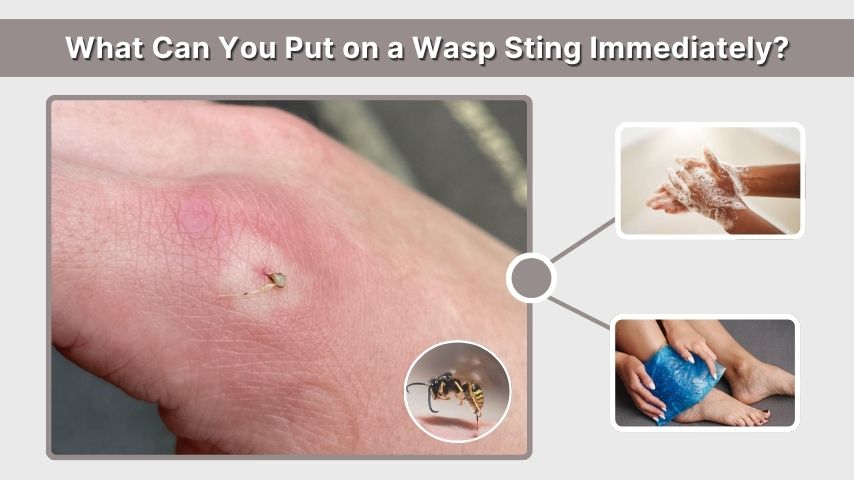
Quick first aid after a sting helps reduce pain and prevent worsening irritation. Acting within the first few minutes can limit swelling and make recovery more comfortable.
Wash the Sting Area
Cleaning the sting area with soap and water helps remove dirt, bacteria, and surface venom residue. This lowers the chance of infection and keeps the skin clean during healing.
Avoid scrubbing aggressively because irritated skin can become more inflamed. Gentle washing is usually enough for proper sting care.
Apply a Cold Compress
Cold compresses are one of the most effective treatments for wasp sting swelling and pain.
Helpful cold treatment options include:
- Ice packs wrapped in cloth
- Cold wet towels
- Frozen gel packs
- Chilled compress pads
Cold temperatures help numb the skin and reduce inflammation by slowing blood flow around the sting area.
Elevate the Affected Area
Elevating swollen hands, arms, feet, or legs may reduce fluid buildup and improve comfort after a sting. Keeping the affected area raised above heart level can help decrease throbbing and puffiness during the first several hours.
Resting the area also helps prevent additional irritation caused by movement or pressure.
Best Creams and Ointments for Wasp Stings
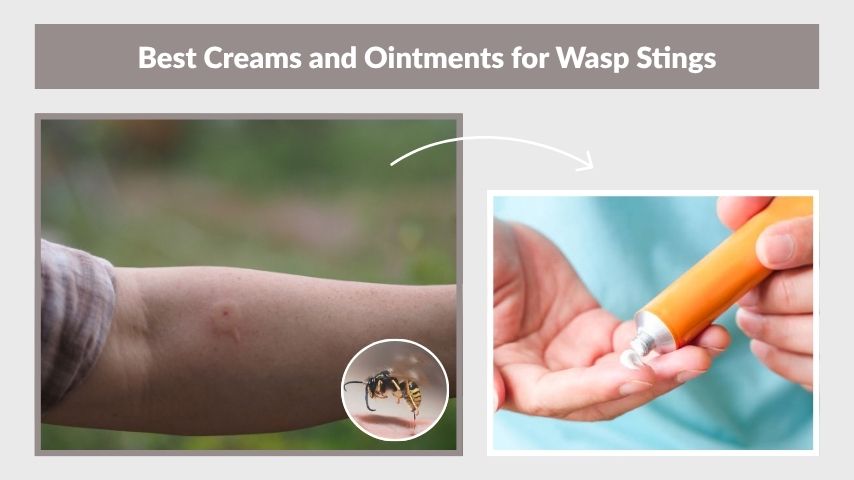
Several over-the-counter creams and ointments can help relieve itching, swelling, and irritation after a wasp sting. These treatments are commonly used for mild to moderate reactions.
Hydrocortisone Cream
Hydrocortisone cream helps reduce inflammation and itching caused by wasp venom. It is commonly recommended for mild swelling and irritated skin after insect stings.
Applying a thin layer to the affected area may calm redness and decrease the urge to scratch. Overusing steroid creams should be avoided unless directed by a healthcare provider.
Calamine Lotion
Calamine lotion creates a cooling effect that may help soothe itching and burning sensations. It is often used for irritated skin conditions, including insect bites and wasp stings.
The lotion dries on the skin and can temporarily reduce discomfort while helping keep the sting area protected from scratching.
Antihistamine Creams
Antihistamine creams are designed to reduce allergic skin reactions such as itching, redness, and mild swelling. These products may help calm irritation caused by histamine release after the sting.
People with sensitive skin should test creams carefully because some topical antihistamines may occasionally cause additional irritation.
Pain Relief Gels
| Product Type | Purpose | Best For |
| Hydrocortisone Cream | Reduce inflammation | Swelling |
| Lidocaine Gel | Numb pain | Burning sensation |
| Calamine Lotion | Soothe itching | Irritated skin |
These products can often be combined with cold compresses for better symptom relief.
Home Remedies You Can Put on a Wasp Sting
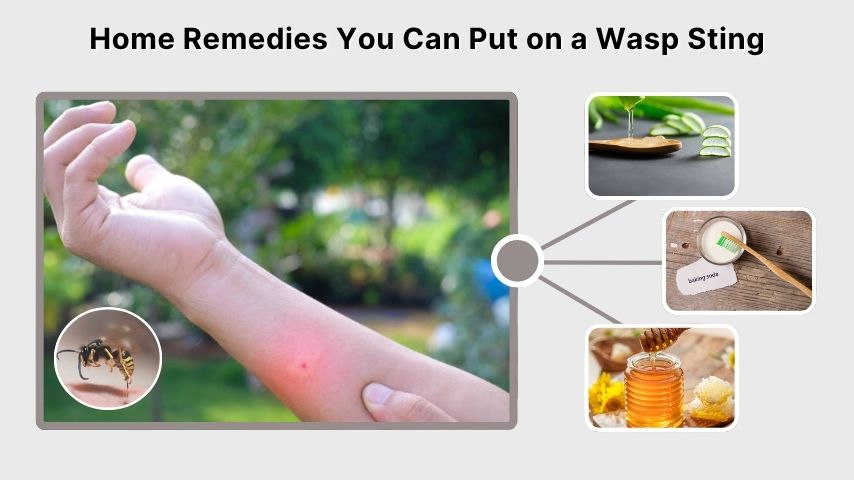
Many people use natural remedies to calm mild sting reactions at home. While these treatments may not work for everyone, they can provide temporary soothing relief for pain and itching.
Baking Soda Paste
Baking soda paste is a popular home remedy for wasp stings because it may help calm irritation and reduce itching. The paste is usually made by mixing baking soda with a small amount of water until it forms a thick texture.
Applying the mixture gently to the sting area for several minutes may temporarily soothe inflamed skin.
Aloe Vera Gel
Aloe vera is widely used for skin irritation because of its cooling and moisturizing properties. Fresh aloe gel or store-bought aloe products may help reduce redness and calm burning sensations after a wasp sting.
The gel also helps keep irritated skin hydrated while the sting heals naturally.
Honey on a Wasp Sting
Honey has natural soothing and antibacterial properties that may help reduce irritation around the sting site.
Some people apply a thin layer of honey directly onto mild stings to calm redness and tenderness. Washing the area afterward helps prevent stickiness and keeps the skin clean.
What Can You Put on a Wasp Sting for Swelling?
Swelling is one of the most common reactions after a wasp sting and may last from several hours to several days. Mild swelling is usually harmless, but larger local reactions can become uncomfortable. Using anti-inflammatory treatments early may help reduce puffiness and improve comfort while the body heals.
Ice Packs and Cold Compresses
Cold therapy is one of the fastest ways to reduce swelling after a sting. Ice helps narrow blood vessels and slow the inflammatory response triggered by the venom.
Helpful cold treatment methods include:
- Ice packs wrapped in cloth
- Cold wet towels
- Frozen gel packs
- Chilled compress pads
Cold packs should not be placed directly on bare skin for long periods because extreme cold may irritate the tissue further.
Oral Antihistamines
Oral antihistamines help reduce itching, swelling, and allergic irritation after a wasp sting. These medicines work by blocking histamine, which is one of the chemicals responsible for swelling and redness.
Common over-the-counter antihistamines may help calm larger local reactions, especially when swelling spreads beyond the immediate sting site.
Anti-Inflammatory Creams
Hydrocortisone creams and other anti-inflammatory products may help reduce redness, itching, and puffiness. These creams are commonly used together with cold compresses for improved relief.
Applying only a thin layer is usually enough for mild sting reactions. Persistent or severe swelling should be evaluated by a healthcare professional.
What Can You Put on a Bee or Wasp Sting?
Bee and wasp stings are treated similarly, although bee stings often leave a stinger behind in the skin. Quick treatment helps reduce pain and lowers the risk of stronger inflammatory reactions.
Differences Between Bee and Wasp Stings
Honey bees usually sting only once because the stinger becomes stuck in the skin. Wasps, hornets, and yellow jackets can sting repeatedly because their stingers remain smooth after the attack.
Bee stings sometimes continue releasing venom until the stinger is removed. Wasp stings usually cause more repeated pain because the insect may sting several times during one encounter.
Shared Treatment Methods
Many treatments work well for both bee and wasp stings.
- Cold compresses
- Hydrocortisone cream
- Aloe vera gel
- Oral antihistamines
- Calamine lotion
- Pain relief gels
These treatments mainly focus on reducing swelling, itching, and pain while the skin heals naturally.
When to Remove a Bee Stinger
If a bee stinger remains in the skin, removing it quickly may help reduce venom exposure. A flat object such as a credit card edge is often used to scrape the stinger away gently.
Avoid squeezing the venom sac because additional venom may enter the skin during removal.
What Can You Put on a Red Wasp Sting?
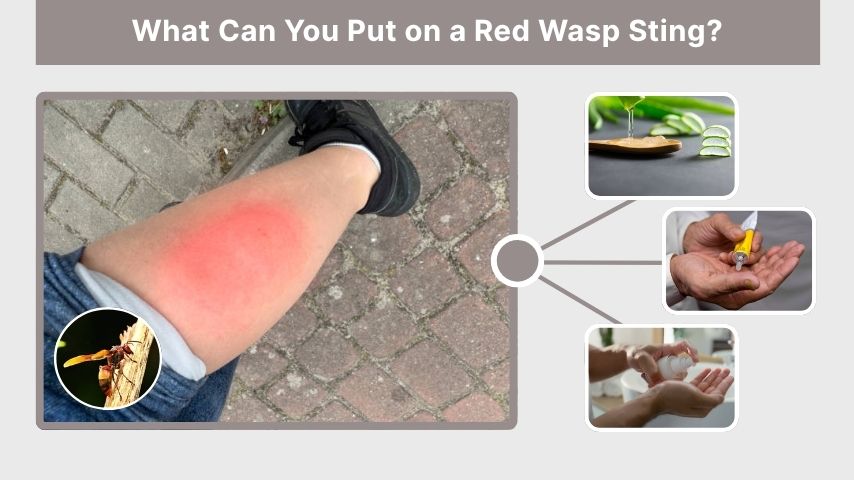
Red wasp stings are often described as painful and intensely burning. Sensitive individuals may develop stronger swelling or tenderness after these stings compared to smaller wasp species.
Best Topical Treatments
Several topical treatments may help calm irritation caused by red wasp stings.
- Lidocaine gel
- Hydrocortisone cream
- Aloe vera gel
- Calamine lotion
- Anti-itch creams
Cooling treatments are usually most effective during the first several hours after the sting.
Pain Relief Options
Oral pain relievers may help reduce soreness and throbbing caused by larger sting reactions. Resting the affected area and using cold therapy may also improve comfort.
Some people experience lingering tenderness for several days, especially after multiple stings or stings near sensitive skin areas.
Monitoring Severe Reactions
Most red wasp stings improve with home care, but severe symptoms should not be ignored. Facial swelling, trouble breathing, dizziness, or chest tightness may indicate a dangerous allergic reaction.
Worsening redness, pus, or fever could also signal infection around the sting site and may require medical treatment.
Medicines for Wasp Sting Relief
Over-the-counter medicines are commonly used to manage pain, itching, and inflammation after a sting. These treatments can help improve comfort while the body clears the venom naturally.
Oral Antihistamines
Antihistamines are frequently used for allergic skin reactions and swelling caused by wasp stings.
Common options include:
- Diphenhydramine
- Cetirizine
- Loratadine
- Fexofenadine
These medicines may also help reduce itching that develops during healing.
Pain Relievers
Pain relievers are useful for reducing soreness and inflammation after painful stings.
Ibuprofen and acetaminophen are commonly used to improve comfort, especially after multiple stings or stings on sensitive areas such as hands or feet.
Prescription Treatments
Severe allergic reactions sometimes require stronger medical treatments such as prescription steroid creams or epinephrine injections.
Individuals with known sting allergies are often advised to carry an epinephrine auto-injector for emergency use after future stings.
FAQs
What is the best thing to put on a wasp sting?
Cold compresses, hydrocortisone cream, aloe vera gel, and antihistamines are among the most common treatments used for mild wasp sting reactions.
How do you reduce wasp sting swelling fast?
Applying ice packs, elevating the affected area, and using antihistamines may help reduce swelling more quickly after a sting.
Can I use hydrocortisone cream on a wasp sting?
Yes. Hydrocortisone cream is commonly used to reduce itching, redness, and inflammation caused by wasp stings.
Does toothpaste help wasp stings?
Some people use toothpaste as a home remedy, but medical evidence supporting its effectiveness is limited compared to proven treatments like cold compresses and antihistamines.
When should I worry about a wasp sting?
Seek medical care if symptoms include trouble breathing, facial swelling, dizziness, chest tightness, severe hives, or signs of infection such as fever or pus.