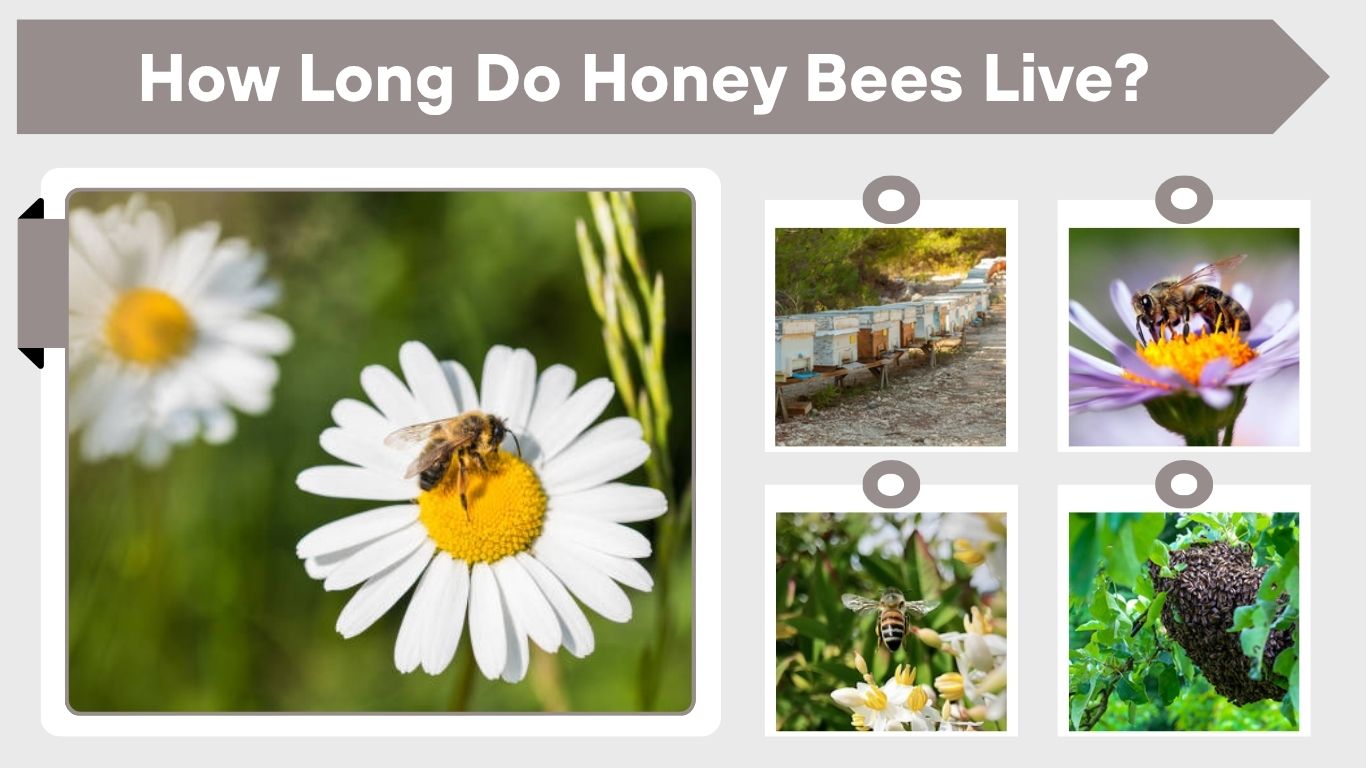
Honey bees have very different lifespans depending on their role in the colony. While some live only a few weeks, others can survive for years. Factors like season, workload, and environment all play a role in how long a bee lives. Understanding their lifespan helps explain how colonies function and why each type of bee—worker, queen, and drone—has a unique purpose that supports the survival and success of the entire hive.
How Long Do Honey Bees Live on Average?

The lifespan of a honey bee varies widely based on its role within the colony. Worker bees, queen bees, and drones all have different life expectancies due to their responsibilities and biology. On average, most people are surprised to learn that not all bees live long lives, especially those that work the hardest in the hive and outside environment.
Average Lifespan by Bee Type
- Worker bees: about 5–7 weeks in summer
- Winter worker bees: several months
- Queen bees: 2–5 years
- Drone bees: around 4–8 weeks
Why Lifespan Varies
- Workload and physical activity
- Seasonal changes
- Availability of food and resources
Lifespan of Worker Honey Bees

Worker bees make up the majority of the colony and are responsible for tasks like foraging, cleaning, and protecting the hive. Because they work continuously and perform physically demanding duties, their lifespan is much shorter than other bees. Their life expectancy also changes depending on the time of year and environmental conditions.
Summer Worker Bees
- Live about 5–7 weeks
- Spend most of their time foraging
- High activity leads to faster aging
Winter Worker Bees
- Can live several months
- Stay inside the hive to conserve energy
- Focus on maintaining warmth and survival
How Long Do Queen Honey Bees Live?
The queen honey bee has the longest lifespan in the colony and plays a critical role in reproduction. Unlike worker bees, she does not perform physically demanding tasks, which helps extend her life. Her diet and care from worker bees also contribute to her longevity and overall health within the hive.
Queen Bee Lifespan
- Typically lives between 2–5 years
- Continues laying eggs throughout her life
- Central to colony survival
Why Queens Live Longer
- Fed a special diet of royal jelly
- Protected and cared for by worker bees
- Less exposure to outside dangers
How Long Do Drone Honey Bees Live?
Drone bees, which are male honey bees, have a short and specific life purpose. Their main role is to mate with a queen, and their lifespan is closely tied to this function. They do not gather food or defend the hive, and their survival depends heavily on the colony’s needs.
Typical Drone Lifespan
- Live around 4–8 weeks
- Do not perform work like worker bees
- Rely on worker bees for food
Life Cycle of Drones
- Die immediately after mating
- Those that do not mate are often expelled before winter
- Rarely survive colder seasons
How Long Do Honey Bees Live After Stinging?
When a honey bee stings, it is usually a last-resort defense mechanism. Worker bees have a barbed stinger that becomes lodged in the skin of the target. This causes a fatal injury to the bee, making stinging a self-sacrificing act to protect the colony.
After stinging, a worker bee typically dies within a short period due to damage to its abdomen. This is one of the reasons honey bees are generally not aggressive and only sting when they feel threatened or when their hive is in danger.
How Long Do Honey Bees Live in the Wild vs Hive?

The environment where honey bees live has a strong impact on their lifespan. Bees in the wild face more dangers such as predators, harsh weather, and limited food sources. In contrast, bees in managed hives are protected and cared for, which can slightly improve their chances of survival. However, their role in the colony still remains the biggest factor in how long they live.
Lifespan in the Wild
- Shorter due to predators and environmental stress
- Exposure to weather extremes
- Limited food availability at times
Lifespan in Managed Hives
- Better protection from threats
- More consistent food supply
- Slightly longer average lifespan
How Long Do Honey Bees Live Without a Queen?
The presence of a queen is essential for the stability and survival of a honey bee colony. Without a queen, the colony quickly becomes disorganized because no new eggs are laid. Worker bees may try to adapt, but the colony cannot sustain itself for long under these conditions.
Effects of Losing the Queen
- No new bees are produced
- Colony structure begins to collapse
- Worker bees become stressed and less productive
How Long the Colony Survives
- Can survive a few weeks without a queen
- Workers may attempt to raise a new queen
- Failure to replace the queen leads to colony collapse
Factors That Affect Honey Bee Lifespan
Several factors influence how long a honey bee lives. While genetics and role are important, environmental conditions and daily activity levels also play a significant role. Bees that work harder or face harsher conditions tend to have shorter lifespans compared to those in stable environments.
For example, worker bees that forage frequently wear out their wings and bodies faster, reducing their lifespan. Similarly, poor nutrition or lack of food can weaken bees and shorten their lives. On the other hand, a healthy environment with abundant flowers and mild weather can help bees live closer to their natural lifespan.
Lifespan Differences by Honey Bee Type

Different types of honey bees around the world share similar lifespan patterns, but there can be slight variations depending on their environment and behavior. These differences are usually small but still worth noting when comparing species.
Common Honey Bee Types
- Italian honey bees: balanced lifespan and behavior
- Africanized honey bees: similar lifespan but more aggressive
- European honey bees: standard lifespan patterns
Environmental Influence
- Climate affects activity levels
- Food availability impacts survival
- Local threats can shorten lifespan
FAQs
How long does a worker honey bee live?
Worker honey bees typically live about 5–7 weeks during summer, but winter workers can survive for several months due to reduced activity.
How long can a queen honey bee live?
A queen honey bee can live between 2 to 5 years, making her the longest-living member of the colony.
Do honey bees die after stinging?
Yes, worker honey bees usually die shortly after stinging because their barbed stinger causes fatal injury.
Can honey bees survive without a queen?
A colony can survive only a few weeks without a queen unless they successfully raise a new one.
What affects how long honey bees live?
Factors like workload, weather, food supply, and environmental conditions all play a role in determining a honey bee’s lifespan.