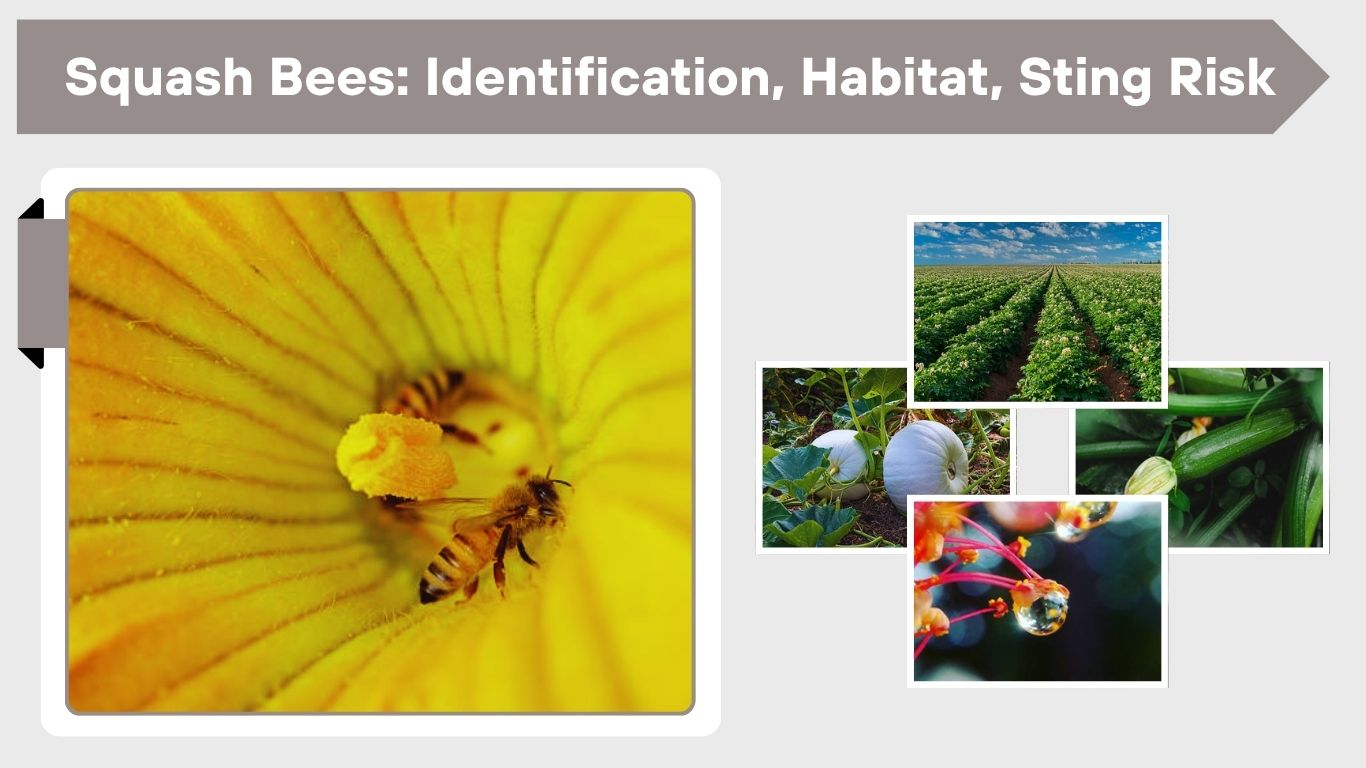
Squash bees are one of the most important yet often overlooked pollinators in home gardens and farms. If you grow squash, pumpkins, or zucchini, these bees can significantly improve your harvest. Unlike general pollinators such as honey bees, squash bees specialize in pollinating squash plants, making them incredibly efficient.
Many gardeners notice bees inside squash flowers early in the morning and wonder what they are or whether they are dangerous. Understanding squash bees can help you protect them, attract them, and ensure better crop yields.
What Is a Squash Bee?
A squash bee is a type of solitary bee that specializes in pollinating plants from the squash family, including pumpkins, zucchini, and gourds. These bees belong to the Peponapis and Xenoglossa genera and are native to North America.
Unlike honey bees, squash bees do not live in hives or produce honey. Each female builds her own nest and works independently.
Key characteristics of squash bees include:
- Medium-sized, similar to honey bees
- Hairy bodies for carrying pollen
- Active early in the morning
- Strong preference for squash flowers
Because of their specialization, they are often more effective at pollinating squash plants than other bees.
Types of Squash Bees
Pruinose Squash Bee
The pruinose squash bee is the most common species and is widely found in gardens and agricultural fields.
It is known for:
- High efficiency in pollinating squash
- Early morning activity
- Strong dependence on squash plants
This species plays a major role in crop production across North America.
Other Squash Bee Species
There are a few other species within the squash bee group, mostly within the same genera. While they may differ slightly in appearance or location, they all share the same behavior of specializing in squash plants.
Squash Bees vs Honey Bees

Although squash bees and honey bees may look similar at first glance, they are very different in behavior and usefulness for specific plants.
Key differences include:
- Pollination: Squash bees specialize in squash plants, while honey bees pollinate many types of flowers
- Activity Time: Squash bees work early in the morning; honey bees are active throughout the day
- Nesting: Squash bees nest in the ground; honey bees live in hives
- Efficiency: Squash bees are more effective for squash pollination
Because squash flowers open early and close quickly, squash bees are perfectly adapted to pollinate them at the right time.
Why Squash Bees Are Important for Pollination

Squash bees are essential for gardeners who want healthy and productive squash plants.
Their importance includes:
- Pollinating squash, pumpkins, and zucchini
- Increasing fruit production
- Improving fruit size and quality
- Working efficiently during early morning hours
Without proper pollination, squash plants may produce flowers but fail to develop fruit. Squash bees help ensure successful pollination every day.
Do Squash Plants Need Bees to Pollinate?
Yes, squash plants require pollination to produce fruit. Each plant has both male and female flowers, and pollen must be transferred between them.
Key points:
- Male flowers produce pollen
- Female flowers develop fruit
- Bees transfer pollen between flowers
Without pollinators like squash bees, fruits may become misshapen or fail to grow altogether.
How Squash Bees Pollinate Plants
Squash bees are highly efficient pollinators because of their behavior and timing.
They:
- Visit flowers early in the morning
- Enter deep into the flower to collect pollen
- Transfer pollen directly between flowers
Their bodies are perfectly adapted to carry large amounts of pollen, making each visit highly effective.
Where Do Squash Bees Live? (Habitat)

Squash bees are commonly found wherever squash plants are grown. Their habitat is closely linked to the availability of these plants.
They prefer:
- Gardens and backyard plots
- Farms and agricultural fields
- Areas with loose, well-drained soil
Because they rely on squash plants, they are most active during the growing season.
Squash Bee Nesting Behavior
Unlike honey bees, squash bees nest underground. Each female digs her own tunnel in the soil near squash plants.
Typical nesting features include:
- Small holes in the ground
- Underground tunnels with chambers
- Nests located close to food sources
These nests are often hidden and go unnoticed by gardeners.
Squash Bees Sleeping in Flowers
One of the most interesting behaviors of squash bees is their habit of sleeping inside flowers.
Male squash bees often:
- Rest inside squash blossoms overnight
- Become active early in the morning
- Use flowers as shelter
This behavior is completely harmless and is a natural part of their lifecycle.
What Do Squash Bees Eat?

Squash bees rely heavily on squash plants for their diet.
They consume:
- Nectar for energy
- Pollen for feeding their larvae
Unlike generalist bees, squash bees are highly specialized and prefer pollen from squash flowers, making them uniquely adapted to these plants.
Are Squash Bees Aggressive?
Squash bees are not aggressive and are considered very safe to have in your garden. Their solitary nature means they do not defend nests like honey bees or wasps.
They are:
- Calm and non-aggressive
- Focused on pollination, not defense
- Unlikely to interact with humans
Even when working closely around plants, they typically ignore people completely.
Do Squash Bees Sting?
Can They Sting?
Yes, squash bees can sting, but only females have stingers. Male squash bees, which are often seen sleeping in flowers, cannot sting at all.
Sting Severity
If a sting does occur, it is usually very mild.
- Less painful than a honey bee sting
- Rare and usually only happens if handled
- Causes minimal irritation
Most gardeners will never experience a squash bee sting.
Do Squash Bees Make Honey?
Squash bees do not produce honey. Unlike honey bees, they are solitary and do not store food in large quantities.
Instead, they:
- Collect nectar for personal energy
- Gather pollen for their larvae
- Do not form colonies or hives
Their main purpose is pollination rather than honey production.
How to Attract Squash Bees to Your Garden
Encouraging squash bees in your garden can significantly improve your harvest.
Effective ways to attract them include:
- Plant squash varieties: Grow pumpkins, zucchini, and gourds
- Avoid pesticides: Chemicals can harm beneficial bees
- Provide bare soil: Leave some areas uncovered for nesting
- Grow companion flowers: Support a healthy pollinator environment
Creating a bee-friendly garden will naturally invite squash bees to stay.
How to Pollinate Squash Without Bees
If bees are not present, you can pollinate squash plants manually.
Steps for hand pollination:
- Identify male and female flowers
- Use a small brush or cotton swab
- Transfer pollen from male to female flower
- Perform this early in the morning
This method ensures fruit production even without natural pollinators.
What Kills Squash Bugs but Not Bees?
Squash bugs are common pests, but controlling them without harming bees is important.
Safe methods include:
- Hand removal: Pick bugs off plants manually
- Neem oil: Apply carefully in the evening
- Row covers: Protect plants during early growth
- Natural predators: Encourage beneficial insects
Avoid spraying chemicals during the day when bees are active.
Squash Bees vs Squash Bugs (Common Confusion)

Many gardeners confuse squash bees with squash bugs, but they are completely different.
- Squash Bees: Pollinators, beneficial, harmless
- Squash Bugs: Pests, damage plants, harmful
Squash bees help plants grow, while squash bugs feed on leaves and reduce crop health.
Interesting Facts About Squash Bees
Squash bees have several unique traits that make them fascinating.
- They are active only for a few weeks each year
- Males sleep inside squash flowers
- They are more efficient than honey bees for squash
- They evolved specifically with squash plants
These facts highlight how specialized and important they are.
FAQ
Do squash bees sting humans?
Squash bees can sting, but it is extremely rare. Only females have stingers, and they are not aggressive. Most stings occur only if the bee is handled or trapped, and the pain is mild compared to other bees.
Where do squash bees live?
Squash bees live in the ground near squash plants. They dig small tunnels in loose soil, usually in gardens or farms where squash crops are grown.
Are squash bees better than honey bees for pollination?
Yes, squash bees are more effective for pollinating squash plants. They are specialized and work early in the morning when squash flowers are open, making them highly efficient.
How can I attract squash bees to my garden?
Plant squash crops, avoid pesticides, and leave some bare soil for nesting. These simple steps will create a welcoming environment for squash bees.
Do squash bees make honey?
No, squash bees do not produce honey. They are solitary bees and focus on pollinating plants rather than storing food.
Conclusion
Squash bees are essential pollinators that play a vital role in growing healthy squash crops. They are harmless, non-aggressive, and highly efficient at pollination, making them a valuable addition to any garden.
By understanding their behavior and providing a suitable environment, you can attract squash bees and improve your harvest naturally. Instead of fearing them, gardeners should appreciate and protect these helpful insects.