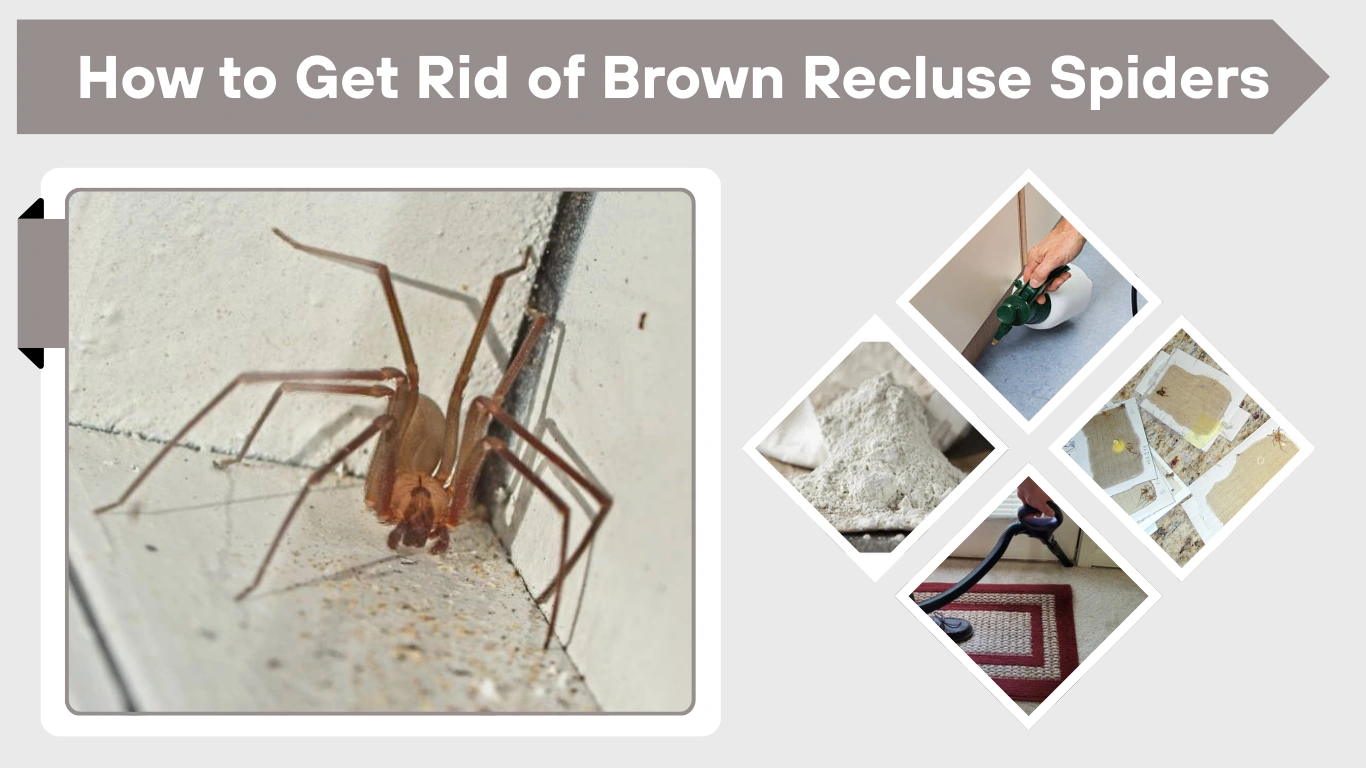
Brown recluse spiders are venomous arachnids known for their elusive behavior and potentially dangerous bites. Removing them requires careful strategies to ensure both effectiveness and safety. Whether they’re hiding in your basement, attic, garage, or yard, understanding where these spiders live and how to target them is crucial. This guide explains how to get rid of brown recluse spiders indoors and outdoors, using chemical, natural, and preventive methods, while helping homeowners prevent future infestations.
Understanding Brown Recluse Spider Infestations
Brown recluse spiders are secretive and prefer dark, undisturbed areas. Infestations usually start in areas where they can hide and reproduce, including basements, attics, and cluttered garages. Signs of an infestation include:
- Small irregular webs in corners or behind furniture
- Spider sightings in storage areas
- Bites or lesions that may appear on exposed skin
Correct identification is essential before attempting removal. Many harmless spiders, such as cellar spiders or wolf spiders, are often misidentified as brown recluses, leading to unnecessary panic.
How to Get Rid of Brown Recluse Spiders Indoors

Common Indoor Locations (List Items)
- Basements and attics: Dark, quiet, and rarely disturbed areas.
- Closets and storage boxes: Spiders hide in boxes of clothes, shoes, and other stored items.
- Garages and behind appliances: Areas with clutter and infrequent human activity.
- Under furniture and in corners: Spiders prefer sheltered, undisturbed spots.
Indoor Removal Methods
- Vacuuming: Safely removes spiders, webs, and egg sacs. Make sure to empty the vacuum immediately.
- Glue traps or sticky pads: Placed along walls, behind furniture, and in corners to capture spiders over time.
- Insecticides: Use labeled sprays specifically for spiders along baseboards, corners, and cracks.
- Decluttering and cleaning: Reduces hiding spots and makes spiders easier to detect.
- Sealing cracks and crevices: Prevents spiders from entering walls, vents, and tight spaces.
Proper application of these methods can significantly reduce spider numbers indoors, especially when combined with routine cleaning and inspections.
How to Get Rid of Brown Recluse Spiders Outdoors

Brown recluse spiders also live outdoors in sheltered and dry areas. Outdoor infestations are less frequent but require preventive measures to keep spiders from entering the home.
Common Outdoor Locations (List Items)
- Woodpiles, rocks, and debris: Ideal hiding spaces for spiders.
- Sheds, garages, and barns: Quiet structures with minimal human disturbance.
- Garden areas and yards: Especially under shrubs, leaves, or other debris.
Outdoor Removal Methods
- Chemical treatments: Apply labeled insecticides along foundations, woodpiles, and sheds. Focus on cracks and dark areas.
- Natural repellents: Diatomaceous earth, cedar chips, or essential oils like peppermint or tea tree can help deter spiders.
- Yard maintenance: Remove debris, trim shrubs, mow grass, and move firewood away from structures.
- Barrier methods: Seal gaps under doors and windows to prevent spiders from entering.
By combining chemical and natural strategies, you can reduce the risk of brown recluse spiders both outdoors and indoors.
Natural and Home Remedies
For those who prefer eco-friendly or chemical-free approaches, several natural remedies can help control brown recluse populations.
Natural Methods (List Items)
- Diatomaceous earth: Non-toxic powder that damages spiders’ exoskeletons, eventually killing them.
- Essential oils: Peppermint, lavender, and tea tree oils repel spiders. Mix with water and spray along corners, baseboards, and entry points.
- Vinegar solutions: Spray vinegar along baseboards, closets, and other potential hiding spots to discourage spider activity.
- Regular cleaning: Reduces available food sources (other insects) and limits hiding spaces.
These natural methods are safe for children and pets and can be used in combination with preventive measures for long-term results.
Fast and Permanent Removal Strategies

For homeowners dealing with brown recluse spiders, quick removal is important, but long-term solutions are key to preventing re-infestation.
Fast Removal Methods
- Vacuuming and sticky traps: Quickly reduces spider numbers in infested areas.
- Targeted insecticide application: Spray labeled spider insecticides in corners, basements, attics, and behind furniture.
- Professional pest control: For severe infestations, professional services ensure complete removal and safety.
Permanent Solutions
- Decluttering and sealing gaps: Reduces hiding spots and prevents spiders from entering.
- Routine cleaning and monitoring: Regular vacuuming, sticky traps, and inspections help maintain spider-free spaces.
- Long-term natural deterrents: Use diatomaceous earth or essential oils consistently.
- Ongoing inspections: Check high-risk areas like basements, attics, garages, woodpiles, and sheds.
A combination of fast removal and long-term strategies ensures spiders do not return.
State-Specific Guidance
Certain states are more prone to brown recluse spider infestations, including Kansas, Texas, Missouri, and other south-central U.S. regions.
High-Risk Areas (List Items)
- Kansas and Texas: Core populations often hide in basements, attics, garages, and woodpiles.
- Missouri: Frequent sightings indoors; proactive cleaning and sealing are recommended.
- Florida, Georgia, Arkansas: Less dense populations but preventive measures remain important.
State-specific strategies include combining chemical and natural treatments, reducing clutter, and routine monitoring to prevent infestations.
Safety Precautions During Removal

Removing brown recluse spiders can be dangerous if done improperly. Safety should be a priority.
Safety Tips (List Items)
- Wear gloves and protective clothing to avoid accidental bites.
- Avoid direct contact with spiders or webs.
- Keep children and pets away from treated areas.
- Follow label instructions carefully when using insecticides.
- Consider professional pest control for severe infestations or large areas.
These precautions help ensure effective spider removal without risking bites or poisoning.
FAQs
How can I quickly get rid of brown recluse spiders in my home?
Use vacuuming, sticky traps, and targeted insecticides. Declutter and clean regularly to remove hiding spots and prevent future infestations.
Can brown recluse spiders be removed naturally?
Yes. Diatomaceous earth, essential oils (peppermint, tea tree, lavender), vinegar sprays, and regular cleaning are safe and effective natural methods.
How do I get rid of brown recluse spiders in a garage or attic?
Seal cracks and gaps, declutter the area, set sticky traps, and use spider-safe insecticides in corners, dark spaces, and storage areas.
Are professional pest control services necessary?
For large infestations or repeated sightings, professional services provide fast, effective, and permanent removal. They can reach hard-to-access areas safely.
How can I prevent brown recluse spiders from returning?
Maintain a clean and decluttered home and yard, seal gaps and cracks, monitor with sticky traps, and apply natural deterrents like diatomaceous earth or essential oils regularly.