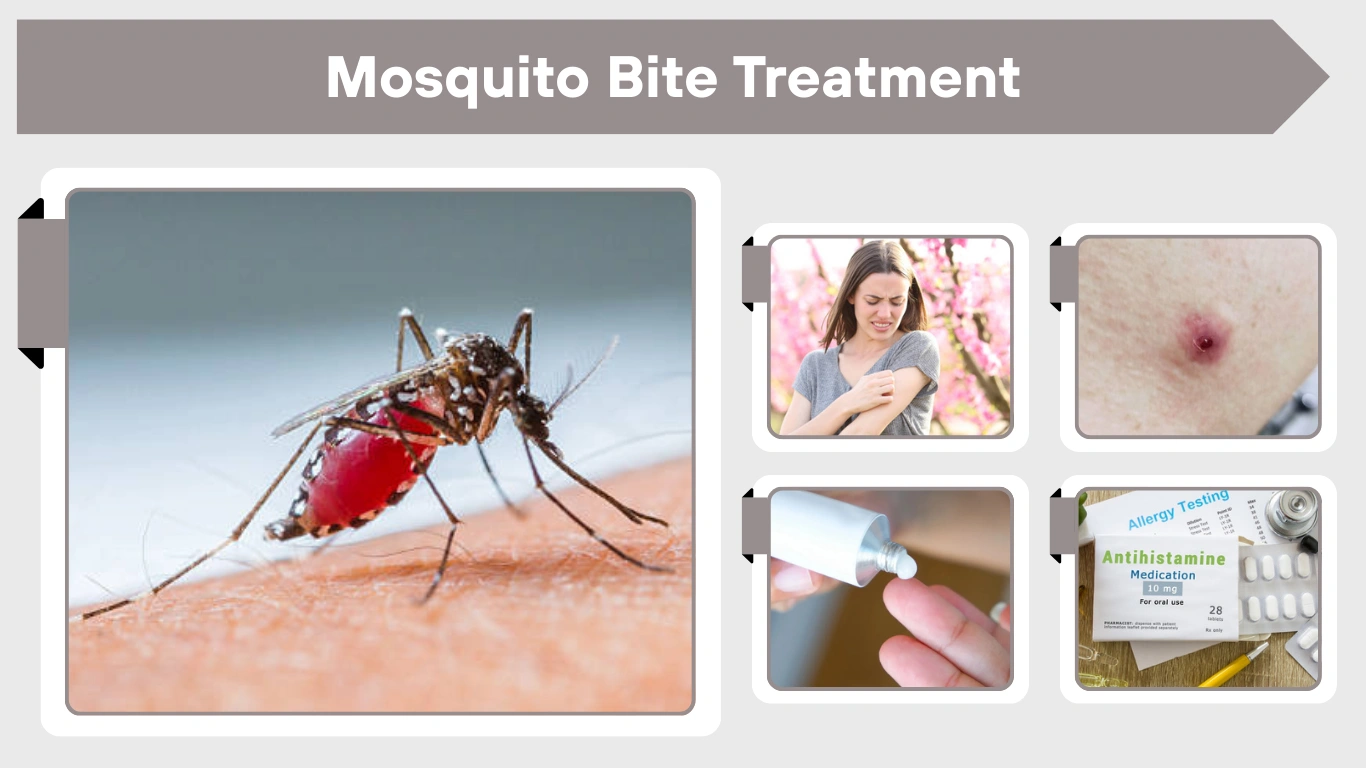
Mosquito bites are common, but reactions to them can vary widely. Some people develop only small, itchy bumps that fade quickly, while others experience intense swelling, redness, or even blistering. These reactions are not caused by the bite itself, but by your immune system’s response to mosquito saliva. Understanding how mosquito bites affect the skin—and how to treat them properly—can reduce discomfort, prevent complications, and speed up healing.
How Mosquito Bites Affect the Skin
When a mosquito bites, it injects saliva into the skin to prevent blood clotting. Your immune system recognizes this saliva as a foreign substance and releases histamine in response. This histamine release is what causes itching, redness, and swelling.
Why Mosquito Bites Itch
Histamine increases blood flow to the affected area and irritates nearby nerve endings. This is why mosquito bites itch almost immediately or within minutes. Scratching may provide short-term relief, but it worsens inflammation and increases the risk of infection.
Normal vs Abnormal Reactions
A normal mosquito bite appears as a small, itchy bump that fades within a few days. Abnormal reactions include excessive swelling, warmth, blistering, or redness that continues to spread. These reactions may indicate an allergic response or infection and require different treatment.
Best Treatment for Mosquito Bites (General Relief)

Most mosquito bites can be treated effectively with simple over-the-counter products that reduce inflammation and itching.
Over-the-Counter Treatments
Hydrocortisone cream is one of the most effective topical treatments for mosquito bites. It reduces inflammation, redness, and itching when applied one to three times daily. Calamine lotion can also soothe itching and provide a cooling effect on irritated skin.
Antihistamine creams help block histamine locally, which can reduce itchiness. These are especially useful for people who experience strong itching but mild swelling.
Oral Medications
Oral antihistamines can be helpful for people with multiple bites or widespread itching. They reduce the body’s histamine response and can be particularly useful at night when itching interferes with sleep. Non-drowsy options are available for daytime use.
Home and Natural Treatment for Mosquito Bites
Many people prefer treating mosquito bites at home using simple remedies that reduce inflammation and itching.
Effective Home Remedies
Applying a cold compress or ice pack to a mosquito bite for 10–15 minutes helps reduce swelling and numbs the area, providing fast itch relief. Aloe vera gel has natural anti-inflammatory properties and can soothe irritated skin.
A baking soda paste made with water can help relieve itching by neutralizing skin irritation. Applying it for a few minutes before rinsing off may reduce discomfort.
Natural Treatments: What Helps and What Doesn’t
Oatmeal baths or oatmeal paste can help calm itchy skin, especially when multiple bites are present. Honey has mild antibacterial properties and may help reduce irritation, though it can be sticky and messy.
Essential oils are often promoted as mosquito bite treatments, but many can irritate sensitive skin if used improperly. They should be diluted and used cautiously, especially on children.
Treatment for Itchy and Swollen Mosquito Bites

Itching and swelling are the most common mosquito bite symptoms and often occur together.
Reducing Swelling
Cold therapy is the most effective way to reduce swelling. Elevating the affected area can also help minimize fluid buildup, particularly when bites occur on arms, legs, or ankles.
Anti-inflammatory creams like hydrocortisone further reduce swelling by calming the immune response at the bite site.
Stopping the Itch
Anti-itch creams, antihistamines, and cold compresses are the best tools for itch relief. Avoid scratching whenever possible, as broken skin increases the risk of infection and prolongs healing.
Mosquito Bite Allergy Treatment (Skeeter Syndrome)
Some people experience unusually large, painful reactions to mosquito bites, a condition commonly referred to as mosquito bite allergy or Skeeter syndrome.
Normal Bite vs Allergic Reaction
An allergic reaction typically causes significant swelling, redness, warmth, and itching that may last several days. In children, these reactions can appear severe but are usually not dangerous.
Treatment for Allergic Reactions
Oral antihistamines and stronger topical steroid creams are often required to control allergic reactions. In severe cases, a healthcare provider may prescribe oral corticosteroids.
Infected Mosquito Bite Treatment

While most mosquito bites heal without problems, scratching can introduce bacteria into the skin and lead to infection.
Signs a Mosquito Bite Is Infected
An infected mosquito bite may become increasingly red, swollen, warm, or painful. You may notice pus, crusting, or red streaks spreading from the bite. Fever or swollen lymph nodes are signs the infection may be more serious and should be evaluated by a medical professional.
Treatment for Infected Mosquito Bites
Clean the area gently with soap and water. Applying an antibiotic ointment may help prevent worsening infection. If redness continues to spread or pain increases, a doctor may prescribe oral or topical antibiotics. Avoid covering infected bites tightly, as airflow helps healing.
Treatment for Severe or “Bad” Mosquito Bites
Some mosquito bites cause intense swelling, bruising, or pain, especially when multiple bites occur in one area.
Severe bites may require a combination of cold compresses, oral antihistamines, and prescription-strength steroid creams. Rest and elevation can help reduce swelling. If symptoms persist beyond a week or worsen, medical evaluation is recommended.
Mosquito Bite Treatment on Sensitive Areas

Bites on the face and eyes often look worse than they are because the skin is thinner and more prone to swelling.
Mosquito Bites on the Face
Facial mosquito bites should be treated gently. Cold compresses and mild hydrocortisone cream can help reduce swelling. Avoid heavy or fragranced products that may irritate the skin.
Mosquito Bites on the Eyelid or Eye Area
Eyelid bites can cause dramatic swelling but are rarely dangerous. Use cold compresses and oral antihistamines rather than creams near the eye. Do not apply topical steroids or anti-itch creams directly on the eyelid unless advised by a healthcare provider. Seek medical care if vision is affected or swelling continues to worsen.
Mosquito Bite Treatment for Babies, Toddlers, and Children
Children often react more strongly to mosquito bites and may scratch them excessively.
Safe Treatments by Age
For infants, cold compresses and gentle moisturizing lotions are usually sufficient. For toddlers and older children, pediatric-approved hydrocortisone cream and oral antihistamines may be used under guidance. Always check product labels for age restrictions.
When to Call a Pediatrician
Seek medical advice if a child develops severe swelling, signs of infection, fever, or an allergic reaction. Bites near the eyes or mouth should also be evaluated if swelling interferes with normal function.
Mosquito Bites on Dogs: Treatment and Care
Dogs can also suffer from mosquito bites, especially on the nose, ears, and belly where fur is thin. Mild bites often resolve on their own, but swelling, itching, or hair loss may indicate irritation or allergy.
Gently clean the area and prevent excessive licking or scratching. Avoid using human medications unless approved by a veterinarian. Contact a vet if swelling persists, signs of infection appear, or your dog seems unusually uncomfortable.
Mosquito Bite Blisters, Rash, and Scars
Blisters and rashes may form when bites are scratched repeatedly or when allergic reactions occur. Keeping the area clean and protected helps prevent infection.
Mosquito bite scars or dark marks can develop after healing, especially in people prone to hyperpigmentation. These marks usually fade over time. Avoiding sun exposure and using gentle skin care can help speed fading.
When to See a Doctor for a Mosquito Bite
Medical attention is recommended if a mosquito bite shows signs of infection, causes severe allergic symptoms, does not heal after a week, or is accompanied by fever or flu-like symptoms. Prompt care helps prevent complications.
How to Prevent Mosquito Bites in the Future
Preventing bites reduces the need for treatment. Use insect repellent, wear protective clothing, and eliminate standing water around your home. These steps lower mosquito exposure and protect your skin.
Key Takeaways
Most mosquito bites are mild and improve with simple treatment. Itching and swelling are caused by the body’s immune response, while allergic and infected bites require extra care. Prompt treatment, avoiding scratching, and knowing when to seek medical help can speed healing and prevent complications.
FAQs
What is the best treatment for mosquito bites?
The best treatment for mosquito bites is a combination of cold compresses to reduce swelling and an over-the-counter hydrocortisone or antihistamine cream to relieve itching. Oral antihistamines can help if you have multiple bites or widespread itching.
How long do mosquito bites take to heal?
Most mosquito bites improve within 3 to 7 days. Itching and swelling usually peak within the first 24–48 hours. Bites may last longer if scratched, infected, or if you have an allergic reaction.
What should I do if a mosquito bite becomes infected?
Clean the area with soap and water and apply an antibiotic ointment. Avoid scratching and keep the area clean. If redness spreads, pain increases, pus develops, or fever occurs, seek medical care as antibiotics may be needed.
Why do mosquito bites swell so much on the face or eyelid?
The skin on the face and eyelids is thinner and holds more fluid, which makes swelling appear worse. Use cold compresses and oral antihistamines, and avoid applying creams too close to the eye unless advised by a doctor.
When should I see a doctor for a mosquito bite?
You should see a doctor if a bite shows signs of infection, causes severe swelling, triggers an allergic reaction, does not heal after a week, or is accompanied by fever or flu-like symptoms.