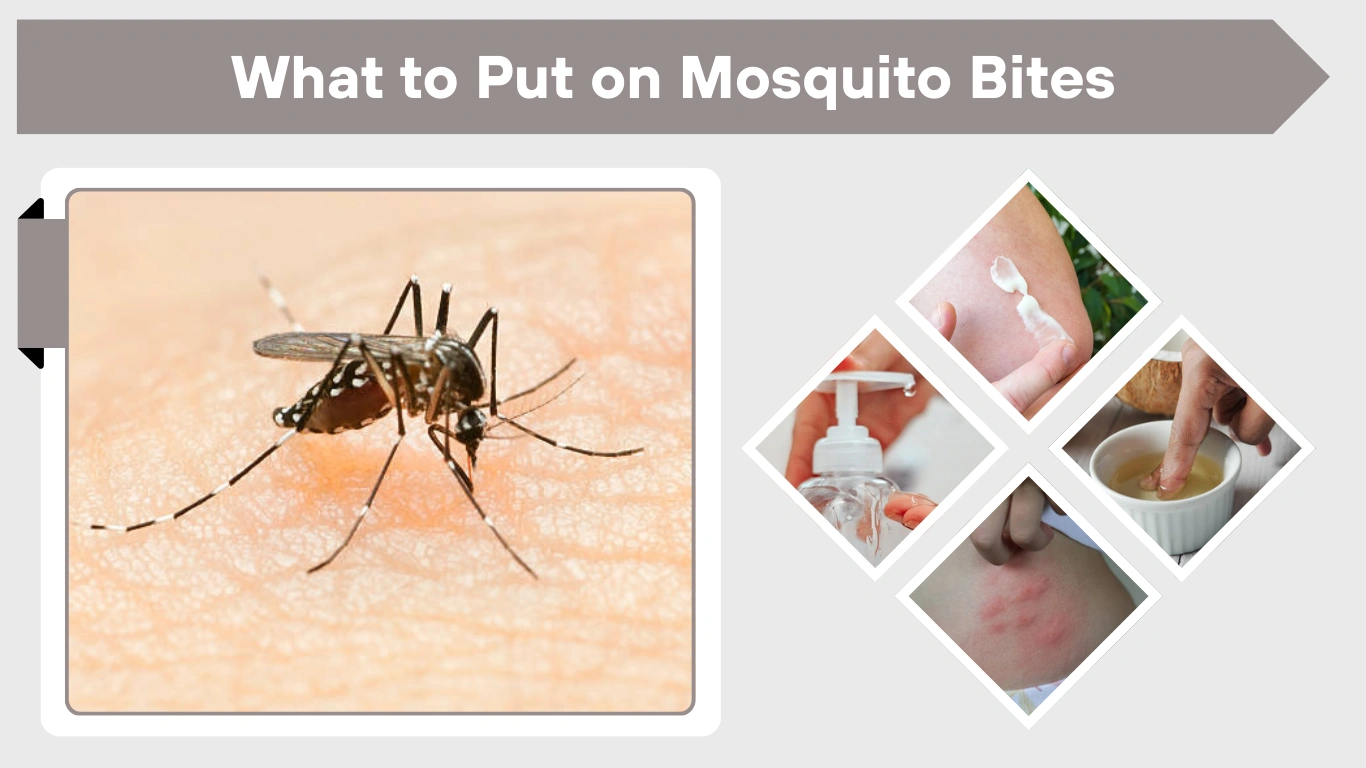
Mosquito bites are a common problem, especially in warm and humid areas, and they often cause itching, redness, and uncomfortable swelling. Many people search for what to put on mosquito bites to stop itching quickly and help the skin heal faster. The right treatment can calm irritation, reduce inflammation, and lower the risk of infection or scarring. In this article, you will learn what actually works on mosquito bites, from immediate relief methods to medical and natural treatment options.
Why Mosquito Bites Itch and Swell

Mosquitoes itch because when a mosquito pierces the skin, it injects saliva that contains proteins and anticoagulants. These substances prevent blood from clotting, allowing the mosquito to feed, but they also trigger the body’s immune system. Your immune cells release histamine, which causes blood vessels to expand. This leads to redness, swelling, and the familiar itchy bump.
The intensity of a mosquito bite reaction varies from person to person. Some people develop only small, mildly itchy spots, while others experience large, hard, swollen areas that last for days. Children and people with sensitive skin often react more strongly. Repeated scratching makes the inflammation worse and can break the skin, opening the door to infection and slow healing.
Common Symptoms of Mosquito Bites
Most mosquito bites appear as small, round, raised bumps that develop shortly after being bitten. The most common symptom is itching, which can range from mild irritation to intense discomfort. Redness and warmth around the bite are normal signs of the immune response.
Some people develop firm, swollen lumps that may feel sore or hot. In more sensitive individuals, mosquito bites can blister or become unusually large. Signs that a mosquito bite may be infected include increasing pain, spreading redness, pus, crusting, or fever. Severe swelling of the face, lips, or eyelids, or symptoms like trouble breathing, can indicate an allergic reaction and require medical care.
What to Put on Mosquito Bites Immediately

Applying something as soon as you notice a mosquito bite can significantly reduce itching and swelling. Early care helps calm the skin before inflammation becomes intense.
- Cold compress or ice wrapped in a cloth to reduce swelling
- Hydrocortisone cream (1%) to calm inflammation
- Calamine lotion to soothe itching and dry oozing bites
- Aloe vera gel for cooling relief
- Baking soda and water paste to ease irritation
- Antihistamine cream or gel to block itch signals
- Oatmeal paste for soothing sensitive skin
These treatments work best when applied to clean skin. Avoid scratching before applying anything, as broken skin can worsen irritation and increase infection risk.
Best Medical and Pharmacy Treatments
Hydrocortisone and Anti-itch Creams
Hydrocortisone is one of the most commonly recommended treatments for mosquito bites. It is a mild steroid that reduces redness, swelling, and itching by calming the immune response in the skin. A thin layer applied one to three times daily can significantly ease discomfort. Anti-itch creams containing pramoxine or menthol may also provide fast, soothing relief.
Antihistamines for Severe Itching
When mosquito bites are numerous or extremely itchy, antihistamines can help. Topical antihistamine creams may reduce itching at the skin level, while oral antihistamines can calm widespread reactions. These are often helpful for people who develop large swollen bites or allergic-type responses. Non-drowsy antihistamines are usually preferred during the day.
Pain-relief and Soothing Lotions
Some mosquito bites become painful rather than just itchy. In such cases, creams containing lidocaine or benzocaine can numb the area temporarily. Calamine lotion remains a popular option because it cools the skin, reduces redness, and helps dry irritated bumps. These products are widely available and safe when used as directed.
Natural and Home Remedies for Mosquito Bites

Many people prefer natural solutions, especially for frequent bites or sensitive skin. While they may not be as strong as medical creams, they can still provide noticeable comfort.
- Aloe vera to cool and support skin healing
- Honey for soothing and antibacterial benefits
- Coconut oil to reduce dryness and irritation
- Diluted apple cider vinegar to calm itching
- Witch hazel as a natural astringent
- Chamomile or green tea compress to reduce inflammation
- Oatmeal baths or paste to soothe itchy skin
These remedies work best on mild to moderate bites and can be reapplied as needed throughout the day.
What to Put on Mosquito Bites for Babies and Toddlers
Baby and toddler skin is thinner and more sensitive than adult skin, so mosquito bite care must be gentle. The safest first step is cleaning the area with mild soap and water, then applying a cold compress for a few minutes to reduce swelling and discomfort. Fragrance-free aloe vera gel and baby-safe calamine lotion are commonly used to soothe itching.
Strong steroid creams, menthol products, and essential oils should generally be avoided on infants unless advised by a doctor. Keeping a child’s fingernails trimmed and covering bites with loose cotton clothing can help prevent scratching. If a baby develops widespread swelling, fever, or signs of infection, medical advice should be sought promptly.
What to Put on Swollen, Big, or Allergic Mosquito Bites
Some mosquito bites become very large, hard, and hot due to a stronger immune response. These swollen bites often benefit from a combination of cold therapy and anti-inflammatory treatment. Applying an ice pack for 10 minutes can quickly limit swelling, followed by hydrocortisone cream to calm redness and itching.
For people who develop allergic-type reactions, oral antihistamines may reduce overall swelling and discomfort. Facial bites, especially on the eyelids or lips, should be treated carefully with cold compresses and gentle creams. If swelling spreads rapidly, becomes painful, or is accompanied by breathing difficulty, urgent medical care is required.
What to Put on Infected or Open Mosquito Bites

Scratching can break the skin, allowing bacteria to enter and cause infection. Infected mosquito bites often become increasingly red, tender, warm, or produce discharge. Proper care focuses on cleaning, protecting, and preventing further irritation.
- Wash gently with mild soap and clean water
- Apply an antiseptic solution
- Use a thin layer of antibiotic ointment
- Cover loosely with breathable gauze if needed
- Avoid scratching, popping, or squeezing
If redness spreads, pain worsens, or fever develops, professional medical treatment may be necessary.
How to Heal Mosquito Bites Faster
Fast healing starts with reducing inflammation early. Cold compresses, anti-itch creams, and antihistamines help calm the immune response that prolongs healing. Keeping mosquito bites clean prevents infection, which can significantly delay recovery.
Moisturizing once itching decreases supports skin repair and prevents excessive dryness. At night, covering itchy bites with loose clothing or using gentle anti-itch lotions can reduce unconscious scratching. Drinking enough water and maintaining healthy skin care habits also support faster healing from the inside out.
How to Prevent Mosquito Bite Scars
Mosquito bite scars usually result from repeated scratching, deep inflammation, or infection. Preventing scarring begins with controlling itching. The less a bite is disturbed, the more likely it is to fade naturally.
Once a bite flattens, gentle moisturizers, aloe vera, or silicone-based gels can support skin recovery. Sun exposure can darken healing bites, making marks last longer, so applying sunscreen to exposed healing skin may help reduce discoloration. Most mosquito marks fade over several weeks if properly cared for.
When to See a Doctor for Mosquito Bites
Most mosquito bites heal without medical care, but some situations require professional evaluation. You should consider seeing a doctor if a bite becomes extremely painful, shows spreading redness, produces pus, or does not improve after several days.
Immediate medical help is necessary if symptoms of a severe allergic reaction appear, such as facial swelling, hives, dizziness, or difficulty breathing. Fever, red streaks on the skin, or swollen lymph nodes can also indicate infection requiring treatment.
FAQs
What is the best thing to put on mosquito bites to stop itching?
Hydrocortisone cream and calamine lotion are among the most effective options for stopping mosquito bite itching. Cold compresses also work well when applied early. For widespread or intense itching, antihistamine creams or oral antihistamines may provide additional relief.
What should I put on mosquito bites for swelling?
Cold packs are the fastest way to reduce swelling from mosquito bites. After cooling the area, hydrocortisone cream can further decrease inflammation. If swelling is large or persistent, antihistamines may help calm the body’s reaction.
What can I put on mosquito bites for babies?
For babies, gentle treatments are best. Cold compresses, fragrance-free aloe vera, and baby-safe calamine lotion are commonly used. Avoid strong creams and essential oils unless recommended by a healthcare professional.
What should I put on an infected mosquito bite?
Clean the area with mild soap and water, then apply an antiseptic and a thin layer of antibiotic ointment. Keep the bite covered if it is open. If symptoms worsen or spread, seek medical care.
How do I heal mosquito bites faster and prevent scars?
Reducing itching early is key. Use soothing creams, avoid scratching, and keep the area clean. After inflammation settles, moisturize and protect healing skin from sun exposure to support faster recovery and reduce dark marks.