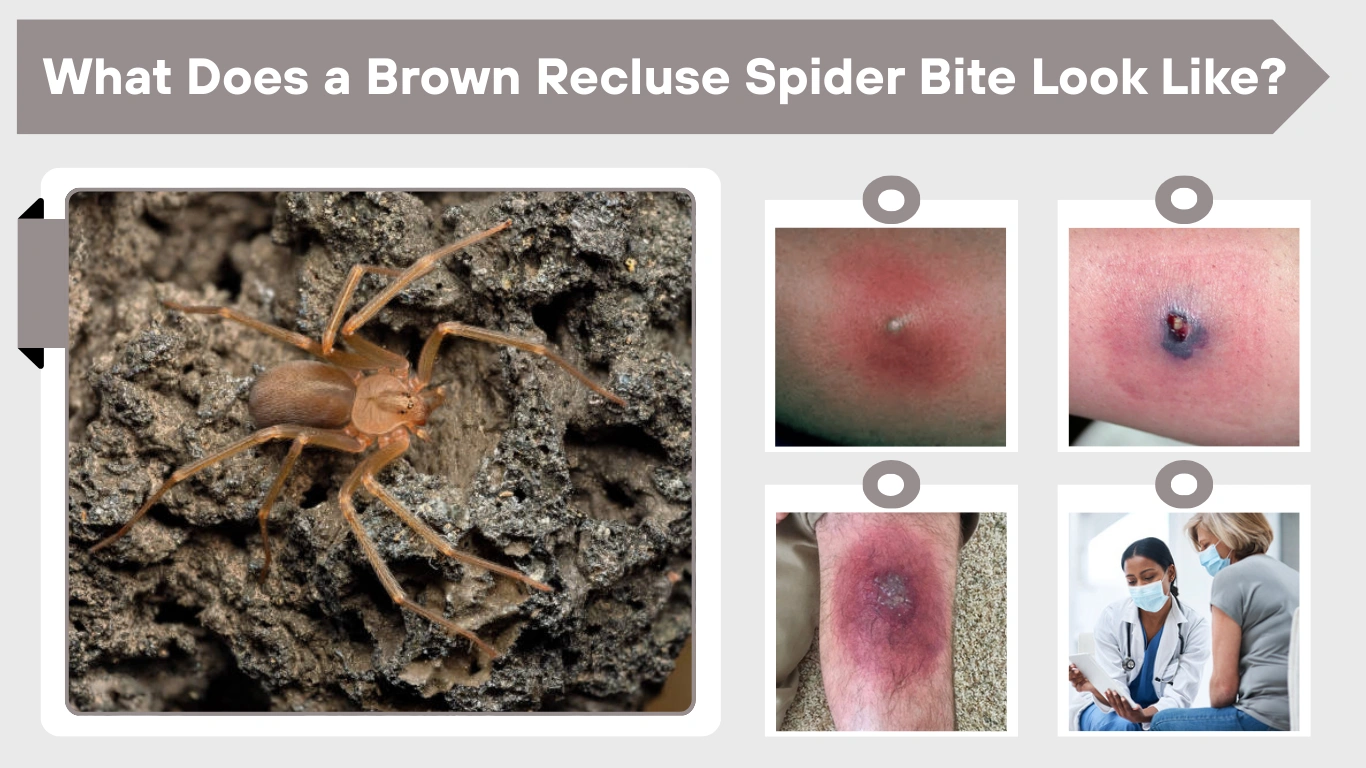
Many people become alarmed when they notice an unusual red mark, blister, or sore on their skin and immediately wonder if it could be a spider bite. Among all spiders, the brown recluse causes the most concern because its bite can change appearance over time and, in some cases, lead to tissue damage. Knowing what a brown recluse spider bite looks like in the early hours, after a few days, and during healing helps you react calmly and seek proper care. This guide explains the visual signs clearly and in detail.
Why Brown Recluse Spider Bites Are Often Misidentified
Brown recluse spider bites are frequently misidentified because their early appearance looks similar to many common skin problems. In the first stage, the bite may resemble a small pimple, mosquito bite, or mild rash. Because pain is often minimal at first, many people do not connect the mark with a spider encounter.
Another reason for confusion is that true brown recluse bites are relatively rare, even in areas where the spiders live. Skin infections, allergic reactions, bed bug bites, and ingrown hairs are far more common. These conditions can produce redness, swelling, and even sores that closely resemble what people see in online photos of spider bites.
The brown recluse bite is also delayed in its reaction. Unlike bee stings or wasp stings, which cause immediate pain, a recluse bite may take hours or even a full day to show noticeable changes. This delay makes it difficult for people to remember being bitten, leading to incorrect assumptions and frequent misdiagnosis.
What Does a Brown Recluse Spider Bite Look Like Initially

What a Fresh Brown Recluse Spider Bite Looks Like
A fresh brown recluse spider bite usually appears mild and unremarkable. In the first few hours, it often looks like a small red or pink spot on the skin. Swelling is typically light, and the area may feel slightly warm to the touch. Many people report a faint burning, stinging, or itching sensation, but some feel nothing at all.
The center of the bite may look paler than the surrounding skin, giving it a faint two-tone appearance. At this stage, it can easily be mistaken for a mosquito bite or minor irritation. There is usually no blister or open wound right away, which is why most people do not seek treatment early.
What a Brown Recluse Bite Looks Like in the First 24 Hours
Within the first 12 to 24 hours, the bite often becomes more noticeable. Redness may spread outward, and the center can turn white, gray, or slightly bluish. Mild swelling may increase, and discomfort often becomes more noticeable, shifting from light itching to a dull ache or burning feeling.
Some bites begin forming a small blister during this stage. The skin may appear tight or shiny, and the center may start to look slightly sunken. Although still relatively small, this is the phase when a brown recluse bite begins to look different from ordinary insect bites.
Identification Signs of a Brown Recluse Bite

A brown recluse bite usually shows a combination of visual and physical signs rather than just one clear feature. Common identification signs include:
- Small red or pink bite mark
- Pale, whitish, or gray center
- Mild to moderate swelling
- Burning, stinging, or aching sensation
- Red-white-blue “bullseye” color pattern
- Blister formation after the first day
- Darkening or sinking skin in the center
- A sore that slowly enlarges instead of healing quickly
Not every bite shows all of these signs, but the gradual change in color and texture is one of the most important clues.
Brown Recluse Bite Appearance Over Time
24 to 48 Hours After the Bite
Between one and two days after the bite, the skin reaction often becomes more intense. Redness may expand, and blisters are more likely to appear. The center of the bite can darken to purple, blue, or deep red. Pain may increase and become more constant, rather than occasional itching.
In some cases, the skin in the center begins to break down. This is when people often start searching for pictures online, because the bite no longer looks like a simple insect mark. The surrounding area may feel firm, swollen, and warm.
3 to 7 Days After the Bite
After several days, some brown recluse bites develop into open sores or ulcers. The center may appear black, brown, or deeply sunken, a sign of tissue damage. This stage is sometimes described as necrotic, meaning the affected skin is no longer healthy.
Scabbing can form around the edges, while the middle may remain moist or crusted. Pain can range from mild to severe depending on how the body reacts. Not all bites reach this stage, but when they do, healing becomes much slower.
One to Three Weeks Later
As the body begins repairing the damaged skin, swelling slowly decreases and scabs form more firmly. The sore may shrink in size, but discoloration can remain. Pink, red, or dark patches are common during healing.
In moderate to severe cases, scarring is possible. The skin may look thin, shiny, or uneven where the bite occurred. Complete healing can take weeks or, in rare situations, months.
What Does a Brown Recluse Spider Bite Look Like in Pictures

Most pictures of brown recluse spider bites online show a progression rather than a single look. Early photos usually show mild redness with a pale center. Mid-stage images often include blisters, purple or blue coloring, and swollen skin. More severe pictures show open sores, dark centers, or thick scabs.
Healed bite photos typically show scars or lighter patches of skin. These visual timelines are helpful because they demonstrate how dramatically the bite can change over time, which is one of the defining features of brown recluse bites.
Common Body Areas Where Brown Recluse Bites Appear
Brown recluse spider bites most often appear on areas of the body that are accidentally pressed against the spider. These spiders hide in dark, quiet places such as clothing, shoes, bedding, storage boxes, and furniture. When trapped against skin, they may bite defensively.
Common bite locations include the arms, legs, hands, feet, abdomen, lower back, thighs, and shoulders. Bites frequently occur where clothing fits tightly, such as under waistbands, socks, or bed sheets. Because brown recluse spiders are nocturnal, many bites happen at night and are only noticed after waking.
Brown Recluse Bite vs Other Common Bites

Many skin reactions are mistaken for brown recluse bites, so visual comparison is important.
- Brown recluse vs mosquito bite: Mosquito bites are usually small, itchy bumps that heal quickly. Brown recluse bites tend to change color over time and may develop blisters or sores.
- Brown recluse vs bed bug bites: Bed bug bites often appear in clusters or lines. Brown recluse bites are usually single and progressively worsen.
- Brown recluse vs flea bites: Flea bites are tiny, very itchy, and often found around ankles. Recluse bites are typically larger and more painful over time.
- Brown recluse vs tick bites: Tick bites often leave a small puncture mark and may show a spreading rash. Recluse bites more commonly blister or ulcerate.
- Brown recluse vs skin infections: Infections may ooze pus and spread quickly. Recluse bites often develop a dry, darkened center and heal slowly.
Because these conditions overlap visually, medical evaluation is often necessary.
Symptoms That Appear Along With the Bite
Local Skin Symptoms
Local symptoms usually develop first. These may include redness, swelling, burning pain, tenderness, blistering, itching, and darkening of the skin. As the bite progresses, the area may become firm, scaly, or ulcerated. The surrounding skin can feel warm and sensitive to touch.
Whole-Body Symptoms (Rare)
Although uncommon, some people experience systemic reactions. These can include fever, chills, nausea, vomiting, headache, joint pain, rash, fatigue, or muscle discomfort. Children, older adults, and people with weakened immune systems may be more sensitive to these effects and should seek medical advice quickly.
When a Brown Recluse Bite Becomes Dangerous

A brown recluse bite becomes dangerous when the skin begins breaking down or signs of infection appear. Worsening pain, a growing ulcer, blackened tissue, spreading redness, pus, fever, or red streaks moving away from the bite are serious warning signs.
Some bites cause necrosis, where surrounding tissue dies and leaves a deep open wound. These injuries heal slowly and may require medical treatment, antibiotics, or specialized wound care. Prompt attention reduces the risk of scarring and complications.
What to Do If You Think You Have a Brown Recluse Bite

If you suspect a brown recluse bite, early care can make a difference.
- Gently wash the area with soap and clean water
- Apply a cold compress to reduce swelling
- Elevate the area if possible
- Avoid squeezing, cutting, or popping blisters
- Take clear photos daily to monitor changes
- Seek medical care if pain worsens or the skin darkens
Professional treatment is especially important if the bite becomes ulcerated or if flu-like symptoms develop.
How Long Brown Recluse Spider Bites Take to Heal
Mild brown recluse bites may heal within one to two weeks with minimal care. Moderate bites that blister or scab can take three to six weeks to heal. More severe bites involving tissue damage may require several months and can leave permanent scars.
Healing time depends on bite severity, location, infection risk, and how quickly treatment begins. Keeping the wound clean, protected, and monitored helps support recovery.
Where Brown Recluse Spiders Are Commonly Found
Brown recluse spiders prefer dark, undisturbed places. Indoors, they are often found in closets, attics, basements, storage boxes, shoes, folded clothes, and behind furniture. Outdoors, they hide under rocks, logs, and debris.
They are most common in central and southern regions but can be transported elsewhere in boxes or furniture. Reducing clutter, sealing cracks, and shaking out clothing are effective prevention steps.
FAQs
What does a brown recluse spider bite look like at first?
At first, a brown recluse bite usually appears as a small red or pink spot with very mild swelling. Many people feel little or no pain initially. The center may look slightly pale, making it easy to confuse with a mosquito bite or small skin irritation.
What does a fresh brown recluse spider bite look like?
A fresh bite often looks like a tiny red mark with a lighter center. It may feel warm, mildly itchy, or slightly burning. During the first several hours, there is usually no blister or open sore, which is why many people do not notice it right away.
What does a brown recluse spider bite look like after two days?
After about 48 hours, the bite may darken and become more painful. A blister can form, and the skin may show red, white, and bluish coloring. Some bites begin developing a sunken or irritated center, which signals worsening skin damage.
What does a brown recluse spider bite look like in pictures?
Most pictures show changing stages, including early redness, blistering, purple or blue coloring, and sometimes open sores. More severe photos display darkened tissue or ulcers. Healed images often reveal scars, showing how slowly some bites can recover.
Can a brown recluse spider bite be mistaken for something else?
Yes. Brown recluse bites are often mistaken for bed bug bites, boils, allergic reactions, or bacterial skin infections. Because true bites are rare and symptoms overlap, doctors frequently rule out other causes before diagnosing a brown recluse spider bite.