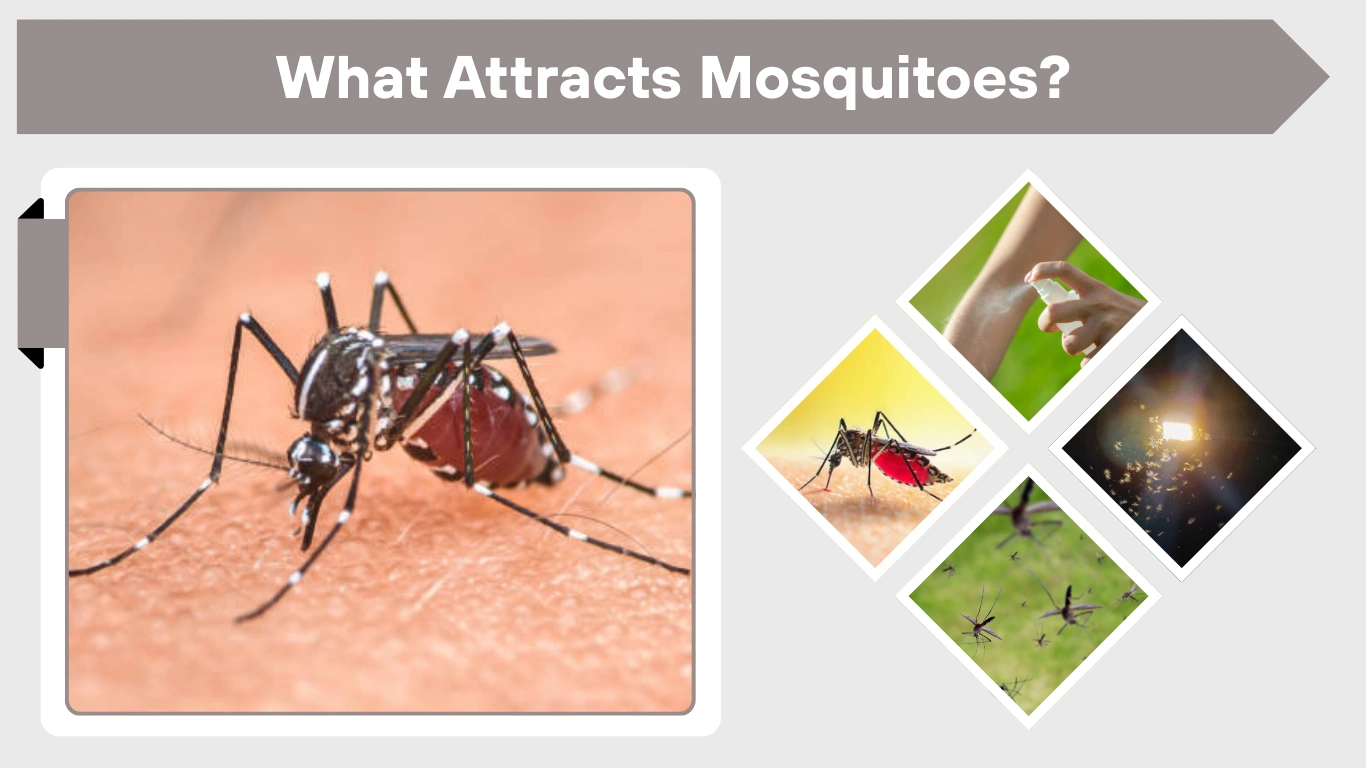
Mosquito bites often feel random, but they’re anything but. Mosquitoes rely on a sophisticated mix of chemical, visual, and environmental cues to decide who to bite. That’s why two people can stand side by side and only one gets swarmed. Factors like body chemistry, carbon dioxide, blood type, clothing color, and scent all play a role. Understanding what attracts mosquitoes can help you reduce bites and make smarter choices about clothing, hygiene, and your surroundings.
What Attracts Mosquitoes to Humans
Mosquitoes don’t target people equally. They are drawn to specific signals that indicate a good blood meal.
Carbon Dioxide (CO₂)
Carbon dioxide is the strongest mosquito attractant. Every time you exhale, you release CO₂, which mosquitoes can detect from over 100 feet away. People who breathe out more carbon dioxide—such as adults compared to children—are more likely to be bitten. Physical activity also increases CO₂ output, which is why mosquitoes seem more aggressive when you’re exercising or walking outdoors.
Body Heat and Skin Temperature
Mosquitoes are sensitive to heat and use it to locate blood vessels near the skin’s surface. Warmer body temperatures make it easier for them to feed, which is why mosquitoes thrive in hot, humid weather. Pregnant individuals and people who naturally run warmer may attract more mosquitoes due to increased body heat.
Sweat and Skin Chemistry
Sweat contains chemicals mosquitoes love, including lactic acid, ammonia, and uric acid. These compounds are released through the skin and intensify after physical activity. Even if two people sweat the same amount, differences in skin chemistry can make one far more attractive than the other.
Genetics and Skin Bacteria
Your genetics influence the composition of bacteria on your skin, and mosquitoes are highly sensitive to these differences. Certain bacteria produce odors that mosquitoes find irresistible. Studies show that people with a more diverse skin microbiome tend to attract fewer mosquitoes, while others consistently draw more bites due to the specific bacteria living on their skin.
What Blood Type Are Mosquitoes Attracted To?

Blood type has long been suspected to influence mosquito attraction, and research supports this idea—though it’s only part of the picture.
Blood Type O (Most Attractive)
Multiple studies suggest mosquitoes are most attracted to people with blood type O. In controlled experiments, individuals with type O received significantly more mosquito landings than those with other blood types. One reason is that many people with type O secrete certain chemical markers through their skin that mosquitoes can detect even before biting.
Blood Types A, B, and AB
Blood type A tends to be the least attractive, while B and AB fall somewhere in the middle. However, blood type alone doesn’t determine how often you’re bitten. Many people with non-O blood types still attract mosquitoes due to other stronger factors like CO₂ output or skin chemistry.
What in Blood Attracts Mosquitoes
Mosquitoes don’t know your blood type until after they bite, but they can detect chemical signals secreted through your skin. These signals, known as “secretor” markers, vary by individual. About 80% of people release these markers, which can make mosquitoes more likely to land and bite regardless of blood type.
What Colors Attract Mosquitoes
Mosquitoes rely on vision once they’re close to a target, and color plays an important role.
Colors Mosquitoes Are Most Attracted To
Mosquitoes are especially drawn to dark and bold colors, including:
- Black
- Red
- Dark blue
- Dark green
Dark colors absorb more heat and create strong visual contrast, making it easier for mosquitoes to spot you. Red is particularly attractive because mosquitoes can detect it as a dark color linked to human skin tones.
What Colors Are Mosquitoes Least Attracted To
Light-colored clothing is far less appealing to mosquitoes. Colors like white, beige, light gray, and pastels reflect heat and blend more easily into the environment. Wearing loose, light-colored clothing can significantly reduce mosquito landings, especially in warm climates.
What Scents and Smells Attract Mosquitoes

Mosquitoes have an extremely sensitive sense of smell and use it to identify suitable hosts at close range. Both natural body odors and artificial scents can increase attraction.
Human Scents
Natural body odor plays a major role in mosquito attraction. Sweat contains lactic acid, ammonia, and fatty acids that mosquitoes find highly appealing. The more you sweat, the stronger these odors become, which is why mosquitoes are especially active around people who have been exercising or spending time in the heat.
Individual body odor varies from person to person based on genetics, hormones, and skin bacteria. This explains why some people consistently attract mosquitoes even when others nearby are barely bothered.
Artificial Scents
Perfumes, colognes, scented lotions, and fragranced soaps can unintentionally attract mosquitoes. Floral, fruity, and sweet scents mimic the nectar sources mosquitoes naturally seek. While these products may smell pleasant to humans, they can make you far more noticeable to mosquitoes, especially outdoors.
What Foods and Drinks Attract Mosquitoes
Diet alone won’t turn someone into a mosquito magnet, but certain foods and beverages can increase attraction indirectly.
Alcohol
Alcohol consumption—especially beer—has been shown to increase mosquito attraction. Drinking alcohol raises body temperature and increases carbon dioxide output, both of which draw mosquitoes in. Alcohol may also alter body odor, making the skin emit more attractive chemical cues.
Diet Myths vs. Reality
Foods like bananas, sugary snacks, and spicy meals are often blamed for attracting mosquitoes. While bananas may slightly affect skin chemistry, there’s limited evidence that most foods directly increase mosquito attraction. The effect is far smaller than factors like sweat, heat, and CO₂.
What Light Attracts Mosquitoes

Mosquitoes are often assumed to be drawn to light, but the truth is more nuanced.
Are Mosquitoes Attracted to Light?
Unlike moths, mosquitoes don’t rely heavily on light for navigation. They are primarily attracted to carbon dioxide and scent. However, light can still play a secondary role by drawing mosquitoes into an area where people are present.
Light Colors That Attract Mosquitoes
Mosquitoes are more responsive to ultraviolet and blue-spectrum lighting. Bright white or blue outdoor lights may increase mosquito activity nearby, while warmer-colored yellow or amber lights are less attractive and better suited for patios and porches.
What Attracts Mosquitoes Indoors and in Your Yard
Mosquito attraction isn’t just about people—it’s also about the environment.
What Attracts Mosquitoes in the House
Indoors, mosquitoes are attracted to standing water, humidity, and access points like open windows and doors. Common sources include plant saucers, clogged drains, pet water bowls, and leaky pipes. Mosquitoes may also be drawn indoors by light at night if windows are left uncovered.
What Attracts Mosquitoes to Your Yard
Outdoors, mosquitoes thrive in areas with stagnant water such as birdbaths, gutters, puddles, and unused containers. Tall grass, dense shrubs, and shaded areas provide ideal resting spots during the day. Even small amounts of standing water can support mosquito breeding.
Plants That Attract Mosquitoes
Mosquitoes are drawn to plants that hold moisture or produce nectar. Dense ground cover and heavily watered plants can create humid conditions mosquitoes prefer. While plants alone don’t cause infestations, poor drainage around vegetation can significantly increase mosquito presence.
What Attracts Mosquitoes — and How to Use It Against Them

Understanding attraction can help control mosquito populations.
Mosquito Traps and Lures
Many mosquito traps use carbon dioxide, heat, or scent lures to mimic human presence. Ovitraps attract female mosquitoes looking for places to lay eggs, helping reduce future populations. These tools can be effective when used consistently and correctly.
What Actually Works (and What Doesn’t)
Bug zappers are largely ineffective against mosquitoes, as mosquitoes are not strongly attracted to light. Traps that replicate human scent and CO₂ are far more effective than light-based devices.
How to Make Mosquitoes Less Attracted to You
Reducing mosquito attraction is often easier than eliminating mosquitoes entirely.
Personal Protection
Wearing light-colored, loose-fitting clothing reduces visual attraction and makes it harder for mosquitoes to bite. Showering after sweating can remove odor-causing chemicals from the skin. Proven repellents containing DEET, picaridin, or oil of lemon eucalyptus offer reliable protection when applied correctly.
Environmental Control
Eliminating standing water, improving drainage, and maintaining your yard can dramatically reduce mosquito activity. Indoors, using window screens, reducing humidity, and sealing entry points help keep mosquitoes out.
FAQs
1. What blood type are mosquitoes most attracted to?
Mosquitoes are most attracted to people with blood type O. Studies show they land on and bite individuals with type O more often than those with A, B, or AB blood types. However, blood type is only one factor—carbon dioxide output, body odor, and skin chemistry often play a bigger role.
2. Why do mosquitoes bite some people more than others?
Mosquitoes are drawn to carbon dioxide, body heat, sweat, and skin bacteria. People who breathe out more CO₂, sweat more, or have certain skin bacteria are more likely to be bitten. Genetics also influence how attractive you are to mosquitoes.
3. What colors attract mosquitoes the most?
Mosquitoes are most attracted to dark colors such as black, red, dark blue, and dark green. These colors absorb heat and stand out visually, making it easier for mosquitoes to locate a target. Light colors like white and beige are less attractive.
4. Are mosquitoes attracted to light?
Mosquitoes are not strongly attracted to light the way moths are. They are primarily drawn to scent and carbon dioxide. However, UV and blue-toned lights can increase mosquito activity in an area by attracting insects they feed on or by bringing mosquitoes closer to people.
5. How can I make mosquitoes less attracted to me?
You can reduce mosquito attraction by wearing light-colored clothing, avoiding scented products, showering after sweating, and using proven repellents like DEET, picaridin, or oil of lemon eucalyptus. Eliminating standing water around your home also helps reduce mosquito populations.