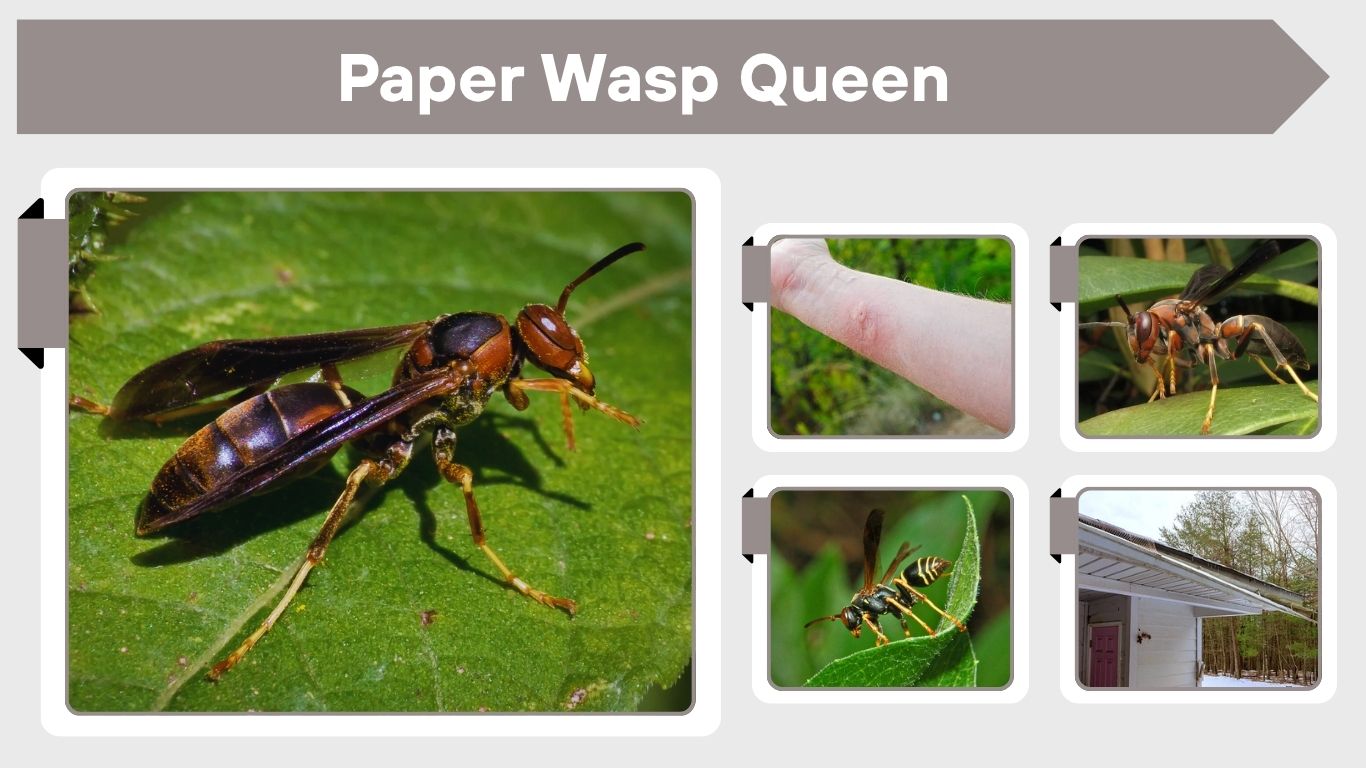
The paper wasp queen plays a crucial role in the survival and growth of a colony. Unlike worker wasps, the queen is responsible for reproduction and early nest development. Many people search for ways to identify a queen, understand her behavior, and know whether she poses any danger. This guide explains how to recognize a paper wasp queen, her role in the colony, and how she differs from other wasps, helping you better understand this important insect.
Do Paper Wasps Have a Queen?
Paper wasps have a simple but organized social structure centered around a single queen. She is the founder of the colony and is responsible for laying all the eggs that will grow into workers and future queens.
Role of the Queen in the Colony
- Lays eggs that develop into workers and future queens
- Starts the nest alone in early spring
- Controls the early growth of the colony
- Maintains dominance over worker wasps
What Does a Paper Wasp Queen Look Like?

Identifying a paper wasp queen can be challenging because she looks similar to worker wasps. However, there are subtle differences in size, behavior, and timing that help distinguish her from others.
Key Identification Features
- Slightly larger body than worker wasps
- More robust and dominant appearance
- Similar coloration depending on species
- Often seen alone in early spring
Queen Paper Wasp Size
- Typically around 1.8 to 2.2 cm long
- Slightly larger than workers but not dramatically different
- Size varies by species such as European or red paper wasps
Paper Wasp Queen vs Worker

Understanding the differences between the queen and worker wasps helps explain how the colony functions and grows over time.
Key Differences
- Queen lays eggs; workers do not reproduce
- Queen is slightly larger and more dominant
- Workers gather food and build the nest
Behavior Differences
- Queen works alone early in the season
- Workers take over duties once they mature
- Queen becomes less active as the colony grows
Types of Paper Wasp Queens
Different species of paper wasps have queens with unique colors and characteristics, although their roles remain similar across species.
Common Types of Queens
- European paper wasp queen with bright yellow markings
- Red paper wasp queen with reddish-brown coloration
- Northern paper wasp queen with darker, almost black body
Life Cycle of a Paper Wasp Queen
The life cycle of a queen paper wasp is closely tied to seasonal changes. She is the only member of the colony that survives winter and starts a new generation in spring.
Stages of the Queen’s Life
- Emerges from hibernation in early spring
- Builds a small nest and lays eggs
- Raises first generation of workers
- Produces new queens and males in late season
Queen Lifespan
- Usually lives up to one year
- Fertilized queens survive winter
- Workers die before winter arrives
Behavior of a Paper Wasp Queen
The behavior of a queen changes throughout the season. Early on, she is highly active and responsible for all tasks. As the colony grows, her role becomes more focused on reproduction. During the early stages, she may appear more defensive because she is protecting her developing nest alone. Later, workers take over most duties, and the queen remains inside the nest laying eggs and maintaining colony structure.
Do Queen Paper Wasps Sting?

Queen paper wasps are capable of stinging, and their behavior is similar to that of worker wasps when it comes to defense. While they are not naturally aggressive, they will sting if they feel threatened, especially during the early stages of nest building when they are alone and vulnerable.
Sting Behavior
- Only female wasps, including queens, can sting
- Queens can sting multiple times since they do not lose their stinger
- Most stings occur when the nest is disturbed
Sting Effects and Symptoms
- Sharp pain followed by burning sensation
- Redness and swelling around the sting area
- Mild irritation that usually fades within a few hours
Paper Wasp Queen Nest Behavior
The queen plays a central role in nest formation and early colony development. She begins the nest alone and manages all tasks until the first workers emerge. This stage is critical for colony survival and requires constant effort from the queen.
Nest Building Process
- Selects a sheltered location
- Chews wood fibers to create paper-like material
- Builds the first comb cells for eggs
Queen’s Role in the Nest
- Lays eggs in each cell
- Feeds larvae until workers take over
- Protects the nest during early development
What Happens If the Queen Dies?
The survival of a paper wasp colony depends heavily on the queen. If she dies early in the season, the colony may fail completely because no workers are fully developed yet. In some cases, another dominant female may take over, but this is not always successful. As the colony matures, workers may attempt to continue limited activity, but without a queen, long-term survival becomes unlikely.
Where Do Paper Wasp Queens Live?

Paper wasp queens require safe and sheltered environments for both nesting and overwintering. Their choice of location plays a major role in colony success and survival through changing seasons.
Common Queen Locations
- Under roof eaves and building overhangs
- Inside attics, wall cavities, or sheds
- In natural spaces like tree bark or hollow logs
Winter Hibernation Spots
- Protected crevices away from cold and predators
- Inside homes or structures for warmth
- Hidden areas where they remain inactive until spring
Paper Wasp Queen vs Other Insects
Comparing a paper wasp queen to other stinging insect queens helps clarify differences in behavior, size, and risk. These distinctions are useful when identifying insects around your home.
Paper Wasp Queen vs Yellow Jacket Queen
- Yellow jacket queens are bulkier and more aggressive
- Paper wasp queens are slimmer and less confrontational
- Nesting styles differ significantly
Paper Wasp Queen vs Hornet Queen
- Hornet queens are larger and more intimidating
- Paper wasp queens build smaller, open nests
- Hornet colonies tend to be more defensive
Conclusion
The paper wasp queen is essential to the life and growth of the colony. From building the first nest to laying eggs and raising workers, her role is both complex and vital. While she can sting, she is generally not aggressive unless threatened. Understanding her behavior, habitat, and differences from other insects can help you identify and manage wasp activity safely. With proper knowledge, it becomes easier to decide when to coexist and when to take action.
FAQs
Do paper wasp queens sting?
Yes, queen paper wasps can sting multiple times. They typically sting only when threatened, especially during early nest-building stages when they are alone.
How can you identify a paper wasp queen?
A queen is slightly larger than workers and is often seen alone in early spring building a nest. She also shows more dominant behavior compared to other wasps.
Where do paper wasp queens go in winter?
They hibernate in protected areas such as tree bark, attics, or wall crevices. They remain inactive until temperatures rise in spring.
What happens if the queen paper wasp dies?
If the queen dies early, the colony may collapse. In some cases, another female may attempt to take over, but success is not guaranteed.
Are paper wasp queens dangerous?
They are not highly dangerous but can sting if provoked. Most stings are mild, though people with allergies should be cautious.