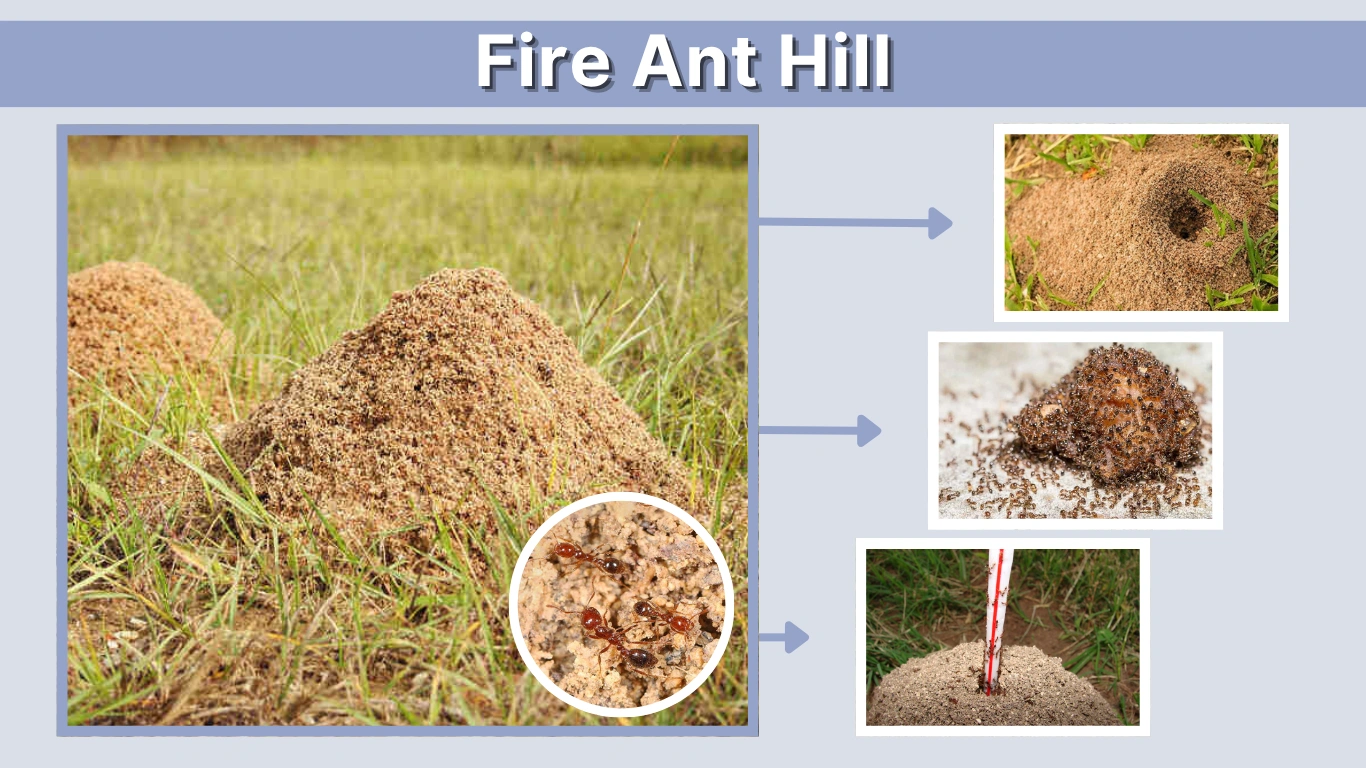
Fire ant hills are fascinating yet dangerous structures that can be found both in the real world and in the popular survival game Grounded. These mounds, created by aggressive red fire ants, can pose serious threats to humans, pets, and crops. Understanding how to identify them, where to find them, and how to safely remove them is essential for homeowners and gamers alike.
Overview of Fire Ant Hills
Fire ant hills are dome-shaped mounds made of loose soil, often without a visible opening on the top. Unlike regular ant mounds, these nests are intricate underground structures extending deep into the soil. Fire ants use these tunnels to regulate temperature and protect their queen. Colonies can contain hundreds of thousands of ants and expand rapidly, especially in warm climates.
These ants are highly territorial and will attack when disturbed. Their painful stings can cause swelling, itching, and allergic reactions. In places like Texas and Florida, fire ants are particularly common due to favorable soil and weather conditions.
Fire Ant Hill Appearance

Recognizing a fire ant hill is crucial to avoid painful encounters. These mounds can range from 2 to 24 inches tall and appear as soft, fluffy piles of dirt. Unlike regular ant hills, fire ant mounds lack a central hole. The ants use hidden underground tunnels for entry and exit.
Fire ants themselves are small—about 1/8 to 1/4 inch long—with reddish-brown bodies and darker abdomens. When the mound is disturbed, hundreds of ants swarm aggressively, making identification unmistakable.
Here’s how fire ant hills differ from other mounds:
- Color: Light brown to reddish soil, depending on the area.
- Texture: Loose and crumbly surface.
- Activity: Quick, aggressive swarming when touched.
Fire Ant Hill Locations in the Game “Grounded”
In Grounded, the fire ant hill is one of the most challenging areas to explore. It’s located in the Upper Grasslands, north of the Hedge area and west of the Shed. Players can find the entrance near the upper yard, surrounded by dry grass and stones.
The hill is home to fire soldier ants and workers, both of which are hostile and attack on sight. Inside, players can find valuable resources such as Fire Ant Parts, Fire Ant Mandibles, and other crafting materials essential for high-tier gear.
Key tips for exploring the Fire Ant Hill in Grounded:
- Bring armor with acid resistance.
- Use torches or slime lanterns for visibility.
- Mark the entrance on your map before entering—it’s easy to get lost inside.
Grounded Fire Ant Hill Map and Navigation
The fire ant hill has multiple tunnels and chambers, making navigation tricky. On the in-game map, it appears near the north-central section of the yard. The main entrance is a dirt tunnel found slightly southeast of the Termite Den and west of the Upper Yard Ascent.
Inside, the environment becomes darker, and the narrow tunnels lead to several loot chambers. You’ll encounter groups of ants defending their queen chamber, which contains rare loot. It’s recommended to enter with a full inventory and backup torches.
Common loot inside the Fire Ant Hill includes:
- Fire Ant Parts
- Supreme Marble and Quartzite
- Milk Molars
- Rust and Tough Gunk
Dangers and Enemies in the Fire Ant Hill (Grounded)

The Fire Ant Hill isn’t just about loot—it’s filled with dangers. Players will face:
- Fire Worker Ants: Quick and numerous, often found in groups.
- Fire Soldier Ants: Stronger, with acidic attacks that can damage armor.
- Environmental Hazards: Tight tunnels and low visibility increase difficulty.
To survive, players should equip medium-to-heavy armor, carry healing smoothies, and use ant club or spicy weapons for extra damage. Avoid fighting large groups; lure enemies one by one to manage the threat efficiently.
Real-Life Fire Ant Hills

In reality, fire ant hills are most common in the southern United States, particularly in Texas, Florida, and Georgia. They thrive in sunny, open areas like lawns, pastures, and playgrounds. These mounds often appear after heavy rain, as the ants rebuild their nests above ground to avoid flooding.
Each hill can contain multiple queens, allowing colonies to spread quickly. Their underground tunnels extend up to 10 feet deep, providing shelter from heat and predators. Because of this, destroying just the visible mound isn’t enough—you need to target the entire colony beneath.
How to Get Rid of Fire Ant Hills Naturally
If you prefer eco-friendly solutions, several natural remedies can eliminate fire ant hills without chemicals. One of the most effective is boiling water—pouring 2–3 gallons directly into the mound kills a large portion of the colony. However, this might need to be repeated several times.
Other natural methods include:
- Vinegar and baking soda mix: This combination disrupts the nest and suffocates ants.
- Diatomaceous earth: A non-toxic powder that damages ants’ exoskeletons.
- Essential oils: Citrus, peppermint, and tea tree oils repel fire ants effectively.
These natural methods are safe for pets and lawns, but persistence is key. You’ll need multiple treatments to eliminate the colony entirely.
Best Commercial Methods to Kill Fire Ant Hills

When infestations are widespread, commercial solutions work faster. Fire ant bait granules such as Amdro, Ortho, or Advion target the entire colony. Worker ants carry the poisoned bait back to the queen, effectively destroying the nest within weeks.
For direct mound treatments, use fire ant killers containing hydramethylnon or spinosad. Apply after rain or watering to ensure deeper penetration into the tunnels. You can also use liquid drenches that reach the queen’s chamber quickly.
Professional pest control services may use broadcast bait treatments that cover entire yards. This is particularly effective in heavily infested areas or during peak fire ant seasons (spring and early fall).
Fire Ant Hill Art and Aluminum Casting
Beyond pest control, fire ant hills have inspired a unique art form—molten aluminum casting. In this process, molten aluminum is carefully poured into an abandoned mound. Once cooled, the soil is removed, revealing a stunning metal sculpture that mirrors the ants’ intricate tunnel system.
This technique gained popularity for its artistic and scientific value, showcasing how complex and organized ant colonies are. The resulting castings are sold as fire ant hill sculptures or used for educational displays. However, it’s crucial to ensure the mound is inactive before pouring molten metal, as live ants can cause safety hazards.
Fire Ant Control by Location
Certain regions face severe fire ant infestations and require localized solutions. In Texas Hill Country, the hot climate and sandy soil create ideal conditions for colonies. Residents often rely on professional exterminators for long-term control.
In North Richland Hills and Cedar Hill, Texas, pest control services use targeted baits and barrier treatments to protect lawns and gardens. Similarly, Mint Hill, North Carolina, employs seasonal control programs to minimize colony spread during warm months.
Understanding your region’s conditions helps in choosing the most effective treatment plan. For instance, dry areas may need granular bait, while humid regions benefit more from liquid drenches.
FAQs
What kills fire ant hills permanently?
Using a combination of bait granules and mound drenches ensures total elimination. Baits kill the queen over time, while drenches destroy worker ants immediately. Reapplication every few months helps prevent reinfestation.
Can you burn a fire ant hill safely?
Burning fire ant hills is dangerous and ineffective. The heat rarely reaches deep enough to kill the queen, and it risks spreading fire. Safer alternatives like boiling water or insecticides are far more effective.
How deep is a fire ant hill?
A mature fire ant hill can extend up to 10 feet underground, with complex chambers for eggs, food storage, and the queen. This depth makes complete removal challenging without professional help.
Are fire ant hill castings harmful to the environment?
When done responsibly on inactive mounds, aluminum castings are safe. However, pouring molten metal into live nests can harm ecosystems and nearby soil. Always ensure environmental safety before casting.
How can I prevent new fire ant hills from forming?
Maintain your lawn regularly, apply ant bait around the perimeter, and remove food sources like crumbs or pet food. Keeping soil aerated and dry also discourages colony formation.