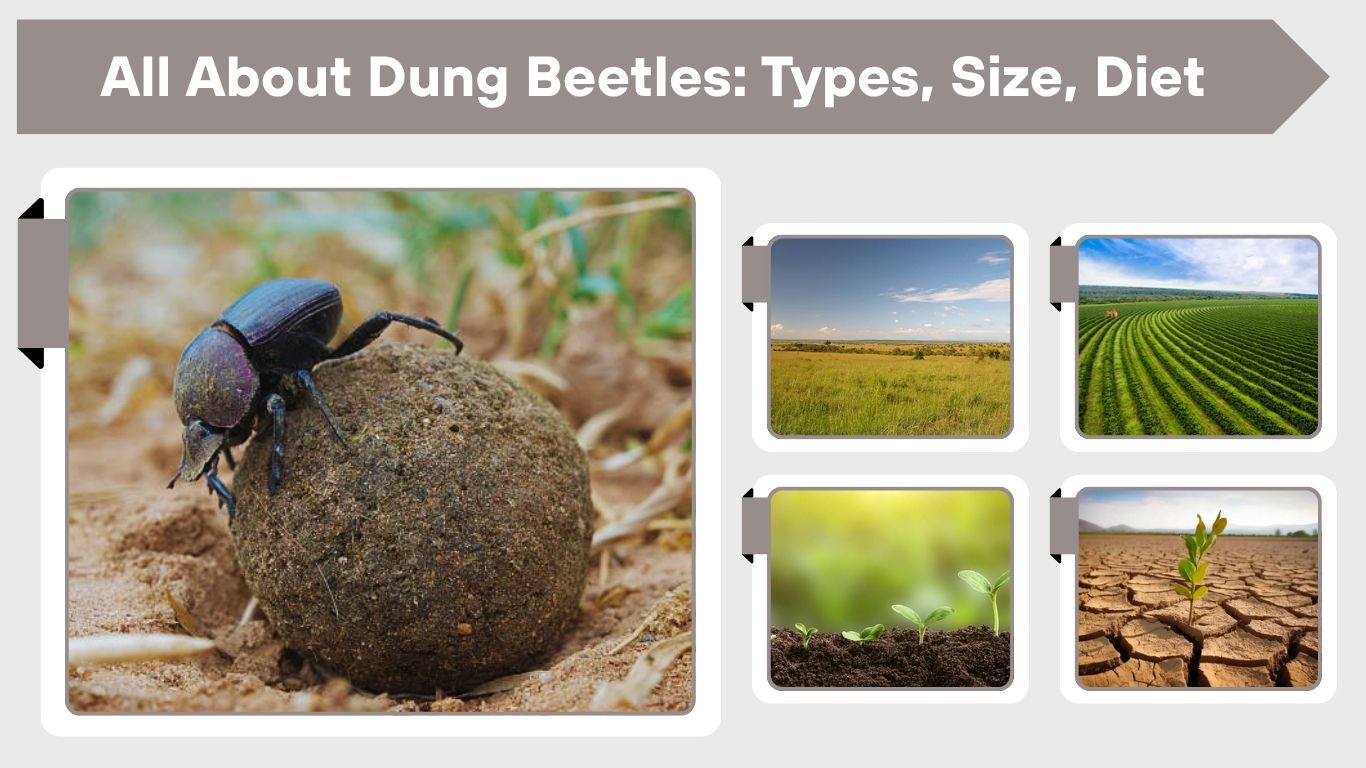
Dung beetles are fascinating insects best known for their unusual habit of feeding on animal dung. While this might sound unappealing, these insects play a critical role in maintaining ecological balance. By recycling waste, they help keep environments clean, enrich soil, and support agricultural systems. Found in many parts of the world, dung beetles are among nature’s most efficient recyclers and one of the most important yet overlooked insect groups.
What Are Dung Beetles?
Dung beetles belong to the family Scarabaeidae, a large group of beetles that includes over 6,000 species worldwide. They are present on every continent except Antarctica, thriving in areas where animal dung is readily available.
These insects are specially adapted to locate, consume, and process dung. While most species prefer herbivore dung due to its higher fiber content, some may also use omnivore or carnivore waste. Their behavior is highly specialized, making them essential contributors to nutrient cycling in ecosystems.
Types of Dung Beetles

Dung beetles are generally divided into three main groups based on how they handle dung.
Rollers (Telecoprids)
Rollers are perhaps the most recognizable dung beetles. They shape dung into small balls and roll them away from the original pile. This behavior helps them avoid competition from other beetles. Once they find a suitable location, they bury the dung ball and use it as food or as a breeding chamber for their offspring.
Tunnelers (Paracoprids)
Tunnelers take a different approach. Instead of moving dung away, they dig tunnels directly beneath the dung pile. They pull pieces of dung into these tunnels and store them underground. This method provides a secure environment for feeding and reproduction.
Dwellers (Endocoprids)
Dwellers live directly inside the dung itself. They do not transport or bury dung but instead feed, grow, and reproduce within the dung pile. Although less active in moving dung, they still contribute to breaking it down.
Physical Characteristics
Dung beetles vary widely in size, shape, and color. Some species are only a few millimeters long, while others can grow several centimeters in length. Their bodies are usually compact and oval-shaped, with a hard exoskeleton that protects them from predators and harsh environments.
One of their most notable features is their strong legs, which are specially adapted for digging and rolling. In many species, especially males, horns are present on the head or thorax. These horns are often used in competition with other males for mates or territory.
Their coloration can range from dull black or brown to shiny metallic hues such as green, blue, or bronze. This diversity in appearance reflects the wide variety of habitats they occupy.
Habitat and Distribution

Dung beetles are highly adaptable and can be found in a variety of habitats, including grasslands, forests, deserts, and agricultural lands. Their distribution largely depends on the availability of animal dung, which serves as their primary food source.
They are most commonly found in regions with large populations of herbivorous animals, such as cattle, deer, or elephants. Warm climates tend to support greater diversity, although some species have adapted to cooler environments.
Many dung beetles are active during the day, while others are nocturnal. Their activity patterns often depend on temperature, humidity, and competition. Regardless of their habitat, their presence is a strong indicator of a healthy ecosystem.
Diet and Feeding Behavior

Dung beetles primarily feed on animal dung, which may seem unusual but is actually rich in nutrients. Herbivore dung is especially valuable because it contains partially digested plant material and microorganisms that provide essential nourishment.
Adult dung beetles consume the liquid components of dung, filtering out solid particles. This allows them to extract maximum nutrients efficiently. The solid portions are often used to create brood balls, which serve as a food source for developing larvae.
Some species are highly selective and prefer dung from specific animals. Others are more generalist feeders, using whatever dung is available in their environment. This flexibility helps them survive in a wide range of ecological conditions.
Life Cycle of Dung Beetles
The life cycle of dung beetles consists of four main stages: egg, larva, pupa, and adult. Each stage is closely linked to dung, which provides both food and protection.
Female dung beetles typically lay their eggs inside dung or within specially prepared brood balls. These brood balls are carefully shaped and buried, ensuring a safe and nutrient-rich environment for the developing larvae.
Once the eggs hatch, the larvae begin feeding on the dung surrounding them. This stage is crucial for growth and development. After consuming enough nutrients, the larvae enter the pupal stage, where they undergo transformation into adult beetles.
When the transformation is complete, adult dung beetles emerge and begin searching for dung to continue the cycle. This efficient life process ensures the constant recycling of organic waste in ecosystems.
Unique Behaviors and Adaptations
Dung beetles are known for some of the most remarkable behaviors in the insect world. One of their most famous abilities is ball-rolling, where they shape dung into spheres and roll them away in straight lines. To navigate, some species use the position of the sun during the day and even the Milky Way at night, making them one of the few insects known to use celestial navigation.
They are also incredibly strong. Certain species can pull or move objects more than 1,000 times their body weight. This strength is essential for transporting dung and competing with other beetles.
In addition, many dung beetles display complex social and reproductive behaviors. Some species provide parental care by preparing and protecting brood balls for their offspring, ensuring higher survival rates.
Ecological Importance of Dung Beetles
Dung beetles play a vital role in maintaining healthy ecosystems. By breaking down and burying dung, they help recycle nutrients back into the soil. This process enriches the soil, promoting plant growth and improving overall ecosystem productivity.
Their activity also helps aerate the soil, allowing better water infiltration and root development. In grazing areas, dung beetles prevent the accumulation of waste, which can otherwise smother vegetation.
Another important benefit is their role in controlling parasites and pests. By removing dung quickly, they reduce breeding grounds for flies and harmful parasites that affect livestock and wildlife. Additionally, their actions can help lower greenhouse gas emissions by reducing methane release from decomposing dung.
Role in Agriculture
Dung beetles are extremely beneficial to agriculture, especially in livestock farming systems. Their ability to break down and bury dung improves pasture quality by preventing the formation of dung pats that animals avoid grazing near.
Farmers benefit from reduced reliance on chemical fertilizers, as dung beetles naturally enhance soil fertility. Their tunneling activity improves soil structure, making it easier for water to penetrate and reducing runoff.
They also play a key role in pest management. By removing dung, they limit the reproduction of flies and internal parasites that can harm livestock. This leads to healthier animals and increased productivity, making dung beetles valuable allies in sustainable farming.
Dung Beetles and Cultural Significance
Dung beetles have held symbolic importance in various cultures throughout history. In ancient Egypt, the scarab beetle—a type of dung beetle—was considered sacred. It was associated with the sun god Ra and symbolized rebirth, transformation, and the cycle of life.
The image of a beetle rolling a ball of dung was seen as a representation of the sun moving across the sky. Scarab amulets and carvings were commonly used as symbols of protection and renewal.
Even today, dung beetles continue to capture human curiosity and are often studied for their unique behaviors and ecological importance.
Threats to Dung Beetles

Despite their importance, dung beetles face several threats that can impact their populations. Habitat loss due to urbanization and deforestation reduces the availability of suitable environments for these insects.
The use of pesticides and veterinary drugs in livestock farming can be harmful, as residues often remain in dung and affect beetle survival. Climate change also poses a risk by altering temperature and rainfall patterns, which can disrupt their life cycles.
Another significant issue is the decline of large mammals in some regions. Since dung beetles rely on animal waste for survival, a decrease in wildlife populations can lead to reduced food availability.
Conservation Efforts
Efforts to protect dung beetles are increasingly recognized as essential for ecosystem health. In some regions, species have been introduced to improve dung decomposition in agricultural lands, particularly where native beetle populations are insufficient.
Reducing the use of harmful chemicals and adopting sustainable farming practices can greatly benefit dung beetle populations. Conservation programs also focus on preserving natural habitats and maintaining biodiversity.
Ongoing research helps scientists better understand these insects and develop strategies to support their survival. Protecting dung beetles ultimately contributes to healthier ecosystems and more sustainable agriculture.
Interesting Facts About Dung Beetles
Dung beetles are full of surprising and impressive traits:
- Some species can navigate using the stars, including the Milky Way
- They are among the strongest insects relative to body weight
- Not all dung beetles roll dung; many dig or live within it
- They play a key role in reducing disease spread in animal populations
- Their diversity includes thousands of species with unique adaptations
FAQs
What do dung beetles eat?
Dung beetles mainly feed on animal dung, especially from herbivores. They consume the nutrient-rich liquid and organic material found in waste, which supports both adult beetles and developing larvae. This specialized diet makes them essential for recycling organic matter in ecosystems.
Why are dung beetles important?
Dung beetles help recycle nutrients, improve soil quality, and reduce parasites and pests. Their activity supports plant growth and keeps environments clean. They are especially valuable in agriculture, where they enhance pasture health and reduce the need for chemical treatments.
Do dung beetles bite humans?
Dung beetles are harmless and do not bite or sting humans. They are not aggressive and focus entirely on collecting and consuming dung. Their presence is beneficial rather than dangerous, making them safe insects to have in natural and agricultural environments.
How strong are dung beetles?
Dung beetles are incredibly strong for their size. Some species can move objects more than 1,000 times their body weight. This strength allows them to roll dung balls, dig tunnels, and compete with other beetles for resources.
Where can dung beetles be found?
Dung beetles are found worldwide in habitats where animal dung is available, such as grasslands, forests, and farms. They thrive in warm climates but can also adapt to cooler regions. They are absent only in extremely cold environments like Antarctica.