
Fire ants can quickly become a serious problem around lawns, patios, gardens, and entry points, making reliable control essential. The best fire ant traps use slow-acting bait or targeted treatment to attract worker ants and help reduce activity throughout the colony. A good trap should be easy to place, weather-resistant, effective for extended periods, and suitable for the area you need to protect. In this guide, we review the 9 best fire ant traps based on effectiveness, ease of use, coverage, durability, and overall value.
1. TERRO T300 Liquid Ant Baits
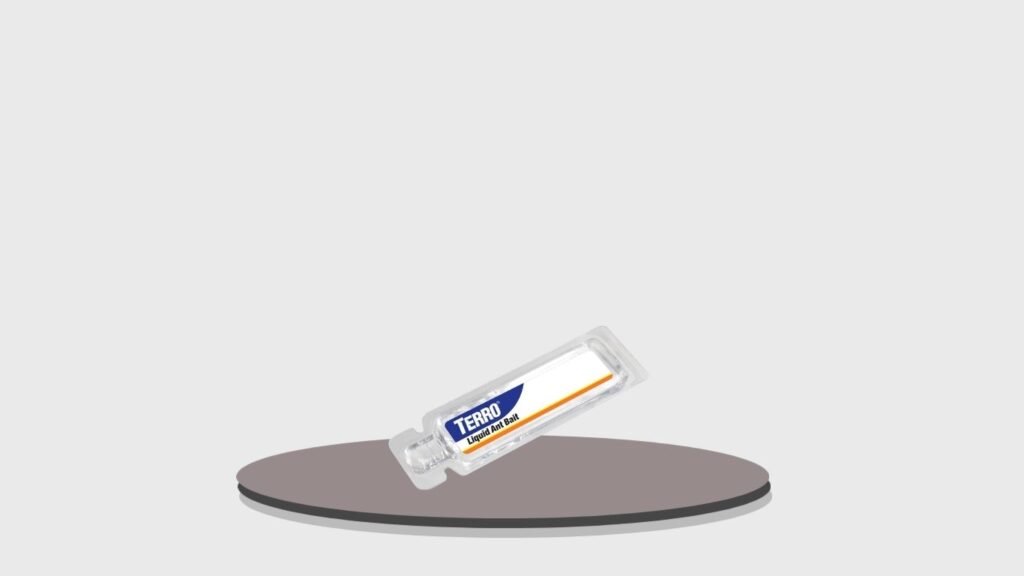
The TERRO T300 Liquid Ant Baits are pre-filled stations designed to attract sweet-feeding household ants and allow worker ants to carry the slow-acting bait back toward the colony. The enclosed design keeps the liquid contained while providing ants with continuous access to the bait. One important limitation for this specific roundup is that TERRO’s current product label does not list fire ants as a target species, so it is better considered a household-ant bait than a dedicated fire-ant treatment.
Key Features
- Pre-filled liquid bait stations
- Six stations per standard T300 pack
- Uses 5.40% sodium tetraborate decahydrate (borax)
- Slow-acting bait encourages colony transfer
- Snap-off opening tab
- Suitable for placement near ant trails and entry points
- Designed primarily for common sweet-feeding household ants
Why It’s Best For
The T300 works particularly well for indoor ant activity around baseboards, cabinets, counters, windowsills, and appliances. Its biggest advantage is simplicity. Instead of measuring or applying loose bait, the user opens the station and positions it where ants are actively traveling.
Because the bait works gradually, foraging ants have time to return toward the nest before the active ingredient takes effect. This approach targets more than the individual ants visible inside the home.
Performance & Durability
TERRO states that complete control of labeled household-ant species can take up to two weeks. The enclosed reservoir helps prevent the liquid from drying rapidly and allows ants to continue feeding over multiple visits.
For reliable performance, stations should remain undisturbed and should not be placed where children or pets can access them. Users should also follow the product label rather than combining bait with repellent sprays near the same ant trail.
Pros, Cons & Overall Verdict
Pros: Ready-to-use design, contained liquid bait, simple placement, and colony-oriented baiting action.
Cons: The manufacturer specifically excludes fire ants from its labeled target species, making it unsuitable as a primary choice for confirmed fire-ant colonies.
Overall Verdict: TERRO T300 is a convenient household-ant bait, but for a true fire-ant infestation, choose a product specifically labeled for fire ants.
2. TERRO T1813B Outdoor Liquid Ant Bait Stakes
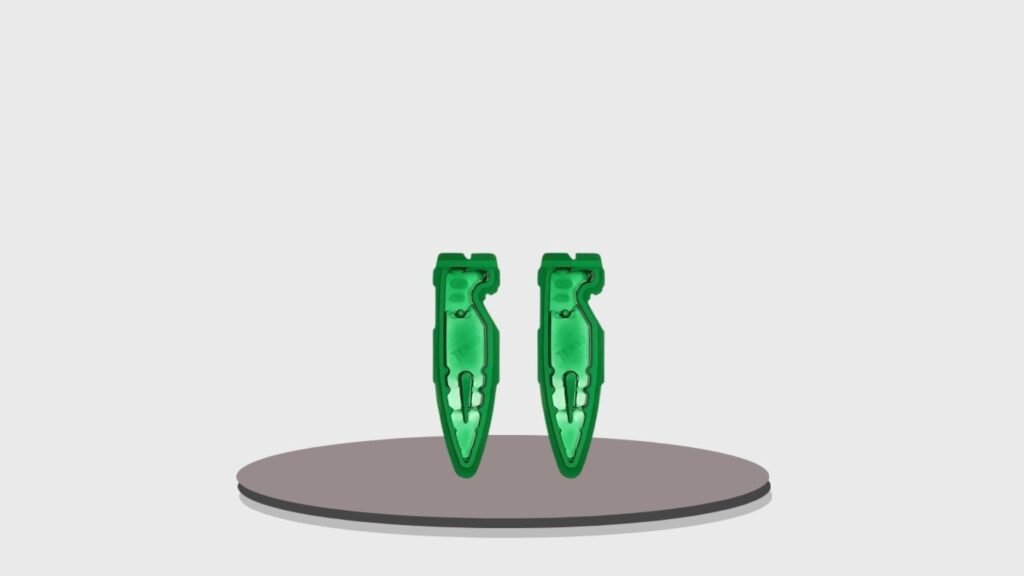
The TERRO T1813B Outdoor Liquid Ant Bait Stakes bring the convenience of liquid bait into an outdoor stake design. They are intended for lawns, gardens, driveways, and areas around the home where ants are traveling before entering indoors. The stake format keeps the bait positioned close to ground-level ant trails while reducing the clutter associated with open bait containers.
Key Features
- Ready-to-use outdoor bait stakes
- 12-stake package
- 5.4% sodium tetraborate decahydrate active ingredient
- Designed for lawn, garden, driveway, and perimeter placement
- Slow-acting liquid bait
- Pushes directly into soil
- Intended to reduce outdoor ant activity
Why It’s Best For
This product is particularly convenient for homeowners who regularly notice ants around foundations, flower beds, walkways, or lawn edges. Instead of placing a loose bait station on the ground, the stake can be inserted directly into soil and positioned along active ant routes.
The outdoor format also makes it useful as a perimeter-style treatment. Ants can encounter the bait before reaching doors, windows, or other potential entry points.
Performance & Durability
The slow-acting bait strategy is designed to let worker ants feed and return toward the colony rather than dying immediately at the station. Tractor Supply lists the product as ready to use and intended for reducing outdoor ant populations within days.
Its plastic stake structure provides more stability outdoors than a lightweight indoor station. Even so, placement should follow the label, especially around gardens, pets, children, and areas where watering or heavy rain is common.
Pros, Cons & Overall Verdict
Pros: Ground-stake design, easy outdoor placement, pre-filled bait, and useful perimeter coverage.
Cons: The readily available product information describes it broadly for common household ants rather than clearly identifying it as a dedicated fire-ant bait.
Overall Verdict: TERRO T1813B is a useful option for outdoor ant trails and perimeter control, but users dealing specifically with fire ants should confirm that their package label lists fire ants before relying on it as the primary treatment.
3. ORTHO Home Defense Ant Traps
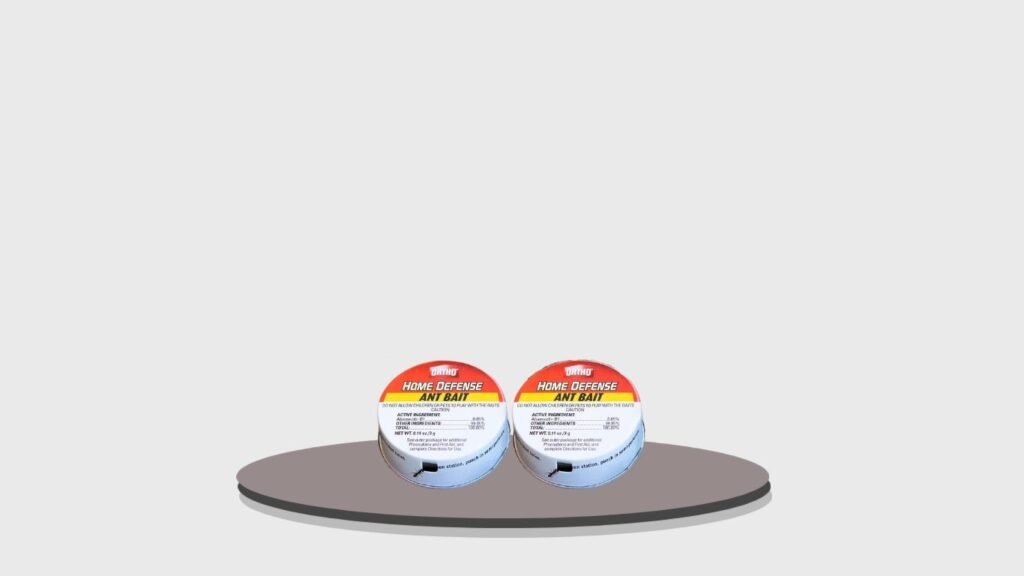
The ORTHO Home Defense Ant Traps offer a compact bait-station approach for dealing with ant activity around indoor and protected outdoor spaces. Their low-profile shape makes them easy to position beside walls, under furniture, around entry areas, or near known ant travel routes. They are especially useful for users who prefer enclosed bait stations instead of spraying exposed surfaces.
Key Features
- Compact enclosed bait-station design
- Designed for indoor and outdoor ant control
- Low-profile construction
- Can be positioned near established ant trails
- No complicated mixing or measuring
- Multiple stations can cover several problem areas
- Suitable for targeted household-ant management
Why It’s Best For
These ORTHO traps are well suited to homes where ants repeatedly appear in specific areas. Rather than applying insecticide across large surfaces, bait stations allow users to concentrate treatment around travel paths and entry points.
The enclosed format is also cleaner than exposed gel or loose granules. This can be useful around kitchens, utility rooms, patios, garages, and other locations where a discreet bait station fits more naturally into the environment.
Performance & Durability
Bait-style ant traps are intended to work differently from fast contact sprays. Ants must first discover and feed from the station, so activity may not stop immediately. Proper placement along active trails is therefore important.
The rigid station housing provides basic protection for the bait while helping prevent accidental contact with the contents. However, any pesticide bait should still be positioned according to the label and kept away from children, pets, food-preparation surfaces, and unsuitable outdoor locations.
Pros, Cons & Overall Verdict
Pros: Compact design, easy placement, enclosed bait, minimal setup, and useful for multiple household problem areas.
Cons: The listing information does not clearly establish this specific ASIN as a fire-ant-specific product, so effectiveness against confirmed fire-ant colonies should not be assumed.
Overall Verdict: ORTHO Home Defense Ant Traps provide an easy, low-maintenance way to manage common ant activity. For fire ants, check the exact package label before using them as a colony-control solution.
4. Slow-Acting Ant Bait Stations

These Slow-Acting Ant Bait Stations are designed around a colony-control approach rather than immediately killing every worker ant that approaches the bait. The enclosed stations can be positioned near recurring ant trails, cracks, entry points, and other areas where activity is concentrated. Their straightforward design makes them appealing for users who want targeted treatment without spraying an entire room or surrounding surface.
Key Features
- Slow-acting bait-station format
- Enclosed design reduces exposed bait
- Designed for placement near active ant trails
- Suitable for targeted ant-control areas
- Requires little preparation
- Can be positioned around common indoor problem zones
- Intended to encourage ants to return toward the colony after feeding
Why It’s Best For
These stations are best suited to users who want a simple bait-based approach for persistent ant activity. The slow-action concept is important because killing only the worker ants visible on a counter or floor often leaves the larger colony unaffected.
Placing stations near entry routes allows foragers to encounter the bait naturally during their normal search for food. This can make the treatment less disruptive than repeatedly spraying every ant that appears.
Performance & Durability
Performance with any bait station depends strongly on whether the target ants are attracted to its food base. Fresh bait, correct placement, and leaving actively feeding ants undisturbed can improve the chances that bait is carried away from the station.
The enclosed housing also makes the product easier to manage than loose bait. However, because reliable manufacturer information for this exact listing is limited, users should verify the active ingredient, target-ant list, indoor/outdoor directions, and replacement interval on the package before application.
Pros, Cons & Overall Verdict
Pros: Convenient enclosed format, easy placement, slow-action concept, and less mess than loose bait.
Cons: Limited verified specifications are available for this exact listing, and fire-ant labeling cannot be confirmed from the available information.
Overall Verdict: These stations may be useful for general ant problems, especially along predictable trails. For fire ants specifically, they should only be considered when the product label explicitly identifies fire ants as a target species.
5. TERRO T1804-6 Outdoor Liquid Ant Baits
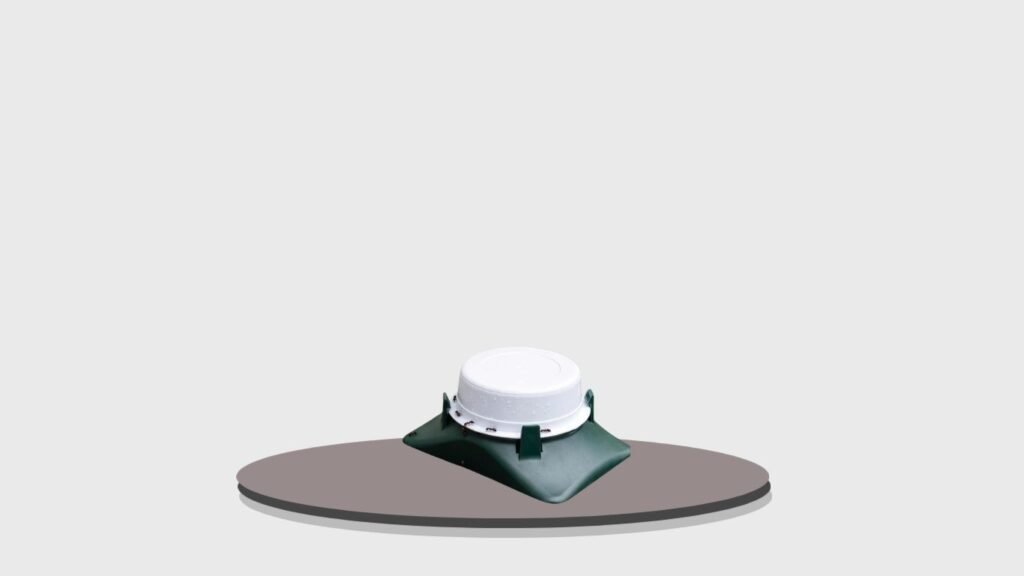
The TERRO T1804-6 Outdoor Liquid Ant Baits are pre-filled stations developed for controlling common household ants outdoors before they establish activity inside the home. Each station contains liquid bait in a protected housing that can be placed around patios, garages, decks, grass, gravel, or the perimeter of a structure. However, TERRO explicitly states that this model does not target fire ants, which is an important distinction for anyone shopping specifically for fire-ant control.
Key Features
- Four pre-filled liquid bait stations
- 1 ounce of liquid bait per station
- 5.40% borax active ingredient
- Push-and-twist activation
- Can be placed on ground, decks, garages, or basement areas
- Protected outdoor station design
- Targets common sweet-feeding household ants
- Manufacturer excludes fire ants from labeled target species
Why It’s Best For
The T1804-6 is best suited to outdoor household-ant activity around the perimeter of a home. It allows users to intercept ants near exterior trails and colony areas without applying a broad spray treatment across the property.
The stations also have a subdued design intended to blend more naturally into grass and landscaped areas.
Performance & Durability
TERRO uses a slow-acting borax bait so foraging ants can feed and return toward the colony before the active ingredient takes effect. The station housing helps protect the liquid from outdoor conditions, while the sealed reservoir keeps bait fresh until activation.
The disposable design requires little maintenance beyond monitoring bait availability and replacing stations when necessary.
Pros, Cons & Overall Verdict
Pros: Weather-conscious housing, easy activation, pre-filled design, convenient outdoor positioning, and effective baiting concept for labeled household ants.
Cons: TERRO specifically lists fire ants among the excluded species, so this product should not be promoted as a true fire-ant trap.
Overall Verdict: The T1804-6 is a practical outdoor bait for common household ants, but it is not the right choice for confirmed fire ants. For a fire-ant article, replacing this entry with a bait specifically labeled for fire ants would make the roundup more accurate.
6. ORTHO Ant Traps with Adhesive Design

The ORTHO Ant Traps with Adhesive Design provide a compact baiting option for areas where ants repeatedly travel indoors or around protected outdoor spaces. Their low-profile shape makes them easy to place beside walls, near doorways, under cabinets, or along other established ant routes. The adhesive-backed design can also help keep the stations securely positioned, which is useful in locations where traditional loose bait stations may shift or get knocked out of place.
Key Features
- Compact enclosed ant bait stations
- Adhesive backing for secure placement
- Designed for targeted ant-control areas
- Easy to position near trails and entry points
- No mixing or complicated preparation
- Low-profile construction
- Suitable for household ant management
Why It’s Best For
This model is particularly useful for homeowners who want bait stations to remain in a fixed location. The adhesive base helps prevent accidental movement and allows the trap to be positioned where ants are most active.
It can work well near baseboards, under sinks, around utility areas, beside doors, and in other locations where ants follow predictable routes. The enclosed design also keeps the treatment more contained than open bait or loose granules.
Performance & Durability
Bait stations generally work best when placed directly along active ant trails. Foraging ants need time to find the bait and carry it away, so immediate disappearance of ant activity should not always be expected.
The rigid housing protects the bait during normal household use, while the adhesive design improves positioning stability. Users should avoid placing repellent sprays directly around bait stations because doing so may discourage ants from approaching them.
Pros, Cons & Overall Verdict
Pros: Adhesive mounting, compact design, easy setup, enclosed bait, and convenient placement around active ant trails.
Cons: Fixed adhesive placement may make repositioning less convenient, and the exact package label should be checked before relying on it specifically for fire ants.
Overall Verdict: ORTHO Ant Traps are a convenient choice for targeted household ant activity, especially where secure positioning is important. For confirmed fire-ant problems, verify that the product label specifically includes fire ants.
7. Slow-Acting Ant Bait Stations for Colony Control

The Slow-Acting Ant Bait Stations for Colony Control are designed to address ant problems through bait transfer rather than immediate contact killing. Worker ants enter the station, feed on the bait, and may carry some of it back toward the colony. This approach can be more useful for persistent infestations than simply eliminating the ants visible on floors, counters, or outdoor surfaces.
Key Features
- Slow-acting ant bait formula
- Enclosed bait-station construction
- Intended for colony-oriented control
- Easy placement near ant trails
- Minimal preparation required
- Suitable for recurring ant activity
- Can be used in multiple problem areas
Why It’s Best For
These bait stations are best for situations where ants continue returning despite repeated surface treatments. Because ant colonies can contain large numbers of workers hidden away from view, targeting foragers with slow-acting bait may help reach deeper into the infestation.
The stations are also convenient for users who prefer a cleaner, more contained treatment than loose powders or exposed liquid bait.
Performance & Durability
Effectiveness depends heavily on bait acceptance. Ants may favor different foods depending on species, colony needs, and season, so placement near active trails is particularly important.
Once ants begin feeding, the stations should generally be left undisturbed. Moving them repeatedly can interrupt established foraging behavior. Their enclosed construction protects the bait from routine contact and makes them easier to manage around household environments.
Pros, Cons & Overall Verdict
Pros: Colony-focused baiting concept, simple setup, enclosed bait, and convenient placement near recurring ant routes.
Cons: Results may take time, bait preference can vary by ant species, and fire-ant suitability should be confirmed on the label.
Overall Verdict: These slow-acting bait stations are a practical choice for persistent ant activity where colony-level control is the goal. They are most appropriate for fire ants only when the label specifically lists fire ants.
8. Home Plus Outdoor Ant Bait Station
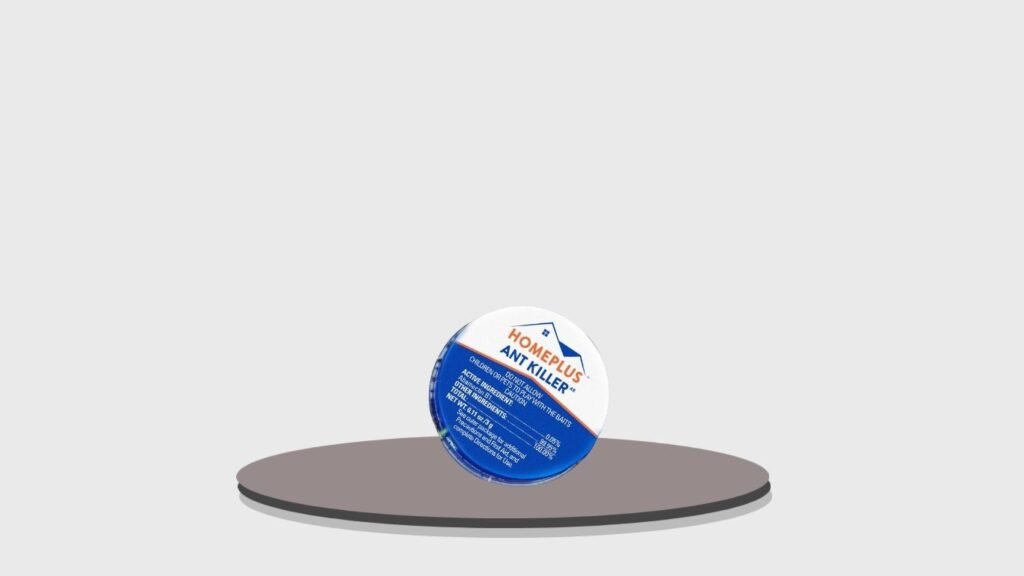
The Home Plus Outdoor Ant Bait Station is designed for placing treatment close to outdoor ant activity around patios, lawns, walkways, foundations, and other exterior areas. Its enclosed station format helps keep the bait contained while allowing ants to access it during normal foraging. This makes it a convenient option for homeowners who want to reduce outdoor ant activity before ants move closer to doors, windows, or indoor living spaces.
Key Features
- Designed for outdoor ant control
- Enclosed bait-station format
- Convenient placement around home perimeters
- Suitable for lawns, patios, and foundation areas
- Ready-to-use construction
- Helps reduce direct handling of bait
- Useful near recurring outdoor ant trails
Why It’s Best For
This product is best for users who regularly see ants around exterior areas but prefer bait stations over broadcast treatments. It can be positioned where ants naturally travel, allowing the treatment to work without covering large sections of the yard with insecticide.
The enclosed design is also useful in landscaped spaces because it keeps the bait concentrated within a specific treatment point.
Performance & Durability
Outdoor bait stations need to withstand more environmental exposure than indoor traps. Proper placement can help protect the bait from excessive rain, irrigation, and debris while keeping it accessible to ants.
Performance may improve when multiple stations are positioned around areas with consistent ant activity. Users should inspect the stations periodically and replace them according to label directions if the bait is depleted, contaminated, or no longer attracting ants.
Pros, Cons & Overall Verdict
Pros: Outdoor-focused design, easy setup, enclosed bait, useful perimeter placement, and convenient for multiple problem zones.
Cons: Outdoor conditions can affect bait longevity, and the exact label should be checked to ensure the product is appropriate for fire ants.
Overall Verdict: The Home Plus Outdoor Ant Bait Station is a practical perimeter-control option for homeowners who prefer contained bait treatments around exterior ant routes.
9. Qualirey Ant Bait Stations
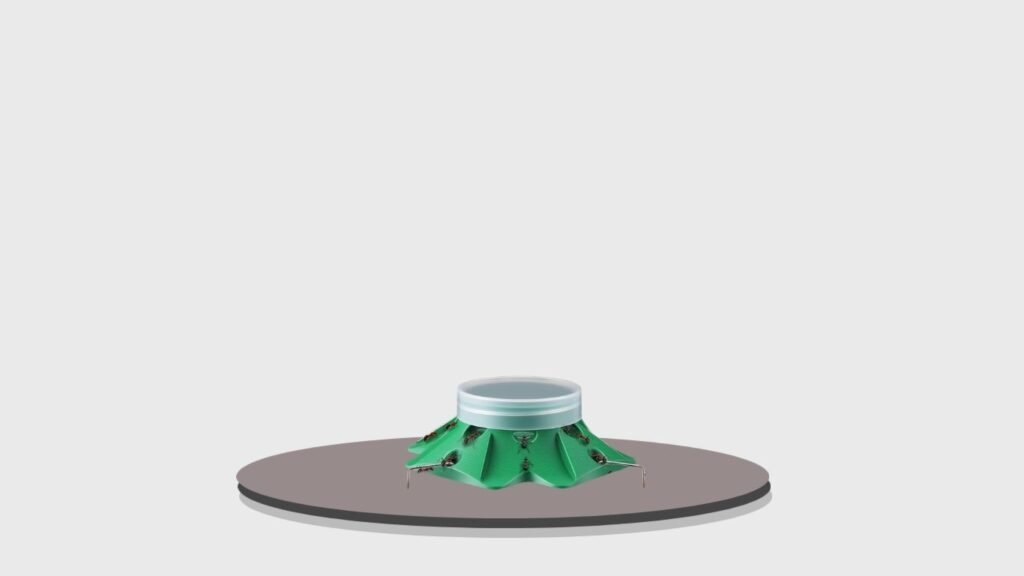
The Qualirey Ant Bait Stations offer a straightforward treatment format for household ant activity. Their compact stations can be distributed across several locations, making them useful when ants are appearing in more than one room or around multiple entry points. The enclosed design keeps the bait contained and allows users to focus treatment along active trails rather than applying insecticide broadly across floors, walls, or outdoor surfaces.
Key Features
- Multiple enclosed ant bait stations
- Compact and discreet construction
- Easy placement around ant trails
- Designed for household ant-control areas
- Ready-to-use format
- Suitable for treating several locations
- Helps keep bait contained inside each station
Why It’s Best For
The Qualirey stations are particularly useful when ant activity is spread across different parts of a home. Multiple stations can be placed near kitchens, bathrooms, doorways, storage areas, or utility spaces where ants commonly search for food and water.
Their small profile also allows them to fit into corners and other areas where larger pest-control products may be inconvenient.
Performance & Durability
Like other bait-based treatments, these stations perform best when ants are actively feeding from them. Users should place them close to visible trails and avoid disturbing the ants once feeding begins.
The enclosed housing protects the bait from casual contact and helps keep treatment areas cleaner. Since exact performance can vary depending on the ant species and bait preference, monitoring the stations during the first several days can help determine whether ants are accepting the bait.
Pros, Cons & Overall Verdict
Pros: Multiple stations, compact construction, easy placement, contained bait, and useful for treating several problem areas.
Cons: Bait acceptance can vary, and confirmed fire-ant control should only be expected when the package label specifically lists fire ants.
Overall Verdict: Qualirey Ant Bait Stations provide a convenient option for localized household ant activity. Their multi-station format is especially useful when ants are entering from several different areas.
FAQs
1. Do ant traps work on fire ants?
Some ant traps and bait stations can work on fire ants, but only products specifically labeled for fire ants should be relied on for a confirmed infestation. Fire ants have different feeding behaviors than many common household ants, so a general-purpose sweet bait may not always attract them effectively.
2. Where should I place fire ant traps?
Place bait stations near active foraging trails or around areas where fire ants are frequently seen. Avoid placing bait directly on top of a disturbed mound unless the product label specifically instructs you to do so. Ants are often more likely to collect bait when their normal foraging behavior is left undisturbed.
3. How long do ant bait traps take to work?
Slow-acting ant baits may take several days or longer to noticeably reduce activity. This delay is intentional because worker ants need time to feed on the bait and carry it back toward the colony. Killing foraging ants too quickly can reduce the amount of bait that reaches other colony members.
4. Should I spray fire ants while using bait traps?
It is usually better not to apply repellent insecticide directly around bait stations unless the product label recommends combining the treatments. Sprays can kill or repel worker ants before they reach the bait, reducing bait transfer back to the colony.
5. What should I look for when choosing a fire ant trap?
Look for a product whose label specifically lists fire ants as a target pest. Also consider whether it is designed for indoor or outdoor use, how weather-resistant the station is, how easy it is to position, and whether the bait is slow acting enough to support colony-level control.