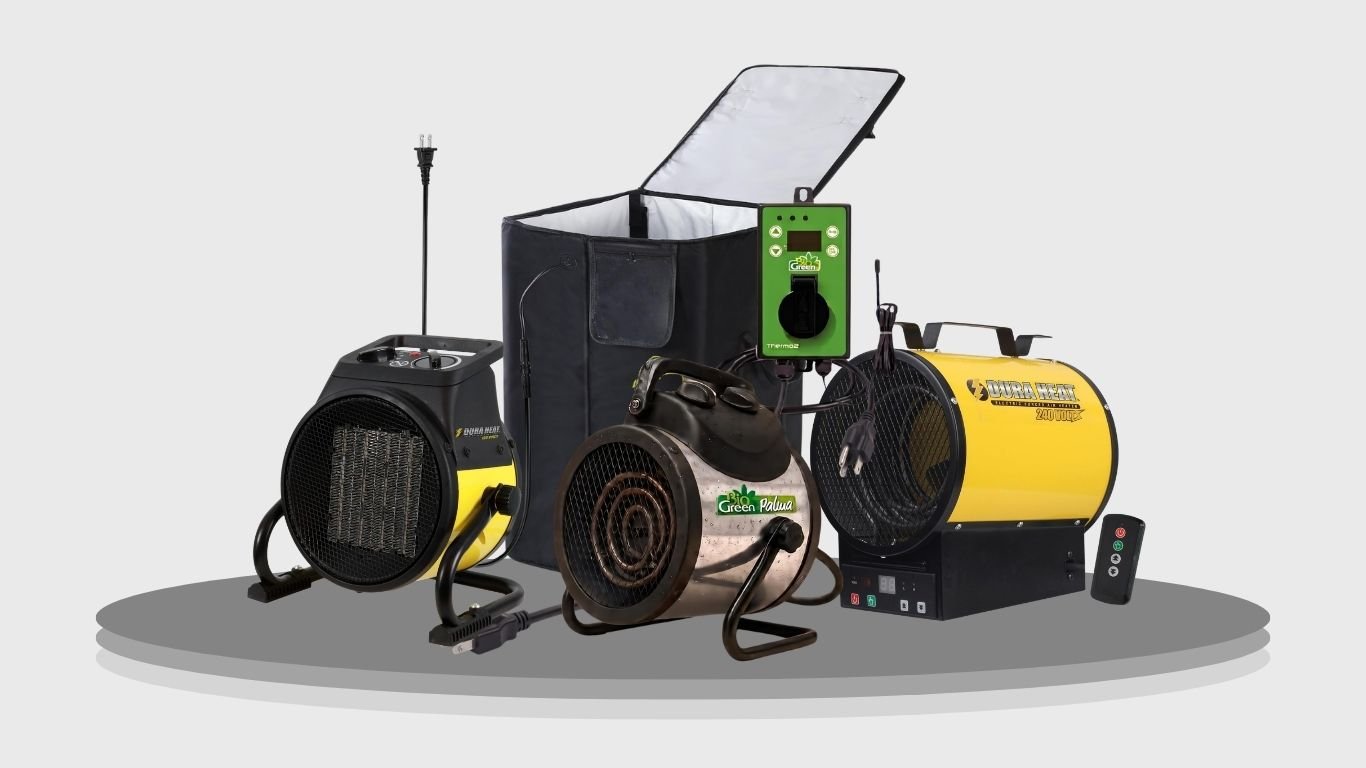
Bed bugs can hide deep inside mattresses, furniture, clothing, and small cracks, making them difficult to control with surface treatments alone. The best bed bug heaters use controlled heat to help treat infested items and hard-to-reach hiding areas without relying entirely on chemical sprays. From portable heat chambers to powerful electric heating units, different options suit different treatment needs. In this guide, we review 10 best bed bug heaters based on heating performance, temperature control, portability, ease of use, and suitability for home pest-control applications.
1. Ranger Bed Bug Heat Treatment System
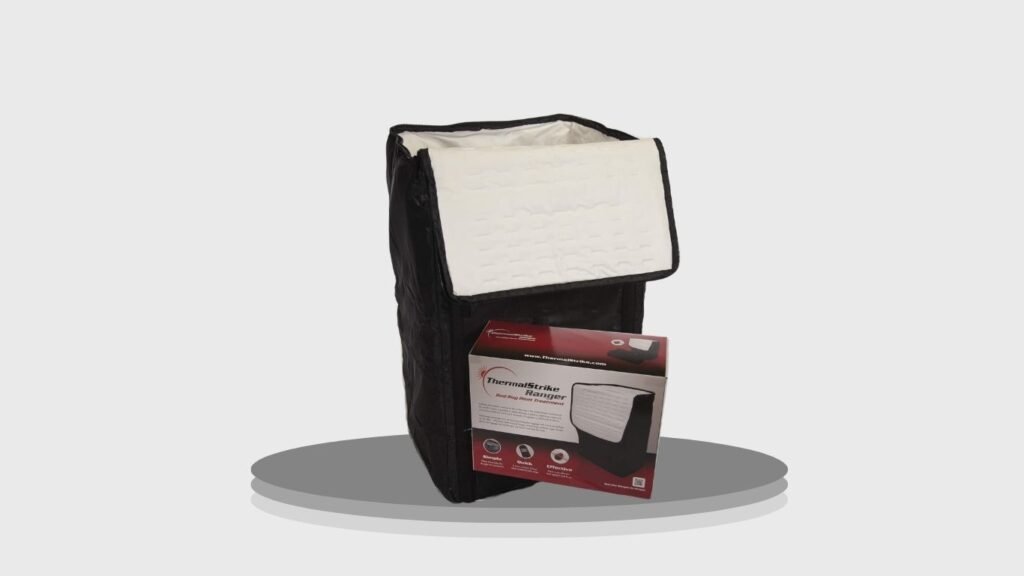
The Ranger Bed Bug Heat Treatment System is designed specifically for people who want a dedicated heat-based approach to bed bug control. Unlike ordinary space heaters, this system is built around pest-treatment applications and controlled heating. It can be useful for treating infested belongings and enclosed spaces where bed bugs may hide, while reducing reliance on repeated chemical applications.
Key Features
- Designed specifically for bed bug heat treatment
- Suitable for homeowners and professional pest-control use
- Controlled heating for enclosed treatment areas
- Helps reach insects hidden inside belongings and fabrics
- Chemical-free treatment approach
- Portable design for targeted applications
- Built for repeated bed bug treatment sessions
Why It Stands Out for Bed Bug Treatment
The biggest advantage of the Ranger system is that it is designed with bed bug treatment in mind rather than general room heating. Bed bugs often hide inside seams, folds, furniture joints, luggage, and other areas that surface sprays may not reach easily.
A purpose-built heat system can distribute controlled warmth throughout a treatment space, making it more practical for handling hidden infestations. This makes the Ranger especially attractive for people dealing with recurring bed bug concerns or those who prefer a non-chemical treatment method.
Heating Performance and Practical Use
Consistent heat distribution is important during any bed bug heat-treatment process. The Ranger system is intended to maintain treatment conditions more reliably than improvised heating setups.
Its portable format also makes it easier to use around selected belongings or designated treatment areas. Users should always follow the manufacturer’s setup, ventilation, monitoring, and safety instructions, especially when treating materials that could be sensitive to prolonged heat.
Best for Dedicated Chemical-Free Treatment
The Ranger Bed Bug Heat Treatment System is best suited to users who want a more specialized solution than standard heaters or passive traps. Its dedicated design makes it particularly useful for repeated treatment, targeted applications, and situations where reaching hidden bugs is a priority.
For households or professionals building a more complete bed bug control strategy, the Ranger offers a technically focused heat-treatment option that can work alongside monitoring, cleaning, encasements, and other pest-management methods.
2. Portable Bed Bug Heat Treatment Equipment with Digital Temperature Control
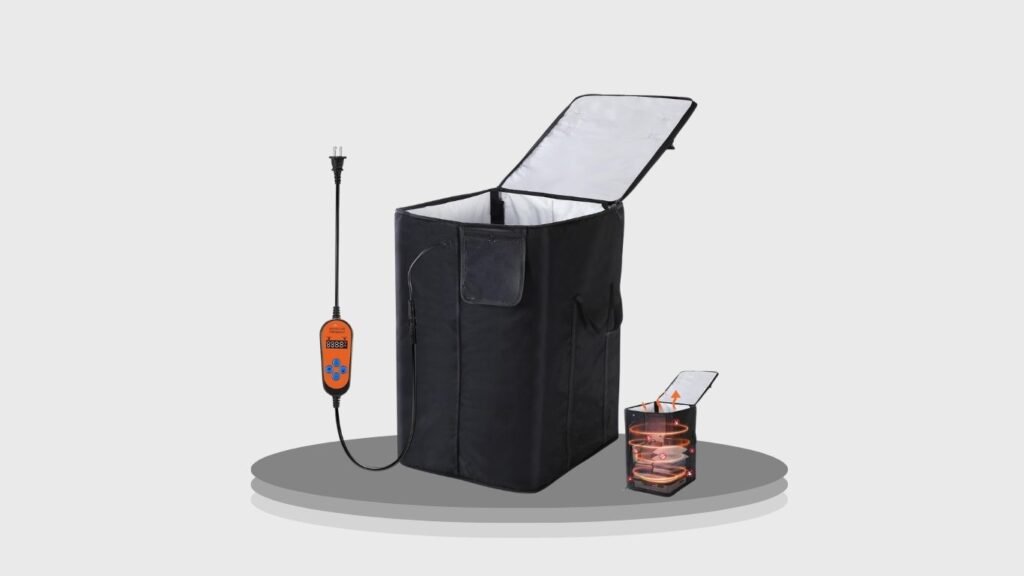
This Portable Bed Bug Heat Treatment Equipment is designed for users who want a controlled heating option for treating bed bug-infested belongings and enclosed areas. Its digital temperature-focused design makes it easier to monitor heat levels during treatment. For people who prefer a non-chemical approach, this type of system can be useful for luggage, bedding, clothing, and other items where bed bugs may remain hidden.
Key Features
- Portable heat-treatment design
- Digital temperature monitoring
- Suitable for targeted bed bug treatment
- Useful for luggage, fabrics, and personal belongings
- Chemical-free treatment approach
- Designed for controlled heating applications
- Convenient for repeated treatment sessions
Why It Is Best for Controlled Heat Treatment
Temperature management is one of the most important parts of bed bug heat treatment. This system stands out because its digital controls can help users keep a closer eye on treatment conditions instead of relying only on guesswork.
That added control can be especially useful when treating belongings that need consistent exposure to elevated temperatures. It also makes the system more practical for people who expect to perform multiple treatment sessions over time.
Heating Performance and Ease of Use
Portable heat-treatment equipment can simplify the process of isolating and heating suspected items. Clothing, bedding, luggage, and other belongings can be treated separately from the rest of the room, which helps create a more focused treatment process.
Users should monitor temperature carefully and follow the product instructions throughout each session. Heat-sensitive materials should always be checked before treatment to reduce the risk of damage.
Best for Portable, Repeatable Treatment
This portable heater is a strong match for users who want flexibility and temperature monitoring in one system. It is particularly useful after travel, during follow-up treatment, or when specific belongings need attention.
Its combination of portability and digital monitoring makes it a practical supporting tool within a broader bed bug management plan.
3. ZappBug Bed Bug Heat Treatment Equipment
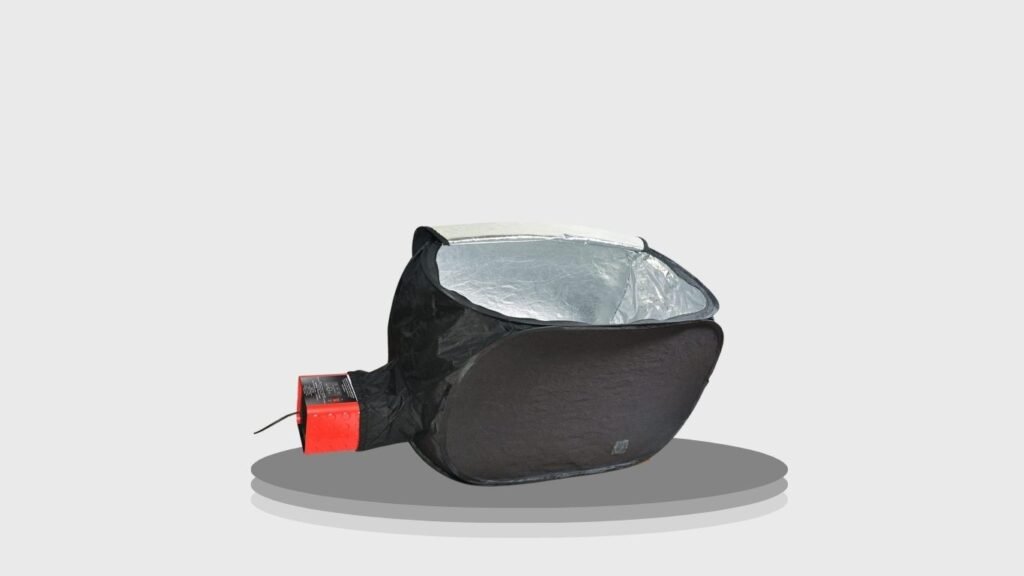
ZappBug Bed Bug Heat Treatment Equipment is built specifically for heat-based pest control, making it more focused than a standard household heater. It is designed to treat infested belongings in an enclosed heating space, allowing heat to reach into folds, seams, and other areas where bed bugs may hide. This approach can be especially useful for people who want a chemical-free way to treat personal items.
Key Features
- Purpose-built bed bug heat-treatment system
- Designed for enclosed item treatment
- Chemical-free pest-control method
- Useful for clothing, luggage, and bedding
- Helps treat hard-to-reach hiding areas
- Suitable for home and professional-style use
- Reusable for multiple treatment cycles
Why It Stands Out for Infested Belongings
Bed bugs often hide inside objects that are difficult to treat with sprays alone. ZappBug provides a contained heat-treatment approach that can expose hidden insects to elevated temperatures throughout the treatment space.
This makes it especially suitable for luggage after travel, bedding, shoes, bags, and other belongings where pests may be concealed. The enclosed format also helps users keep treatment focused on specific items.
Heating Performance and Practical Setup
A dedicated bed bug heater offers better treatment control than using a general-purpose room heater. The enclosed design helps retain heat and direct it around treated belongings.
For consistent results, items should be arranged so heated air can circulate properly. Users should avoid overpacking the chamber and should follow all temperature and treatment-time instructions supplied by the manufacturer.
Best for Chemical-Free Item Treatment
ZappBug is particularly appealing for users who want a specialized solution rather than adapting an ordinary heater for pest control. Its purpose-built design makes it useful for targeted and repeatable treatments.
For people dealing with recurring exposure risks or frequent travel, it can become a valuable part of a long-term bed bug prevention and treatment routine.
4. BioGreen Palma Greenhouse Heater with Digital Thermostat
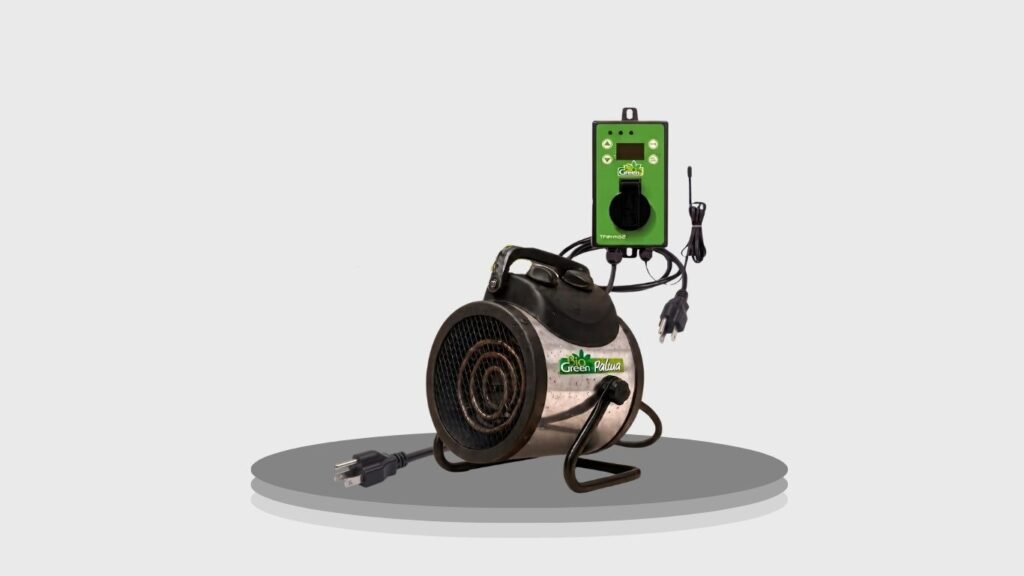
The BioGreen Palma Greenhouse Heater is primarily designed for controlled heating environments, but its digital thermostat and compact heating format may appeal to users researching heat-management equipment. Unlike dedicated bed bug systems, this model is not specifically built for pest treatment, so it should only be considered where its operating specifications align with a carefully planned heating setup.
Key Features
- Electric heating design
- Digital thermostat control
- Compact and portable construction
- Designed for controlled indoor environments
- Adjustable temperature management
- Suitable for repeated heating use
- Durable format for ongoing operation
Why Its Thermostat Control Is Useful
The main strength of the BioGreen Palma is its thermostat-based temperature management. Maintaining stable heat is important in any controlled heating application, and digital adjustment can make it easier to avoid large temperature swings.
For users comparing general-purpose heaters, this type of control may be more useful than a simple on/off unit. However, because it is not a dedicated bed bug heater, users should not assume it can provide an effective pest-treatment cycle without verifying temperature capabilities and safety requirements.
Heating Performance and Build Quality
The heater is designed to provide steady warmth in enclosed environments. Its compact format makes positioning easier, while thermostat control can help maintain a selected temperature range.
For bed bug-related applications, temperature measurement should be performed independently throughout the treatment area. Heat must reach all targeted objects rather than simply warming the surrounding air.
Best for Controlled Heating Applications
BioGreen Palma is best considered by users who want a robust, thermostat-controlled heater for general controlled-environment use. Its convenience and temperature regulation are its strongest qualities.
For actual bed bug eradication, purpose-built heat-treatment equipment remains the more technically appropriate choice because it is designed around pest-control temperature requirements.
5. Roodike Blower Heater with Thermostat
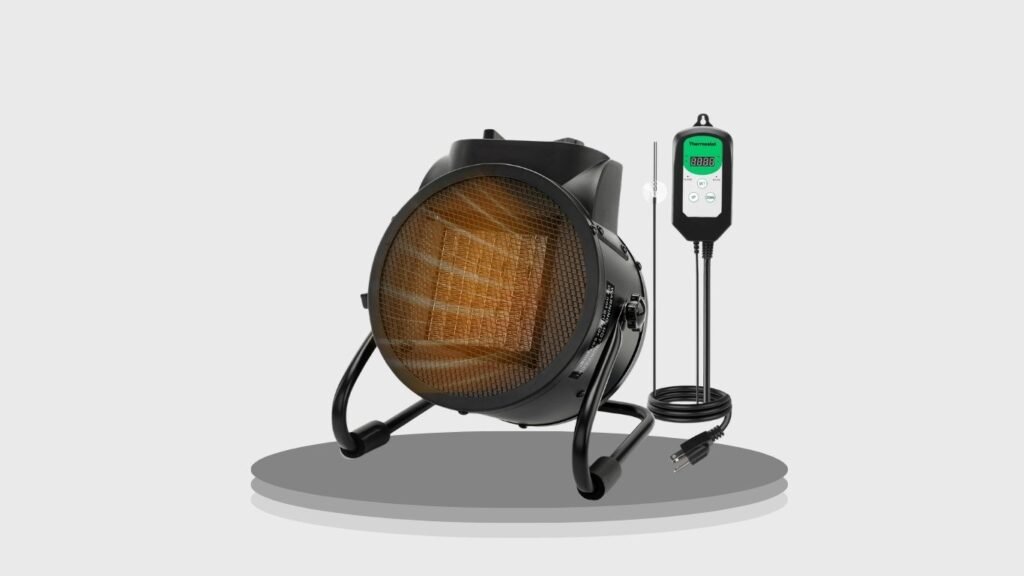
The Roodike Blower Heater with Thermostat offers forced-air heating combined with temperature regulation. A blower-style heater can help circulate warm air more evenly than a basic radiant heater, which may be useful in controlled heating setups. However, because this model is marketed as a general-purpose heater rather than a dedicated bed bug system, treatment suitability depends on its verified temperature range and safe operating conditions.
Key Features
- Blower-style heating system
- Built-in thermostat control
- Forced-air circulation
- Suitable for enclosed heating environments
- Portable design for flexible placement
- Adjustable temperature operation
- Designed for extended heating use
Why Air Circulation Matters
One challenge with heat treatment is avoiding cold spots. Bed bugs can survive if hidden areas do not reach the required treatment temperature. A blower-style heater helps move warm air around an enclosed space, potentially improving temperature distribution.
This circulation can be useful in setups where heat needs to reach around furniture, containers, or other obstacles. Still, circulation alone does not confirm that all surfaces or belongings have reached effective treatment conditions.
Heating Performance and Temperature Control
The combination of forced air and thermostat adjustment gives users more control than a basic fixed-output heater. This can make it easier to maintain a consistent environment during longer heating periods.
For bed bug applications, separate temperature sensors should be positioned in multiple locations to verify that heat reaches the coolest areas. Manufacturer safety limits should also be followed carefully.
Best for Users Who Need Air Movement
The Roodike Blower Heater may suit users who need a portable heater with active air circulation and thermostat control. Its forced-air design is particularly useful where even heating is important.
For dedicated bed bug eradication, however, it should be treated as supporting equipment rather than a guaranteed treatment system unless the manufacturer specifically approves that use.
6. Mr. Heater MH18B Portable Propane Heater
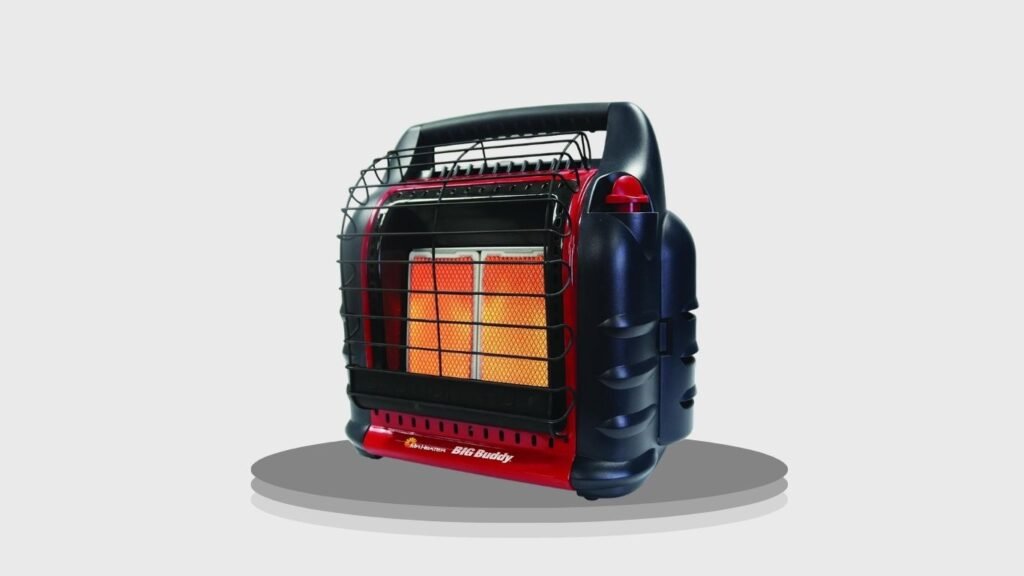
The Mr. Heater MH18B is a powerful portable propane heater designed primarily for general heating applications. It offers substantial heat output in a compact, mobile format, making it useful for garages, workshops, and other spaces where portable warmth is needed. For bed bug treatment, however, propane heaters require significant caution and should not be treated as a direct substitute for purpose-built pest-control heating systems.
Key Features
- Portable propane-powered heater
- High-output heating capability
- Designed for large heating areas
- Mobile and easy to reposition
- Useful for garages and workspaces
- Independent of standard electric power
- Built for general-purpose heating
Why Its Heat Output Stands Out
The strongest feature of the MH18B is its ability to generate significant heat without requiring a fixed electrical installation. This makes it useful in locations where strong portable heating is needed.
From a technical perspective, high heat output may seem attractive for bed bug treatment, but pest-control heating requires much more than simply making a room hot. Temperature uniformity, fire safety, ventilation, and material protection all need to be managed carefully.
Performance and Safety Considerations
Propane heaters produce combustion heat and therefore require strict adherence to ventilation and safety guidance. They should never be used in ways that conflict with manufacturer instructions.
For pest treatment, uncontrolled use can create fire, carbon monoxide, and property-damage risks. Professional heat-treatment systems typically use equipment and monitoring procedures specifically designed for this purpose.
Best for General Heating Rather Than DIY Bed Bug Treatment
Mr. Heater MH18B is a capable portable heater for its intended general-heating applications. Its mobility and strong output make it useful in garages, workshops, and similar environments.
For bed bug eradication, a dedicated electric heat-treatment system with multiple temperature sensors is a more appropriate choice. This model should only be used within its stated manufacturer-approved applications.
7. Dura Heat EUH1465 Pivoting Electric Heater
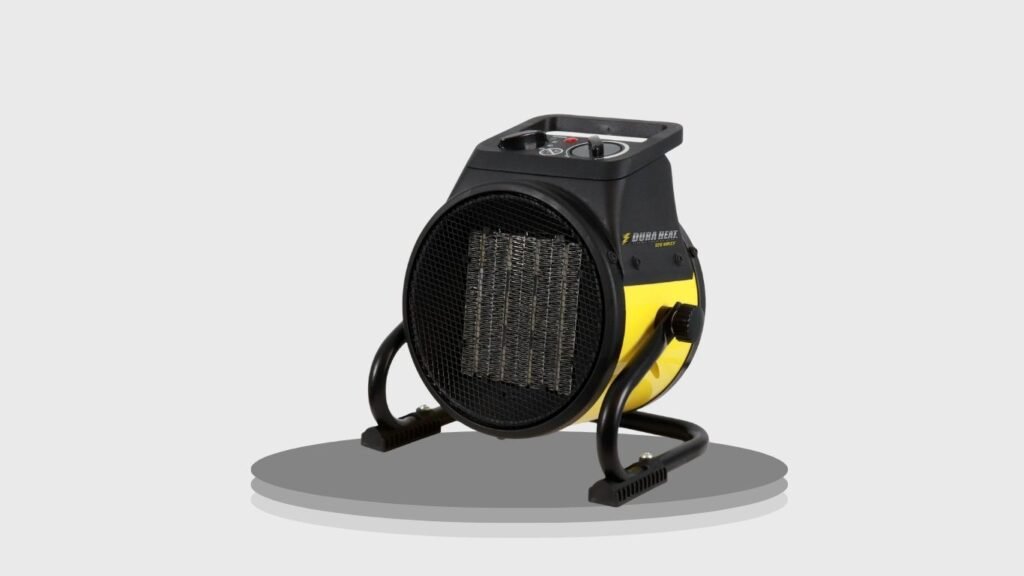
The Dura Heat EUH1465 Pivoting Electric Heater is a compact forced-air heating unit designed for workshops, garages, and other indoor areas that need concentrated warmth. Its pivoting design makes it easier to direct heated airflow toward a selected area. While it is not specifically engineered as a bed bug treatment system, its electric operation and directional airflow may be useful in controlled heating applications when used within manufacturer specifications.
Key Features
- Electric forced-air heating design
- Pivoting body for directional airflow
- Compact and portable construction
- Adjustable heating operation
- Suitable for workshops and indoor spaces
- No propane or liquid fuel required
- Convenient for targeted general heating
Why the Pivoting Design Is Useful
Directional airflow is the main advantage of this Dura Heat model. Being able to angle the heater allows warm air to be directed toward a particular section of an enclosed area rather than simply heating straight ahead.
This feature can be helpful when trying to distribute warmth more evenly. However, bed bug treatment requires verified temperatures throughout all hiding areas, so airflow alone should never be considered proof of successful treatment.
Heating Performance and Practical Use
The forced-air design helps circulate warm air instead of relying entirely on radiant heat. Its relatively compact body also makes repositioning simple when heating different sections of a workspace.
Anyone evaluating it for pest-related heating should use independent temperature sensors and remain within the manufacturer’s intended operating conditions. Mattresses, electronics, plastics, and other heat-sensitive materials require particular attention.
Best for Compact Electric Heating
The Dura Heat EUH1465 is best suited to users who need a portable electric heater with directional airflow for normal heating applications.
For actual bed bug eradication, a purpose-built treatment chamber or professional heat system offers more predictable temperature control. This model is better considered supporting general heating equipment than a specialized bed bug heater.
8. Mr. Heater Forced Air Propane Heater
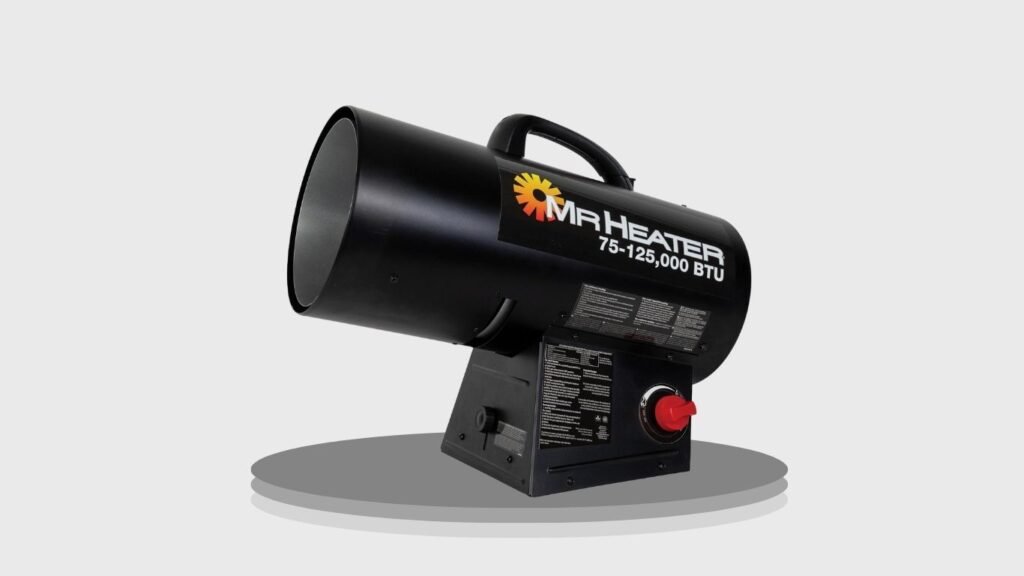
The Mr. Heater Forced Air Propane Heater is a high-output heating unit intended for demanding spaces such as workshops, construction areas, and garages. Its forced-air system distributes heated air rapidly across a larger area. While the strong heating output may appear attractive for pest applications, propane combustion introduces important ventilation, carbon monoxide, and fire-safety considerations.
Key Features
- Powerful forced-air heating
- Propane-powered operation
- Designed for larger work areas
- Rapid warm-air circulation
- Portable construction
- High heating capacity
- Built for demanding general-heating applications
Why Its Heating Power Stands Out
Compared with small electric heaters, forced-air propane units can raise temperatures quickly across sizeable areas. Their fans help move heated air rather than allowing warmth to remain concentrated near the unit.
For ordinary workshop heating, this can be a major advantage. Bed bug treatment is different because every potential hiding location must reach appropriate temperatures without creating unsafe conditions.
Heating Performance and Safety
Propane heaters rely on combustion, meaning ventilation and manufacturer-required clearances are essential. They should never be operated in enclosed residential spaces contrary to product instructions.
Using combustion heaters incorrectly can create serious carbon monoxide, fire, and property-damage risks. Professional pest-control heat treatments generally rely on specialized heating, airflow, and temperature-monitoring equipment specifically selected for the application.
Best for Professional General Heating Applications
Mr. Heater’s forced-air propane model is a strong performer when substantial portable heat is needed for approved worksite or workshop environments.
For bed bug control inside a home, dedicated electric treatment systems are the technically safer and more suitable choice. This propane unit should remain within its manufacturer-approved heating applications rather than being improvised for indoor pest treatment.
9. Remington Portable Heater with Electric Ignition
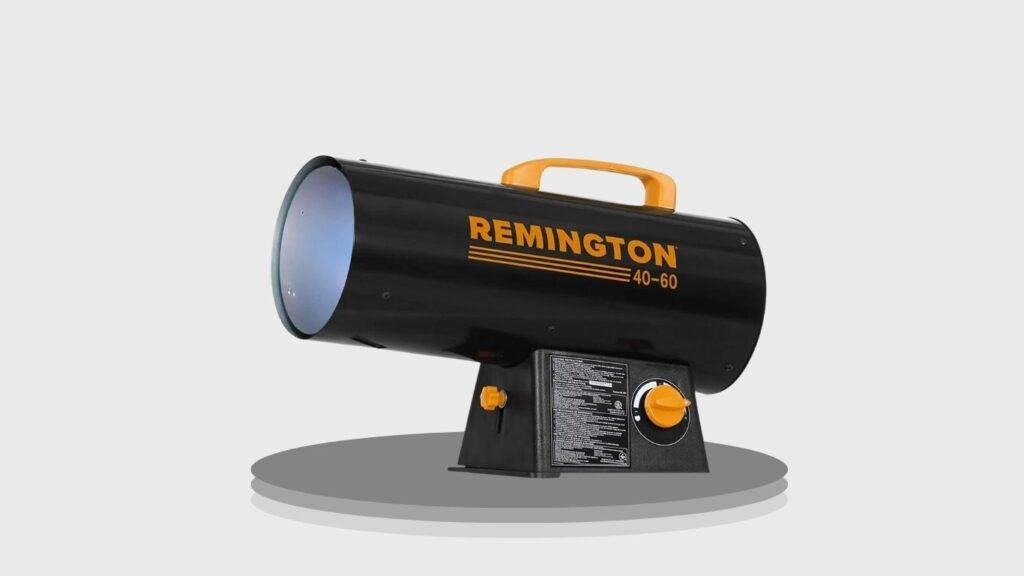
The Remington Portable Heater with Electric Ignition is designed to deliver substantial heat for workshops, garages, and other large work environments. Its portable construction allows users to reposition the unit as heating requirements change, while electric ignition simplifies startup. Although powerful heating equipment is sometimes considered for pest-control applications, this model is fundamentally a general-purpose heater rather than a dedicated bed bug treatment system.
Key Features
- Portable high-output heating design
- Electric ignition for convenient startup
- Intended for workshops and work areas
- Strong airflow and heat distribution
- Built for demanding heating conditions
- Mobile construction for flexible placement
- Suitable for general space-heating applications
Why Portability Is a Major Advantage
Large heaters can be difficult to move between different working areas. The portable design of this Remington unit makes repositioning easier, allowing heat to be supplied where it is currently needed.
For bed bug-related research, portability may sound useful, but treatment effectiveness depends on controlled temperatures throughout the entire infested material rather than simply producing a large quantity of heat.
Heating Performance and Practical Considerations
This type of heater is built to raise ambient temperatures efficiently in suitable working environments. Proper airflow helps distribute heat beyond the immediate area around the unit.
However, users should never exceed manufacturer guidelines or operate fuel-burning equipment in unsuitable enclosed spaces. Fire risk, ventilation, carbon monoxide, and damage to heat-sensitive belongings must all be considered.
Best for Heavy-Duty Space Heating
The Remington Portable Heater is most appropriate for people who need dependable heating in workshops, garages, and similar approved environments.
For bed bug treatment, professionally designed electric heat systems provide more controlled temperatures and monitoring. This Remington model is therefore better classified as powerful general-heating equipment rather than a dedicated pest-treatment solution.
10. Dura Heat EUH4000R Electric Heater with Remote Control
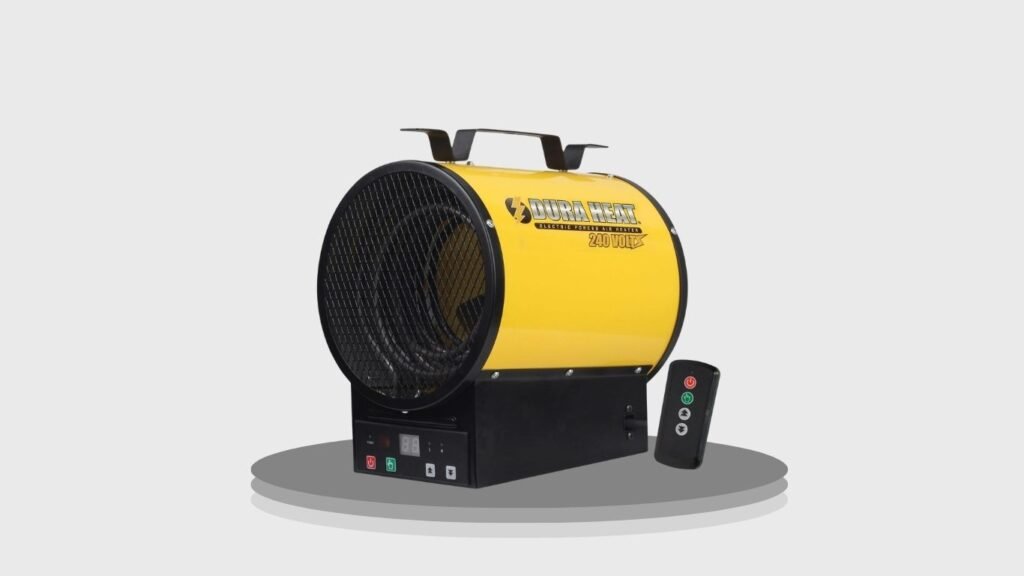
The Dura Heat EUH4000R Electric Heater combines higher-output electric heating with convenient remote operation. Designed for garages, workshops, and other demanding indoor spaces, it provides forced-air circulation to distribute heat more effectively. Compared with combustion heaters, electric operation eliminates on-site fuel burning, although this model is still a general-purpose heater rather than equipment specifically certified for eliminating bed bugs.
Key Features
- Powerful electric heating system
- Remote-control operation
- Forced-air heat circulation
- Suitable for garages and workshops
- Adjustable heating settings
- No propane combustion
- Designed for sustained general heating
Why Remote Control Adds Convenience
Being able to adjust heater operation from a distance can make temperature management more convenient in larger spaces. Users do not need to approach the unit every time an adjustment is required.
For controlled heating applications, this feature can simplify operation. Nevertheless, independent temperature sensors remain essential if heat levels need to be verified at multiple locations rather than only near the heater.
Heating Performance and Durability
The EUH4000R is designed to provide stronger electric heating than small portable household units. Forced airflow helps distribute warmth throughout the surrounding space and can reduce localized temperature differences.
Its electric format also avoids combustion gases associated with propane heaters. Users must still ensure the electrical supply meets the heater’s requirements and maintain appropriate clearance around the unit.
Best for Powerful Electric Space Heating
The Dura Heat EUH4000R stands out for users who prefer high-output electric heating with remote convenience. It offers a practical combination of airflow, controllability, and reusable operation.
For dedicated bed bug eradication, however, specialized heat-treatment equipment remains preferable because it is designed around pest-control temperatures, sensors, containment, and treatment procedures.
FAQs
1. What type of heater is best for bed bug treatment?
Purpose-built bed bug heat-treatment systems are generally the most appropriate choice. They are designed to combine controlled heat, airflow, containment, and temperature monitoring rather than simply raising room temperature with an ordinary space heater.
2. Can a regular space heater kill bed bugs?
A normal space heater may warm a room but does not necessarily heat every mattress seam, furniture joint, or hidden area sufficiently. Cold spots can remain, so ordinary heaters should not be assumed to provide reliable bed bug treatment.
3. Are portable bed bug heat chambers useful?
Yes. Portable heat chambers can be particularly practical for treating luggage, clothing, bedding, shoes, bags, and other suitable belongings. Users should always follow the manufacturer’s loading, temperature, and treatment instructions.
4. Are propane heaters safe for DIY bed bug treatment?
Propane heaters should not be improvised for enclosed residential bed bug treatment unless specifically approved for that application. Combustion heaters can create carbon monoxide, fire, ventilation, and property-damage hazards when used incorrectly.
5. Do bed bug heaters eliminate eggs as well as adult bugs?
Proper professional-style heat treatment can affect multiple bed bug life stages, including eggs, but effectiveness depends on achieving the required temperature throughout every treated item and maintaining appropriate exposure. Temperature sensors and manufacturer-approved procedures are therefore important.