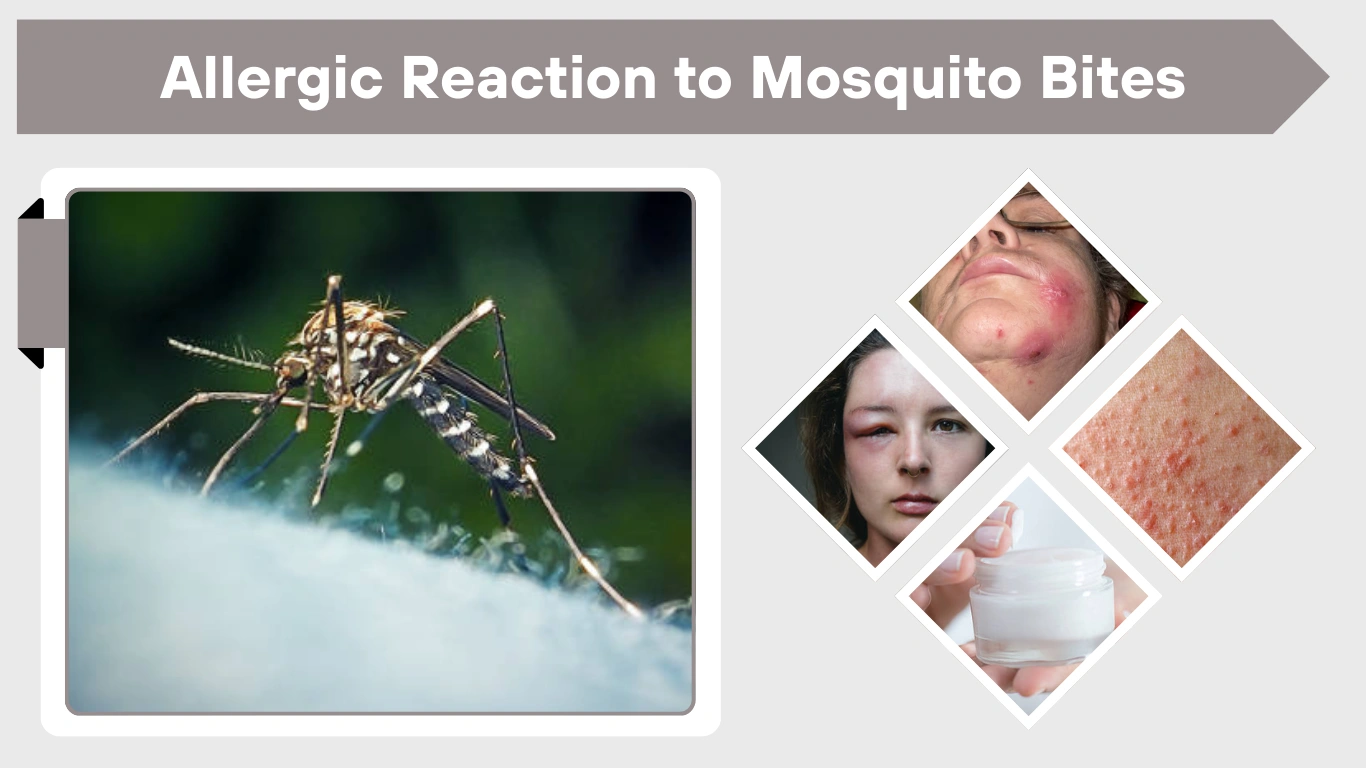
Most mosquito bites cause mild itching and small red bumps that disappear within a few days. However, some people experience an allergic reaction to mosquito bites that looks and feels much worse than a normal bite. These reactions can involve large swelling, intense itching, blisters, or even hives. For babies, toddlers, and people with sensitive immune systems, reactions may appear more dramatic and worrying. Understanding what an allergic reaction to mosquito bites looks like, why it happens, and when it becomes serious can help you respond calmly and choose the right treatment.
What Is an Allergic Reaction to Mosquito Bites?
An allergic reaction to mosquito bites occurs when your immune system overreacts to proteins found in mosquito saliva. When a mosquito bites, it injects saliva into the skin to prevent blood clotting. In most people, this causes only a mild immune response. In others, the immune system treats the saliva as a stronger threat.
This reaction triggers the release of histamine and other inflammatory chemicals. Histamine causes blood vessels to widen and fluid to leak into surrounding tissue, leading to swelling, redness, warmth, and itching. The stronger the immune response, the more noticeable and uncomfortable the reaction becomes.
Can You Have an Allergic Reaction to Mosquito Bites?
Yes, you can have an allergic reaction to mosquito bites at any age. Some people are naturally more sensitive to mosquito saliva, while others develop sensitivity over time. Reactions can also change suddenly, meaning someone who previously had mild bites may later experience stronger swelling or itching.
Children are especially prone to allergic reactions because their immune systems are still developing. This is why mosquito bites in babies and toddlers often appear much larger and more inflamed than in adults. A sudden allergic reaction does not necessarily mean something dangerous, but it should be monitored carefully.
What Does an Allergic Reaction to Mosquito Bites Look Like?

Common Appearance of Allergic Reactions
An allergic reaction to mosquito bites usually looks different from a normal bite. Instead of a small bump, the affected area may appear larger and more intense. Common visual signs include:
- Large swollen areas that spread beyond the bite
- Raised, firm welts
- Blisters filled with clear fluid
- Hives forming near or far from the bite
- Red rash extending across nearby skin
These reactions can look alarming, especially when multiple bites are involved or when bites occur on the face, arms, or legs.
Allergic Reaction Symptoms to Mosquito Bites
Local Symptoms
Most allergic reactions affect the skin around the bite. Common local symptoms include:
- Significant swelling
- Redness and warmth
- Severe itching
- Pain or tenderness
- Blister formation
The swelling may continue to increase for 24 to 48 hours before improving.
Systemic Symptoms (Less Common)
In stronger reactions, symptoms may affect the body more generally. These can include:
- Low-grade fever
- Fatigue
- Headache
- Mild nausea
Systemic symptoms are less common but should be taken seriously, especially in children.
Mild vs Severe Allergic Reaction to Mosquito Bites
Allergic reactions can range from mild to severe. Mild reactions usually stay limited to the bite area and improve within a few days. Severe reactions may involve large areas of swelling, facial involvement, or widespread hives.
Severe allergic reactions may include swelling of the eyes, lips, or face, difficulty breathing, or extreme discomfort. These symptoms require prompt medical attention, as they can interfere with breathing or indicate a serious immune response.
Allergic Reaction to Mosquito Bites on Face, Eye, Lip, and Ear

Mosquito bites on the face often look worse than bites elsewhere on the body. Facial tissues are softer and contain more blood vessels, allowing fluid to build up easily. As a result, an allergic reaction to a mosquito bite on the eye or lip may cause dramatic swelling that looks frightening but is not always dangerous.
However, facial bites should be monitored closely. Swelling that interferes with vision, breathing, or swallowing should always be evaluated by a healthcare provider.
Allergic Reactions to Mosquito Bites in Babies and Toddlers
Why Children React More Strongly
Babies and toddlers often develop stronger reactions to mosquito bites due to their sensitive immune systems and thinner skin. Their bodies may release more histamine, leading to exaggerated swelling and redness.
Children are also more likely to scratch bites, which increases inflammation and slows healing. Parents should monitor bites carefully, especially if swelling increases rapidly or the child seems unwell.
When Parents Should Worry
While many allergic reactions in babies and toddlers look severe but resolve on their own, some signs should never be ignored. Parents should seek medical advice if a child develops a fever after a mosquito bite, shows unusual sleepiness, refuses to eat, or becomes excessively irritable. Rapidly spreading redness, pus, or warmth around the bite may indicate infection rather than a simple allergic reaction. Any swelling that affects breathing, vision, or swallowing requires urgent medical care.
Delayed Allergic Reaction to Mosquito Bites
Some people experience a delayed allergic reaction to mosquito bites, where swelling and itching appear 24 to 72 hours after the bite instead of immediately. This happens because the immune system can take time to fully react to mosquito saliva proteins.
Delayed reactions can still be normal, especially in children or people with sensitive immune systems. However, delayed swelling that continues to worsen, becomes painful, or is accompanied by fever should be evaluated by a healthcare provider to rule out infection or a more serious reaction.
Normal vs Allergic Reaction to Mosquito Bites

Understanding the difference between a normal bite and an allergic reaction helps reduce unnecessary worry.
A normal mosquito bite is usually small, mildly itchy, and improves within a few days. An allergic reaction, on the other hand, often causes larger swelling, more intense redness, and longer-lasting symptoms. Allergic reactions may spread beyond the bite site and can include blisters or hives.
If a bite looks unusually large, lasts more than a week, or continues to worsen, it is more likely an allergic reaction than a normal bite.
Allergic Reaction to Mosquito Bites Treatment
Medical Treatments
Treatment for an allergic reaction to mosquito bites depends on severity. Mild to moderate reactions are often treated with oral antihistamines to reduce itching and swelling. Topical corticosteroid creams may be recommended to calm inflammation.
In more severe cases, doctors may prescribe stronger anti-inflammatory medications. If symptoms involve the face, eyes, or breathing, immediate medical care is necessary.
Home Remedies
Home remedies can help relieve symptoms and support healing in mild reactions:
- Apply a cold compress to reduce swelling
- Use calamine lotion or aloe vera to soothe skin
- Take lukewarm oatmeal baths for widespread itching
- Keep the bite clean and dry
Scratching should be avoided as much as possible to prevent infection and prolonged swelling.
What to Do for a Severe Allergic Reaction
A severe allergic reaction to mosquito bites is rare but possible. Signs of a medical emergency include difficulty breathing, swelling of the throat or tongue, dizziness, or widespread hives. These symptoms may indicate anaphylaxis, which requires immediate emergency care.
If someone has a known history of severe allergic reactions, they should follow their doctor’s emergency plan and seek urgent help when symptoms appear.
How Long Does an Allergic Reaction to Mosquito Bites Last?
Most allergic reactions improve within a few days to a week. Mild swelling and itching often peak within 48 hours and then gradually subside. More intense reactions may take longer to heal, especially if scratching or infection occurs.
If symptoms last longer than 7 to 10 days or worsen instead of improving, a healthcare provider should evaluate the bite.
How to Prevent Allergic Reactions to Mosquito Bites

Preventing mosquito bites is the best way to avoid allergic reactions. Helpful prevention measures include:
- Using mosquito repellents appropriate for age
- Wearing long sleeves and pants in mosquito-prone areas
- Avoiding outdoor activity during peak mosquito hours
- Using window screens and mosquito nets indoors
- Removing standing water around the home
Consistent prevention can significantly reduce exposure and reactions.
FAQs
Are allergic reactions to mosquito bites dangerous?
Most are not dangerous and resolve with simple treatment. Severe reactions involving breathing or facial swelling require urgent care.
Can mosquito bites cause hives?
Yes. In allergic individuals, mosquito bites can trigger hives either near the bite or elsewhere on the body.
Is Skeeter syndrome an allergic reaction?
Yes. Skeeter syndrome is a strong allergic reaction causing large swelling, redness, and sometimes fever.
When should I see a doctor?
See a doctor if swelling worsens, fever develops, or symptoms interfere with breathing, vision, or normal activity.
Can reactions get worse over time?
Yes. Some people become more sensitive with repeated exposure, while others develop tolerance.
Conclusion
An allergic reaction to mosquito bites occurs when the immune system responds strongly to mosquito saliva. While many reactions look alarming, most are manageable with proper care and prevention. Recognizing symptoms early, avoiding scratching, and using appropriate treatment can reduce discomfort and complications. For severe reactions or bites in babies and toddlers, medical guidance ensures safe and timely care.