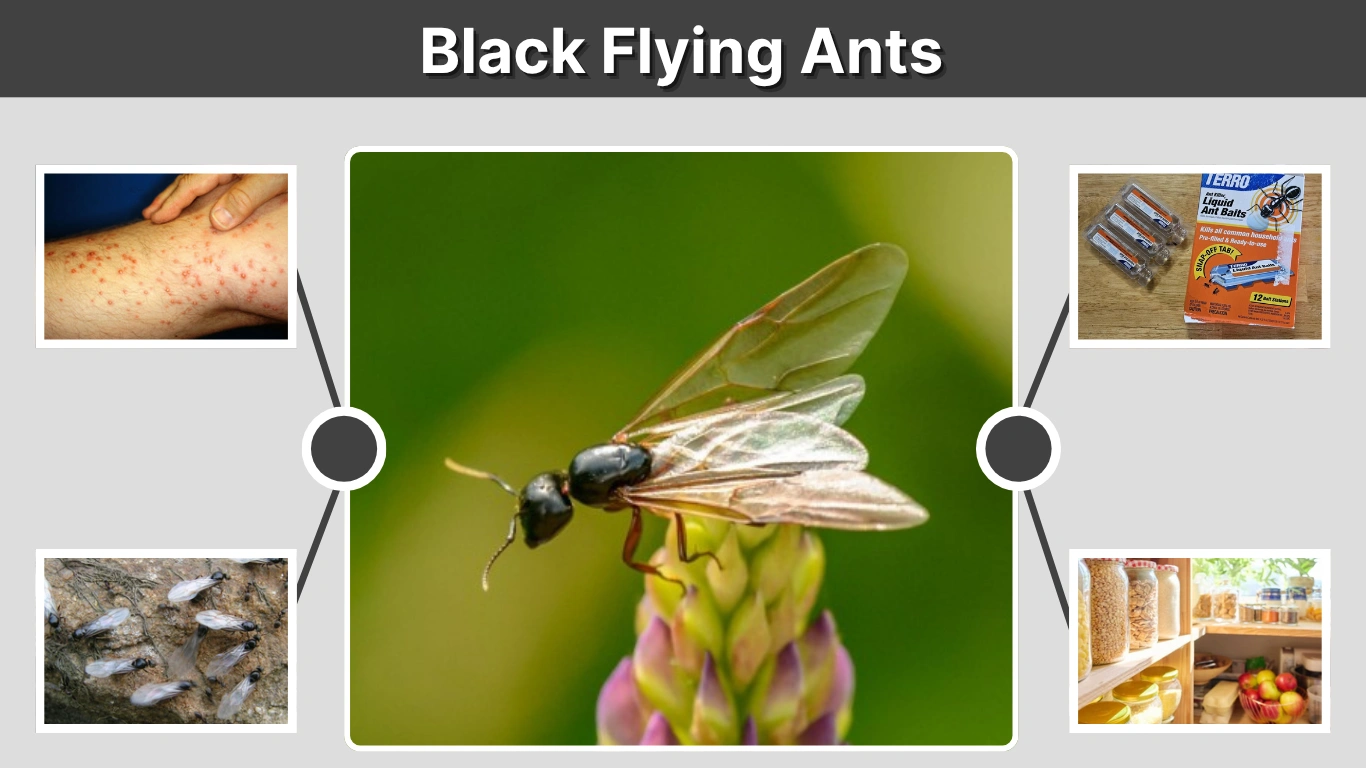
Black flying ants are often mistaken for termites or other flying insects, but they are actually reproductive members of ant colonies known as alates. These winged ants typically appear during warm, humid weather when they leave their colonies to mate and form new ones. Seeing them in large numbers can be unsettling, but understanding their behavior helps manage and prevent infestations effectively.
What Are Black Flying Ants?
Black flying ants are winged versions of common ants, such as the black garden ant or carpenter ant. They appear during a specific time called the nuptial flight, when males and females emerge from their nests to reproduce. After mating, males die, and fertilized females shed their wings to start new colonies.
These ants usually show up in summer after rain, as the moisture and warmth make perfect conditions for reproduction. While they may seem alarming, they play a crucial role in nature by expanding their colonies and ensuring species survival.
Identification Features of Black Flying Ants

Recognizing black flying ants can help distinguish them from other insects like termites or wasps. Here are the main features to look for:
- Color: Shiny black or dark brown body
- Size: Between 3 mm to 15 mm depending on the species
- Wings: Two pairs of clear or slightly brownish wings
- Antennae: Elbow-shaped and segmented
- Body Shape: Narrow waist between the thorax and abdomen
When resting, their wings fold neatly along their back, unlike termites, whose wings are the same length and easily fall off.
Black Flying Ants vs. Termites

It’s common to confuse flying ants with termites since both have wings and appear around the same season. However, there are several clear differences:
Body Shape
Flying ants have a narrow, pinched waist, while termites have a straight, uniform body.
Antennae
Ants’ antennae bend at an angle, giving them a distinctive elbowed appearance. Termites’ antennae are straight and bead-like.
Wings
Ants have larger front wings and shorter back wings. In termites, both wings are equal in size and easily break off after flight.
By observing these characteristics, you can easily determine whether you’re dealing with black flying ants or a potential termite infestation.
Common Species of Black Flying Ants

There are several species of ants that develop wings during their reproductive cycle. The most commonly encountered ones include:
- Black Garden Ant (Lasius niger): Found in gardens and pavements, especially in Europe and North America.
- Carpenter Ant (Camponotus species): Larger in size, often nesting in damp or decaying wood.
- Field Ant (Formica species): Commonly found in open fields or lawns, building mounds near the soil surface.
Each species has different nesting preferences and behaviors, but all produce flying ants during mating season.
Why Do Black Ants Fly?

Flying black ants take to the air during their nuptial flight, which usually occurs once or twice a year. This synchronized event is triggered by warm, humid weather and is a critical part of their reproductive cycle.
Male ants leave their colonies alongside young queens, flying into the air to mate. Once the mating is done, males die soon after, and fertilized females search for a safe place to establish a new nest. The new queen then sheds her wings and begins laying eggs to start a fresh colony.
Though this phenomenon may appear as an “infestation,” it’s a natural part of the ants’ life cycle and usually short-lived.
Do Black Flying Ants Bite or Sting?

Some species of black flying ants are capable of biting or stinging, but most are harmless to humans. Black garden ants, for instance, rarely bite, while carpenter ants may use their mandibles if they feel threatened.
Their bites typically cause minor irritation, redness, or a mild burning sensation but are not poisonous. Applying ice or an anti-itch cream usually relieves symptoms.
However, in rare cases where someone has an allergic reaction, it’s best to seek medical advice. Despite their intimidating appearance, black flying ants do not pose any significant health risk.
Black Flying Ants in Houses
Finding black flying ants indoors often indicates the presence of a nearby nest or a newly formed colony. These insects can enter homes through small cracks, vents, or open windows.
They are commonly attracted to:
- Moist environments like bathrooms and kitchens
- Light sources at night
- Food crumbs or sugary substances
- Wooden structures and damp foundations
Carpenter ants, in particular, may cause concern because they sometimes nest inside wooden beams, causing structural weakening over time. Observing where they appear most often helps determine whether they’ve nested indoors or are simply swarming temporarily during their mating flight.
How to Get Rid of Black Flying Ants

If you see flying ants in your home, the infestation is usually temporary. However, consistent sightings could mean an indoor colony. Here’s how to manage and eliminate them effectively:
- Seal Entry Points: Use caulk or weather stripping to block cracks, crevices, and small openings.
- Clean Regularly: Wipe surfaces, remove crumbs, and store food in airtight containers.
- Use Ant Baits: Place sweet or protein-based baits near entryways or ant trails.
- Apply Insecticide Sprays: Use a targeted spray around windows, doors, and nests.
- Call Pest Control: For persistent or carpenter ant infestations, professional exterminators can treat hidden colonies effectively.
Preventing Future Infestations
Once you’ve removed black flying ants, prevention is essential to stop them from returning. These insects thrive in moist, warm areas, so keeping your home dry and clean helps deter them effectively. Regular maintenance can significantly reduce the chance of reinfestation.
Here are the most effective preventive methods:
- Fix Water Leaks: Repair dripping pipes, faucets, and roof leaks that create damp environments.
- Eliminate Standing Water: Dry out areas like basements or window sills that retain moisture.
- Seal Entry Points: Close off cracks in walls, windows, and doors to block entry.
- Maintain Wooden Areas: Replace rotting wood and ensure timber stays dry, especially in basements.
- Outdoor Maintenance: Trim vegetation and clean up decaying leaves or logs that may harbor ants.
Consistent inspection around your property, especially during summer, helps detect new nests before they grow into major infestations.
Understanding Seasonal Behavior of Flying Ants
Flying ants appear during a specific period known as “Flying Ant Day,” which often occurs once a year in summer. The exact timing depends on humidity and temperature levels. Typically, thousands of winged ants swarm simultaneously across regions to mate in midair.
This synchronized event may look alarming, but it’s entirely natural and short-lived, lasting only a few days. Once mating is over, the males die, and fertilized queens land to establish colonies elsewhere. While the sight of hundreds of ants can be unsettling, it’s not usually a sign of a serious infestation.
Black Flying Ant Bite Treatment

If you experience a bite or sting from a black flying ant, it’s usually mild and easy to treat at home. Here’s what to do:
- Clean the Area: Wash with soap and water to prevent infection.
- Apply Ice: Use an ice pack to reduce swelling or itching.
- Use Topical Creams: Apply an anti-itch or hydrocortisone cream to relieve discomfort.
- Take Antihistamines: For minor allergic reactions, oral antihistamines can help.
- Seek Medical Help: If swelling, dizziness, or breathing problems occur, consult a doctor immediately.
Most bites heal within a few days without medical intervention.
Black Flying Ants vs. Carpenter Ants

Although they look similar, carpenter ants deserve special attention due to their nesting habits. While black flying ants are temporary visitors during mating, carpenter ants can nest in wood, creating structural damage over time.
Carpenter ants don’t eat wood but hollow it out to create tunnels for their colonies. If you hear rustling inside wooden walls or see sawdust-like debris, it could indicate their presence. Early detection and professional pest control can prevent costly repairs.
Common Myths About Black Flying Ants
“Flying ants are a sign of poor hygiene.”
False. Flying ants appear seasonally and are not caused by unclean homes.
“They live in the air.”
Incorrect. They only fly during their reproductive phase and then return to ground or wall nests.
“All flying ants bite or sting.”
Not true. Only a few species, like certain carpenter ants, may bite if disturbed.
“They’re the same as termites.”
Completely false. They differ in shape, wing structure, and behavior.
Dispelling these myths helps you respond appropriately rather than panic when they appear.
Pictures and Identification Tips
If you’re unsure whether the insect you’re seeing is a flying ant or another bug, look for these identifiers:
- Black body with a pinched waist
- Elbowed antennae and transparent wings
- Larger front wings than back wings
- Visible movement in colonies near windows or damp corners
Using a magnifying glass or taking a close-up photo can help identify the species more accurately.
FAQs
What attracts black flying ants to houses?
They are attracted to warm, moist environments and bright lights. Open windows or cracks allow them to enter, especially during their mating flight when they search for suitable nesting areas.
Do black flying ants bite or sting humans?
Most black flying ants are harmless. Some may bite if provoked, but their bites cause only mild irritation. Using ice or anti-itch cream quickly relieves discomfort, and serious reactions are extremely rare.
How long do black flying ants live?
Male ants live only long enough to mate, usually a few days, while queens can live for years. Once established, a queen can produce thousands of worker ants, ensuring the colony’s long-term survival.
Are black flying ants harmful to homes?
While most aren’t harmful, carpenter ants can damage wooden structures. They tunnel through moist or decayed wood to build nests, which may lead to costly repairs if left untreated for long periods.
How to differentiate flying ants from termites?
Flying ants have narrow waists, bent antennae, and uneven wings. Termites, on the other hand, have straight antennae and wings of equal length. Observing these differences helps avoid misidentification.