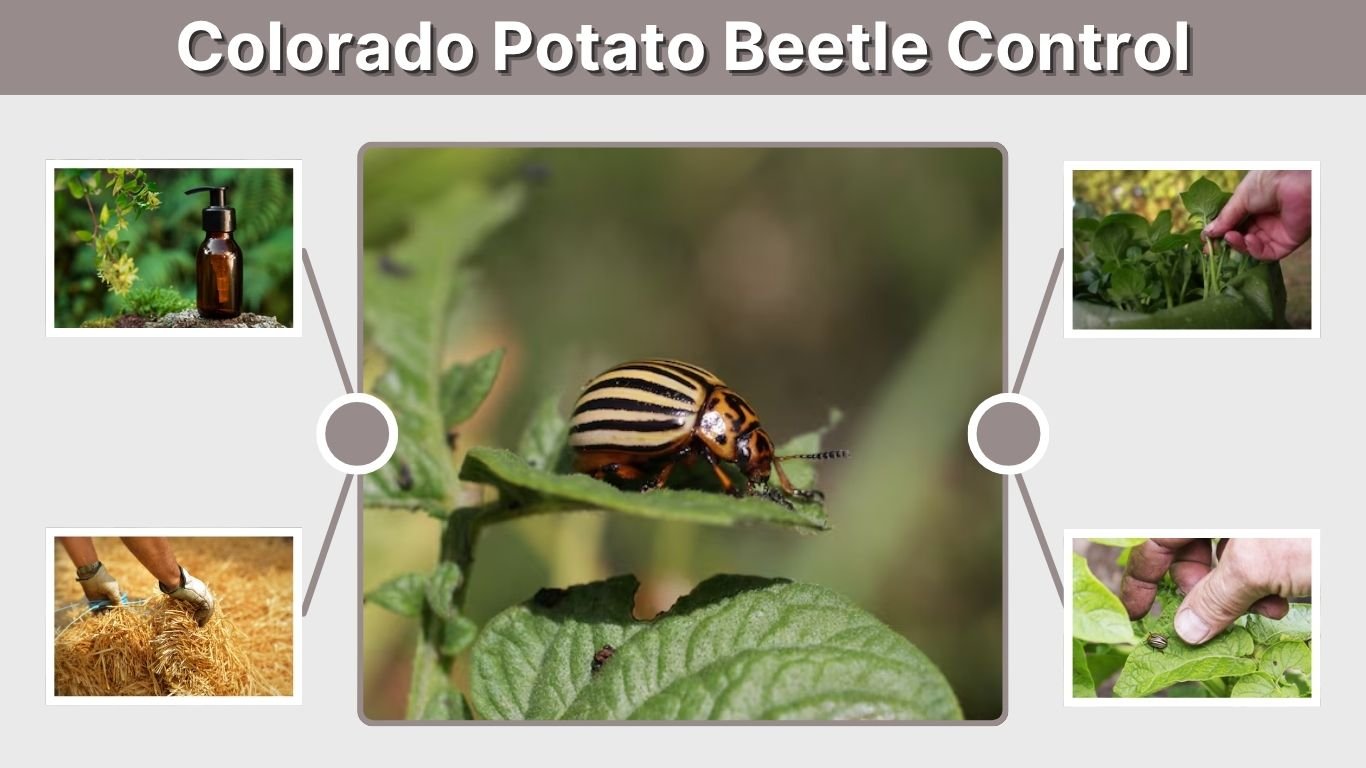
Colorado potato beetle control is essential for protecting potato plants from serious leaf damage and reduced crop yields. These yellow-and-black-striped beetles, scientifically known as Leptinotarsa decemlineata, can quickly multiply and destroy potato foliage. Both adults and larvae feed on leaves, making early treatment especially important. Fortunately, several organic, biological, cultural, and chemical methods can help manage infestations effectively. From handpicking beetles to using neem-based products and targeted insecticides, understanding the best control methods helps gardeners and farmers protect their crops throughout the growing season.
Why Is Colorado Potato Beetle Control Important?
Colorado potato beetles are among the most damaging insects affecting potato cultivation. Their feeding activity reduces the green leaf surface needed for photosynthesis and healthy tuber development.
Severe infestations may leave plants almost completely defoliated, especially when large numbers of larvae feed simultaneously.
Potatoes are particularly vulnerable during flowering and tuber formation, when extensive leaf loss can significantly reduce yields.
Early identification and regular monitoring help prevent beetle populations from becoming difficult to manage.
Signs of Colorado Potato Beetle Infestation
- Leaf Damage: Irregular holes and missing sections of potato foliage.
- Adult Beetles: Yellowish beetles with ten black stripes on their wing covers.
- Orange Eggs: Clusters of yellow-orange eggs beneath leaves.
- Larvae: Reddish-orange larvae with black spots feeding on foliage.
- Severe Defoliation: Large areas of missing leaves, sometimes leaving only stems.
9 Effective Colorado Potato Beetle Control Methods
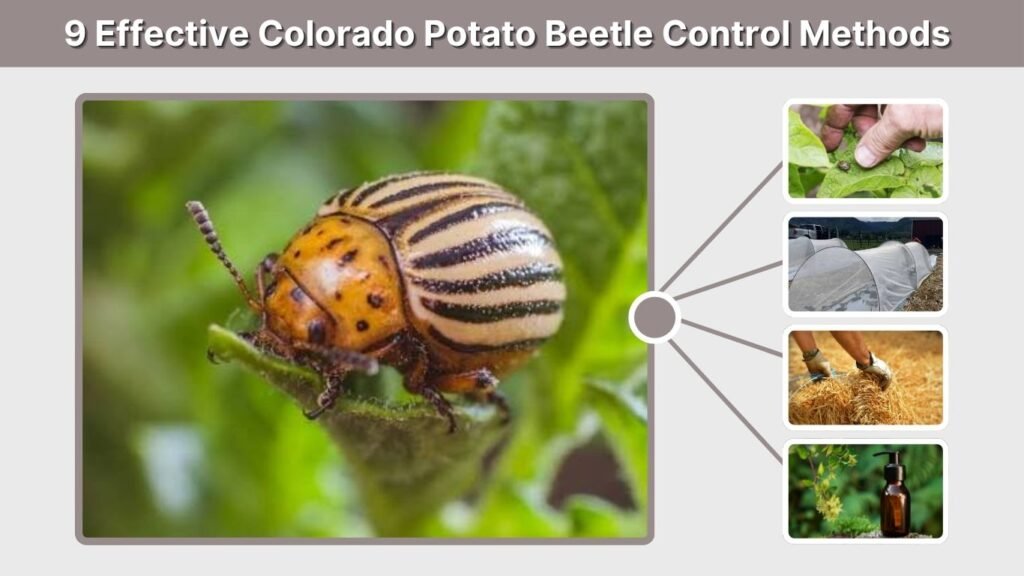
Effective Colorado potato beetle control requires a combination of methods rather than relying on one treatment. Physical removal works well in small gardens, while biological treatments and carefully selected insecticides may be needed for larger infestations. The following nine methods provide practical options for controlling beetles while reducing damage to potato plants.
1. Handpick Colorado Potato Beetles
Handpicking is one of the easiest natural methods for controlling Colorado potato beetles in home gardens.
Inspect potato plants regularly, paying particular attention to leaf undersides and new growth.
Collect adult beetles and larvae by hand and drop them into a container filled with soapy water.
This approach works best when beetle numbers are relatively low and plants can be inspected frequently.
Removing adults early in the season also reduces egg-laying and limits future larval populations.
2. Remove Colorado Potato Beetle Eggs
Colorado potato beetles lay clusters of bright yellow-orange eggs, usually underneath potato leaves.
Removing these eggs before they hatch prevents new larvae from damaging foliage.
Carefully inspect leaves every few days during periods of adult beetle activity.
Crush egg clusters or remove affected leaf portions without unnecessarily damaging the plant.
Female beetles can lay hundreds of eggs, making this method particularly valuable during early infestations.
Regular egg removal is most effective when combined with handpicking adult beetles.
3. Use Floating Row Covers
Floating row covers provide a physical barrier that prevents adult Colorado potato beetles from reaching potato plants.
These lightweight garden fabrics allow sunlight, air, and water to pass through while excluding insects.
Install row covers before beetles appear and secure their edges to prevent entry.
However, row covers are most effective when potatoes are grown in a location that did not contain potatoes or related host plants the previous year.
Beetles overwintering in the soil beneath the covers may otherwise emerge inside the protected area.
4. Practice Crop Rotation
Crop rotation is an important cultural method for reducing Colorado potato beetle populations.
Adult beetles frequently overwinter in the soil near previous potato plantings. Moving potato crops to another location makes it harder for emerging beetles to locate suitable food sources.
For commercial fields, separating new potato plantings by at least a quarter mile from previous fields can substantially reduce early infestations.
Home gardeners should rotate potatoes as far as practical and avoid repeatedly planting potatoes or eggplants in the same beds.
5. Apply Straw Mulch
Straw mulch can help reduce Colorado potato beetle activity while improving soil conditions around potato plants.
A thick layer of clean straw creates a more complex ground-level environment that may interfere with beetle movement and encourage certain beneficial arthropods.
Research from Minnesota has shown that straw mulch can reduce beetle numbers under some growing conditions.
Apply mulch after appropriate early weed management and keep plants monitored.
Straw mulch is a supporting control method rather than a complete solution for severe infestations.
6. Encourage Natural Predators
Biological control of Colorado potato beetles involves encouraging organisms that consume beetle eggs, larvae, or other developmental stages.
Several beneficial insects contribute to natural population suppression.
Important predators include:
- Spined Soldier Bugs: Predatory stink bugs that attack Colorado potato beetle larvae.
- Lady Beetles: Certain species consume beetle eggs and young larvae.
- Ground Beetles: Some species prey on Colorado potato beetle stages.
- Lebia grandis: A specialized ground beetle whose larvae parasitize Colorado potato beetle pupae.
Avoid unnecessary broad-spectrum insecticide applications that could destroy beneficial insects.
Natural enemies generally provide partial suppression rather than complete control.
7. Use Bacillus thuringiensis (Bt)
Certain biological insecticides containing Bacillus thuringiensis subsp. tenebrionis (Btt) can control young Colorado potato beetle larvae.
This bacterium produces insecticidal proteins that affect susceptible beetle larvae after they consume treated foliage.
Btt works best against first- and second-instar larvae before they become large.
Thorough leaf coverage is important because the treatment must be ingested.
Not all Bt products control Colorado potato beetles, and suitable formulations may not be available everywhere.
Choose a product specifically registered and labeled for Colorado potato beetle control.
8. Apply Neem-Based Products or Spinosad
Neem-derived products and spinosad are important options for organic Colorado potato beetle control.
Products containing azadirachtin, a compound derived from neem, can interfere with insect feeding and development. They generally work best against small larvae.
Spinosad, a fermentation-derived insecticide, can provide stronger control of susceptible larvae.
Some formulations are approved for certified organic production, but approval depends on the specific product.
Apply only according to label directions, protect pollinators, and avoid unnecessary repeated treatments.
Colorado potato beetle populations can develop resistance to spinosad, making insecticide rotation important.
9. Use Registered Chemical Insecticides
Chemical control may be necessary when Colorado potato beetle populations become too large for physical or biological methods alone.
Depending on local registration and resistance patterns, options may include products containing chlorantraniliprole, cyantraniliprole, or other approved active ingredients.
Several populations have developed resistance to commonly used insecticides, including some pyrethroids and neonicotinoids.
Choose products based on current local recommendations and rotate insecticide modes of action between generations.
Always follow label requirements, including application rates, protective equipment, pollinator precautions, and preharvest intervals.
How to Control Colorado Potato Beetle Larvae
Colorado potato beetle larvae often cause greater feeding damage than adults, making larval control especially important.
The most effective treatment period generally occurs shortly after eggs hatch, when larvae are small and easier to manage.
Young larvae frequently remain grouped near the original egg mass, allowing gardeners to remove them before they spread.
Older larvae consume substantially more foliage and may require stronger management measures.
Monitor plants regularly and target treatments during the early larval stages rather than waiting until extensive defoliation occurs.
How to Prevent Colorado Potato Beetle Infestations
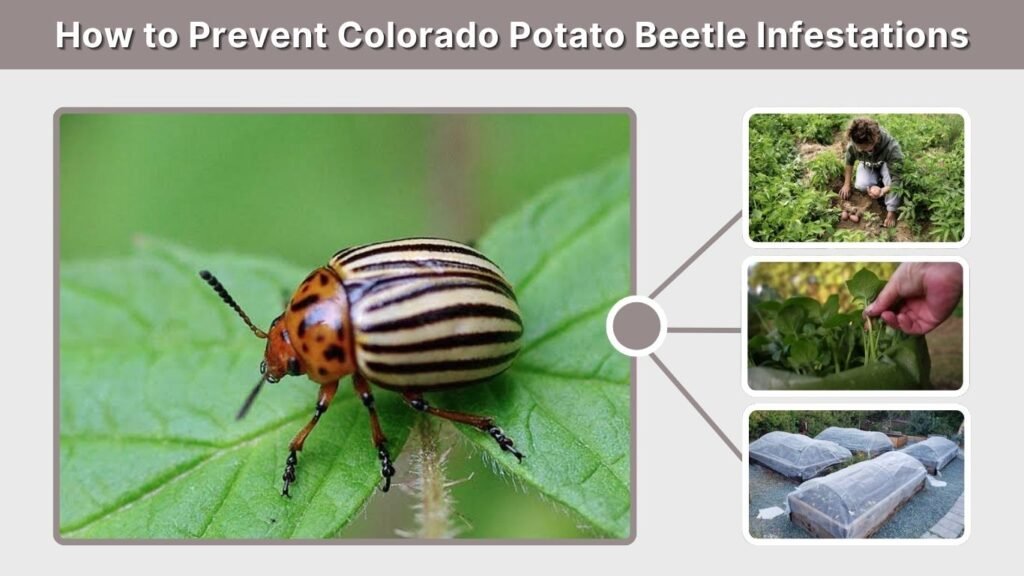
Preventing Colorado potato beetles requires planning before the growing season begins.
Adults overwinter underground and emerge when temperatures become favorable, often around the time potato plants begin growing.
Regular monitoring and appropriate crop management can substantially reduce the risk of serious outbreaks.
Colorado Potato Beetle Prevention Tips
- Rotate potato crops away from previous growing locations.
- Inspect young potato plants for adults and egg clusters.
- Remove nearby weeds belonging to the nightshade family.
- Use properly installed row covers before beetles arrive.
- Consider early-maturing potato varieties where suitable.
- Encourage beneficial insects through responsible pest management.
Combining prevention with early detection generally provides better results than attempting to control large populations after significant damage has occurred.
When Should You Spray for Colorado Potato Beetles?
The best time to apply many Colorado potato beetle insecticides is when eggs begin hatching and young larvae appear.
Early-stage larvae are usually more susceptible to treatments than larger larvae or adult beetles.
According to university extension recommendations, some foliar insecticides are most effective when approximately 15–30% of egg masses have hatched.
However, the appropriate timing varies by product and local pest conditions.
Avoid spraying unnecessarily, particularly when beneficial insects or pollinators are active.
Continue monitoring after treatment to determine whether additional control is needed.
FAQs
1. What Is the Best Way to Control Colorado Potato Beetles?
The best approach combines handpicking, egg removal, crop rotation, and regular monitoring. For larger infestations, properly timed biological or registered chemical treatments may be necessary.
2. Does Neem Oil Control Colorado Potato Beetles?
Some neem-based products can suppress Colorado potato beetle larvae, particularly when they are young. Effectiveness varies by formulation, and treatments must follow product-label instructions.
3. Does Diatomaceous Earth Kill Colorado Potato Beetles?
Diatomaceous earth has shown limited effectiveness against Colorado potato beetles in some laboratory testing. It is not generally considered a reliable primary control method, especially under outdoor conditions.
4. Is Spinosad Effective Against Colorado Potato Beetles?
Yes. Spinosad can control susceptible Colorado potato beetle larvae, especially when applied during early development. However, resistance has developed in some populations.
5. How Can You Control Colorado Potato Beetles Organically?
Organic control options include handpicking, removing eggs, crop rotation, row covers, encouraging natural predators, and using appropriately approved Bt, azadirachtin, or spinosad products.