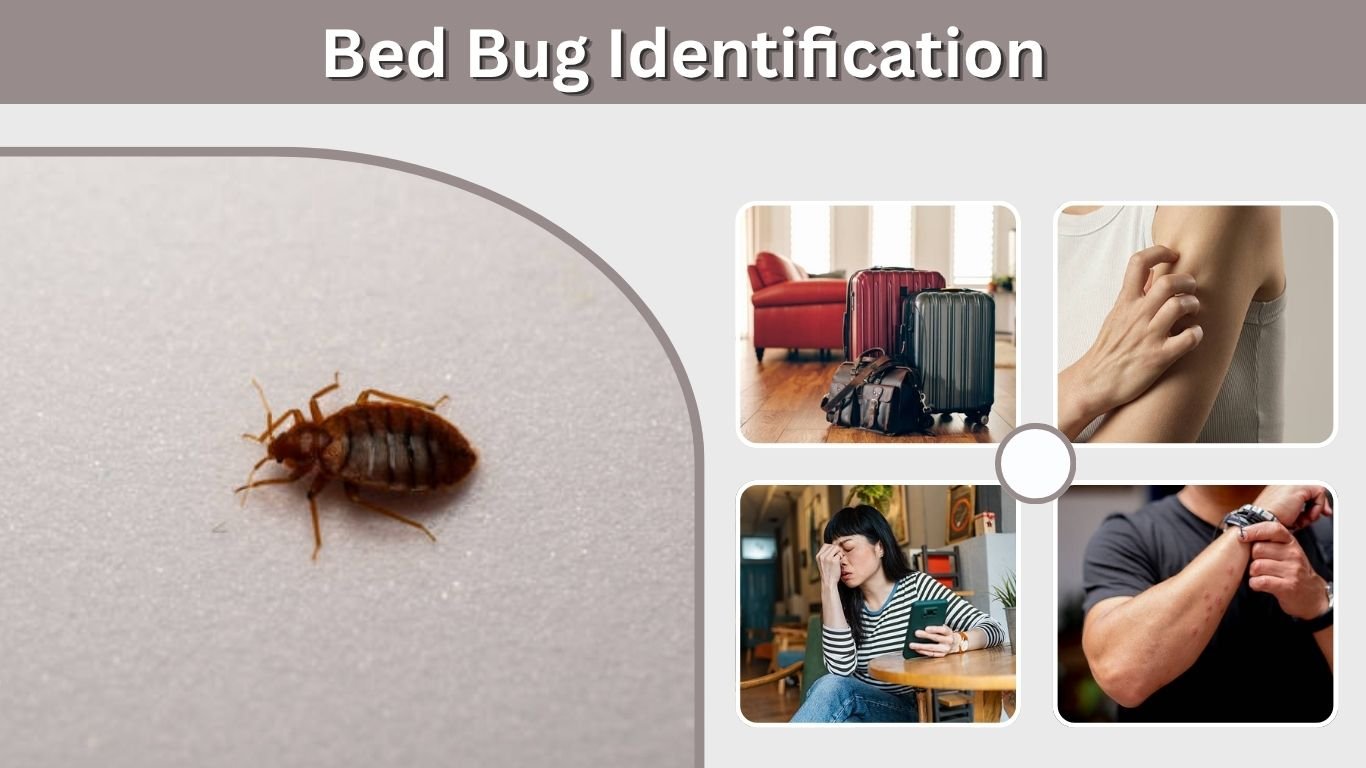
Bed bug identification can be difficult because these tiny insects hide well and resemble several common household pests. Adults, nymphs, eggs, shed skins, droppings, and bite reactions can all provide clues, but no single sign—especially bites—can confirm an infestation. Learning what bed bugs look like, where they hide, and how they differ from carpet beetles, fleas, cockroach nymphs, and bat bugs can help you respond correctly. This guide explains the key identification characteristics, infestation signs, prevention methods, and treatment options.
What Do Bed Bugs Look Like?
Bed bugs are small, wingless insects with flattened, oval bodies. Their appearance changes with age and after feeding, which is one reason identification can be confusing. Adults are easier to recognize, while newly hatched nymphs can be extremely pale and difficult to see. Looking at size, shape, color, legs, and surrounding evidence provides the most reliable visual clues.
Adult Bed Bug Identification
Adult bed bugs are generally reddish-brown, oval, flattened from top to bottom, and approximately 5–9 mm long. They have six legs and no functional wings. After feeding, the abdomen expands and the insect becomes darker, redder, and more elongated. Bed bugs cannot fly or jump, although they can crawl quickly across surfaces.
Key identification characteristics include:
- Flat, broadly oval body before feeding
- Reddish-brown coloration
- About the size of a small apple seed or lentil
- Six legs and visible antennae
- No jumping or flying ability
- More swollen and reddish after a blood meal
Bed Bug Nymph Identification
Young bed bugs, called nymphs, have nearly the same general body shape as adults but are considerably smaller and lighter. Newly hatched nymphs may measure around 1.6 mm and appear almost colorless. After feeding, blood inside their abdomen can make them noticeably reddish. Bed bugs pass through five nymphal stages before adulthood.
Bed Bug Egg Identification
Bed bug eggs are tiny, white to pearly-white, oval structures that are usually attached to sheltered surfaces. Eggs may be found inside cracks, mattress seams, furniture joints, and other protected hiding places. Their small size makes a flashlight and magnification useful during inspection.
Signs of a Bed Bug Infestation
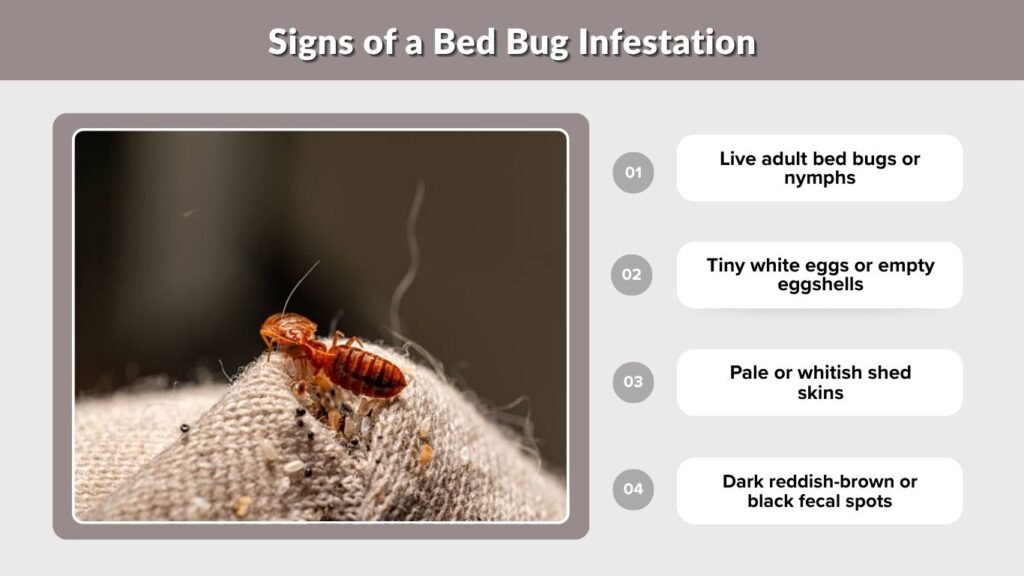
Finding an actual insect is the strongest evidence of bed bugs, but several other signs may reveal an infestation before many live bugs are visible. Bed bugs usually stay near places where people sleep or remain still for extended periods. Careful inspection around mattresses, box springs, headboards, sofas, and nearby cracks is therefore especially important.
Common Bed Bug Identification Signs
Look for a combination of the following:
- Live adult bed bugs or nymphs
- Tiny white eggs or empty eggshells
- Pale or whitish shed skins
- Dark reddish-brown or black fecal spots
- Rust-colored blood stains on bedding
- Bugs hidden along mattress seams or furniture joints
- A noticeable sweet or musty odor in heavier infestations
Dark spots may occur on mattresses, sheets, bed frames, walls, and nearby furniture. Shed skins are hollow exoskeletons left behind as immature bugs grow.
Where to Check for Bed Bugs
Begin with mattress seams, piping, labels, box springs, bed frames, and headboards. Then inspect bedside furniture, sofas, baseboards, carpet edges, cracks, picture frames, loose wallpaper, and nearby wall openings. Bed bugs have very flat bodies and can fit into narrow spaces that are easily overlooked.
Bed Bug Bite Identification
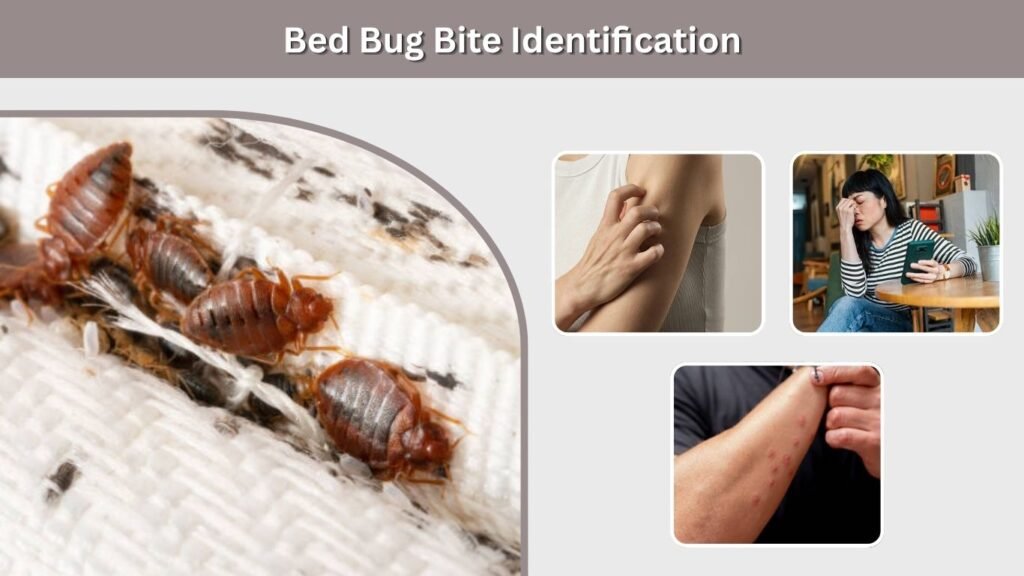
Bed bug bites often create concern, but skin reactions alone cannot reliably identify a bed bug infestation. Reactions vary significantly between individuals, and some people develop no visible marks at all. Other insects and skin conditions can produce very similar redness and itching, so physical evidence of the insects should always be considered alongside bite symptoms.
What Do Bed Bug Bites Look Like?
Possible features include:
- Small, red or slightly swollen marks
- Itching or irritation
- Several bites located close together
- Bites appearing randomly or in a line
- Marks on exposed skin such as arms, hands, neck, face, or legs
- Reactions appearing hours or even days after exposure
Although rows or clusters are commonly associated with bed bugs, this pattern is not diagnostic. Fleas, mosquitoes, and other causes can produce similar marks. Confirmation requires finding bed bugs or other physical infestation evidence.
When Bite Symptoms Need Attention
Most reactions can be managed with basic hygiene and by avoiding scratching. Excessive scratching can contribute to secondary skin infections. More extensive allergic reactions may require medical attention; severe allergic symptoms should be evaluated promptly by a healthcare professional.
Bed Bug vs. Common Look-Alikes
Several small insects found indoors are regularly mistaken for bed bugs. Examining body shape, hairs, markings, location, and behavior can help narrow down the identification. Because treatment methods differ by pest, identifying the insect correctly before applying pesticides or beginning extensive control measures is important.
Bed Bug vs. Carpet Beetle
Carpet beetle adults often have hard, rounded bodies and may display mottled white, brown, yellow, or orange patterns. Their larvae are especially distinctive because they are elongated and densely covered with hairs or bristles. Bed bug nymphs, in contrast, are flat, smooth-bodied, and resemble miniature adult bed bugs.
Bed Bug vs. Bat Bug
Bat bugs can look almost identical to bed bugs. One important distinction is the longer hairs around the head region of bat bugs. They are also more strongly associated with buildings where bats are roosting. Because the physical differences can be extremely subtle, expert identification may be necessary.
Bed Bug vs. Cockroach Nymph
Young cockroaches can sometimes cause identification confusion, but they typically have proportionally longer antennae and a different body shape. Cockroaches also have strong, often spiny legs. Bed bugs have broader, flatter bodies and are commonly concentrated near sleeping or resting areas.
Bed Bug Prevention and Treatment
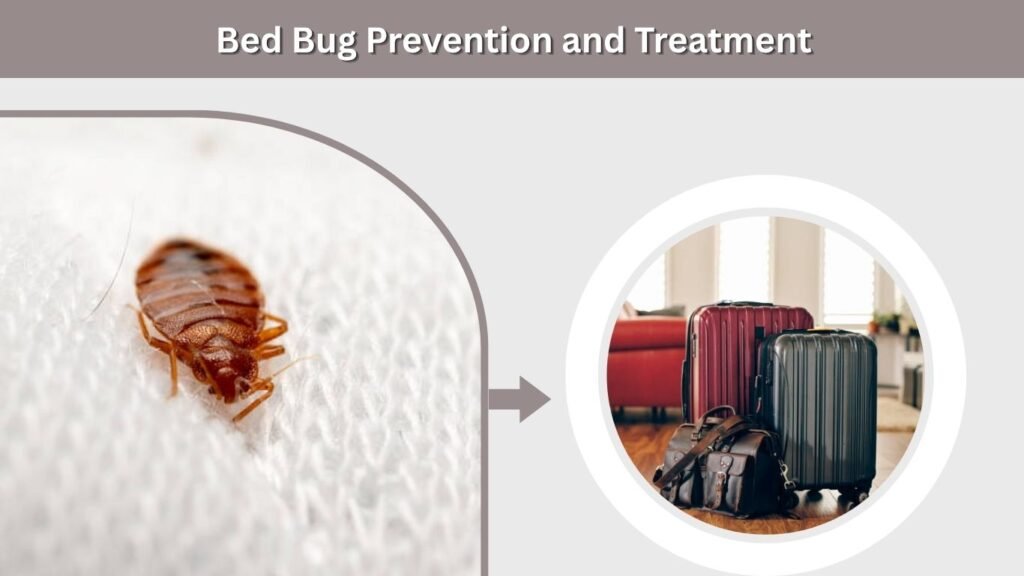
Correct identification should come before treatment. Bed bugs are excellent hitchhikers and may travel inside luggage, clothing, bedding, boxes, and furniture. Regular inspections—particularly after traveling or bringing used furniture indoors—can help detect an infestation while it is still limited.
How to Prevent Bed Bugs
Useful precautions include inspecting hotel beds and luggage areas, examining secondhand furniture carefully, reducing clutter around sleeping areas, and checking luggage after travel. Mattress and box-spring encasements and interceptor devices can also make monitoring easier.
Avoid assuming that cleanliness alone prevents bed bugs. They can occur in many environments because access to hosts and opportunities for transportation are more important than how clean a building appears.
What to Do After Identification
If you capture a suspicious insect, keep it securely in a sealed clear container or bag so that it can be identified. For an established infestation, professional pest management is often appropriate because successful bed bug control can require thorough inspection and coordinated treatment rather than a single spray application.
FAQs
Bed bugs are frequently confused with other pests because their size, appearance, and bite reactions can vary. These common questions cover some of the most important identification details to remember when inspecting your home.
1. What is the easiest way to identify a bed bug?
Look for a small, flattened, oval, reddish-brown insect with six legs. Finding live bugs together with fecal spots, shed skins, or eggs provides much stronger evidence than bite marks alone.
2. Can you identify bed bugs from bites alone?
No. Bed bug bites can resemble mosquito, flea, or other insect bites, and some people show no reaction. Finding an adult or nymph is the best way to confirm their presence.
3. What do baby bed bugs look like?
Baby bed bugs, or nymphs, resemble smaller versions of adults. Newly hatched individuals are extremely small and nearly colorless but can become reddish after feeding.
4. What do bed bug shells look like?
Shed bed bug skins are pale, translucent versions of the insect’s body. They may accumulate around mattress seams, box springs, furniture joints, or other hiding areas.
5. Are carpet beetle larvae the same as bed bug nymphs?
No. Carpet beetle larvae are usually brownish and covered with noticeable hairs or bristles, whereas bed bug nymphs are flatter, smoother, and shaped much like miniature adult bed bugs.