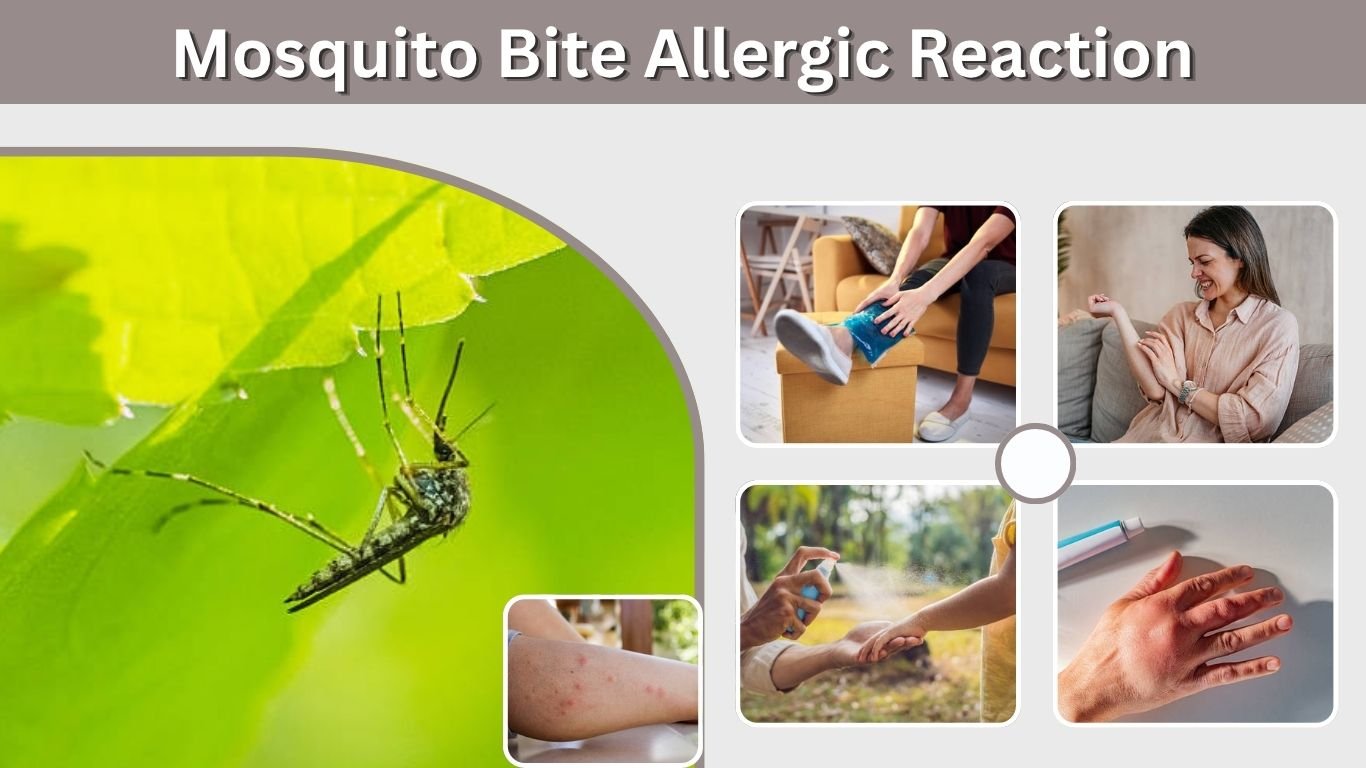
A mosquito bite allergic reaction can cause much more swelling, redness, and itching than an ordinary mosquito bite. Some people develop a large local reaction known as Skeeter syndrome, while severe whole-body allergic reactions are very rare. Children may be particularly prone to pronounced swelling. Knowing what an allergic reaction to a mosquito bite looks like can help you distinguish it from a normal bite or possible skin infection. This guide explains symptoms, swelling, blisters, facial reactions, treatment, and signs that require medical attention.
What Causes an Allergic Reaction to a Mosquito Bite?
When a female mosquito feeds, it injects saliva into the skin. The immune system reacts to proteins in that saliva, producing the familiar itching and bump. Most people experience only a mild local reaction, while others develop much larger areas of redness, soreness, and swelling.
Is a Mosquito Bite an Allergic Reaction?
A normal mosquito bite involves an immune response to mosquito saliva, but doctors generally reserve terms such as mosquito allergy or Skeeter syndrome for unusually large or intense reactions.
A typical bite might produce a small itchy bump. A stronger reaction can involve swelling extending well beyond the original bite.
What Is Skeeter Syndrome?
Skeeter syndrome is a large local inflammatory reaction to proteins in mosquito saliva. Symptoms commonly include substantial swelling, redness or other skin-color changes, warmth, itching, pain, and sometimes a firm lump. Symptoms may begin roughly 8–10 hours after a bite and can last about 3–10 days.
Children are more likely than adults to experience pronounced mosquito-bite reactions.
What Does a Mosquito Bite Allergic Reaction Look Like?
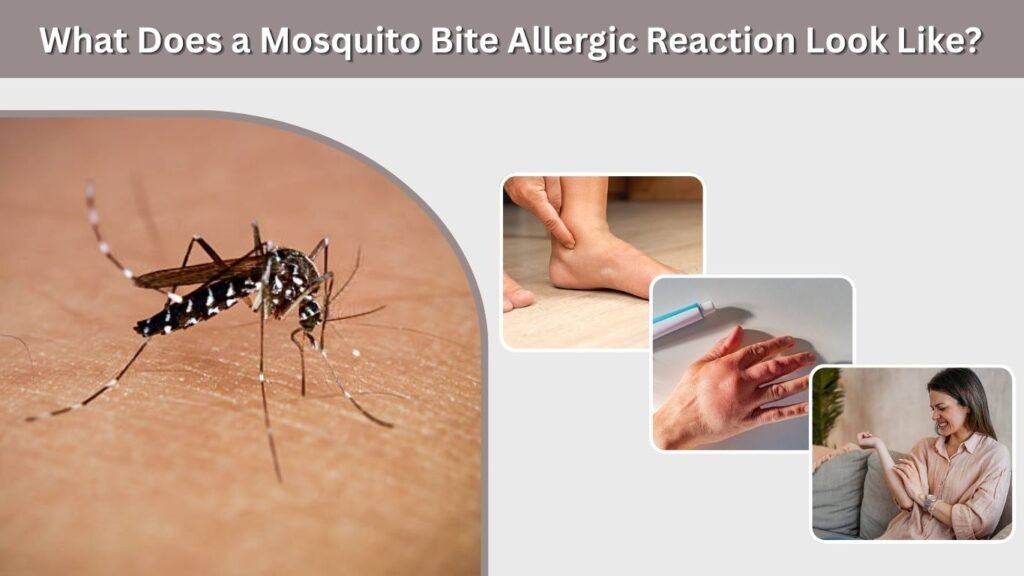
The appearance varies with the severity of the reaction and individual skin tone. Instead of a small isolated bump, an allergic or exaggerated local reaction may involve a noticeably larger area surrounding the bite.
Common Mosquito Bite Allergy Symptoms
Possible symptoms include:
- Large area of swelling
- Intense itching
- Redness or other skin-color change
- Warm skin around the bite
- Pain or tenderness
- Hard or firm swelling
- Hive-like rash
- Small blisters
- Swelling around the eyes
- Occasionally low-grade fever or swollen lymph nodes
CDC notes that mosquito bites can sometimes form small blisters or dark spots resembling bruises, while more severe reactions may cause extensive redness and swelling.
Regular Mosquito Bite vs Allergic Reaction
A regular mosquito bite is generally a relatively small, itchy bump that improves on its own within several days.
An exaggerated reaction is more likely to cause a much larger swollen area that may feel hot, firm, uncomfortable, or painful. The swelling can extend several centimeters beyond the bite itself.
Large swelling alone does not automatically mean anaphylaxis. Skeeter syndrome is usually a large local reaction limited primarily to the area surrounding the bite.
Mosquito Bite Allergic Reaction and Swelling
Swelling is one of the most common reasons people become concerned about mosquito bites. Some allergic reactions can look dramatic, particularly after bites on the face, eyelid, ear, lip, hand, or foot.
Allergic Reaction to a Mosquito Bite on the Face
Mosquito bites around the face may cause considerable localized swelling. Mayo Clinic lists swelling around the eyes among signs of a more severe mosquito-bite reaction.
Seek prompt medical evaluation if facial swelling is severe, continues worsening, affects the eye significantly, or is accompanied by fever or other concerning symptoms.
Emergency facial, tongue, mouth, or throat swelling—especially with breathing or swallowing difficulty—requires immediate emergency care.
Can an Allergic Mosquito Bite Cause Blisters?
Yes. Mosquito bites can occasionally produce small blisters rather than solid bumps.
Avoid intentionally breaking a blister. Scratching or damaging the skin can increase the chance of a secondary bacterial infection.
Allergic Reaction vs Infected Mosquito Bite
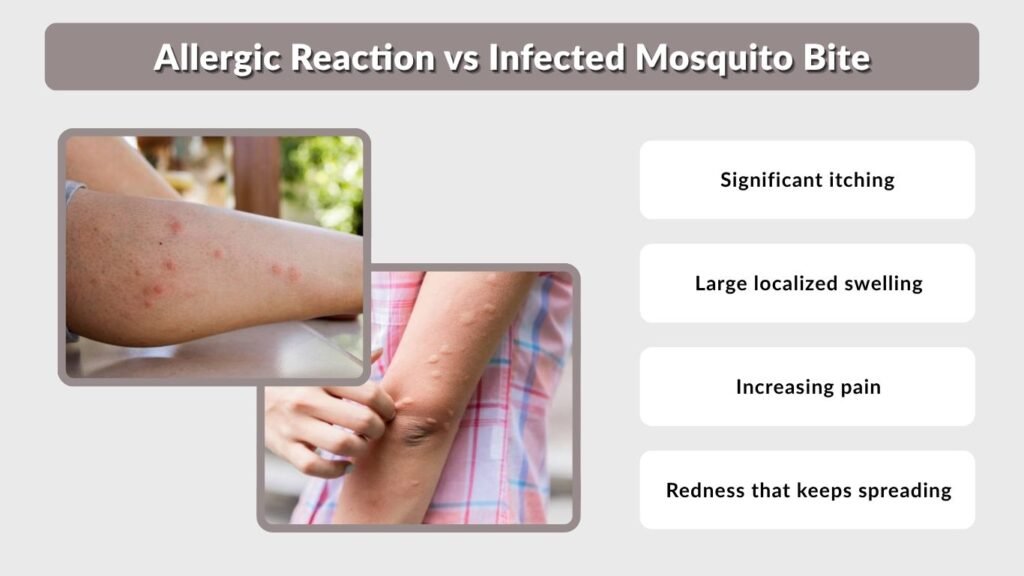
Skeeter syndrome can sometimes resemble cellulitis, a bacterial skin infection. The distinction matters because the conditions require different management.
Signs Suggesting an Allergic Reaction
An allergic local reaction may involve:
- Rapid development after a known mosquito bite
- Significant itching
- Large localized swelling
- Warmth and redness
- Firm or painful skin
- Improvement over several days
Skeeter syndrome typically develops within hours of a mosquito bite rather than appearing several days later.
Signs a Bite May Be Infected
Watch for:
- Redness that keeps spreading
- Increasing pain
- Pus or drainage
- Red streaks extending from the bite
- Increasing warmth
- Fever
- Worsening symptoms instead of gradual improvement
CDC advises getting medical attention when an apparently infected bite worsens. Scratching mosquito bites can damage the skin and make bacterial infection more likely.
How to Treat a Mosquito Bite Allergic Reaction
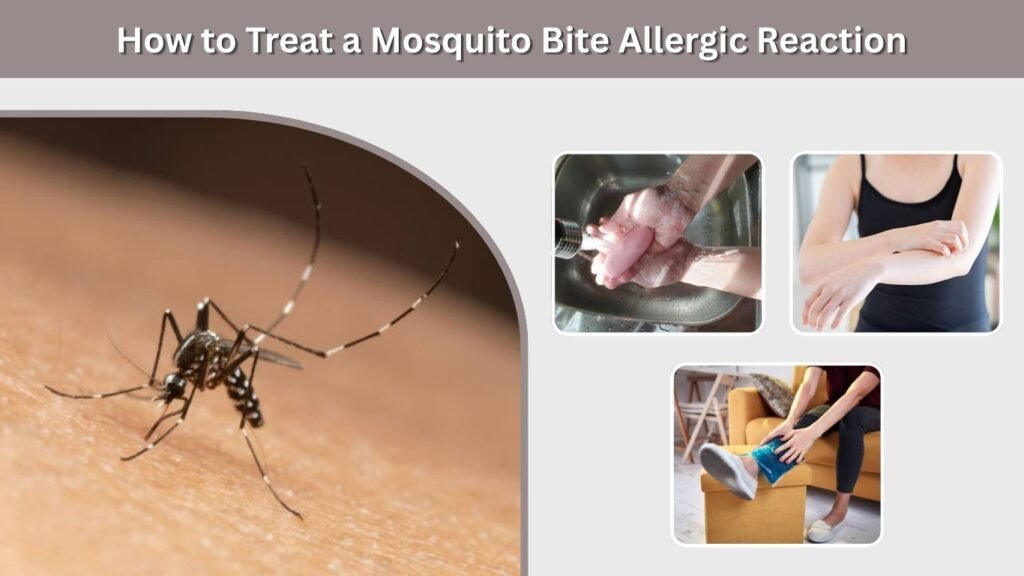
Most uncomplicated mosquito-bite reactions can be managed with basic home care. Treatment focuses on reducing inflammation, swelling, and itching while protecting the skin.
Home Treatment for Swelling and Itching
For mild reactions:
- Wash the bite and surrounding skin with soap and water.
- Apply a cold or ice pack wrapped in cloth for about 10 minutes.
- Avoid scratching the bite.
- Consider an appropriate over-the-counter anti-itch treatment.
- Follow medication labels carefully.
CDC recommends washing bites and using cold packs to reduce swelling and itching.
Treatment for Skeeter Syndrome
For significant allergic reactions, healthcare professionals may recommend oral antihistamines and topical hydrocortisone or another anti-itch medication. More severe cases may occasionally require prescription corticosteroids.
Children, pregnant people, or anyone taking other medications should check with an appropriate healthcare professional or pharmacist before using medicines when there is uncertainty about which product or dose is appropriate.
Allergic Mosquito Bites in Babies and Children
Children can develop particularly large mosquito-bite reactions because their immune systems may react strongly to mosquito saliva. This can make a bite on an arm, leg, forehead, or eyelid look surprisingly swollen.
When Parents Should Seek Medical Advice
Contact a healthcare professional if a child has:
- Very large or painful swelling
- Fever
- Increasing redness or warmth
- Signs of infection
- Repeated severe mosquito-bite reactions
- Symptoms that interfere with normal activity or sleep
Medication dosing for babies and young children should be based on professional advice or the product’s age-specific instructions rather than adult dosing.
When Is a Mosquito Bite Allergic Reaction an Emergency?
Anaphylaxis from mosquito bites has been reported but is very rare. Nevertheless, recognizing emergency symptoms is important.
Get Emergency Help for These Symptoms
Call your local emergency service immediately for:
- Difficulty breathing
- Difficulty swallowing
- Swelling of the tongue, mouth, or throat
- Widespread hives with other systemic symptoms
- Severe dizziness
- Fainting or marked weakness
These symptoms can indicate a severe systemic allergic reaction and should not be treated as an ordinary mosquito bite.
How to Prevent Future Mosquito Bite Reactions
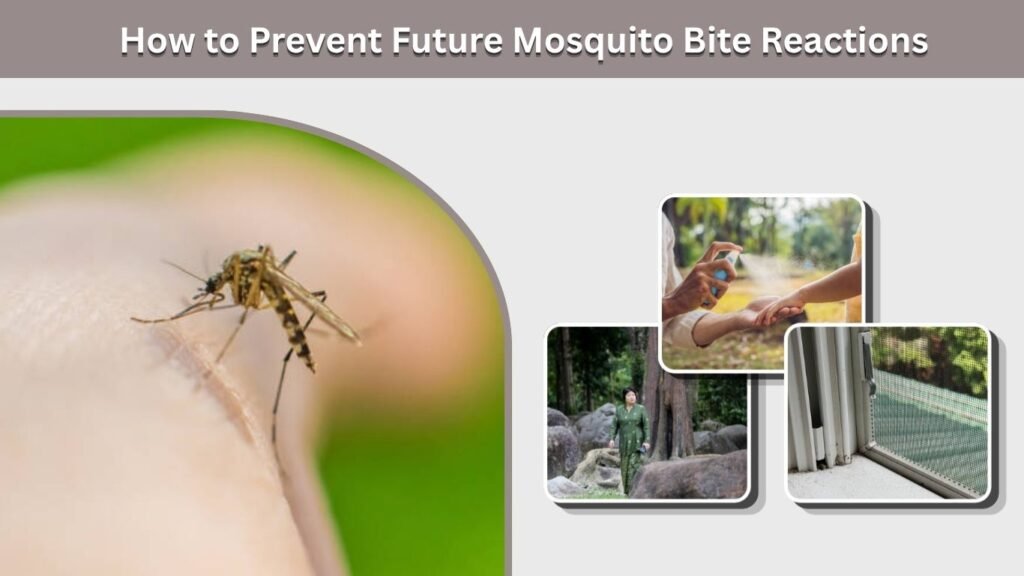
For someone who repeatedly experiences large reactions, preventing mosquito bites is especially valuable.
Mosquito Bite Prevention Tips
- Use an effective insect repellent according to its label.
- Wear loose-fitting long sleeves and pants when practical.
- Keep window and door screens intact.
- Remove standing water around the home.
- Use mosquito netting when necessary.
- Consider appropriately treated clothing and gear.
CDC recommends protective clothing, effective repellents, screens, and eliminating mosquito breeding sites around standing water.
FAQs
How long does a mosquito bite allergic reaction last?
A normal bite often resolves within a few days. Skeeter syndrome may last around 3–10 days, although the exact duration varies.
Why does my mosquito bite swell so much?
Your immune system may be reacting strongly to proteins in mosquito saliva. Large local swelling can be characteristic of Skeeter syndrome.
Can mosquito bite allergies cause bruising?
Mosquito bites can sometimes leave dark spots that look like bruises. If unexplained or extensive bruising occurs, however, medical evaluation is appropriate.
Can you suddenly become allergic to mosquito bites?
Reaction severity can change with exposure. CDC notes that adults exposed to mosquito species they haven’t encountered before may sometimes experience stronger reactions.
Should I worry about a very swollen mosquito bite?
Large swelling can occur with an exaggerated local reaction and isn’t necessarily an emergency. However, seek medical care if swelling is severe or worsening, infection is suspected, or fever develops. Breathing difficulty or swelling of the mouth, tongue, or throat requires emergency care.