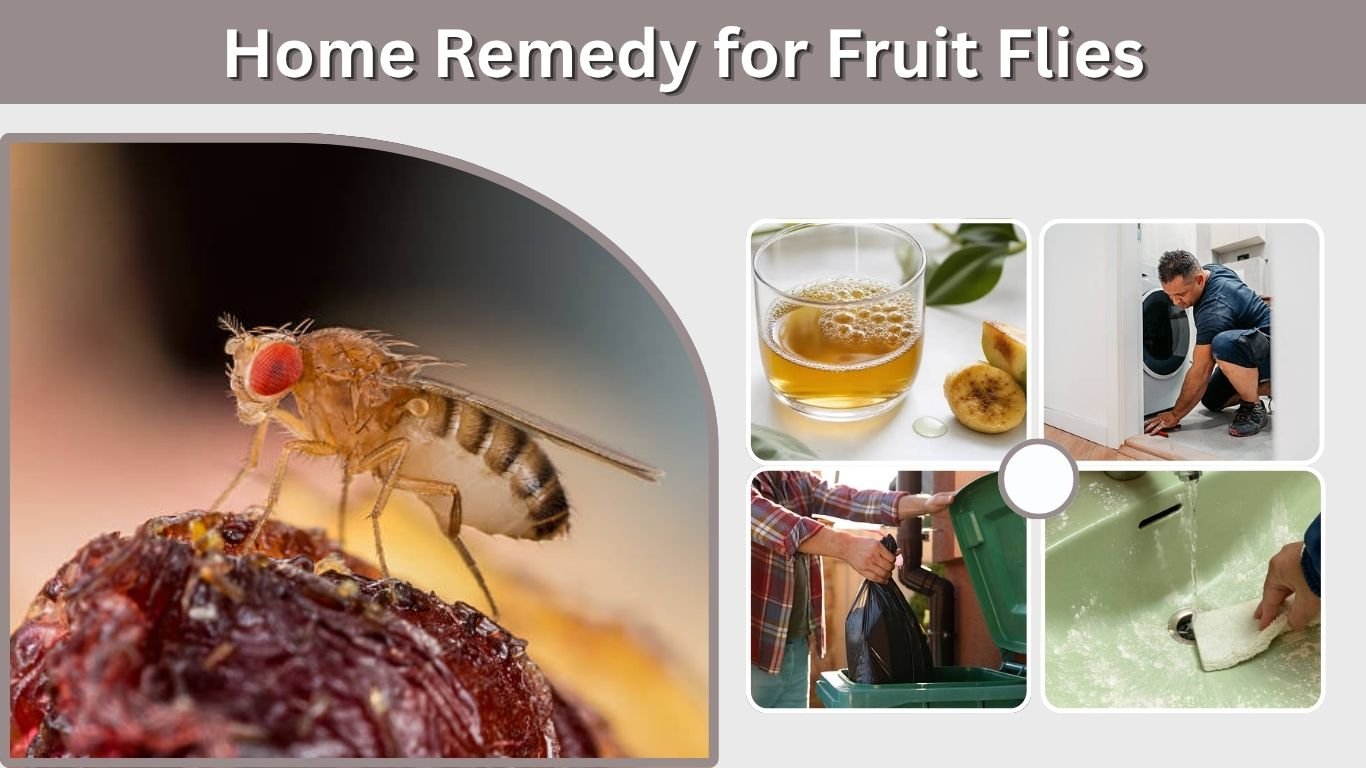
Fruit flies can quickly become a persistent problem in kitchens, pantries, and other areas where food is stored. These tiny flies are attracted to overripe produce, fermenting liquids, sugary spills, garbage, and organic residue inside drains. Homemade traps can capture adult flies, but lasting control requires finding and removing their breeding source. Fortunately, several simple household remedies can reduce an infestation without filling your home with strong insecticides. Here are the most effective home remedies for fruit flies, along with practical cleaning and prevention tips.
Why Are Fruit Flies in Your Home?
Fruit flies enter homes through open doors, windows, and damaged screens. They can also arrive on fruits and vegetables purchased from stores or markets.
Once indoors, females lay eggs on moist, fermenting material. The larvae feed on yeast and microorganisms found in decaying food. Because fruit flies reproduce quickly, a small number can develop into a noticeable infestation within a short period.
Common Fruit Fly Sources
Inspect the following areas when fruit flies appear:
- Overripe bananas and other fruit
- Rotten onions or potatoes
- Open wine, beer, juice, or soda
- Garbage and compost containers
- Dirty recycling bins
- Food residue inside drains
- Garbage disposals
- Wet mops and cleaning cloths
- Spills beneath refrigerators
- Forgotten food inside cabinets
Removing the source is more important than killing the adult flies you can see.
Best Home Remedy for Fruit Flies
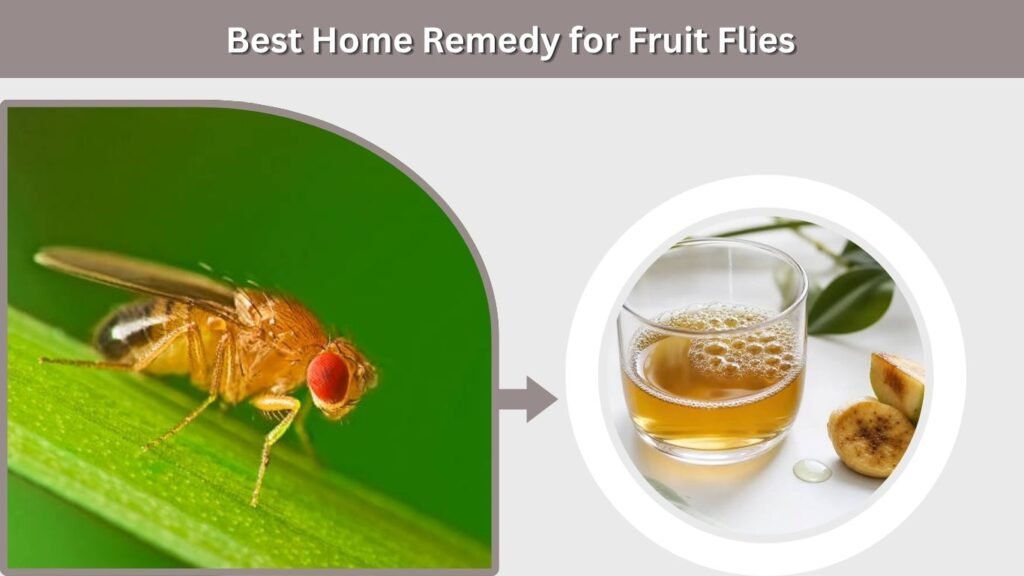
The best home remedy combines sanitation with a homemade trap. Traps reduce the adult population, while cleaning removes eggs, larvae, and food sources.
Apple cider vinegar is one of the most commonly used attractants because its fermented smell resembles overripe fruit. Adding dish soap turns it into a simple killing trap.
Apple Cider Vinegar and Dish Soap Trap
Pour approximately half an inch of apple cider vinegar into a small bowl or jar. Add one or two drops of liquid dish soap and stir gently.
Place the container near the fruit bowl, trash can, sink, or other area where the flies are active. The vinegar attracts them, while the soap reduces the liquid’s surface tension and causes landing flies to sink.
Replace the mixture every few days or whenever it becomes filled with insects or debris.
Homemade Fruit Fly Traps
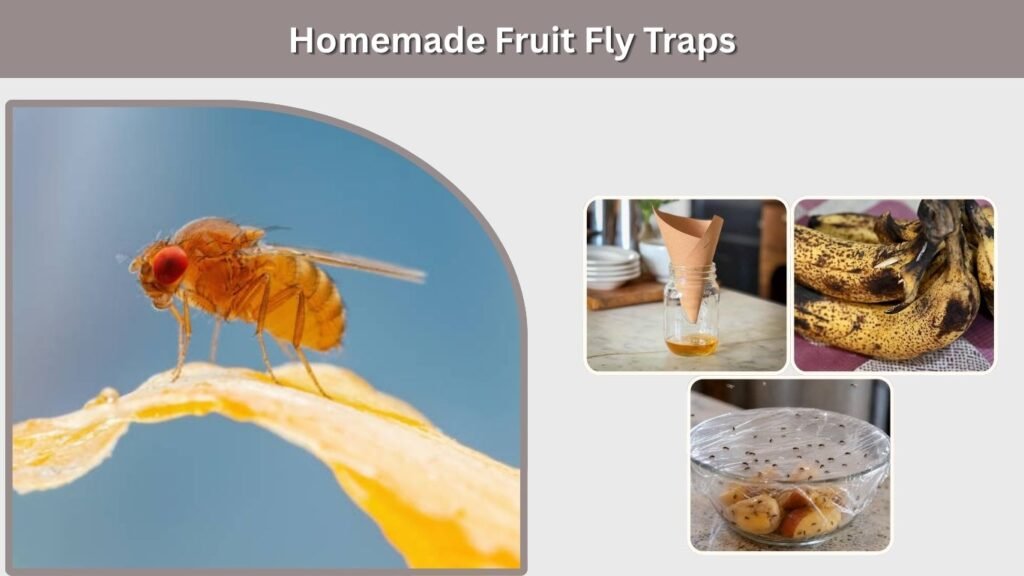
Different traps may work depending on the available ingredients and the size of the infestation. Place traps close to the suspected source rather than randomly throughout the house.
Plastic-Wrap Vinegar Trap
Pour apple cider vinegar into a glass and cover the opening tightly with plastic wrap. Make several small holes in the plastic using a toothpick.
Fruit flies follow the smell through the holes but may struggle to find their way back out. Adding a drop of dish soap makes the trap more effective.
Paper Funnel Trap
Place a small amount of vinegar, wine, beer, or overripe fruit inside a jar. Roll a piece of paper into a funnel and place the narrow end inside the container without allowing it to touch the bait.
The flies enter through the funnel but have difficulty escaping through the small opening.
Overripe Fruit Trap
Put a piece of overripe banana, peach, or melon inside a jar. Cover the opening with plastic wrap and make a few tiny holes.
This method attracts fruit flies effectively, but the bait should be discarded regularly. Leaving it too long may provide another place for the flies to lay eggs.
Wine or Beer Trap
Leave a small amount of wine or beer in the bottom of a bottle. The fermented aroma attracts fruit flies through the narrow opening.
You can add a drop of dish soap or transfer the liquid to a shallow container to improve its trapping ability.
Comparing Home Fruit Fly Traps
| Home remedy | Main attractant | Effectiveness |
| Apple cider vinegar and soap | Fermented fruit odor | High |
| Paper funnel trap | Vinegar, wine, or fruit | High |
| Plastic-wrap trap | Vinegar or ripe fruit | Moderate to high |
| Wine or beer trap | Fermented alcohol | Moderate |
| Sugar and yeast trap | Fermentation | Moderate |
| Plain white vinegar | Sharp acidic odor | Usually lower |
Apple cider vinegar generally works better than white vinegar because its smell is fruitier and more closely resembles fermenting produce.
Sugar and Yeast Fruit Fly Remedy
A sugar-and-yeast mixture can create a fermented odor that attracts fruit flies. Mix warm water with a small amount of sugar and active dry yeast inside a container.
Cover the container with plastic wrap and make tiny entry holes, or add a drop of dish soap to the liquid. The mixture should be replaced regularly because it can become unpleasant if left standing too long.
This remedy can catch adult flies, but it will not eliminate larvae developing elsewhere.
Can White Vinegar Get Rid of Fruit Flies?
White vinegar is useful for cleaning counters, garbage containers, and other surfaces, but it may not be the strongest trap bait. Its sharp smell is generally less attractive than apple cider vinegar, wine, or fermenting fruit.
Use white vinegar to wipe areas contaminated with juice, fruit residue, and sticky spills. Avoid mixing vinegar with bleach or other household chemicals, as this can produce dangerous fumes.
How to Get Rid of Fruit Flies in the Kitchen
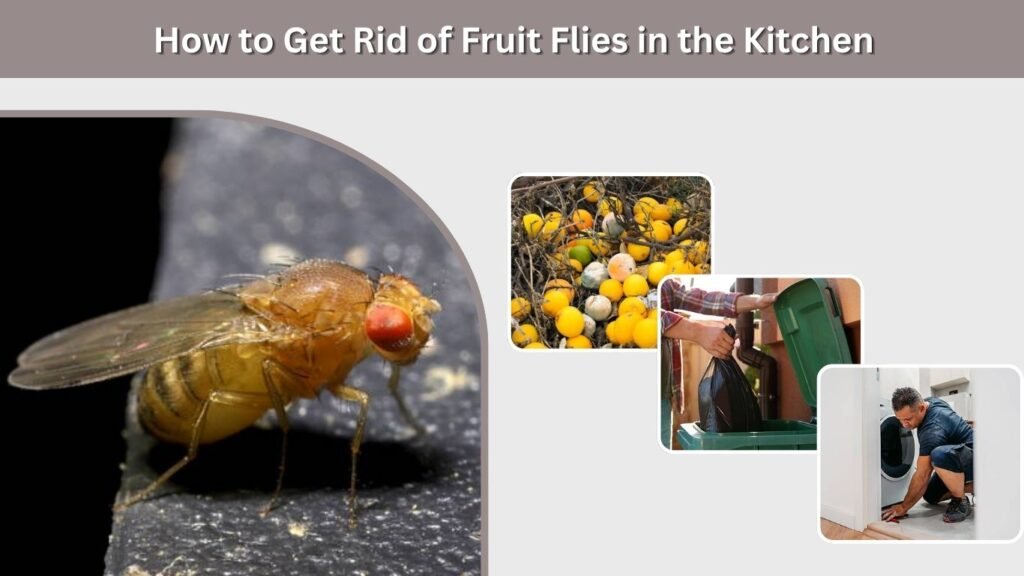
The kitchen is the most common location for fruit fly infestations because it contains food, moisture, and multiple hiding places.
Remove Ripe and Rotten Produce
Inspect all fruit and vegetables, including items stored inside cabinets. Discard anything rotten, leaking, moldy, or heavily damaged.
Refrigerate ripe produce or store it inside sealed containers until the infestation is gone.
Clean Garbage and Recycling Bins
Empty garbage frequently and wash the inside of the container. Rinse beverage cans and bottles before putting them into recycling.
A small amount of wine, juice, soda, or beer left inside a container can attract fruit flies.
Clean Under Appliances
Move small appliances and inspect underneath refrigerators, ovens, and cabinets. Fruit, juice, and food debris can collect in hidden spaces and support breeding.
Also check the refrigerator drip pan when the source remains difficult to find.
How to Remove Fruit Flies From Drains
Fruit flies may gather around drains containing fermenting food residue. However, drain flies and phorid flies can also develop in plumbing, so proper identification is important.
Scrub the Drain
Use a stiff drain brush to scrub the pipe opening and remove the organic film attached to its walls. Flushing the drain without scrubbing may leave breeding residue behind.
An enzyme-based drain cleaner can help break down organic material when used according to its label instructions.
Clean the Garbage Disposal
Turn off the power before cleaning the disposal. Remove accessible food debris and clean beneath the rubber splash guard, where residue often accumulates.
Do not pour boiling water into plumbing unless you know the pipes can safely tolerate it.
Fruit Flies vs. Gnats
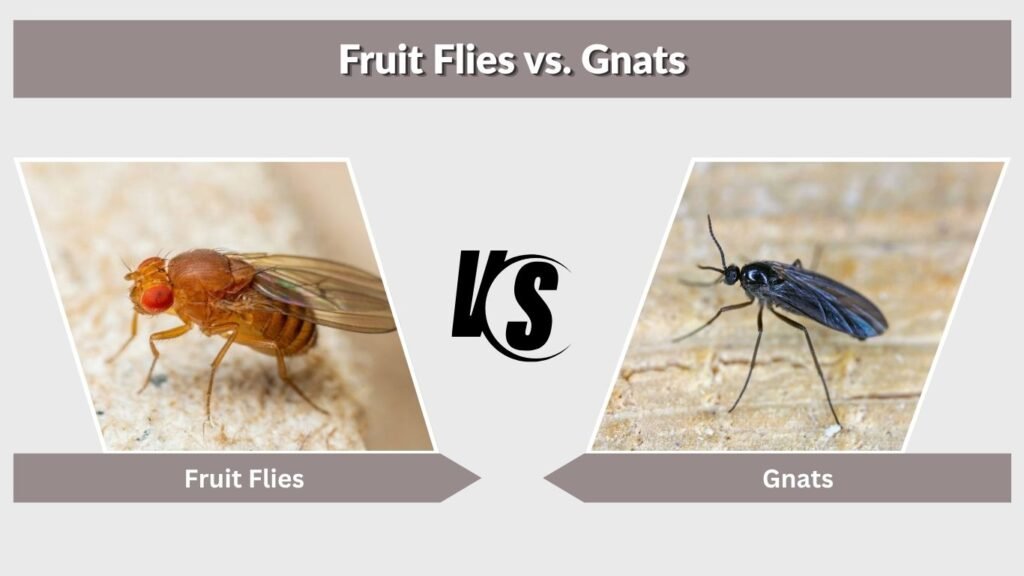
Fruit flies and fungus gnats require different remedies. Fruit flies are associated with fermenting food, while fungus gnats usually breed in damp plant soil.
| Feature | Fruit fly | Fungus gnat |
| Body | Rounded and tan or brown | Thin and dark |
| Eyes | Often red | Dark |
| Legs | Short | Long |
| Main location | Kitchen and garbage | Houseplants and windows |
| Breeding source | Fermenting food | Moist potting soil |
| Best trap | Vinegar trap | Yellow sticky trap |
If the insects are flying around houseplants rather than food, reduce watering and allow the upper layer of soil to dry.
Home Remedies for Fruit Flies and Gnats
When both insects are present, treat each breeding source separately.
For fruit flies:
- Remove spoiled produce.
- Clean drains and recycling bins.
- Use vinegar-and-soap traps.
- Refrigerate ripe fruit.
For fungus gnats:
- Allow plant soil to dry between waterings.
- Empty plant saucers.
- Remove dead leaves.
- Use yellow sticky cards near affected plants.
- Repot heavily infested plants when necessary.
One trap or remedy will not always control both pests effectively.
Remedies That May Not Work Well
Some popular remedies kill only a few visible adults and do not address the infestation.
Bleach in the Drain
Bleach may kill insects it contacts, but it does not always remove the organic film where larvae develop. Scrubbing and enzyme-based cleaning are generally more useful for removing buildup.
Never combine bleach with vinegar, ammonia, or other cleaners.
Essential Oils
Certain strong scents may repel some adult flies temporarily. However, essential oils rarely eliminate eggs, larvae, or hidden breeding sources.
They may supplement cleaning but should not replace it.
Bug Sprays
Aerosol insecticides may kill exposed adults, but they are usually unnecessary for a minor kitchen infestation. They may also be unsuitable near food preparation areas.
Removing food and breeding material provides better long-term control.
How Long Does It Take to Eliminate Fruit Flies?
A small infestation may noticeably decline within several days after all breeding sources are removed. However, adults can continue emerging from existing eggs, larvae, and pupae.
Continue cleaning and trapping for at least one to two weeks. If fruit flies remain after that period, inspect for hidden produce, drain residue, garbage buildup, or moisture beneath appliances.
How to Prevent Fruit Flies
Preventing fruit flies is easier than controlling a large infestation.
- Store ripe produce in the refrigerator.
- Discard damaged fruit promptly.
- Clean sugary and alcoholic spills immediately.
- Rinse recycling containers.
- Empty garbage and compost regularly.
- Keep drain openings clean.
- Wash fruit bowls and storage baskets.
- Check onions and potatoes stored in cabinets.
- Keep counters dry and free of food debris.
- Repair damaged window and door screens.
FAQs
What is the fastest home remedy for fruit flies?
An apple cider vinegar and dish soap trap can quickly capture adult fruit flies. However, the fastest complete solution also requires discarding spoiled food, cleaning drains, washing garbage containers, and removing all fermenting residue.
Can regular vinegar catch fruit flies?
Regular white vinegar may catch some fruit flies, but it is usually less attractive than apple cider vinegar. Adding dish soap can improve it, although wine, beer, or cider vinegar often produces better results.
How do I kill fruit flies without vinegar?
Use a small amount of wine, beer, fruit juice, or overripe fruit inside a covered jar. Create small entry holes or use a paper funnel to prevent the flies from escaping easily.
Why are fruit flies still present after cleaning?
A hidden breeding source may remain. Check drains, recycling containers, garbage disposals, stored vegetables, refrigerator drip pans, wet cleaning tools, and spills beneath appliances.
Will homemade traps eliminate an infestation?
Homemade traps reduce adult fruit flies but cannot remove eggs or larvae by themselves. Complete control requires eliminating every source of fermenting food and cleaning areas where the insects may be breeding.