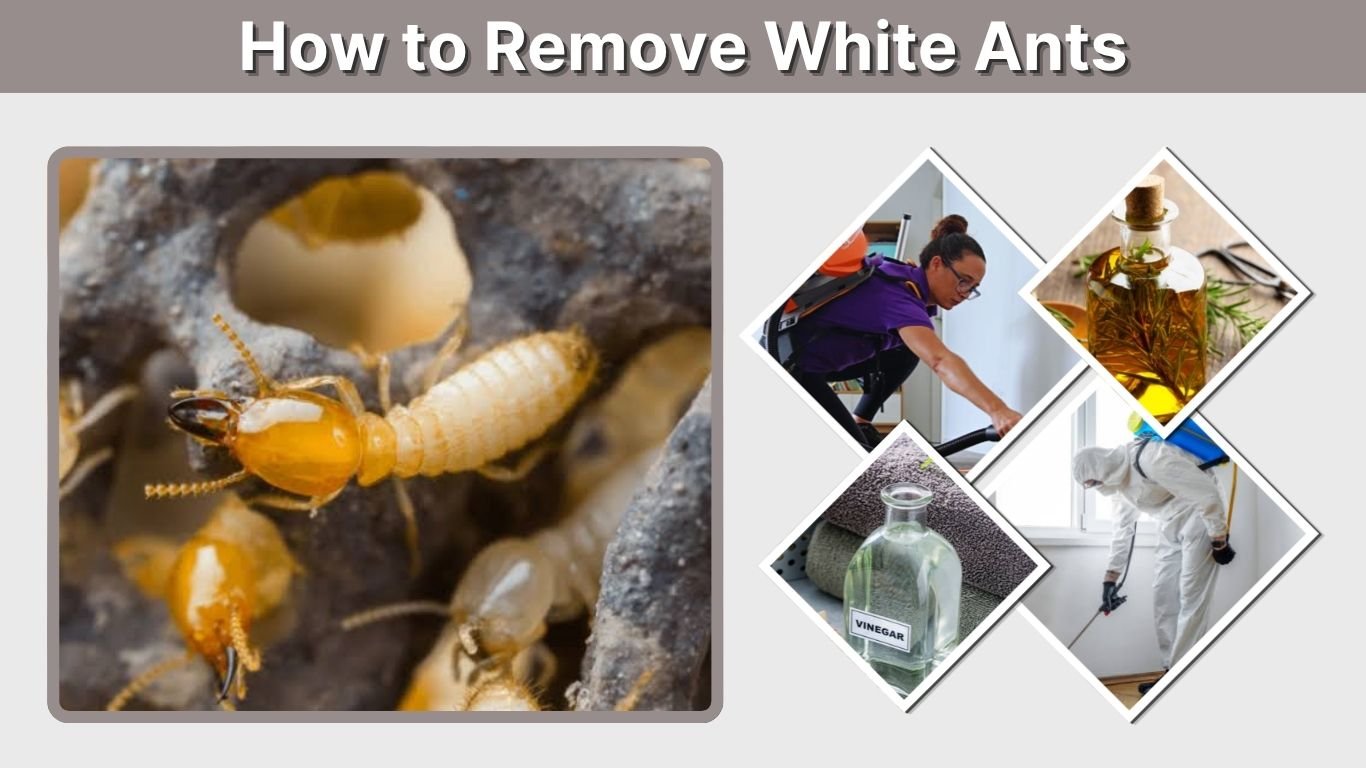
White ants, commonly called termites, can remain hidden inside walls, floors, furniture, and structural wood for months or years. Removing the insects you can see will not solve the problem because most of the colony may be underground or deep inside timber. Successful control begins with correct identification, followed by treatment suited to the termite species and infestation location. This guide explains how to remove white ants from your home, treat infested furniture, avoid ineffective remedies, and prevent termites from returning.
Confirm That You Have White Ants
Before choosing a treatment, confirm that the insects are termites rather than pale ants or another wood-damaging pest. Termites require different control methods, and treating the wrong insect wastes time while damage continues.
Common Signs of White Ants
Look for the following warning signs:
- Mud tubes on walls or foundations
- Hollow-sounding wooden surfaces
- Soft, blistered, or cracked wood
- Flying termites appearing indoors
- Piles of discarded wings
- Small termite droppings beneath wood
- Sticking doors and windows
- Bubbling or peeling paint
- Live cream-colored workers inside timber
Indoor swarms, mud tubes, and continuing wood damage justify a professional inspection because the main infestation may be hidden.
White Ants vs Regular Ants
| Feature | White ants or termites | Regular ants |
| Waist | Broad and straight | Narrow and pinched |
| Antennae | Straight and bead-like | Bent or elbowed |
| Worker color | Cream or pale | Usually brown, red, or black |
| Wings | Equal in length | Front wings longer |
| Food | Cellulose and wood | Varies by species |
What to Do Immediately After Finding White Ants
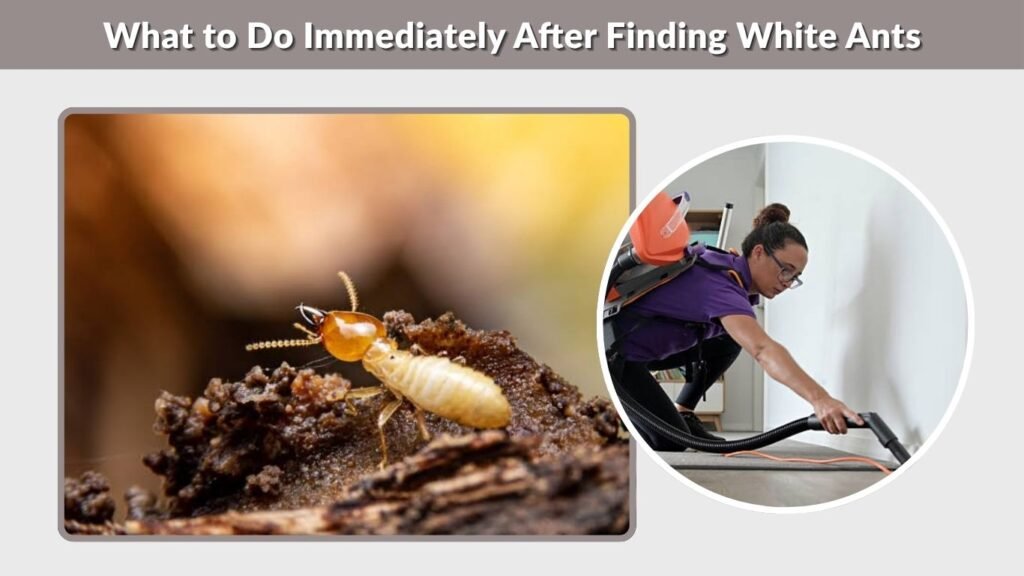
Do not begin by spraying every visible termite. The insects you see may represent only a tiny part of a much larger colony.
Photograph the affected area and save a few insects or wings in a sealed container for identification. Check nearby walls, baseboards, flooring, cabinets, plumbing areas, and wooden frames for additional activity.
Avoid breaking open large areas of wood, removing mud tubes, or moving infested furniture through the house. Heavy disturbance may cause termites to retreat into another hidden section and make the infestation more difficult to locate.
Vacuuming flying termites is acceptable because swarmers found indoors usually die quickly. However, removing swarmers does not eliminate the colony that produced them.
How to Remove White Ants from Your Home
Structural termite control usually involves liquid treatment, bait stations, wood treatment, or a combination of methods. The right option depends on whether you have subterranean or drywood termites.
Arrange a Detailed Termite Inspection
A qualified inspector should examine the foundation, walls, crawl space, roof timbers, floors, plumbing areas, furniture, and outdoor conditions. The inspection helps identify:
- The termite species
- Entry points into the building
- Active and inactive damage
- Moisture problems
- The size of the affected area
- The most suitable treatment method
Structural termite applications often require specialized equipment, drilling, trenching, and precise treatment volumes. The EPA advises choosing termite products and pest-control companies carefully rather than relying on surface spraying alone.
Liquid Soil Treatment
Liquid termiticide treatment is commonly used against subterranean termites. A licensed technician may place a registered product in the soil around and beneath the building’s foundation.
Depending on the product, the treated zone may block termites or expose them to a slow-acting active ingredient that can spread among colony members. Installation may require trenching around foundations and drilling through concrete beside plumbing or structural entry points.
This is not the same as spraying the baseboards with an ordinary household insecticide. An incomplete soil treatment may leave openings through which termites can continue entering.
Termite Bait Stations
Bait stations are installed in the ground around the property. Foraging termites locate the bait and carry its slow-acting ingredient back to other colony members.
Baits can reduce or eliminate colonies, but they require correct placement, regular inspection, and ongoing maintenance. They are not instant traps and may need time to affect a large colony.
Professional bait programs can be useful where liquid treatment is difficult, where reduced pesticide use is preferred, or as part of continued monitoring.
Direct Wood Treatment
Accessible infested wood may be treated with a product specifically labeled for termites. Depending on the location and termite species, a professional may use foam, injection, surface treatment, or a borate-based wood product.
Localized treatment works best when the affected galleries can be accurately located. Treating one visible board may not control termites in nearby walls, floors, or underground colonies.
Severely damaged structural timber may need reinforcement or replacement after the infestation has been controlled.
How to Remove White Ants from Furniture
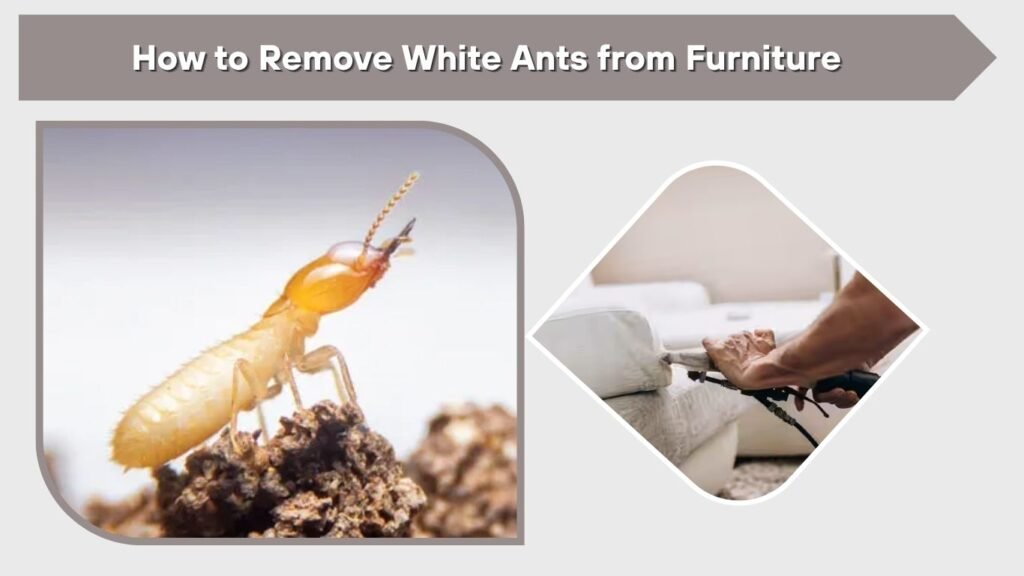
Termites can enter tables, cupboards, beds, doors, shelves, and other wooden furniture. Drywood termites are especially capable of living entirely inside a wooden item.
Isolate and Inspect the Furniture
Move the item only when doing so will not spread termites or weaken damaged wood. Keep it away from other furniture and inspect it for:
- Small holes in the surface
- Sand-like termite pellets
- Hollow sounds when tapped
- Loose veneer or blistering
- Crumbling internal wood
- Discarded wings nearby
Inspect the room where the furniture was kept. An infested item may have introduced termites, but it could also have become infested by a colony already inside the building.
Professional Furniture Treatments
Possible treatments include localized injection, registered wood treatments, chamber fumigation, controlled heat, freezing, or kiln drying. The best method depends on the item’s size, construction, finish, value, and degree of infestation.
Chamber fumigation can treat the entire item, while carefully controlled temperature treatment may kill termites at different life stages. Improper heat, cold, or chemical use can warp timber, loosen glue, discolor finishes, or damage upholstery.
When to Discard Infested Furniture
Discarding may be sensible when the item is inexpensive, extensively hollowed, structurally unsafe, or more costly to treat than replace.
Do not place untreated furniture beside the house or give it to another person. Follow local waste rules, clearly mark the item as termite-infested, and prevent others from collecting it.
Do Home Remedies Remove White Ants?
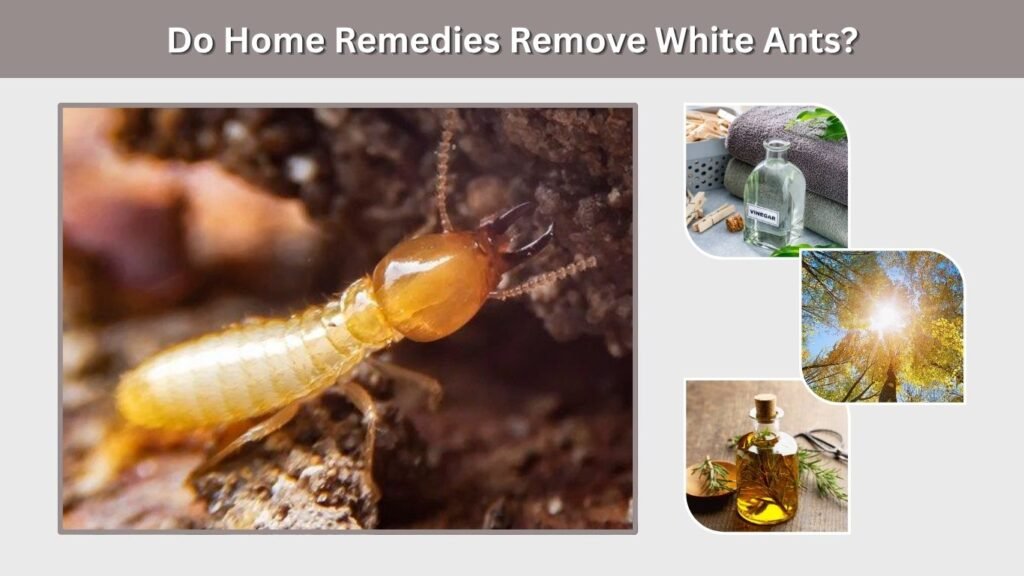
Most household remedies do not reach the hidden colony.
White Vinegar
Vinegar may kill a few exposed termites when applied directly, but it cannot reliably penetrate structural wood, underground nests, walls, or complete furniture galleries. It should not replace a registered termite treatment.
Sunlight and Heat
Placing a small item in sunlight may make conditions uncomfortable for termites, but ordinary sun exposure does not provide even, verified temperatures throughout thick wood. Termites or eggs may survive in cooler internal sections.
Professional heat or kiln treatment uses controlled temperatures and monitoring to ensure the entire item is treated without creating a fire hazard.
Salt, Essential Oils, and Household Sprays
Salt solutions, essential oils, bleach, fuel, and general ant sprays are not reliable colony treatments. Some can stain furniture, contaminate soil, create dangerous fumes, or increase fire and poisoning risks.
Only use a pesticide when its label specifically allows termite treatment in the intended location. Never mix household chemicals or apply more product than the label permits.
How to Prevent White Ants from Returning
Prevention reduces conditions that help termites enter and survive around a building.
- Repair leaking pipes, roofs, gutters, and outdoor taps.
- Improve drainage beside the foundation.
- Keep wooden siding and framing above the soil.
- Avoid piling mulch against the building.
- Store firewood off the ground and away from walls.
- Remove dead roots, stumps, cardboard, and scrap timber.
- Maintain access for regular foundation inspections.
- Repair cracks and gaps around utility openings.
- Schedule follow-up inspections after treatment.
Wood-to-soil contact, excessive moisture, heavy mulch, and poor drainage are important termite risk factors.
When to Call a Professional
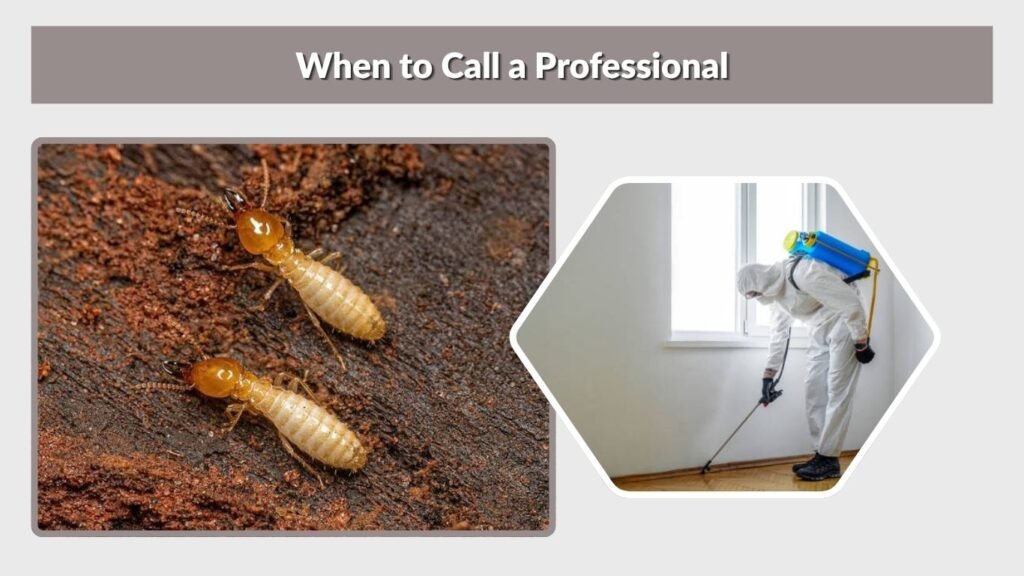
Professional help is strongly recommended when termites are found in walls, foundations, structural beams, several pieces of furniture, or multiple rooms. It is also necessary when mud tubes or indoor swarms return after attempted treatment.
Ask the company for a written inspection report explaining the termite species, treatment method, active areas, price, warranty, follow-up schedule, and renewal costs. Compare several licensed providers and avoid companies that pressure you to sign immediately or claim to use an unnamed secret treatment.
FAQs
Can I remove white ants myself?
You can correct moisture problems and remove termite-friendly materials, but controlling a structural colony usually requires professional treatment. DIY surface sprays rarely reach termites living underground, inside walls, or deep within wood.
What kills white ants permanently?
No single treatment guarantees that termites will never return. Properly installed soil treatments, monitored bait stations, targeted wood treatments, and regular inspections provide the most dependable long-term protection.
Should I throw away termite-infested furniture?
Not always. Valuable or lightly infested furniture may be professionally treated. Replacement may be more practical when the item is inexpensive, badly hollowed, unsafe, or too damaged to restore.
How long does white ant treatment take?
Liquid and localized treatments may begin working quickly, while colony-control bait systems can take longer. The total time depends on the termite species, colony size, treatment method, and extent of the infestation.
Can termites return after treatment?
Yes. New colonies may enter from surrounding soil or untreated wood. Maintaining bait stations or treatment barriers, controlling moisture, reducing wood-to-soil contact, and arranging periodic inspections can lower the risk.