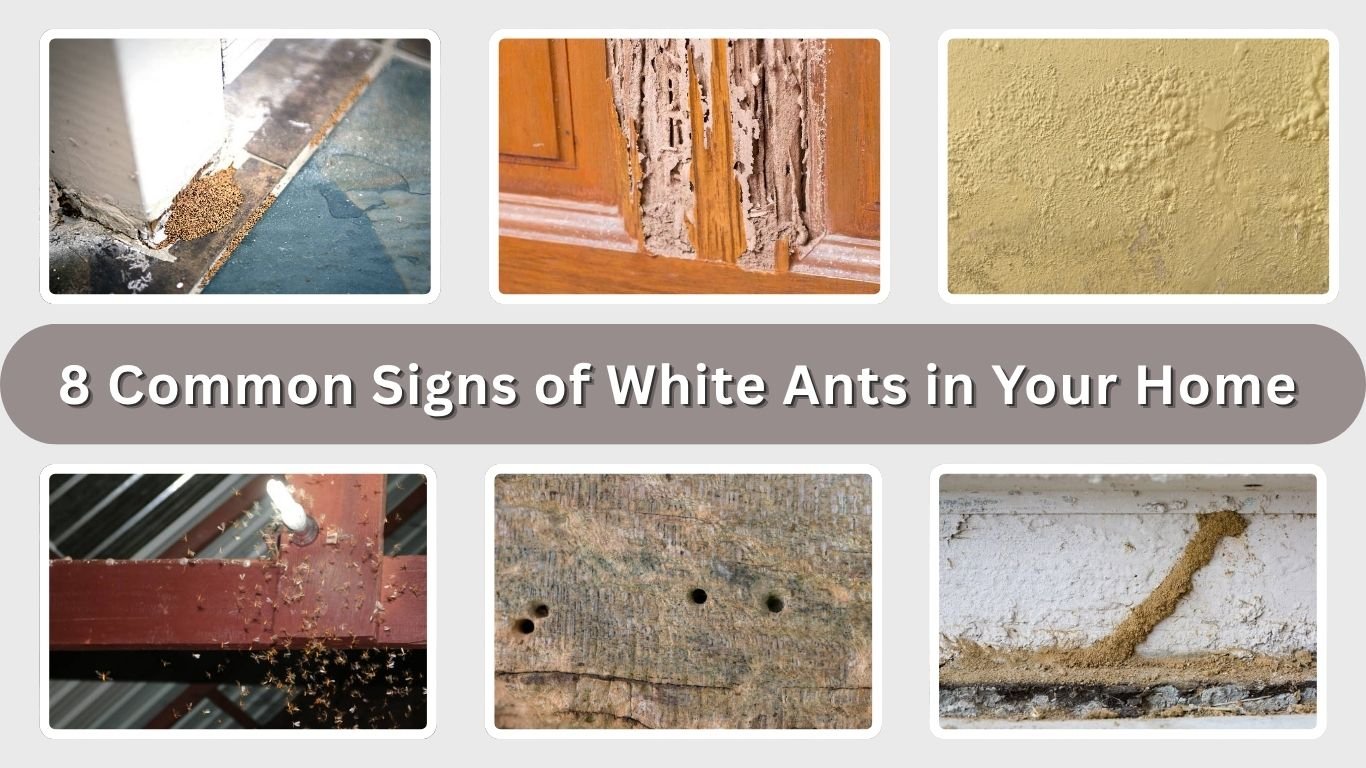
White ants, commonly known as termites, can damage wood, walls, flooring, furniture, and structural supports without being noticed. Because they usually remain hidden inside timber or underground, early warning signs are easy to miss. Mud tubes, hollow-sounding wood, discarded wings, indoor swarmers, blistered surfaces, sticking doors, termite droppings, and bubbling paint may all point to an active infestation. Recognizing these clues early can help prevent costly repairs and serious structural damage. This guide explains eight common signs of white ants, where to look for them, and what steps to take when suspicious activity appears around your home and surrounding property.
1. Mud Tubes
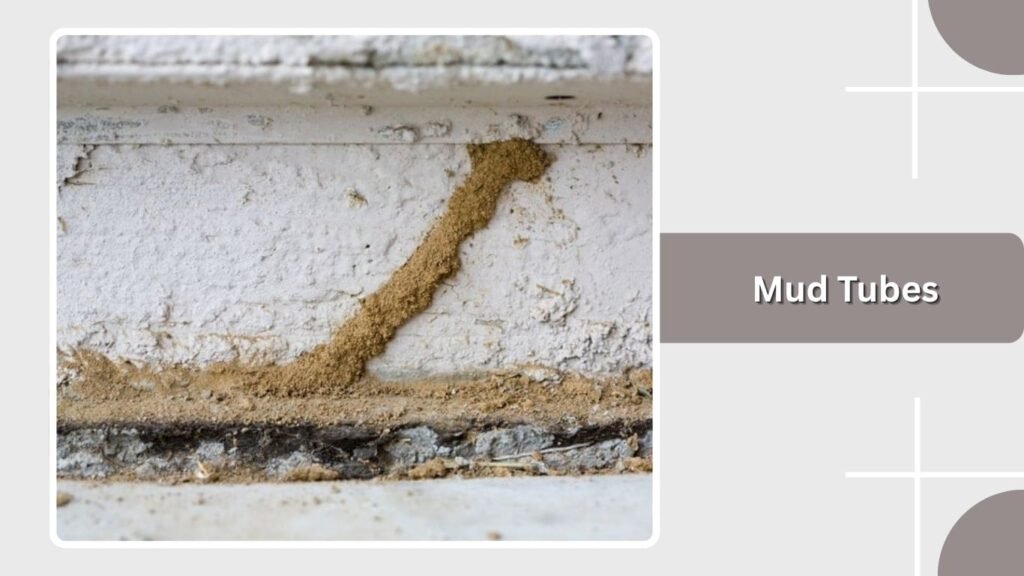
Mud tubes are one of the most recognizable signs of white ants, also known as termites. These narrow tunnels are built from soil, moisture, saliva, and termite waste. They allow termites to travel safely between an underground colony and a wooden food source without being exposed to dry air, sunlight, or predators.
How to Identify Mud Tubes
Common features of termite mud tubes include:
- Brown or gray, pencil-width tunnels
- A rough, soil-like texture
- Lines running upward along walls or foundations
- Tubes appearing in cracks and hidden corners
- Fresh soil inside when the tube is opened
- Live pale termites moving through active tunnels
Mud tubes may be thin and delicate or form wider networks when a large colony is present.
Why White Ants Build Mud Tubes
Subterranean termites require moisture to survive. Their soft bodies can dry out quickly when exposed to open air. Mud tubes create a dark, humid pathway that connects the colony in the soil with wood inside or around a building.
The tubes also protect workers from ants, spiders, and other predators. Termites may rebuild damaged tunnels when the colony is still active.
Where Mud Tubes Are Commonly Found
Check foundation walls, crawl spaces, basement corners, support posts, plumbing entry points, floor joists, and areas where wood touches soil. Mud tubes may also appear behind furniture, beneath flooring, inside wall gaps, or around damaged wooden frames.
Outdoor tubes can sometimes be found on tree trunks, fences, sheds, firewood, and landscape timbers. Finding them close to a house increases the need for a detailed inspection.
What to Do After Finding Mud Tubes
Do not simply remove the tubes and assume the infestation is gone. Breaking one open may help determine whether termites are currently using it, but the main colony can remain hidden underground or inside the structure.
Photograph the affected area and arrange a professional termite inspection. A qualified technician can identify the termite species, locate entry points, evaluate damage, and recommend an appropriate treatment such as bait stations, soil treatment, or localized wood treatment.
2. Hollow-Sounding Wood
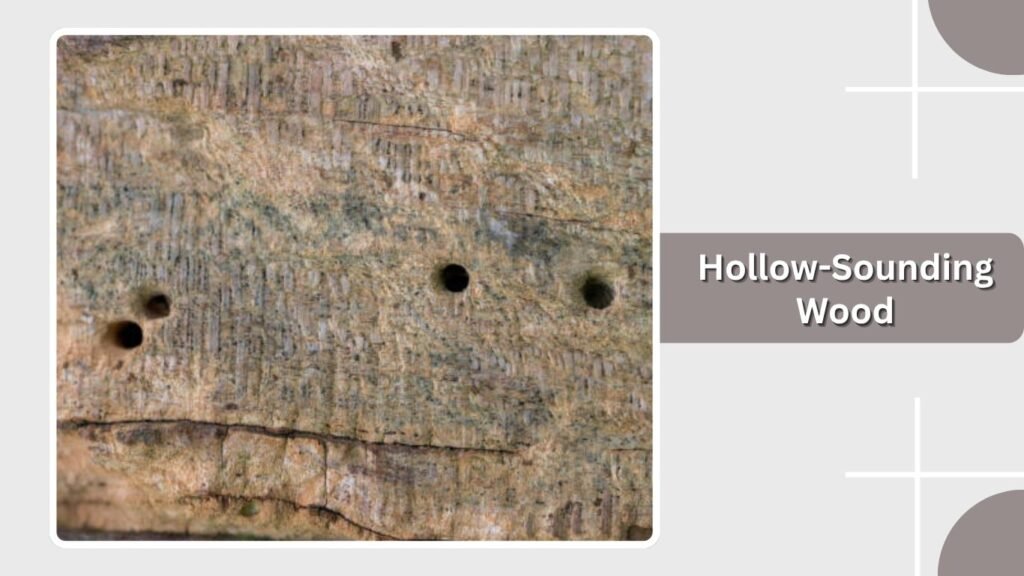
Hollow-sounding wood is a common warning sign of white ants or termites. Termites often eat wood from the inside while leaving a thin outer surface untouched. As a result, timber may appear normal from the outside even though much of its internal structure has already been damaged.
How to Check for Hollow Wood
Look for the following signs when inspecting wooden areas:
- A hollow sound when the wood is tapped
- Soft spots that bend under light pressure
- Thin or papery wooden surfaces
- Cracks along boards, frames, or flooring
- Wood that breaks easily when touched
- Small holes or hidden tunnels inside damaged timber
Use the handle of a screwdriver or another light object to tap gently along baseboards, door frames, floorboards, cabinets, and exposed beams.
Why Termite-Damaged Wood Sounds Hollow
Termite workers feed mainly on cellulose found inside wood. They usually follow the grain and create long galleries beneath the surface. The outer layer may remain intact because termites avoid open air and light.
When the inner wood is removed, empty spaces develop inside the board. Tapping the surface produces a hollow or papery sound instead of the solid sound made by healthy timber.
Where Hollow Wood Is Commonly Found
Hollow wood may appear around windows, doors, floors, roof supports, wall frames, staircases, cabinets, and wooden furniture. Areas exposed to moisture are especially vulnerable because damp conditions can make it easier for termites to enter and survive.
Pay close attention to wood touching soil, plumbing areas, bathrooms, kitchens, crawl spaces, and sections near leaking roofs or gutters. Outdoor structures such as fences, sheds, decks, and landscape timbers may also be affected.
What to Do After Finding Hollow Wood
Do not remove or replace the damaged wood before checking whether termites are still active. Disturbing the area may cause the colony to move deeper into the structure and make detection more difficult.
Mark the affected location and arrange a termite inspection. A professional can determine how far the damage extends and whether treatment is needed. After the infestation is controlled, weakened wood may need repair, reinforcement, or complete replacement to restore structural safety.
3. Discarded Wings
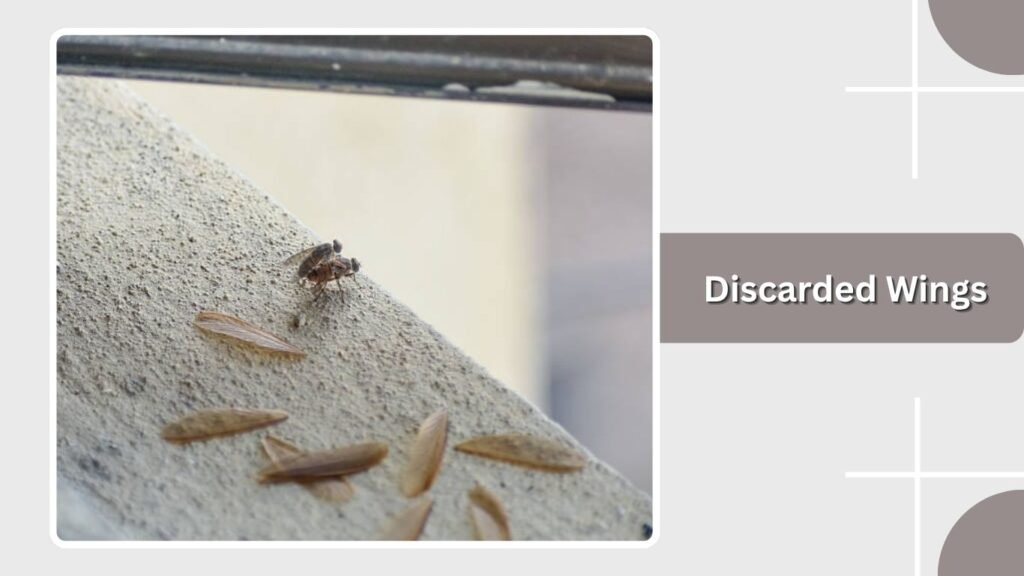
Discarded wings are an important sign of white ants or termites, especially when they appear inside a house. Winged reproductive termites leave mature colonies during a swarm, fly for a short period, and then shed their wings before pairing and starting a new colony.
How to Identify Discarded Termite Wings
Look for these common features:
- Small piles of clear or pale wings
- Four wings of nearly equal size
- Wings found near windows and doors
- Wings collected around lights or vents
- Thin, delicate wings that break easily
- Repeated piles appearing in the same area
Termite wings are usually longer than the insect’s body and may look similar to tiny fish scales when gathered together.
Why White Ants Shed Their Wings
Only reproductive termites have wings. When environmental conditions are suitable, they leave an established colony in large groups. This event is known as swarming.
After landing, the termites break off their wings because they no longer need them. A male and female may then search for a protected place to establish a new colony. The discarded wings remain behind as evidence of recent reproductive activity.
Where Discarded Wings Are Commonly Found
Discarded wings are often found on windowsills, beneath doors, around light fixtures, near air vents, and beside baseboards. They may also collect inside spider webs or in corners where air movement pushes them together.
Outdoor wings can appear near tree stumps, fences, foundations, and garden structures. Wings found outdoors do not always mean the house is infested. However, piles found indoors may indicate that termites emerged from somewhere inside the building.
What to Do After Finding Discarded Wings
Collect a few wings in a sealed bag or container so they can be identified. Check nearby wood, walls, floors, and window frames for small openings, mud tubes, damaged timber, or live swarmers.
Vacuuming up the wings removes the visible evidence but does not address the colony. Arrange a professional termite inspection, especially when wings repeatedly appear indoors. A technician can determine whether the termites entered from outside or emerged from an active colony inside the structure.
4. Flying Termites Indoors
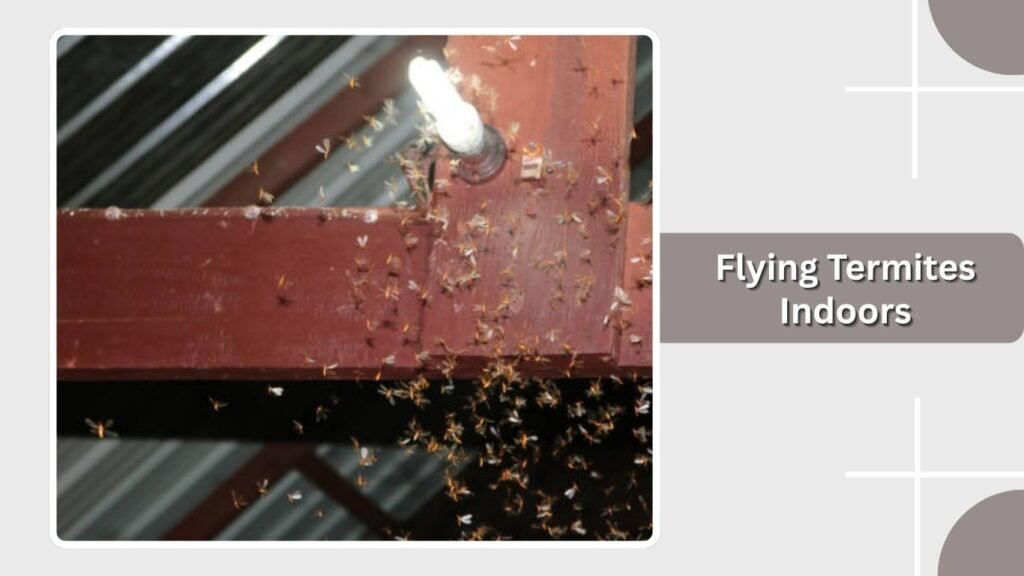
Flying termites inside a house are a serious warning sign of a nearby or active colony. These winged reproductive termites, called swarmers, leave mature nests to mate and establish new colonies. When they appear indoors, they may have emerged from hidden wood, walls, floors, or other structural areas.
How to Identify Flying Termites
Common features of flying termites include:
- Four wings of nearly equal length
- Straight, bead-like antennae
- A broad waist without a narrow middle
- Brown, black, or dark-colored bodies
- Wings longer than the body
- Large groups appearing around lights or windows
Flying termites are often confused with winged ants. However, winged ants have bent antennae, narrow waists, and front wings that are longer than their back wings.
Why Flying Termites Appear Indoors
Mature termite colonies produce winged adults during warm, humid conditions. These swarmers leave the nest in search of suitable places to begin new colonies.
Indoor swarms may occur when termites emerge through cracks, wall gaps, flooring, vents, window frames, or damaged wood. Many swarmers die quickly because they cannot escape, but their appearance still suggests that an established colony may be nearby.
Where Indoor Swarmers Are Commonly Found
Flying termites are often noticed near windows, doors, lamps, ceiling lights, vents, and other bright areas. They may gather on floors, windowsills, curtains, furniture, or bathroom surfaces.
Check nearby baseboards, wooden frames, crawl spaces, wall openings, and flooring for mud tubes, discarded wings, small holes, or damaged timber. Repeated swarms from the same room are especially concerning.
What to Do When Flying Termites Appear
Vacuum the insects and save a few specimens in a sealed container for identification. Note where and when they appeared, because this information can help locate the source.
Avoid spraying only the visible swarmers. Killing flying termites does not eliminate the colony hidden inside the building or soil. Arrange a professional inspection to identify the termite species, find the nesting area, assess damage, and recommend the proper treatment.
5. Damaged or Blistered Wood
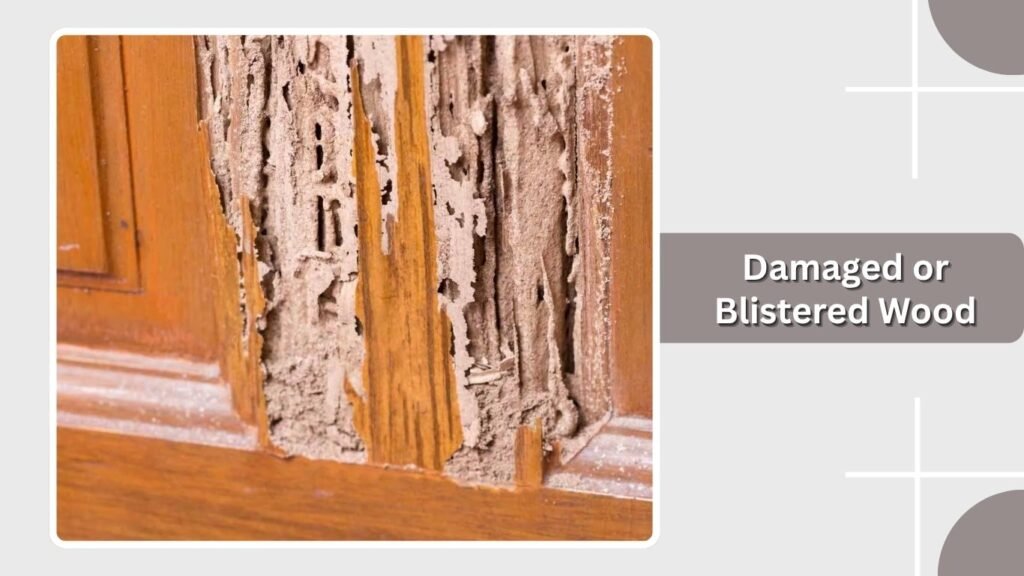
Damaged or blistered wood can indicate that white ants or termites are feeding beneath the surface. Because termites usually avoid open air and light, they often leave a thin outer layer intact while hollowing out the wood underneath. This hidden damage may cause flooring, walls, trim, or furniture to look swollen, cracked, or uneven.
Signs of Termite-Damaged Wood
Common signs include:
- Blistered or raised wooden surfaces
- Wavy or uneven floorboards
- Cracked paint over wooden areas
- Soft wood that breaks under light pressure
- Darkened or discolored timber
- Thin surfaces covering hollow galleries
- Small tunnels following the wood grain
The damage may resemble water exposure, so it is important to check for leaks as well as termite activity.
Why Wood Becomes Blistered
Termites create feeding galleries beneath the surface of timber. As they remove the inner material, the remaining outer layer loses support and may begin to lift, crack, or form bubbles.
Moisture associated with subterranean termites can also contribute to swelling and discoloration. In some cases, the surface may feel soft or papery when pressed. The visible blistering may cover a much larger network of internal damage.
Where Blistered Wood Commonly Appears
Inspect wooden floors, baseboards, wall panels, door frames, window frames, cabinets, stairs, and structural beams. Damage is often found near bathrooms, kitchens, crawl spaces, plumbing lines, leaking roofs, and exterior walls.
Wooden areas close to soil are especially vulnerable. Deck posts, sheds, fences, landscape timbers, and lower sections of exterior siding should also be checked for unusual swelling, cracking, or softness.
What to Do After Finding Damaged Wood
Avoid breaking open large sections before the area is inspected. Although exposing a small damaged spot may reveal termite galleries, heavy disturbance can scatter the insects and make the full infestation harder to locate.
Photograph the damage and check nearby areas for mud tubes, discarded wings, hollow sounds, or live termites. A professional inspection can determine whether the damage is active, how far it extends, and what treatment is appropriate. Severely weakened wood may need repair or replacement after the colony has been controlled.
6. Sticking Doors and Windows
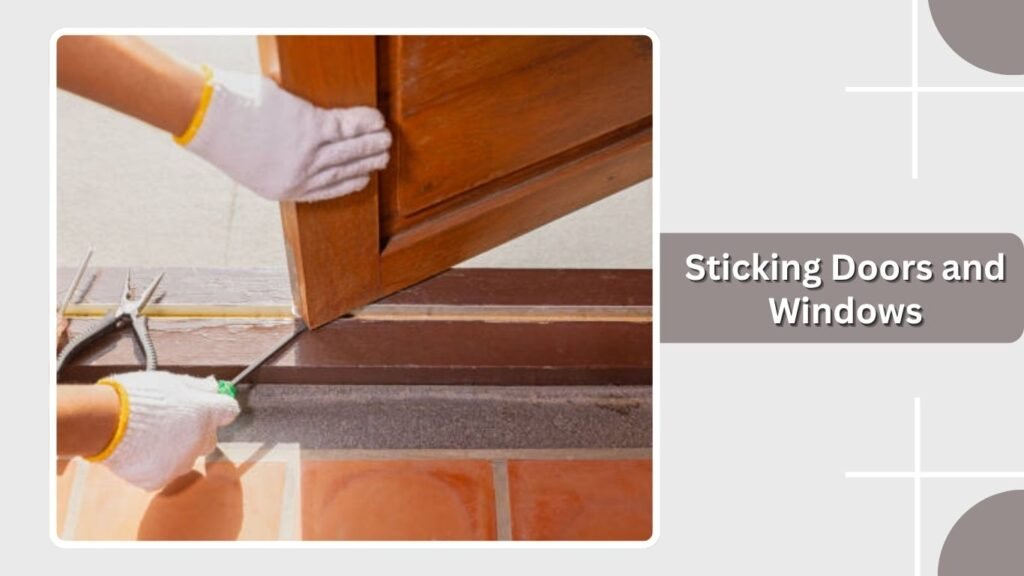
Doors and windows that suddenly become difficult to open or close may be a sign of white ant activity. Termites can damage the wooden frames surrounding these openings, while moisture inside their tunnels may cause the wood to swell or change shape. However, sticking can also result from humidity, foundation movement, or ordinary wear.
Signs to Check Around Doors and Windows
Look for these warning signs:
- Doors rubbing against their frames
- Windows becoming difficult to slide
- Swollen or uneven wooden trim
- Cracks appearing around the frame
- Soft wood near hinges or corners
- Paint bubbling or peeling nearby
- Hollow sounds when the frame is tapped
A single sticking door may not indicate termites, but several related symptoms deserve closer attention.
Why Termite Damage Causes Sticking
Termites eat the cellulose inside wooden frames and leave weakened galleries beneath the surface. As the internal wood disappears, the frame may lose its original shape and begin to sag, bend, or shift.
Subterranean termites also carry moisture into their feeding areas. This moisture can make wood expand, causing doors or windows to fit more tightly. The problem may seem similar to seasonal swelling, but termite-related sticking often appears alongside hollow wood, mud tubes, or damaged paint.
Where This Problem Commonly Appears
The problem is often found around exterior doors, ground-floor windows, patio entrances, basement openings, and wooden frames close to soil. Bathrooms and kitchens may also be vulnerable because plumbing leaks and high humidity provide favorable conditions for termites.
Inspect the lower corners of frames, window sills, thresholds, baseboards, and nearby walls. Pay particular attention to openings close to damaged gutters, leaking pipes, poorly drained soil, or wooden decks attached to the house.
What to Do When Doors or Windows Start Sticking
First, check for common causes such as loose hinges, damaged hardware, water leaks, or seasonal humidity. If the wood feels soft, sounds hollow, or shows other termite signs, avoid trimming the frame before arranging an inspection.
Photograph the affected area and look nearby for mud tubes, discarded wings, blistered paint, and cracked timber. A termite professional can determine whether the sticking is related to an infestation or another structural issue. Treatment should come before repairing or replacing seriously damaged frames.
7. Termite Droppings
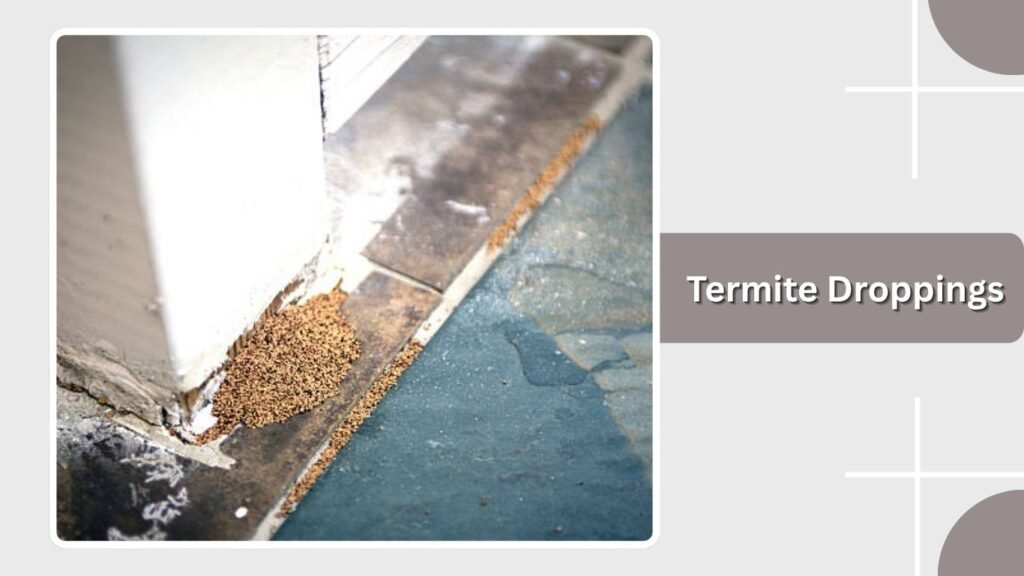
Termite droppings can be an important sign of white ants, especially drywood termites living inside furniture, walls, flooring, or structural timber. These droppings, commonly called frass, are pushed out of small openings in infested wood and often collect in neat piles beneath the affected area.
How to Identify Termite Droppings
Common features of termite frass include:
- Tiny, hard, pellet-shaped droppings
- Small piles resembling sand or sawdust
- Tan, brown, black, or cream coloring
- Pellets with a uniform size and shape
- Droppings beneath wooden furniture or trim
- Small exit holes located above the pile
Unlike ordinary sawdust, termite pellets often appear dry, grainy, and evenly shaped.
Why Termites Produce Frass
Drywood termites live and feed entirely inside dry timber. As they tunnel through wood, they produce waste that would otherwise fill their galleries.
Workers create small openings called kick-out holes and push the droppings outside. They may later seal or reuse these holes. Fresh piles that return after cleaning can indicate that termites are still active inside the wood.
Where Termite Droppings Are Commonly Found
Check beneath wooden furniture, window frames, door frames, baseboards, cabinets, beams, attic timbers, and hardwood flooring. Pellets may also collect on windowsills, shelves, or directly below tiny holes in walls and wooden panels.
Frass is more strongly associated with drywood termites than subterranean termites. Subterranean termites generally use their waste while building mud tubes rather than creating visible pellet piles.
What to Do After Finding Termite Droppings
Do not sweep away the pellets before taking photographs and checking the wood above them. Look closely for tiny holes, soft areas, blistering, or hollow sounds. Clean the pile afterward and monitor the location to see whether fresh droppings appear.
Save a small sample in a sealed container if identification is uncertain. Arrange a professional inspection because visible frass may indicate termites living deep inside furniture or structural wood. Treatment may involve localized injection, wood replacement, heat treatment, or fumigation, depending on the size and location of the infestation.
8. Cracked or Bubbling Paint
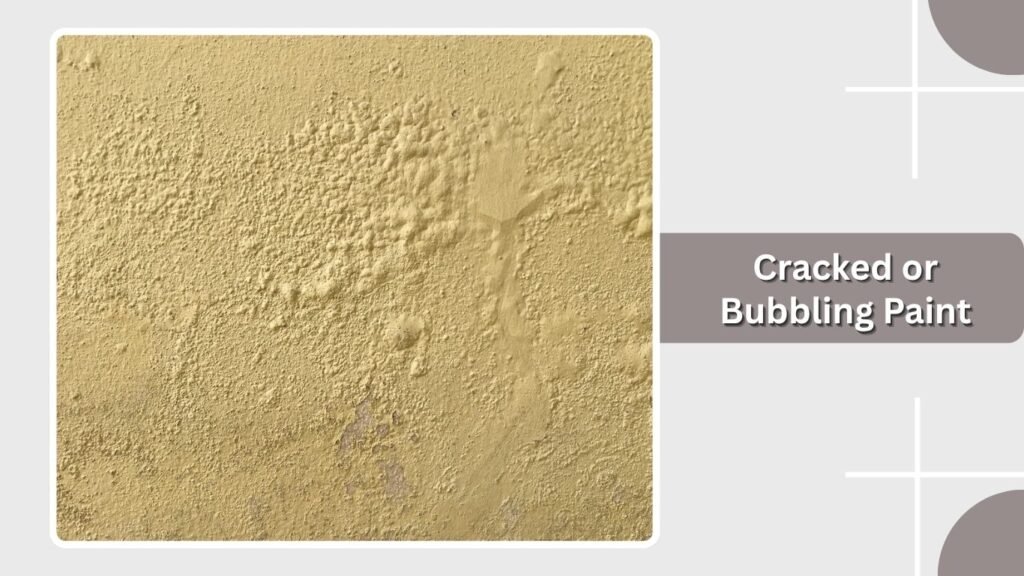
Cracked, peeling, or bubbling paint can sometimes indicate white ants or termites feeding beneath a wooden surface. Their tunnels may weaken the material behind the paint, while moisture associated with termite activity can cause the coating to lift. However, similar damage may also result from leaks, humidity, or poor paint preparation.
Signs to Look For
Common warning signs include:
- Small bubbles forming beneath the paint
- Cracks spreading across wooden surfaces
- Paint peeling without an obvious cause
- Soft or sunken areas under the coating
- Discolored patches around damaged paint
- Hollow sounds when the area is tapped
- Mud tubes or tiny holes nearby
Paint damage becomes more concerning when it appears with discarded wings, hollow wood, droppings, or sticking doors.
Why Termites Cause Paint Damage
Termites create hidden feeding galleries beneath wood, trim, or wall coverings. As they remove the inner material, the remaining surface may lose support and begin to crack or sink.
Subterranean termites also need humid conditions. Moisture inside their tunnels can collect beneath paint and cause bubbling, peeling, or discoloration. The visible damage may look similar to water damage even when termites are involved.
Where Bubbling Paint Commonly Appears
Check baseboards, window frames, door frames, wall panels, cabinets, wooden floors, and lower sections of interior walls. Areas near bathrooms, kitchens, plumbing lines, crawl spaces, and exterior foundations may be particularly vulnerable.
Paint problems around leaking pipes or poorly ventilated rooms should also be examined carefully. Moisture can attract termites while independently damaging the paint, so both possible causes must be investigated.
What to Do After Finding Damaged Paint
Do not assume every paint bubble is caused by termites. First, check for roof leaks, plumbing problems, condensation, and excessive indoor humidity. Gently tap the surface and inspect nearby wood for softness, hollow sounds, mud tubes, small holes, or discarded wings.
Avoid covering the area with fresh paint before identifying the cause. Repainting may hide the warning signs without stopping the damage. Arrange a termite inspection when several symptoms appear together. Any moisture problem should also be repaired to reduce the risk of future termite activity.
FAQs
Are white ants the same as termites?
Yes. The term “white ants” commonly refers to termites, especially pale worker termites. However, termites are not true ants. They have broad waists, straight antennae, and soft bodies, while ants usually have narrow waists and bent antennae.
What is the most common sign of white ants?
Mud tubes are among the most common signs of subterranean termites. These narrow soil tunnels may appear on foundations, walls, support posts, or pipes. Other warning signs include hollow wood, discarded wings, indoor swarmers, termite droppings, and bubbling paint.
Can white ants destroy a house?
A large termite colony can seriously weaken wooden floors, walls, frames, beams, and other structural materials. Damage often develops slowly and remains hidden inside the wood. Early inspection and treatment can stop the infestation before expensive structural repairs become necessary.
Does vinegar kill white ants?
Vinegar may kill a few exposed termites through direct contact, but it cannot eliminate a hidden colony. It does not reliably reach termites living underground, inside walls, or deep within timber. Professional bait, soil, or wood treatments are usually more effective.
What should I do after finding signs of white ants?
Photograph the affected area and avoid heavily disturbing the termites or damaged wood. Check nearby locations for mud tubes, wings, droppings, and hollow timber. Arrange a professional termite inspection to confirm activity, assess the damage, and select an appropriate treatment.