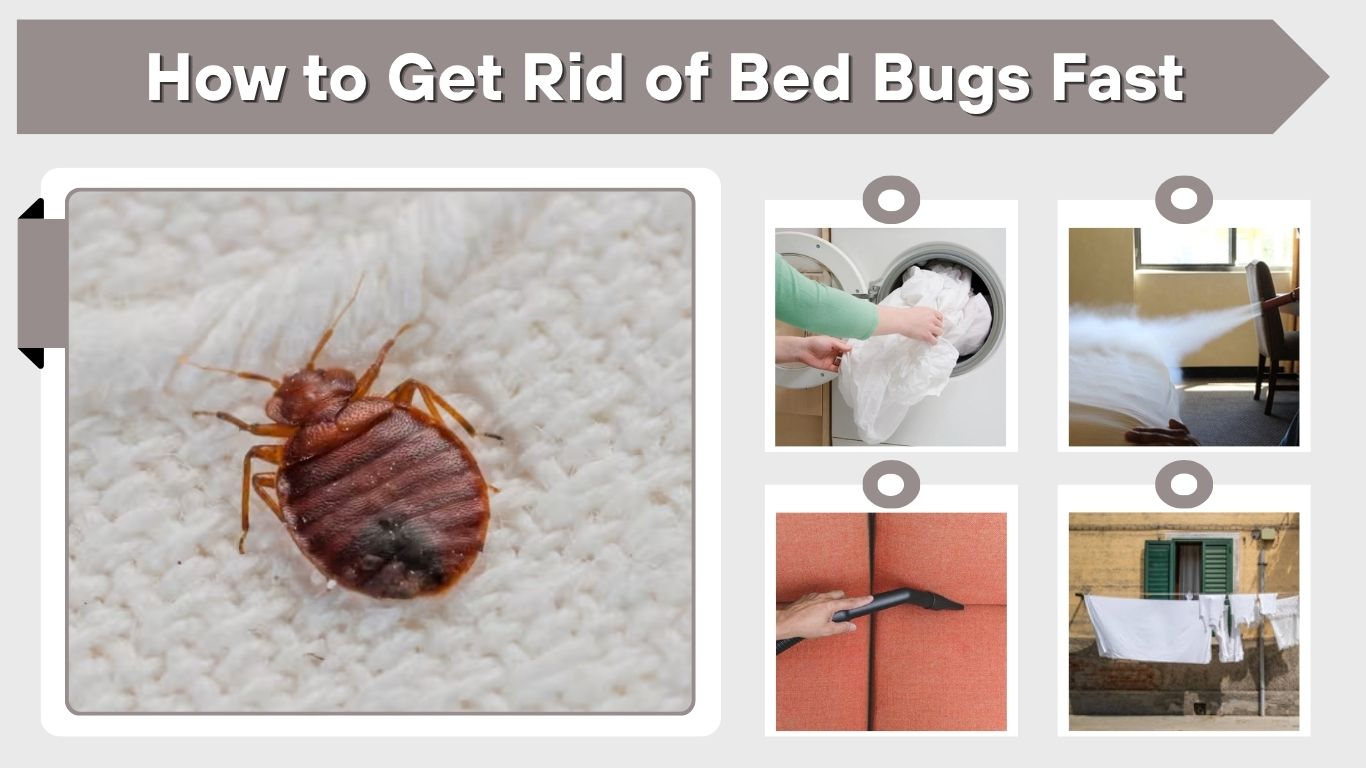
Bed bugs are hard to remove because they hide in mattresses, couches, clothes, carpets, cracks, and furniture joints. A quick spray is rarely enough. The best way to get rid of bed bugs is to combine inspection, heat, vacuuming, mattress encasements, cleaning, monitoring, and professional treatment when needed. With the right steps, you can stop bites and prevent them from spreading.
How Hard Is It to Get Rid of Bed Bugs?
Getting rid of bed bugs can be difficult because they are small, flat, and excellent at hiding. They can live inside mattress seams, box springs, bed frames, couches, baseboards, electrical gaps, luggage, and furniture cracks. The EPA says bed bug control is complex and works best with integrated pest management, which combines non-chemical and pesticide methods.
Bed bugs are not caused by dirt. Even clean homes, hotels, apartments, and dorm rooms can get them. The CDC explains that cleanliness does not determine whether bed bugs are present; they can appear in high-end hotels and resorts too.
The most important rule is to act early. A small infestation in one bed or couch is much easier to control than a spread-out infestation in several rooms.
Step 1: Confirm You Have Bed Bugs
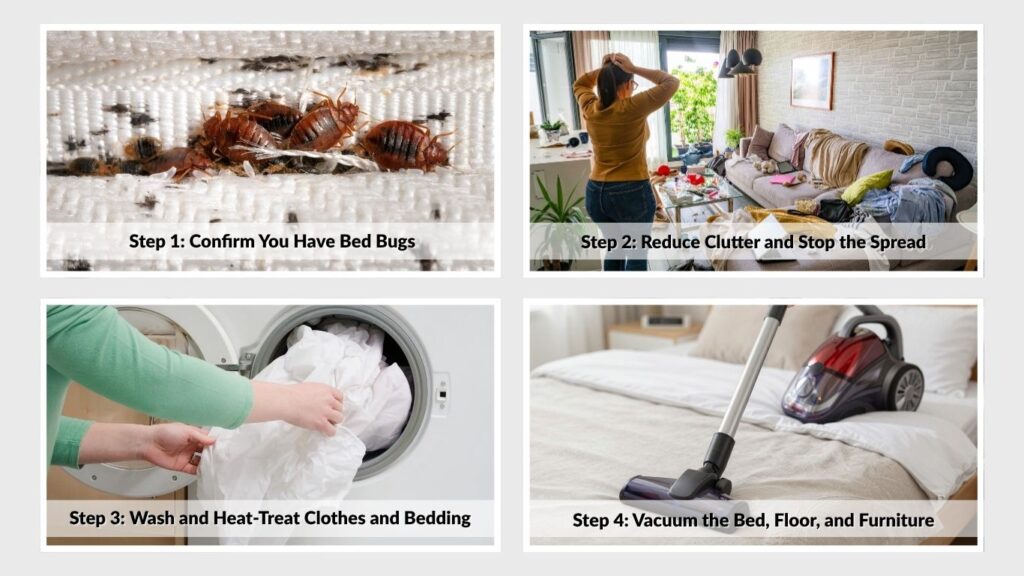
Before starting treatment, make sure the problem is really bed bugs. Many people wake up with bites and assume bed bugs, but bites can also come from fleas, mosquitoes, mites, or skin allergies. Physical evidence is more reliable than bites alone.
Signs to Look For
- Live bed bugs in mattress seams or furniture cracks
- Tiny white eggs in folds, seams, and crevices
- Dark spots on sheets, mattress edges, or bed frames
- Small blood stains on bedding
- Shed skins near hiding areas
- A musty smell in heavy infestations
- New bites after sleeping in the same area
Mayo Clinic recommends checking crevices in walls, mattresses, and furniture, and says inspection may be easier at night when bed bugs are active.
Step 2: Reduce Clutter and Stop the Spread
Before using any treatment, reduce clutter around the bed, couch, and sleeping areas. Clutter gives bed bugs more places to hide and makes treatment harder. Do not move blankets, pillows, bags, or furniture from one room to another unless they are sealed first.
Place washable items in plastic bags before carrying them to the laundry area. After washing and drying, store clean items in new sealed bags or containers until the room is treated.
If you live in an apartment, tell the landlord or property manager. Bed bugs can move between units through wall gaps, pipes, and shared spaces. Treating only one room may not solve the issue if nearby units are infested.
Step 3: Wash and Heat-Treat Clothes and Bedding
Heat is one of the most useful tools for killing bed bugs on washable items. Wash sheets, blankets, pillowcases, curtains, clothes, and fabric items in hot water when the material allows. Dry them on high heat because the dryer heat is especially important.
The University of Minnesota Extension notes that washing can kill some bed bugs, but the heat of drying kills the remaining bugs.
Items to Heat-Treat
- Bedsheets and pillowcases
- Blankets and comforters
- Clothes near the bed
- Curtains near sleeping areas
- Soft toys
- Fabric bags
- Couch covers, if washable
After drying, do not place clean items back in the infested room unless they are sealed. Use clean plastic bags or storage boxes to prevent re-infestation.
Step 4: Vacuum the Bed, Floor, and Furniture
Vacuuming helps remove visible bed bugs, shed skins, and some eggs. It will not remove every egg because eggs stick tightly to surfaces, but it is still a useful step. Purdue University notes that bed bugs can be vacuumed from exposed hiding spots such as mattress creases, box spring edges, furniture seams, and carpet edges.
Use a crevice tool for tight cracks and seams. Focus on the mattress edges, box spring, bed frame, baseboards, carpet edges, couch seams, and nearby furniture.
After vacuuming, immediately remove the vacuum contents. Seal them in a plastic bag and place the bag in an outdoor trash bin. If your vacuum has a reusable canister, wash it carefully after emptying.
Step 5: Treat the Mattress and Box Spring
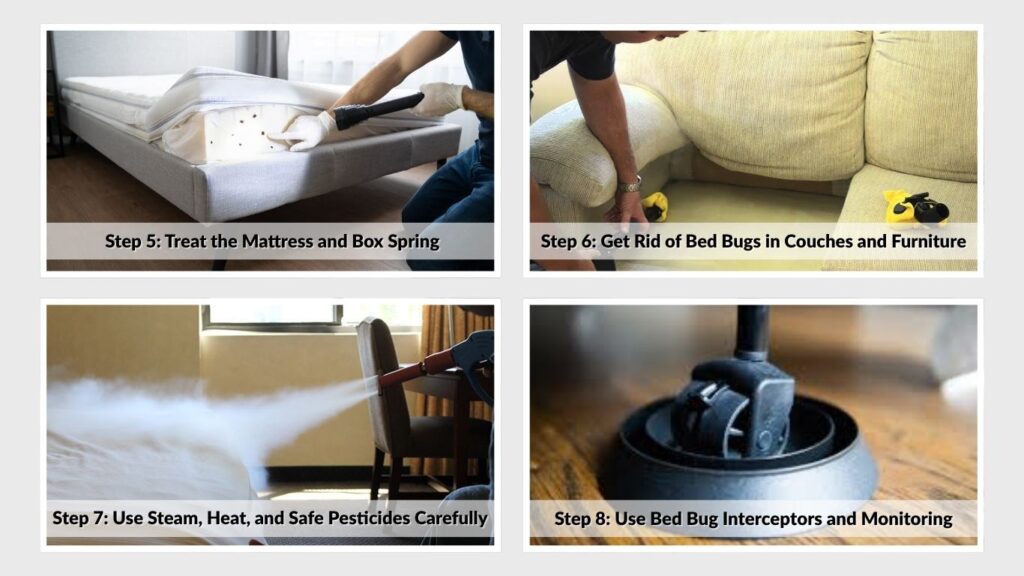
Many people search for how to get rid of bed bugs in a mattress because the bed is usually the main hiding place. Start by stripping the bed and checking every seam, fold, tag, zipper, and corner. Also inspect the box spring and bed frame because bed bugs often hide there instead of inside the mattress itself.
You usually do not need to throw away the mattress. Throwing it away without sealing it can spread bed bugs through the home or building. Purdue University recommends zippered mattress covers made of cloth or tear-resistant plastic; these covers trap bed bugs inside, but they do not replace other treatment methods.
Mattress Treatment Checklist
- Remove and heat-dry all bedding.
- Vacuum mattress seams and edges.
- Inspect the box spring carefully.
- Check the bed frame and headboard.
- Use a bed bug mattress encasement.
- Keep the bed slightly away from walls.
- Do not let blankets touch the floor.
- Place interceptors under bed legs.
This method helps turn your bed into an isolated sleeping area and reduces new bites while treatment continues.
Step 6: Get Rid of Bed Bugs in Couches and Furniture
Bed bugs do not only live in beds. They can hide in couches, sofas, recliners, chairs, dressers, nightstands, and wooden furniture joints. If you sleep or rest on a couch, inspect it as carefully as the bed.
Remove cushions and check seams, zippers, corners, and the frame underneath. Vacuum slowly with a crevice tool. If possible, use steam on seams and cracks, but avoid damaging fabric or wood. For heavy furniture infestations, professional treatment is often better than DIY spraying.
Furniture Hiding Spots
- Cushion seams
- Zipper lines
- Wooden joints
- Stapled fabric edges
- Screw holes
- Recliner folds
- Drawer corners
- Cracks under furniture
Do not drag infested furniture outside without wrapping it. If you must discard furniture, seal or mark it clearly so other people do not take it home.
Step 7: Use Steam, Heat, and Safe Pesticides Carefully
Steam can kill bed bugs on contact if used correctly, especially along seams, cracks, and fabric edges. Move slowly so heat reaches the hiding spots. Avoid using steam near electrical outlets or delicate materials.
Pesticides may help, but they should be used safely and only according to the label. The EPA recommends using pesticides carefully and choosing products approved for bed bug control.
Do not use outdoor pesticides inside your home. Do not spray mattresses or bedding unless the product label clearly says it is allowed. Avoid bug bombs or foggers as a main treatment because they often fail to reach hiding places and may push bugs deeper into walls or furniture.
Step 8: Use Bed Bug Interceptors and Monitoring
Bed bug interceptors are small traps placed under bed or furniture legs. They help catch bed bugs as they try to climb up or down. They are useful for confirming activity and checking whether treatment is working.
Interceptors work best when the bed is isolated. Move the bed away from the wall, keep blankets off the floor, and avoid storing items under the bed. This makes it harder for bed bugs to reach you without passing through the traps.
Monitoring is important because bed bug control usually takes time. Even after treatment, continue checking for live bugs, new stains, shed skins, and bites.
Can You Get Rid of Bed Bugs in One Day?
You may reduce bed bugs in one day, but complete removal usually takes longer. Washing, drying, vacuuming, steam, and professional heat treatment can kill many bugs quickly. However, hidden bugs and eggs may remain.
Claims like “get rid of bed bugs overnight” or “kill bed bugs instantly” can be misleading. A bed bug you spray or steam directly may die quickly, but a full infestation needs follow-up. The EPA says success depends on the extent of the infestation, the amount of clutter, and resident participation.
A realistic plan is to attack the problem hard on day one, then keep monitoring and treating until there are no new signs.
Home Remedies and Natural Methods
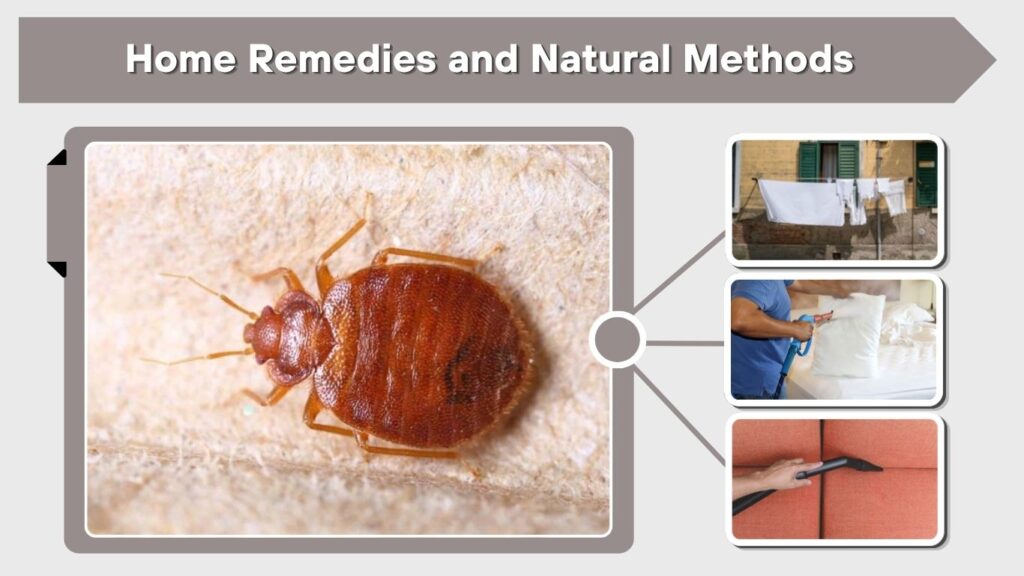
Some natural methods can support bed bug control, but they should not be the only treatment. Heat, vacuuming, steam, laundering, decluttering, encasements, and interceptors are the most useful non-chemical methods.
Diatomaceous earth is sometimes used, but it must be applied carefully and lightly in cracks, not spread heavily around living areas. Breathing dust can irritate the lungs. Essential oils, alcohol sprays, baking soda, vinegar, and strong-smelling home remedies are unreliable and may be unsafe or ineffective.
Helpful Non-Chemical Methods
- High-heat drying
- Steam treatment
- Vacuuming seams and cracks
- Mattress encasements
- Bed bug interceptors
- Clutter removal
- Sealing cracks and gaps
- Careful inspection
Natural does not always mean safe. Use any product carefully, especially around children, pets, bedding, and food areas.
How to Get Rid of Bed Bugs in Clothes
Clothes are easier to treat than furniture. Place infested clothes directly into a sealed bag. Empty the bag into the washing machine carefully, then dispose of or seal the old bag. Wash clothes according to fabric instructions and dry on high heat if safe for the material.
Clean clothes should not be returned to infested drawers or closets until those areas are inspected and treated. Store clean clothes in sealed bags, plastic bins, or clean drawers after control is complete.
For delicate items that cannot be washed, professional heat treatment, dry cleaning, or freezer treatment may be options, depending on the item. Always protect delicate fabrics from damage.
How to Get Rid of Bed Bugs in a Car
Bed bugs can enter cars through bags, clothes, furniture, or luggage. They do not usually prefer cars unless people spend time resting there, but they can hide in seat seams, floor mats, trunk areas, and fabric folds.
Start by removing trash and clutter. Vacuum seats, floor cracks, mats, and the trunk. Heat can help, but do not rely only on parking in the sun because temperatures may not reach all hiding places evenly. For serious car infestations, ask a pest control professional about safe treatment options.
When to Call a Bed Bug Exterminator
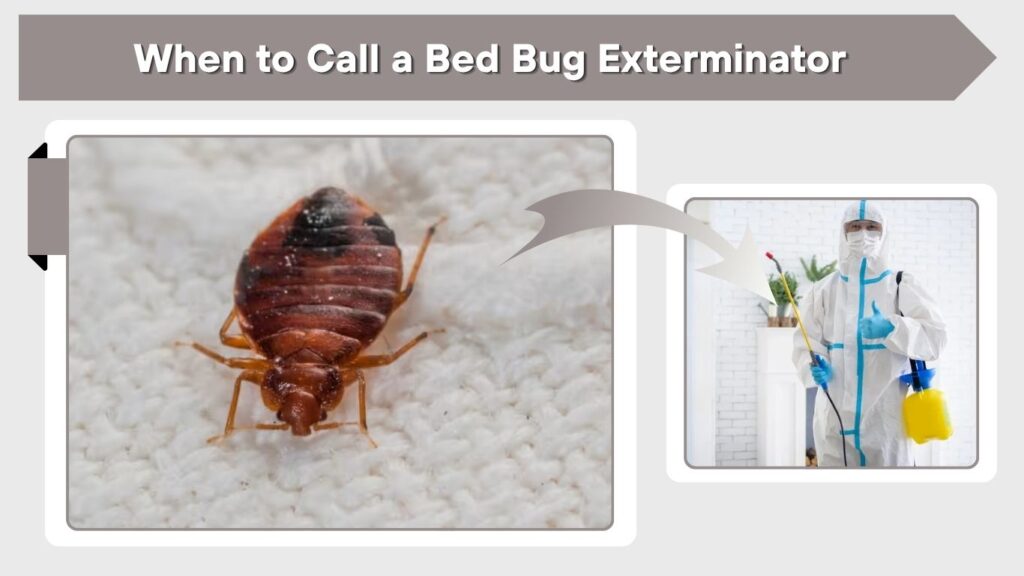
DIY treatment may work for a very small infestation, but professional help is often needed when the problem spreads. Cornell IPM says bed bugs cannot be treated with a single technique or one-step pesticide application, and professional help is recommended when possible.
Call a professional if you see bed bugs in multiple rooms, keep getting bites after treatment, live in an apartment building, or find bugs in couches, walls, or furniture. A licensed exterminator can inspect the whole home and create a treatment plan using heat, steam, insecticides, dusts, encasements, and follow-up visits.
How to Know If Bed Bugs Are Gone
Do not assume bed bugs are gone after one quiet night. Keep checking for at least several weeks. Look for new bites, live bugs, fresh droppings, shed skins, or blood spots.
The University of Minnesota Extension says if three weeks have passed after professional treatment with no signs such as bites, live bugs, new fecal matter, or cast skins, the infestation is likely controlled, though larger infestations are harder to treat.
Continue using interceptors and mattress encasements as part of prevention. Bed bugs are easier to stop when you catch them early.
FAQs
How do I get rid of bed bugs fast?
Start with heat and cleaning. Wash bedding, dry clothes on high heat, vacuum mattress seams, use steam on cracks, reduce clutter, and install mattress encasements and interceptors. Fast control means reducing the population quickly, but complete removal usually needs repeated checks and sometimes professional treatment.
Can I get rid of bed bugs myself?
You may be able to remove a small infestation yourself if you act early and use several methods together. DIY treatment should include inspection, heat drying, vacuuming, steam, encasements, interceptors, and safe pesticide use if needed. Heavy infestations usually require a licensed pest control professional.
What kills bed bugs permanently?
No single product kills bed bugs permanently by itself. Long-term control comes from killing active bugs, removing eggs, sealing hiding spots, using mattress encasements, monitoring with interceptors, and preventing re-entry. Professional treatment may be needed when bugs are hidden in several rooms or furniture pieces.
How do you get rid of bed bugs in a mattress?
Strip the bed, heat-dry all bedding, vacuum mattress seams, inspect the box spring and frame, and use a full mattress encasement. Do not spray random chemicals on the mattress unless the label allows it. Bed bugs often hide in the frame or box spring, not only the mattress.
Should I throw away furniture with bed bugs?
Not always. Many mattresses, couches, and chairs can be treated with vacuuming, steam, encasements, and professional control. If furniture is badly infested and must be discarded, wrap or mark it first so bed bugs do not spread and others do not take it home.