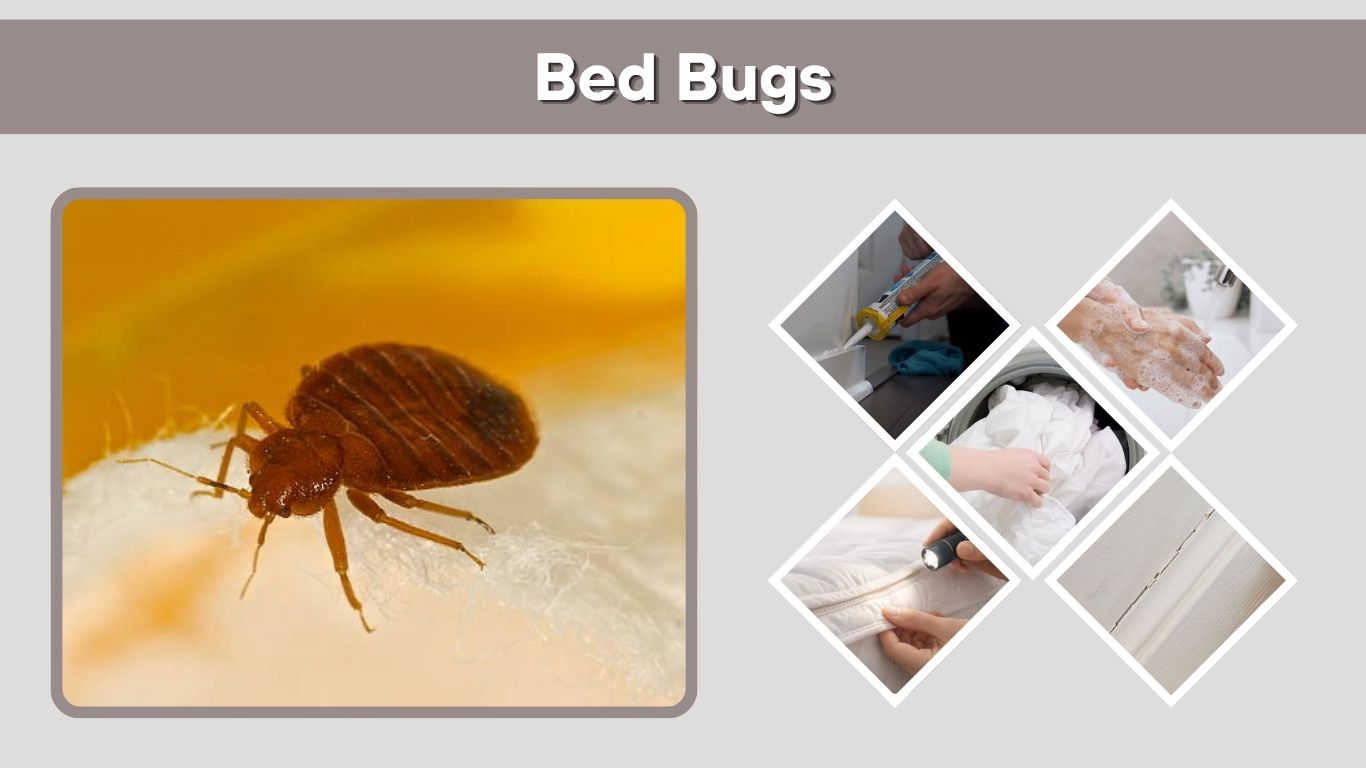
Bed bugs are small insects that hide near sleeping areas and feed on blood at night. They do not fly or jump, but they spread easily through luggage, clothing, used furniture, and shared living spaces. Knowing what bed bugs look like, where they hide, and how to treat bites can help you act early before a small problem becomes a serious infestation.
What Are Bed Bugs?
Bed bugs are tiny, flat, reddish-brown insects that usually live close to where people sleep. They are most often found in beds, mattresses, box springs, bed frames, headboards, couches, and cracks near sleeping areas. The CDC notes that infestations usually happen around or near places where people sleep, including homes, hotels, apartments, dorms, buses, trains, and shelters.
Adult bed bugs are about the size of an apple seed. Before feeding, they look flat and oval. After feeding, their bodies become more swollen and reddish. Baby bed bugs, also called nymphs, are smaller and lighter in color, which makes them harder to see.
Bed bugs are not a sign of a dirty home. They can enter clean or cluttered spaces if they are carried in from another infested place. However, clutter gives them more hiding spots, making treatment more difficult.
What Do Bed Bugs Look Like?
Bed bugs can be seen with the naked eye, but they are easy to miss because they hide during the day. Adults are oval, wingless, and brown to reddish-brown. Young bed bugs may look pale yellow or almost clear before feeding.
Common Identification Features
- Flat, oval body before feeding
- Reddish-brown color after feeding
- No wings and no ability to fly
- Six legs and short antennae
- Apple-seed-like size in adults
- Tiny pale nymphs after hatching
- Small white eggs in cracks, seams, and folds
Bed bug eggs are very small, usually white or pearl-colored, and often hidden in tight places. Shed skins, dark droppings, and small blood stains are also important signs. Purdue University notes that correct identification is the first step because some insects, such as bat bugs, can look very similar.
Early Signs of Bed Bugs
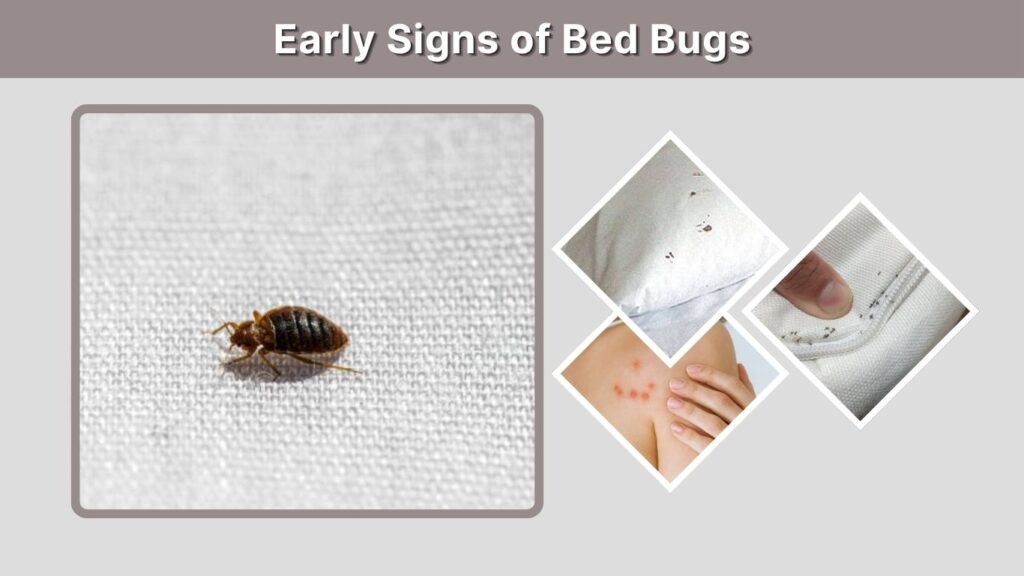
Finding bed bugs early is important because small infestations are easier to control. Many people first notice bites, but bites alone are not enough to confirm bed bugs. Some people do not react to bites at all, while others may develop itchy red marks.
Signs to Check in Your Room
- Small blood spots on sheets or pillowcases
- Dark fecal stains on mattress seams
- Shed skins near bed frames or furniture
- Live bugs in cracks, folds, or seams
- Tiny white eggs around mattress edges
- Musty odor in heavy infestations
- Itchy bites after sleeping
Look carefully around the mattress, box spring, headboard, bed frame, baseboards, couch seams, and nearby furniture. The University of Nebraska-Lincoln recommends checking cracks and crevices around areas where people sleep or spend most of their time, especially fabric seams, folds, and zippers.
Bed Bug Bites and Symptoms
Bed bug bites often appear on exposed skin, such as the arms, hands, neck, face, shoulders, and legs. The bites may appear as small red bumps, itchy welts, or raised marks in a line or cluster. However, bite reactions vary from person to person.
Some people develop marks within a day, while others may not notice symptoms for several days. Bed bugs are not known to spread disease, but their bites can cause itching, irritation, allergic reactions, and sleep stress in some people. Mayo Clinic states that bedbug bites usually clear up without treatment in one or two weeks, although some people may have allergic or severe skin reactions.
Bed Bug Bites vs Other Bites
| Feature | Bed Bug Bites | Flea Bites | Mosquito Bites |
| Common pattern | Lines or clusters | Small groups, often lower legs | Random single bumps |
| Common location | Exposed skin during sleep | Ankles, legs, waist | Any exposed skin |
| Itching | Often strong | Strong and sharp | Mild to strong |
| Timing | After sleeping | Anytime near pets or carpets | Usually after outdoor exposure |
| Confirmation | Needs signs of bugs | Often linked to pets | Usually seasonal/outdoor |
Bites can look similar to flea, mosquito, mite, or allergic skin reactions. That is why checking for physical evidence is more reliable than judging by bite appearance alone.
How to Check for Bed Bugs
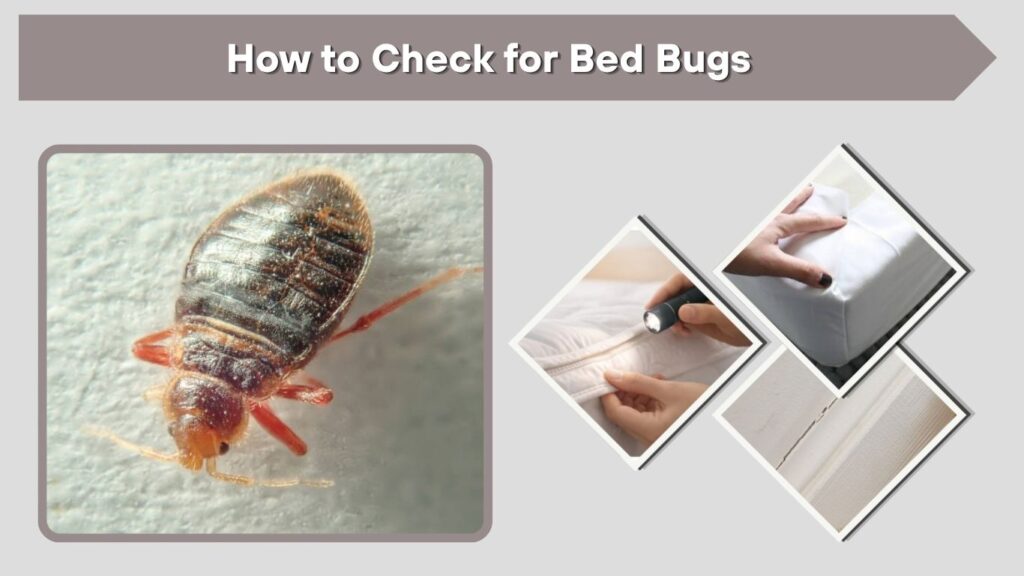
A careful inspection can help you confirm whether bed bugs are present. Use a flashlight, gloves, a thin card, and a plastic bag for collecting samples if needed. Start with the bed because bed bugs usually stay close to their food source.
Step-by-Step Inspection
- Remove sheets and inspect the mattress seams.
- Check the box spring, especially corners and fabric folds.
- Look behind the headboard and around bed screws.
- Inspect couch seams, cushions, and recliners.
- Check baseboards, wall cracks, and nearby furniture.
- Look inside luggage, bags, and folded clothing.
- Place suspicious insects in a sealed bag for identification.
Do not move infested items from room to room without sealing them. This can spread bed bugs to new areas. If you live in an apartment, notify the landlord or property manager because nearby units may also need inspection.
Where Do Bed Bugs Come From?
Bed bugs usually spread by hitchhiking. They hide in luggage, backpacks, used furniture, clothing, bedding, and boxes. Travel is one of the most common ways people bring bed bugs home, especially after staying in hotels, dormitories, rental rooms, or shared housing.
They can also enter through secondhand mattresses, sofas, chairs, and bed frames. Buying used furniture without inspection is risky because bed bugs can hide deep inside seams, cracks, and screw holes.
Bed bugs do not come from dirt, old food, or poor hygiene. A clean room can still get bed bugs if they are carried in from another place. However, clutter makes them harder to find and remove.
How to Get Rid of Bed Bugs
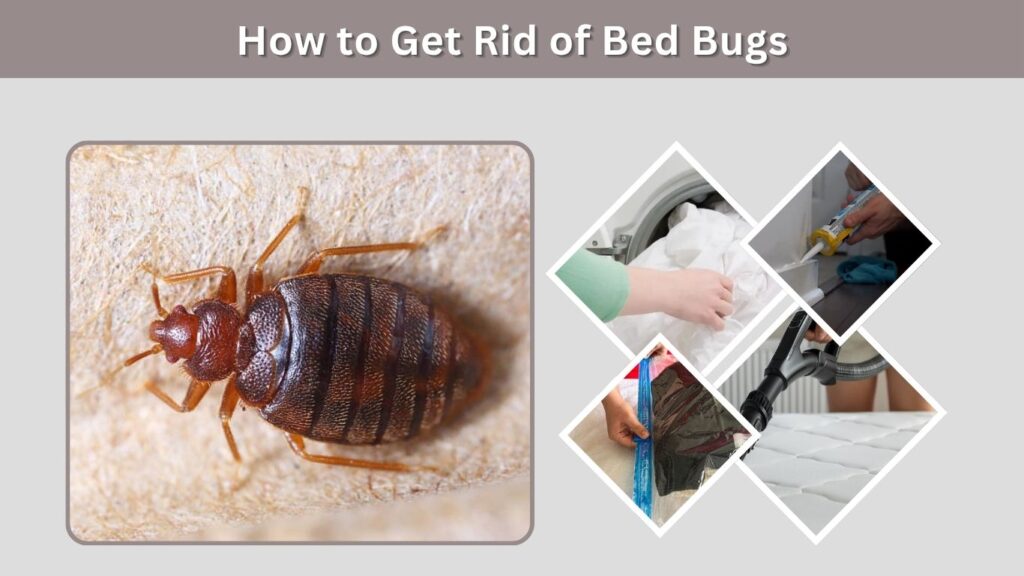
Getting rid of bed bugs takes patience. A single spray rarely solves the problem because bed bugs hide in many places and eggs may survive some treatments. The EPA explains that bed bug control is complex and works best with integrated pest management, which combines non-chemical methods, careful monitoring, and pesticides when needed.
Practical Treatment Steps
- Wash bedding, clothes, and curtains in hot water.
- Dry items on high heat when fabric allows.
- Vacuum mattress seams, floors, cracks, and furniture.
- Seal vacuum contents in a plastic bag and discard.
- Reduce clutter to remove hiding places.
- Use bed bug mattress encasements.
- Move the bed slightly away from walls.
- Place bed bug interceptors under bed legs.
- Seal cracks around baseboards and furniture.
- Call a licensed pest control expert for heavy infestations.
Heat is one of the most useful non-chemical tools for washable items. Professional heat treatment may also be used for larger infestations, but it must be done correctly. DIY pesticide use should be handled carefully. Always read labels and avoid using outdoor pesticides indoors.
Bed Bug Spray, Heat Treatment, and Professional Control
Bed bug sprays can help when used correctly, but they are not always enough by themselves. Bed bugs often hide where sprays do not reach. Some populations may also resist certain insecticides. That is why treatment usually needs repeated inspections and multiple control methods.
Professional exterminators may use a mix of heat treatment, residual insecticides, steam, vacuuming, dust products, and monitoring tools. The best option depends on the size of the infestation, room layout, clutter level, and where bugs are hiding.
Professional help is especially useful when:
- You keep seeing bugs after DIY treatment.
- Bites continue for several weeks.
- Multiple rooms are affected.
- You live in an apartment or shared building.
- Bed bugs are inside walls, furniture, or electrical outlets.
- You cannot safely treat the area yourself.
Bed Bug Bite Treatment
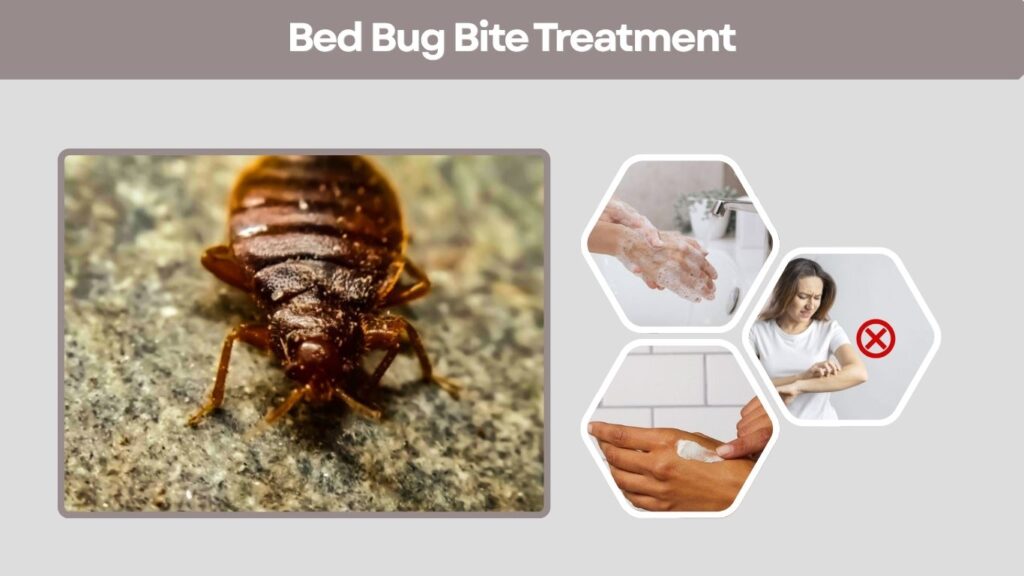
Most bed bug bites can be managed at home. Wash the area with soap and water, avoid scratching, and use anti-itch cream or oral antihistamines if needed. Scratching can break the skin and increase the risk of infection.
The CDC says minimal symptomatic treatment to prevent itching is usually enough for most bed bug bites, and good hygiene helps prevent secondary infections.
Seek medical help if you notice severe swelling, pus, increasing pain, fever, breathing trouble, dizziness, or signs of an allergic reaction. Children, older adults, and people with sensitive skin may need extra care.
How to Prevent Bed Bugs
Prevention is easier than treatment. You cannot always avoid bed bugs completely, but you can reduce the chance of bringing them home.
Prevention Tips for Home and Travel
- Inspect hotel beds before unpacking.
- Keep luggage off beds and floors.
- Check secondhand furniture before buying.
- Wash and dry travel clothes after returning home.
- Use protective mattress encasements.
- Reduce clutter around sleeping areas.
- Vacuum regularly around beds and couches.
- Seal cracks near baseboards and bed frames.
- Be careful with shared laundry rooms.
- Monitor with bed bug interceptors if you had a past infestation.
When traveling, check mattress seams, headboards, and nearby furniture before sleeping. Keep clothes in sealed bags if you suspect an infested room.
Common Myths About Bed Bugs
Many people misunderstand bed bugs, which can delay treatment. One common myth is that bed bugs only live in dirty homes. In reality, they can live anywhere they find a blood meal and hiding space.
Another myth is that bed bugs fly or jump. They do not. They crawl and spread by hiding in items people move from place to place. Some people also believe that throwing away the mattress solves the problem. This is often not enough because bugs may also hide in bed frames, furniture, walls, and nearby rooms.
FAQs
Can you see bed bugs with your eyes?
Yes, adult bed bugs can be seen without a microscope. They are small, flat, oval, and about the size of an apple seed. Baby bed bugs are harder to see because they are tiny and pale. Using a flashlight makes inspection easier, especially around mattress seams and cracks.
Do bed bugs fly or jump?
No, bed bugs do not fly or jump. They have no wings and move by crawling. They spread mainly by hiding in luggage, clothing, furniture, bedding, and bags. This is why infestations often start after travel or after bringing used furniture into the home.
What kills bed bugs instantly?
Direct heat, steam, or certain approved insecticides may kill bed bugs on contact, but instant contact killing does not remove the whole infestation. Eggs and hidden bugs can survive. A complete plan should include inspection, heat, laundering, vacuuming, sealing cracks, monitoring, and sometimes professional pest control.
Can bed bugs live in clothes?
Yes, bed bugs can hide in clothes, especially if clothing is left near beds, couches, or infested luggage. They usually prefer cracks and seams near sleeping areas, but they can travel in folded clothes. Washing and drying on high heat can help kill bugs and eggs.
Should I throw away my mattress?
Not always. Many mattresses can be treated, vacuumed, steamed, and sealed inside a bed bug encasement. Throwing away a mattress without sealing it can spread bugs through hallways or other rooms. If the infestation is severe, ask a pest control professional before removing furniture.