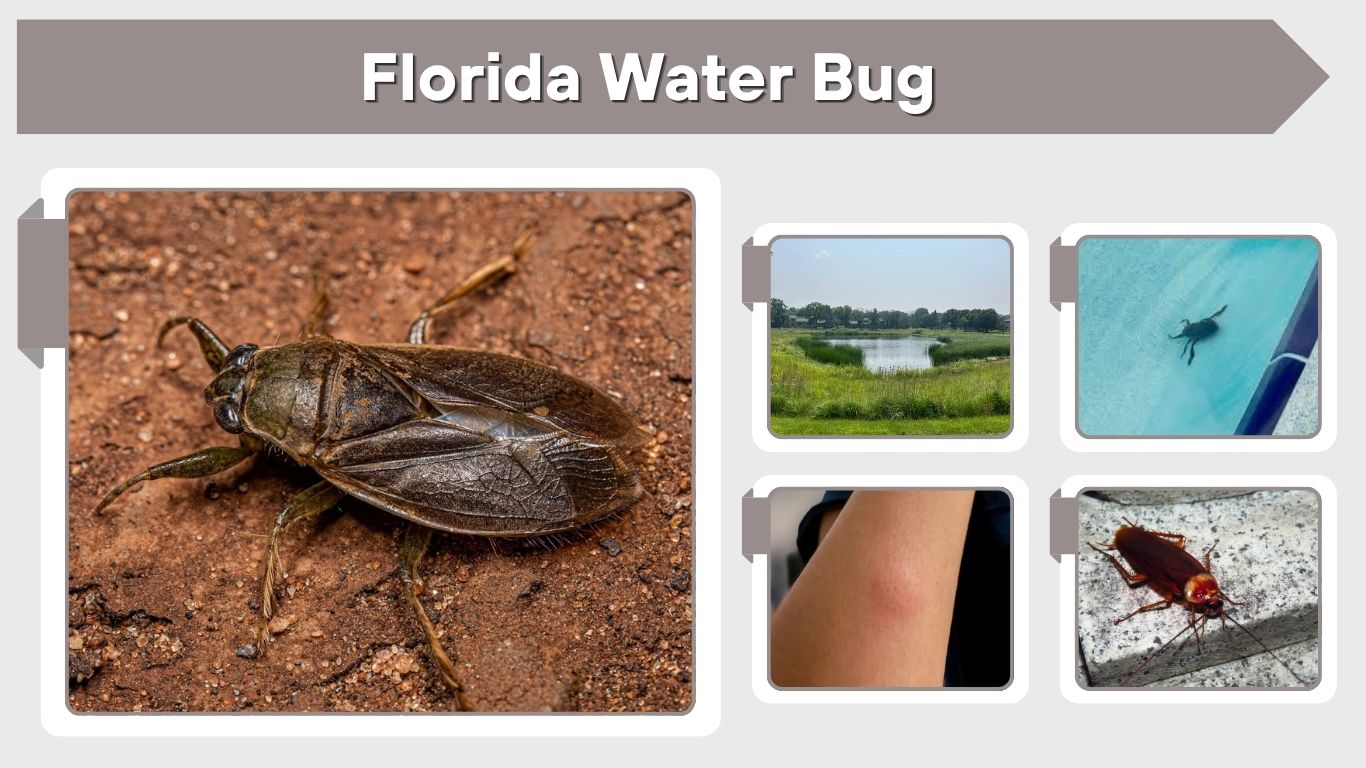
A Florida water bug can mean different things depending on who is using the name. Some people use it for true aquatic insects like giant water bugs, while others use it for large roaches or palmetto bugs found around damp areas. Because Florida is warm, humid, and full of lakes, ponds, canals, pools, and wetlands, both types are common. Knowing the difference helps you identify the insect correctly and decide what to do next.
What Is a Florida Water Bug?
The term Florida water bug is a common name, not a single scientific species. In many cases, people use it to describe a large bug found near water, in a swimming pool, or around damp parts of the home. The most important distinction is whether the insect is a true water bug or a cockroach.
A true water bug is an aquatic insect that lives in ponds, lakes, marshes, ditches, and slow-moving water. A roach, often called a palmetto bug in Florida, lives mostly on land but prefers warm, damp, sheltered areas.
Common Meanings of Florida Water Bug
People may use the phrase for:
- Giant water bugs
- Smaller aquatic water bugs
- Water beetles
- Palmetto bugs
- Florida woods cockroaches
- American cockroaches near drains or damp areas
This is why identification matters. A giant water bug in a pool is very different from a roach infestation inside a kitchen or bathroom.
Florida Water Bug Identification
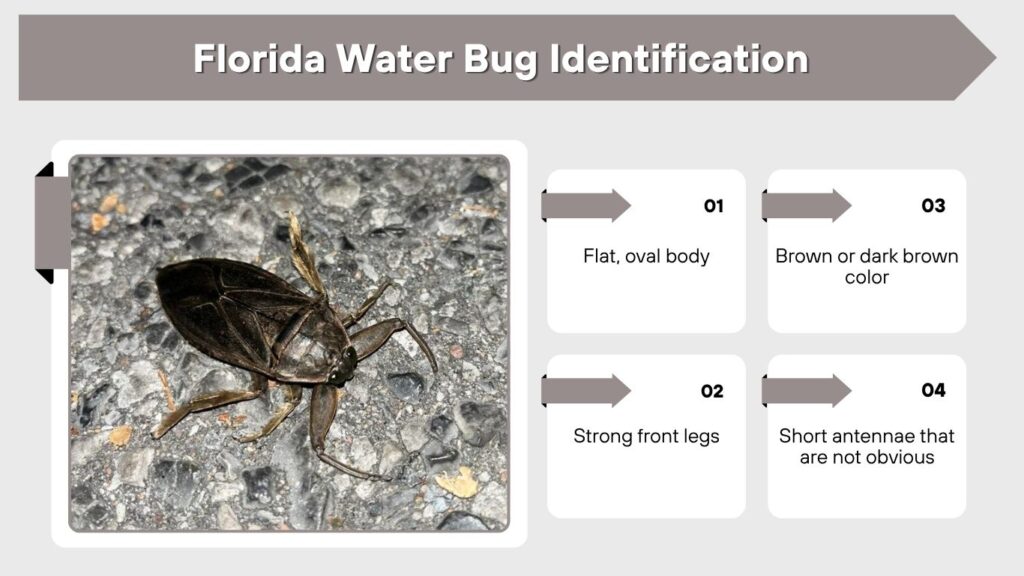
A true Florida water bug usually has a flat, oval body and strong legs adapted for swimming or grabbing prey. Giant water bugs are especially noticeable because they can be large, brown, and intimidating. They are aquatic predators and may be seen in pools, ponds, or near outdoor lights.
What Does a Florida Water Bug Look Like?
A giant water bug in Florida may look broad, flat, and brown. It has strong front legs used to capture prey and a sharp beak-like mouthpart used for feeding. Its body shape helps it hide among leaves, mud, and aquatic plants.
Look for these features:
- Flat, oval body
- Brown or dark brown color
- Strong front legs
- Swimming legs
- Short antennae that are not obvious
- Found in water or near bright lights
Cockroaches look different. They usually have long antennae, faster running movement, and a body built for land rather than water. Roaches are more likely to appear in kitchens, bathrooms, garages, drains, and outdoor storage areas.
Florida Water Bug vs Cockroach
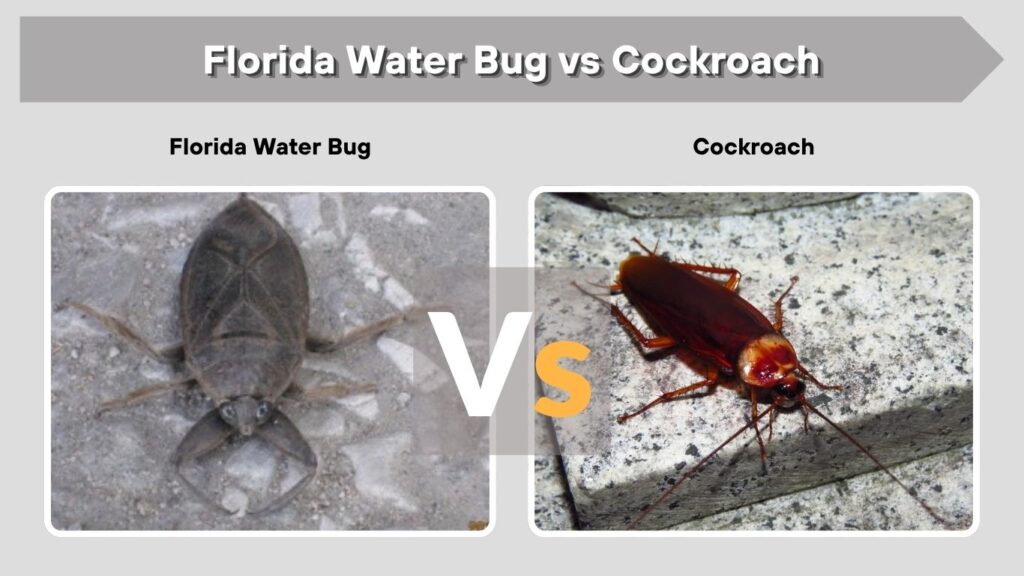
One of the biggest keyword topics is “Florida water bug vs cockroach.” This comparison is important because many people call large roaches “water bugs,” especially when they appear near plumbing or damp places.
A true water bug is an aquatic predator. A cockroach is a land-based scavenger. Water bugs usually live in natural water sources, while roaches live around food, moisture, shelter, and human structures.
| Feature | True Florida Water Bug | Florida Cockroach or Palmetto Bug |
|---|---|---|
| Habitat | Ponds, pools, lakes, ditches, wetlands | Homes, mulch, drains, garages, wood piles |
| Body | Flat and aquatic-looking | Oval, land-based body |
| Antennae | Short and less visible | Long and easy to see |
| Movement | Swims or crawls slowly on land | Runs quickly |
| Bite risk | Can bite painfully if handled | Rarely bites people |
| Home concern | Usually accidental visitor | May indicate moisture or pest issue |
Is a Palmetto Bug a Water Bug?
A palmetto bug is usually a cockroach, not a true water bug. In Florida, people often use “palmetto bug” for large outdoor roaches. These insects may enter homes, especially when conditions are wet, hot, or disturbed.
If the insect has long antennae and runs quickly across the floor, it is more likely a roach. If it was swimming in a pool or floating near the edge of a pond, it may be a true water bug.
Are Water Bugs Common in Florida?
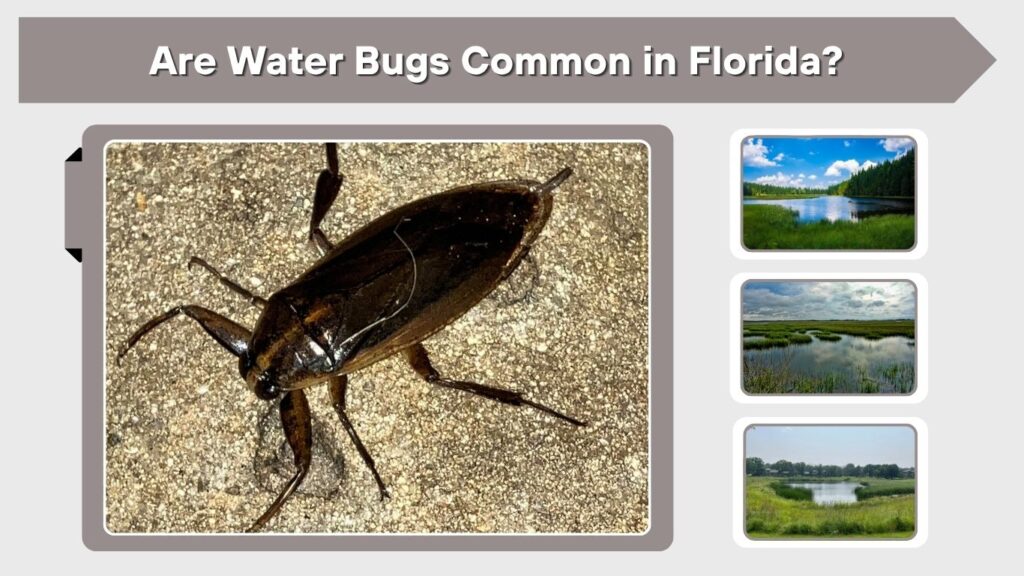
Yes, water bugs are common in Florida because the state has the right environment for them. Warm temperatures, high humidity, frequent rain, and abundant freshwater habitats create ideal conditions for many aquatic insects.
Florida has:
- Lakes
- Retention ponds
- Canals
- Marshes
- Swamps
- Drainage ditches
- Swimming pools
- Wet landscaping
These areas can attract both true water bugs and roaches. True water bugs are more common outdoors, while roaches may move between outdoor shelter and indoor spaces.
Giant Water Bugs in Florida
Giant water bugs are among the most recognizable water bugs in Florida. They are sometimes called toe-biters or electric light bugs. The “toe-biter” name comes from their painful defensive bite, while “electric light bug” comes from their habit of flying toward bright lights at night.
How Big Can Florida Water Bugs Get?
Giant water bugs can be much larger than many household insects. Some species of giant water bugs are among the largest true bugs. In Florida, people may find large individuals in ponds, ditches, and pools.
Their size often causes alarm, but they are not interested in attacking humans. They are predators of aquatic animals and usually bite only when disturbed, stepped on, or handled.
Florida Water Bugs in Pools
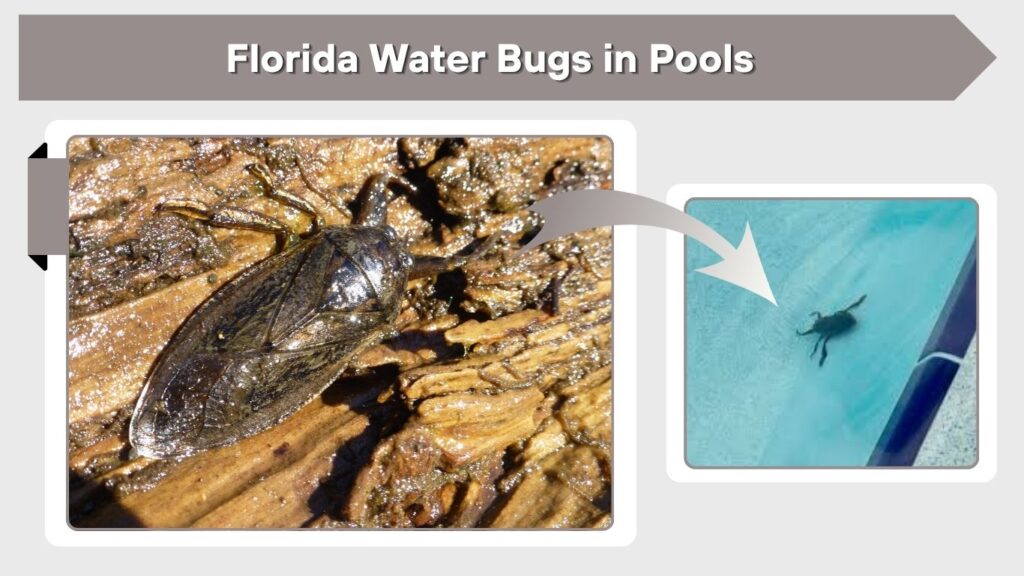
Many people first notice water bugs in a swimming pool. A pool can attract aquatic insects for several reasons. Lights may draw flying adults at night, and standing water can make the pool look like a suitable habitat.
A true water bug in a pool does not always mean the pool is dirty. It may simply have landed there while flying. However, leaves, algae, or other insects in the water can make pools more attractive.
Why Water Bugs Enter Pools
Common reasons include:
- Bright pool lights at night
- Outdoor lights near the pool
- Floating leaves and debris
- Other insects in the water
- Nearby ponds, canals, or wetlands
- Storms or seasonal movement
How to Remove Water Bugs from a Pool
Do not pick up a large water bug with bare hands. Use a pool skimmer or long-handled net. If it is a giant water bug, it may bite if grabbed directly.
Helpful steps include:
- Skim the pool regularly
- Remove leaves and insects
- Keep pool chemistry balanced
- Use a pool cover when possible
- Turn off unnecessary lights at night
- Trim vegetation near the pool area
If the insects are actually roaches around the pool deck, focus on reducing moisture, sealing gaps, removing food sources, and cleaning outdoor storage areas.
Do Florida Water Bugs Bite?
True water bugs, especially giant water bugs, can bite. Their bite is usually defensive and can be painful. They use a piercing mouthpart to feed on prey, and this same mouthpart can hurt if they bite a person.
A bite may happen if someone:
- Steps on one in shallow water
- Picks one up by hand
- Removes one from a pool carelessly
- Traps one against the skin
- Handles it while fishing or cleaning a pond
Cockroaches, on the other hand, are not known for painful defensive bites like giant water bugs. If someone says they were bitten by a Florida water bug, it is more likely they are talking about a true aquatic bug than a palmetto bug.
Florida Water Bug Bite Symptoms
A giant water bug bite may cause sharp pain, redness, swelling, and tenderness. It often hurts more than it looks. Most bites are not life-threatening, but they should be cleaned properly.
Basic first aid includes washing the area with soap and water, applying a cold compress, and watching for signs of infection. Seek medical help if redness spreads, swelling gets worse, pus appears, fever develops, or breathing problems occur.
Types of Water Bugs in Florida
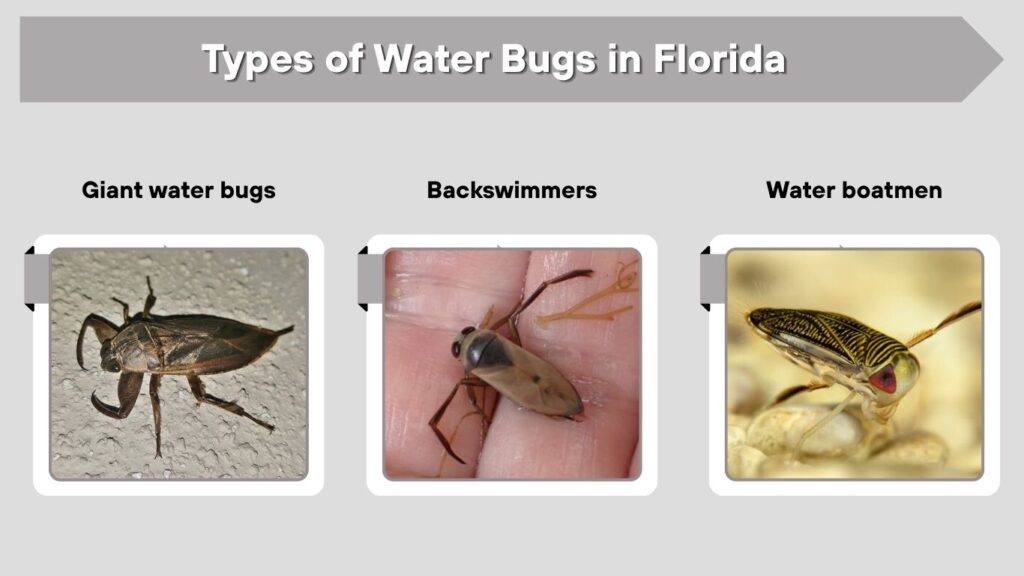
Florida has many insects that people may call water bugs. Some live in water, while others simply prefer damp places.
Common categories include:
- Giant water bugs
- Backswimmers
- Water boatmen
- Water striders
- Aquatic beetles
- Palmetto bugs
- American cockroaches
- Florida woods cockroaches
Not all of these are dangerous. Many aquatic bugs play useful roles in ponds and wetlands. The main concern is correct identification, especially when the insect is found inside the home.
How to Get Rid of Water Bugs in Florida
The best method depends on whether you have true water bugs or roaches. For true water bugs outdoors, removal is usually simple. For roaches indoors, prevention and pest control may be needed.
For True Water Bugs
Use these steps:
- Remove them with a net
- Reduce outdoor lighting
- Clean pool debris
- Maintain ponds and water features
- Avoid touching them directly
- Keep window and door screens sealed
For Roaches or Palmetto Bugs
Use these steps:
- Fix leaks and moisture problems
- Seal cracks around doors and pipes
- Keep food sealed
- Remove cardboard and clutter
- Clean under appliances
- Move mulch and wood piles away from the house
- Call pest control if activity continues
FAQs
What does a Florida water bug look like?
A true Florida water bug usually has a flat, brown, oval body with strong legs and an aquatic shape. Giant water bugs may look large and intimidating. If the insect has long antennae, runs fast, and appears indoors near food or drains, it is more likely a cockroach or palmetto bug.
Are Florida water bugs cockroaches?
Sometimes people use “Florida water bug” to mean a cockroach, but true water bugs are different insects. Giant water bugs live in water and can bite defensively. Cockroaches live mostly on land and are common around damp, sheltered areas. Identification depends on body shape, antennae, movement, and location.
Do Florida water bugs bite?
True water bugs can bite, especially giant water bugs. The bite can be painful but usually happens only when the insect is handled, stepped on, or trapped. Cockroaches are not known for painful defensive bites. If bitten, clean the area and watch for swelling, infection, or allergic symptoms.
Why are Florida water bugs in my pool?
Water bugs may enter pools because of bright lights, nearby ponds, insects in the water, or floating debris. A giant water bug in the pool may have flown there at night. Remove it with a skimmer, avoid bare-hand contact, keep the pool clean, and reduce unnecessary lights near the water.
How do I get rid of Florida water bugs?
For true water bugs, remove them with a net, clean pool debris, reduce outdoor lighting, and maintain nearby water features. For roaches or palmetto bugs, fix leaks, seal gaps, store food properly, remove clutter, and reduce damp hiding places. Persistent indoor activity may require professional pest control.