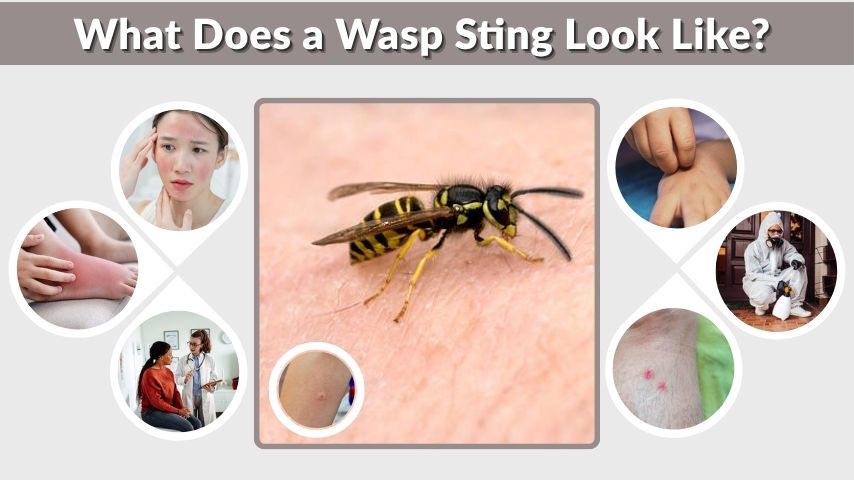
A wasp sting usually causes sudden pain, redness, swelling, and irritation shortly after the sting occurs. In many cases, the sting appears as a raised red bump with a small puncture mark in the center. Reactions can vary depending on the type of wasp, the location of the sting, and the person’s sensitivity to venom. Some people experience only mild discomfort, while others may develop larger swelling or allergic reactions that require medical attention.
Because wasp stings can resemble bee stings, spider bites, or other insect reactions, proper identification is important. Understanding how a wasp sting changes during healing can help people recognize normal symptoms and identify warning signs that may indicate infection or severe allergic reactions.
What Does a Wasp Sting Look Like?
A typical wasp sting appears as a swollen red bump surrounded by irritated skin. The area may feel warm, painful, and itchy within minutes after the sting. Swelling often increases during the first several hours before gradually improving.
Common Appearance of a Wasp Sting
- Raised red bump
- Small puncture mark
- Swollen surrounding skin
- Warm irritated area
- Itchy or burning sensation
Wasp Sting Color and Shape
Most wasp stings appear pink or red with a circular swollen shape around the sting site. In some people, the swelling may spread beyond the original sting area and create larger inflamed patches of skin.
How Fast Symptoms Appear
Wasp sting symptoms usually develop quickly. Sharp pain often happens immediately, followed by redness, swelling, and itching within minutes after the venom enters the skin.
Stages of a Wasp Sting
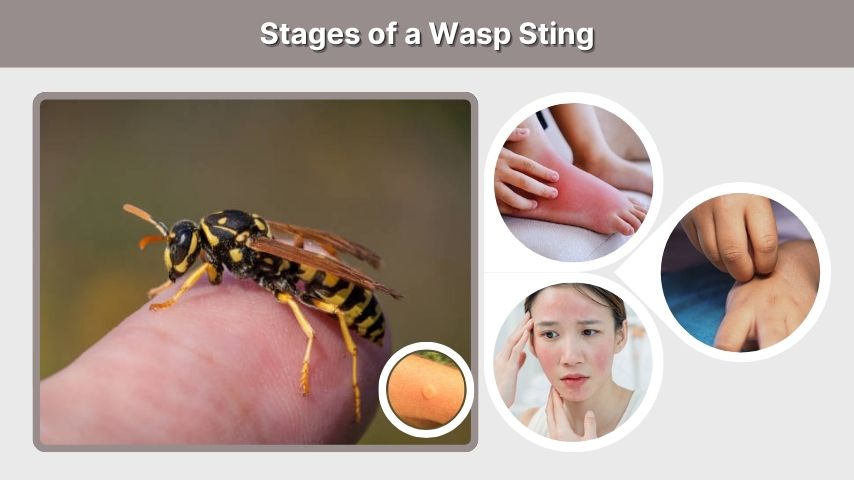
Wasp sting symptoms often change over time as the body reacts to venom and begins healing. Understanding the stages of a sting can help people recognize whether recovery is progressing normally.
Immediate Sting Appearance
- Sharp burning pain
- Tiny visible puncture point
- Early redness
- Mild swelling begins
- Warm skin sensation
Wasp Sting After Several Hours
Several hours after the sting, swelling may increase and the area can become itchier or more painful. Some people develop larger raised welts depending on skin sensitivity and immune response.
Healing and Recovery Stage
Most mild wasp stings improve within a few days. Redness and swelling gradually fade while itching may continue during healing. Temporary skin discoloration may remain briefly after recovery.
Mild vs Severe Wasp Sting Reactions
Wasp sting reactions vary greatly between individuals. Some people experience only small local swelling, while others may develop large reactions or severe allergic symptoms that require emergency care.
Mild Wasp Sting Symptoms
- Small swollen bump
- Mild redness
- Temporary burning pain
- Light itching
- Tender skin near the sting
Moderate Sting Reactions
Moderate reactions may involve larger swollen areas, increased warmth, and persistent discomfort lasting several days. Swelling can spread farther from the sting site in sensitive individuals.
Severe Allergic Reactions
Severe allergic reactions may include trouble breathing, swelling of the throat or face, dizziness, rapid heartbeat, and widespread hives. These symptoms may develop quickly and require immediate medical attention.
Wasp Sting Pictures and Identification Clues
Wasp stings can appear differently depending on the sting location, skin tone, and severity of the reaction. Certain body areas may swell more noticeably because the skin is thinner or more sensitive.
Wasp Sting on Arms and Legs
- Common on exposed skin
- Red swollen patches
- Raised itchy bumps
- Warm skin around the sting
- Mild to moderate swelling
Wasp Sting on Black Skin
On darker skin tones, redness may appear less visible while swelling and darker discoloration become more noticeable. Some people may notice purple, gray, or darkened patches instead of bright redness.
Wasp Sting on Face or Neck
Wasp stings on the face, lips, or neck can cause larger swelling because of sensitive tissues in these areas. Swelling near the throat may become dangerous if breathing is affected.
Wasp Sting vs Bee Sting
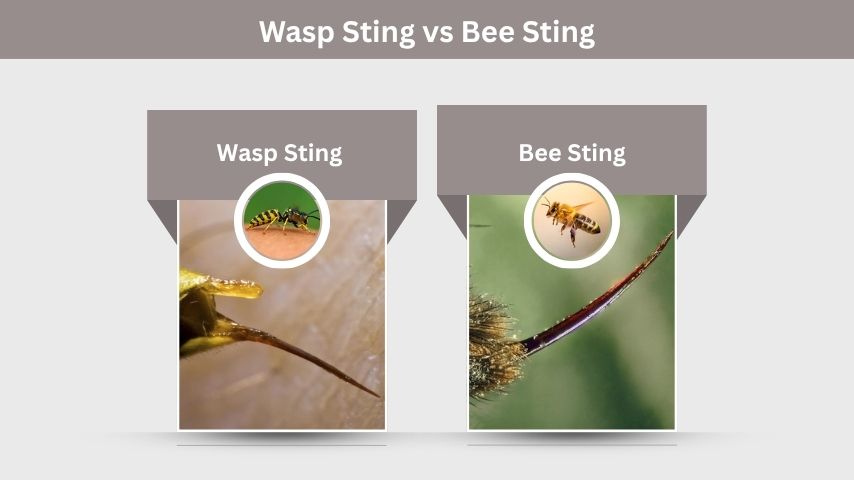
Wasp stings and bee stings may look similar at first, but there are important differences involving stingers, pain levels, and swelling patterns. Proper identification can help guide treatment and safety decisions.
Wasp Sting Appearance
- Small puncture mark
- Usually no visible stinger
- Swollen red bump
- Multiple stings possible
- Burning pain sensation
Bee Sting Appearance
Bee stings often leave a visible stinger in the skin attached to a small venom sac. The area usually becomes swollen, red, and painful shortly after the sting occurs.
Differences in Pain and Swelling
Wasp stings often create sharper burning pain and may occur multiple times because wasps can sting repeatedly. Bee stings are more likely to involve a single sting with a retained stinger.
Wasp Sting vs Other Insect Bites
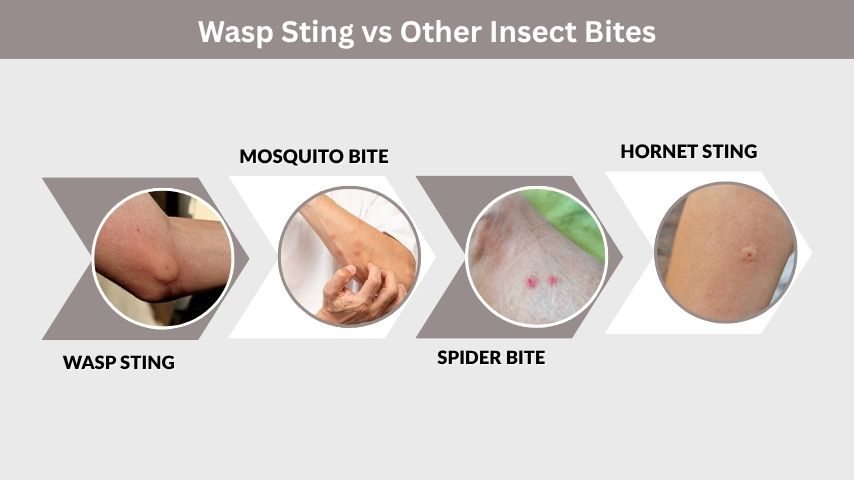
Wasp stings are sometimes confused with mosquito bites, spider bites, hornet stings, and other insect reactions. Comparing swelling, pain, puncture marks, and itching can help identify the likely cause of skin irritation.
Wasp Sting vs Mosquito Bite
- Wasp stings are painful immediately
- Mosquito bites are usually painless at first
- Wasp swelling is often larger
- Mosquito bites itch more than burn
- Wasp stings create stronger redness
Wasp Sting vs Spider Bite
Spider bites often produce two small puncture marks, while wasp stings usually leave one puncture point. Wasp stings commonly cause burning pain and swelling immediately after the sting occurs.
Wasp Sting vs Hornet Sting
Hornet stings and wasp stings can appear very similar because hornets are a type of wasp. However, hornet stings may produce stronger pain and larger swelling due to more potent venom.
Why Wasp Stings Swell
Swelling develops because the body reacts to venom injected during the sting. The immune system releases chemicals that increase blood flow and inflammation around the sting site.
Venom and Immune Response
- Histamine release
- Skin inflammation
- Fluid buildup in tissues
- Irritated nerve endings
- Redness and warmth
Why Some People Swell More
Some individuals react more strongly because of allergies, sensitive skin, or repeated exposure to wasp venom. Children and allergy-prone individuals may develop larger swollen areas after being stung.
Wasp Sting Itching and Burning
Itching often develops during healing as the immune system continues reacting to venom proteins. Burning pain usually appears first, while itching becomes more noticeable later during recovery.
Wasp Sting Treatment
Most mild wasp stings can be treated safely at home using simple first-aid methods. Fast treatment may reduce swelling, discomfort, and the risk of infection from scratching.
Immediate First Aid Steps
- Move away from the wasp area
- Wash the sting with soap and water
- Apply a cold compress or ice pack
- Avoid scratching the skin
- Monitor for allergic symptoms
Home Remedies for Wasp Stings
Cold packs, aloe vera gel, baking soda paste, and honey are commonly used to soothe mild sting irritation. These remedies may help reduce itching and calm inflamed skin naturally.
Over-the-Counter Treatments
Antihistamines, hydrocortisone cream, and pain relievers can help manage swelling, itching, and pain. These treatments are often used when sting symptoms remain uncomfortable for several hours or days.
When to Seek Medical Attention
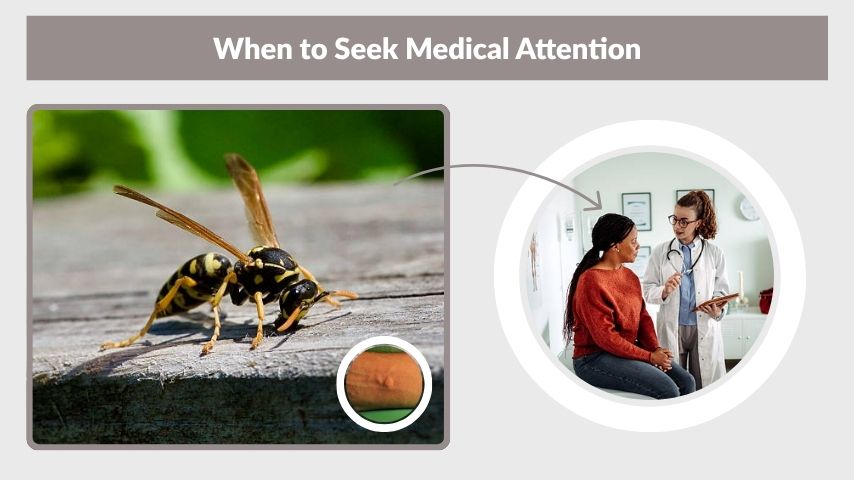
Although most wasp stings improve naturally, severe allergic reactions and dangerous sting locations may require emergency treatment. Monitoring symptoms carefully is important after every sting.
Signs of Anaphylaxis
- Trouble breathing
- Swollen throat or tongue
- Rapid heartbeat
- Dizziness or fainting
- Severe widespread swelling
Dangerous Sting Locations
Stings inside the mouth, throat, or near the eyes can become dangerous because swelling may affect breathing or damage sensitive tissues. Multiple stings may also increase medical risks.
Infection Symptoms
Increasing redness, pus formation, warmth, fever, or worsening pain may indicate infection around the sting site. Medical evaluation may be needed if symptoms continue worsening instead of improving.
How to Prevent Wasp Stings
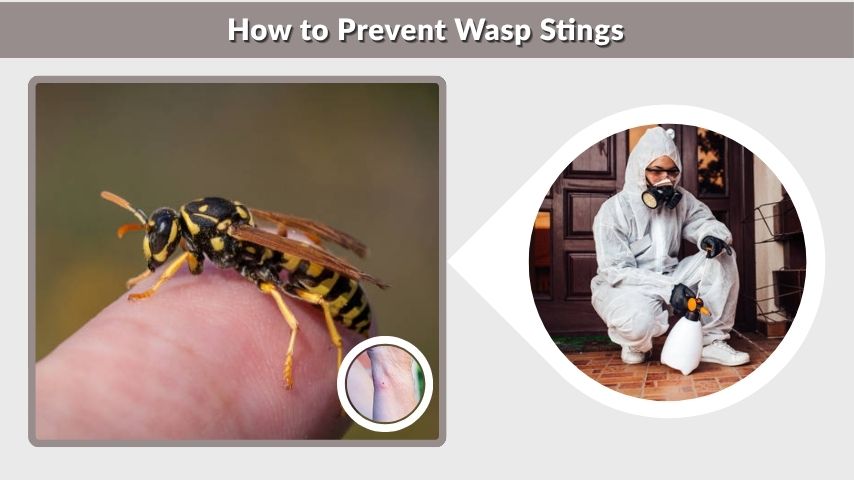
Preventing wasp stings helps reduce painful reactions and allergic emergencies. Avoiding nests and limiting attractants around homes are important safety measures during warm months.
Avoiding Wasp Nests
- Stay away from visible nests
- Watch roof edges and trees
- Avoid disturbing wasps
- Hire professionals for removal
- Keep children and pets away
Outdoor Safety Tips
Wasps are attracted to sweet foods, drinks, and strong scents. Remaining calm around wasps and avoiding sudden movements can lower the chance of provoking defensive stinging behavior.
Preventing Wasps Around Homes
Keeping garbage sealed, cleaning outdoor eating areas, and sealing wall openings may help reduce wasp activity near homes. Removing food sources can discourage nesting nearby.
FAQs
What does a wasp sting look like?
A wasp sting usually appears as a raised red bump with swelling, warmth, and a small puncture mark in the center. The area may feel painful, itchy, or burning shortly after the sting occurs.
How long does a wasp sting stay swollen?
Mild swelling from a wasp sting often improves within one to three days, although larger reactions may last longer. Severe swelling or allergic symptoms should be checked by a medical professional immediately.
How can you tell a wasp sting from a bee sting?
Wasp stings usually do not leave a visible stinger behind because wasps can sting multiple times. Bee stings often leave a stinger attached to the skin along with a small venom sac.
Why does a wasp sting?
A wasp sting itches because the immune system reacts to venom proteins injected into the skin. Histamine release during healing causes itching, swelling, redness, and skin irritation around the sting area.
When should you worry about a wasp sting?
Medical attention may be needed if a sting causes breathing difficulty, severe swelling, dizziness, throat tightness, or signs of infection such as pus, fever, or worsening redness around the sting site.