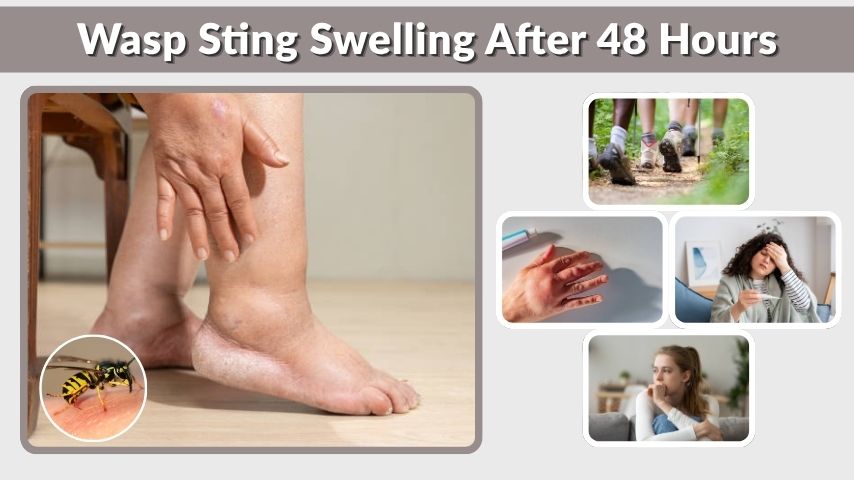
Swelling after a wasp sting can sometimes continue for 48 hours or longer, especially in people with sensitive skin or strong immune reactions. Many stings cause redness, itching, warmth, and pain that gradually increases before improving. In most cases, swelling after two days is still considered normal, particularly after yellow jacket or paper wasp stings. However, severe swelling, breathing problems, or signs of infection may require medical attention. Understanding the difference between normal healing and allergic reactions helps people treat wasp stings safely and recognize when symptoms become serious.
Is Wasp Sting Swelling After 48 Hours Normal?
Many people become concerned when swelling continues two days after a sting. However, delayed swelling is common because the body continues reacting to the venom even after the initial pain fades. Large local reactions often peak between 24 and 48 hours before slowly improving.
Why Swelling Continues After 48 Hours
Wasp venom triggers inflammation in the skin and surrounding tissues. The immune system responds by sending fluids and immune cells to the area, which may cause swelling to continue for several days.
How Long Wasp Sting Swelling Usually Lasts
Typical swelling patterns include:
- Mild swelling for one to three days
- Larger swelling for up to a week
- Itching during healing
- Gradual redness reduction
- Tenderness around the sting site
Large local reactions may heal more slowly than mild stings.
What Normal Healing Looks Like
Normal healing usually includes swelling that slowly improves instead of rapidly spreading. Mild itching and skin warmth are also common during recovery.
Common Symptoms After 48 Hours
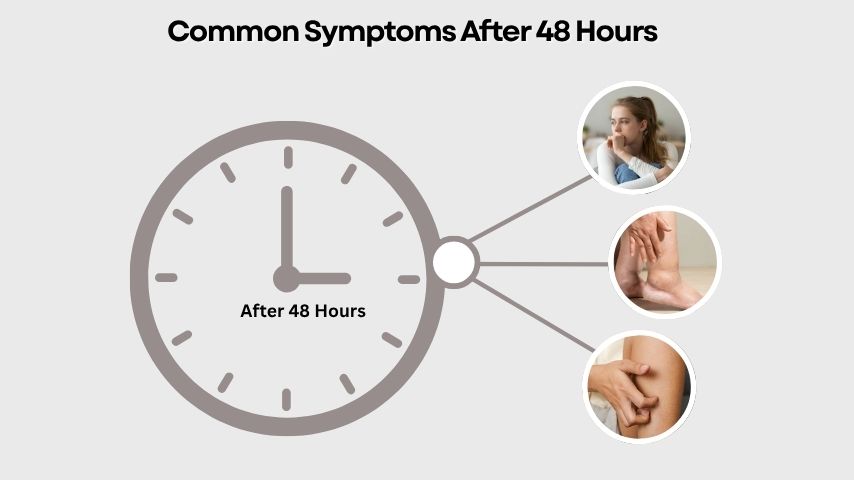
Many wasp sting symptoms remain noticeable after two days, especially when the sting affects sensitive body areas like the hand, foot, or face.
Swelling and Redness
Swelling after 48 hours may still appear large and uncomfortable. The affected skin may feel tight, warm, or slightly painful during movement.
Itching After a Wasp Sting
Itching often becomes stronger after the first day because the skin is healing. Scratching the area can worsen irritation and increase the risk of infection.
Pain and Tenderness
Mild soreness around the sting site is common, especially if swelling presses against nearby tissues or joints.
Swelling and Itching Comparison Table
| Symptom | Normal Reaction | Concerning Reaction |
| Swelling | Mild to moderate | Rapidly spreading |
| Itching | Common | Severe hives |
| Redness | Localized | Hot expanding skin |
| Pain | Slowly improving | Increasing pain |
Large Local Reaction to a Wasp Sting
A large local reaction causes swelling that extends far beyond the sting site. For example, a sting on the finger may cause swelling throughout the hand or arm. These reactions are uncomfortable but not always dangerous.
What Is a Large Local Reaction?
Large local reactions commonly include:
- Significant swelling
- Redness spreading several inches
- Tight or stretched skin
- Warmth around the sting
- Itching lasting several days
These reactions are caused by a stronger immune response to venom.
Why Large Reactions Happen
Some people are naturally more sensitive to wasp venom than others. The immune system may overreact to the sting, causing prolonged swelling and inflammation.
How Long Large Reactions Last
Large local reactions often peak around 48 hours and may continue improving slowly over the next several days.
Allergic Reactions to Wasp Stings
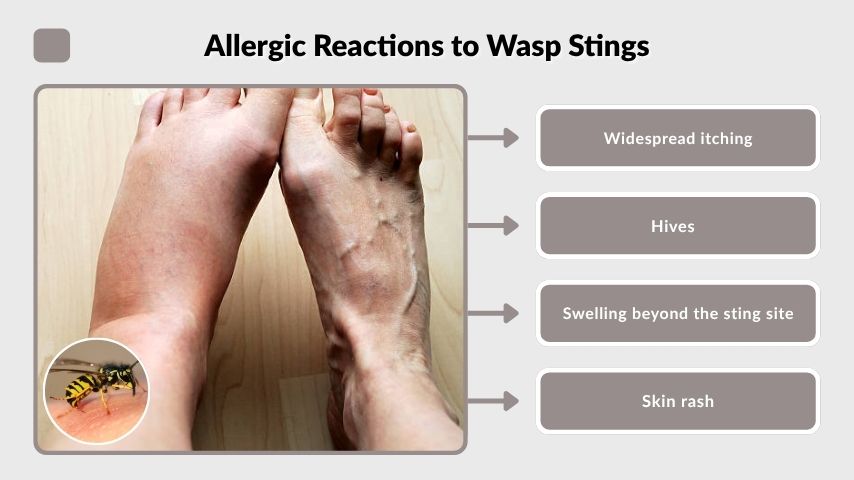
Most wasp stings are mild, but allergic reactions can become serious very quickly. Knowing the warning signs helps people seek treatment before symptoms become dangerous.
Mild Allergic Reactions
Some allergic reactions cause:
- Widespread itching
- Hives
- Swelling beyond the sting site
- Skin rash
- Increased redness
These symptoms may appear several hours after the sting occurs.
Severe Allergic Reactions
Severe reactions, also called anaphylaxis, require emergency medical care. Symptoms include breathing difficulty, throat swelling, dizziness, and rapid heartbeat.
Delayed Allergic Reactions After 48 Hours
In some cases, swelling or rash symptoms may return after initially improving. Delayed immune reactions can sometimes appear days after the original sting.
Wasp Sting Swelling After 48 Hours Treatment
Home treatment often helps reduce swelling and itching while the body heals naturally. Proper care may also prevent infection and further irritation.
Cold Compress Treatment
Cold compresses help reduce inflammation and numb discomfort. Ice packs wrapped in cloth can be applied several times throughout the day.
Antihistamines and Medications
Common treatments include:
- Oral antihistamines
- Hydrocortisone cream
- Ibuprofen
- Acetaminophen
- Anti-itch creams
These treatments may reduce itching, redness, and swelling.
Elevation and Rest
Keeping the swollen area elevated above heart level may help reduce fluid buildup and improve comfort during recovery.
Different Types of Wasp Stings and Swelling
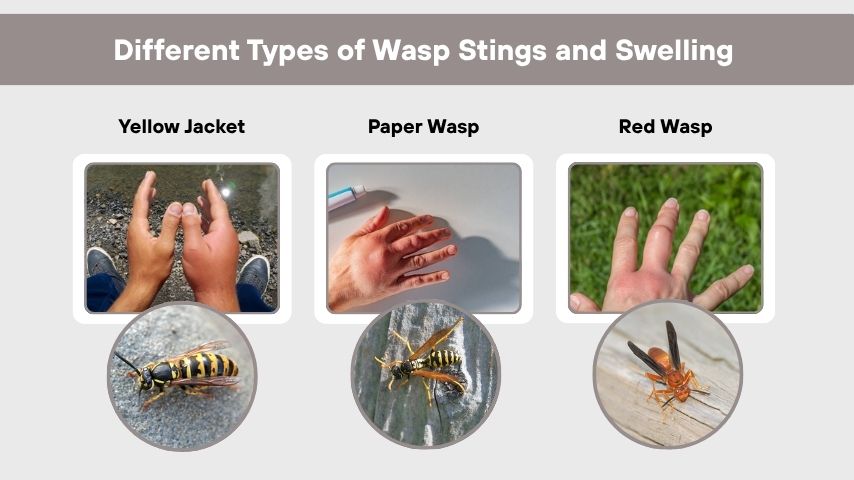
Different wasp species may cause slightly different reactions depending on venom strength and the number of stings received.
Yellow Jacket Wasp Sting Swelling
Yellow jackets are aggressive wasps that may sting multiple times. Their stings often cause strong swelling and burning pain.
Paper Wasp Sting Swelling
Paper wasp stings commonly produce delayed swelling and itching that may remain noticeable after 48 hours.
Red Wasp Sting Reactions
Red wasp stings are often described as especially painful. Swelling may spread widely around the sting area before improving slowly.
Bee vs Wasp Sting Swelling After 48 Hours
Bee stings and wasp stings can both remain swollen after two days, but wasp stings sometimes cause longer-lasting irritation because wasps can sting multiple times and inject venom repeatedly. Understanding the differences may help explain why symptoms continue.
Bee Sting vs Wasp Sting Comparison
| Feature | Bee Sting | Wasp Sting |
| Stinger Left Behind | Usually yes | Usually no |
| Multiple Stings | Rare | Common |
| Swelling Duration | Moderate | Sometimes longer |
| Pain Type | Sharp and sudden | Burning and intense |
Why Wasp Swelling May Last Longer
Some wasp species, including yellow jackets and red wasps, inject venom that creates stronger inflammation in sensitive individuals. Swelling may continue increasing for up to 48 hours before slowly improving.
Multiple Stings and Delayed Swelling
People stung several times often experience more intense swelling because the body reacts to a larger amount of venom. Multiple stings may also increase the risk of allergic reactions.
When Swelling Becomes Dangerous
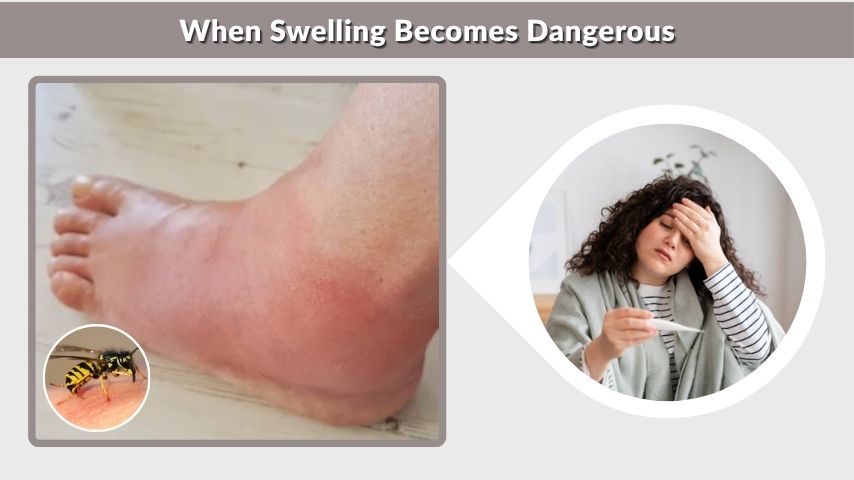
Although most swelling improves naturally, some symptoms suggest the sting may require medical attention. Rapidly worsening reactions should never be ignored.
Signs of Infection
A sting may become infected if bacteria enter damaged skin. Warning signs include:
- Pus or drainage
- Fever
- Increasing redness
- Hot skin around the sting
- Worsening pain after several days
Dangerous Swelling Locations
Swelling near certain body parts may become serious because it can interfere with breathing or vision.
High-risk sting locations include:
- Mouth
- Tongue
- Throat
- Eye or eyelid
- Neck
Swelling That Keeps Returning
Some people notice swelling improves and then returns again later. Delayed immune responses can cause renewed itching, redness, or puffiness several days after the sting.
When to Visit a Doctor
Medical care may be needed if swelling keeps spreading, pain becomes severe, or allergic symptoms appear. Persistent swelling lasting longer than a week should also be evaluated.
Wasp Sting Swelling After 48 Hours in Children
Children may develop larger swelling reactions because of their smaller body size and sensitive skin. Parents often become worried when swelling remains visible after two days.
Common Reactions in Children
Children commonly experience:
- Puffy swelling
- Itching and redness
- Emotional distress
- Increased sensitivity to pain
- Swelling around joints or fingers
Most mild reactions improve gradually without serious complications.
Safe Treatments for Kids
Cold compresses, child-safe antihistamines, loose clothing, and gentle skin care often help reduce irritation and swelling in children.
When Parents Should Seek Medical Care
Parents should contact a doctor if the child develops breathing difficulty, severe facial swelling, fever, vomiting, or signs of infection.
Wasp Sting Swelling After 48 Hours in the UK and NHS Advice
General NHS-style recommendations focus on reducing swelling, monitoring symptoms, and recognizing emergency warning signs. Most mild reactions can be treated safely at home.
NHS Home Care Recommendations
Common advice includes:
- Applying cold compresses
- Using antihistamines
- Keeping the area clean
- Avoiding scratching
- Monitoring for allergic reactions
UK Emergency Warning Signs
Emergency care is recommended for symptoms such as chest tightness, breathing problems, rapid swelling, or collapse after a sting.
Typical Recovery Expectations
Mild swelling usually improves within several days, while large local reactions may take up to a week to heal completely.
Preventing Severe Wasp Sting Reactions
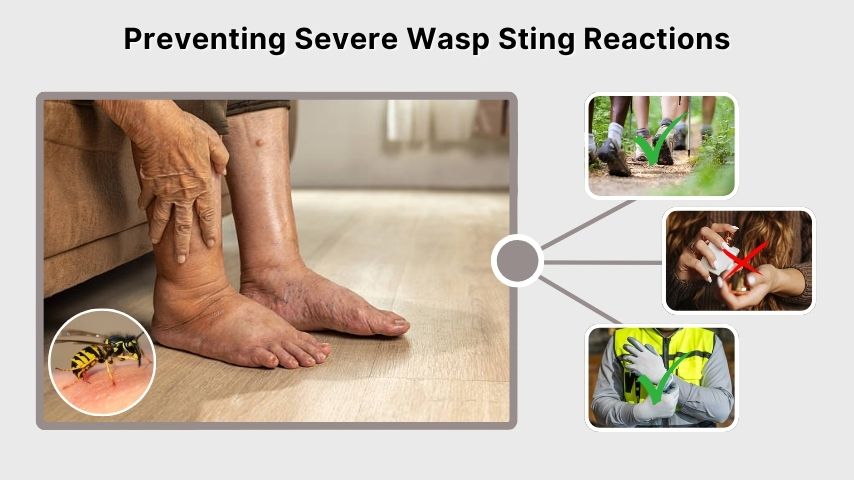
Avoiding future stings is important for people who react strongly to wasp venom. Preventive steps can lower the risk of serious swelling or allergic reactions.
Avoiding Wasp Nests
People should stay calm around wasps and avoid disturbing visible nests in trees, roofs, or outdoor structures.
Carrying Emergency Medication
Individuals with severe sting allergies may carry an epinephrine auto-injector in case of accidental stings.
Protecting Skin Outdoors
Simple prevention methods include:
- Wearing shoes outside
- Avoiding scented products
- Covering food and drinks outdoors
- Wearing protective clothing
- Checking outdoor furniture carefully
FAQs
Is swelling after 48 hours normal for a wasp sting?
Yes, mild to moderate swelling after 48 hours is often normal, especially during large local reactions.
Why is my wasp sting still itchy after two days?
Itching commonly continues during healing because the immune system is still reacting to the venom.
Can swelling get worse after 48 hours?
Yes, swelling sometimes peaks around 48 hours before gradually improving over the next several days.
When should I worry about wasp sting swelling?
You should seek medical attention if swelling spreads rapidly, breathing becomes difficult, or signs of infection appear.
What helps reduce swelling after a wasp sting?
Cold compresses, antihistamines, elevation, and hydrocortisone cream may help reduce swelling and discomfort.