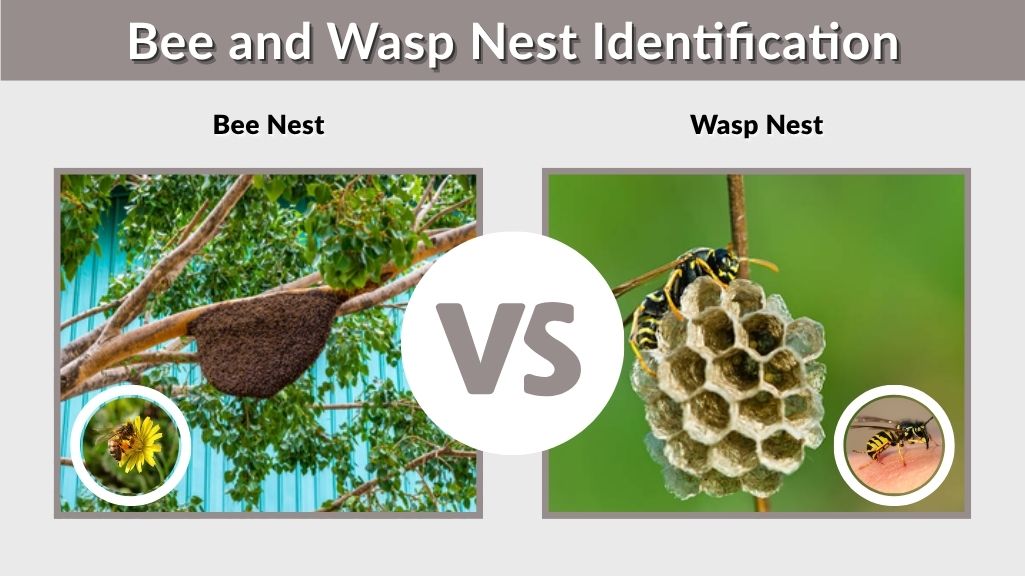
Bee and wasp nests are often confused because both contain flying stinging insects and may appear around roofs, trees, walls, gardens, or underground spaces. However, the materials, shape, and insect behavior are very different. Bees usually build wax honeycomb hives, while wasps create paper-like nests from chewed wood fibers.
Correct nest identification is important because some insects are valuable pollinators while others may become aggressive near their nests. This guide explains how to identify bee nests, wasp nests, hornet nests, and common nest locations safely around homes.
Why Bee and Wasp Nest Identification Matters
Identifying a nest correctly helps homeowners avoid dangerous encounters and protect beneficial insects whenever possible. Removing the wrong nest may harm important pollinators or create unnecessary risks.
Safety Around Stinging Insects
Some bees and wasps defend their nests aggressively if disturbed. Knowing the species helps determine how dangerous the nest may be.
Protecting Helpful Pollinators
- Honey bees pollinate flowers
- Native bees support gardens
- Many bees are harmless
- Pollinators help food production
Avoiding Unnecessary Nest Removal
Many bee species are non-aggressive and temporary. Proper identification may prevent unnecessary destruction of helpful insects.
When Identification Is Difficult
Hidden nests inside walls, attics, or underground spaces may require professional inspection because only insect activity is visible.
What Is a Bee Nest?
Bee nests are commonly built from wax, mud, or plant materials depending on the species. Honey bees create large organized hives, while many native bees nest alone in tunnels or underground spaces.
Honey Bee Hive Structure
Honey bees build wax honeycomb made of hexagonal cells used for honey storage, pollen collection, and raising young bees.
Bumble Bee Nests
- Usually built underground
- Small colony sizes
- Soft nesting materials
- Hidden entrances
Mason Bee Nests
Mason bees are solitary pollinators that often use hollow plant stems, drilled wood holes, or cracks in walls for nesting.
Common Bee Nest Materials
Different bee species use wax, mud, leaves, resin, or plant fibers to create safe nesting chambers.
What Is a Wasp Nest?
Wasp nests are usually made from paper-like material created by chewing wood fibers and mixing them with saliva. Different wasp species create different nest styles and colony sizes.
Paper Wasp Nest Structure
Paper wasps build open umbrella-shaped nests with visible hexagonal cells hanging beneath roofs, branches, or porch ceilings.
Yellow Jacket Nest Appearance
- Underground nesting behavior
- Enclosed paper colonies
- Aggressive defense behavior
- Large worker populations
Hornet Nest Structure
Hornets build large enclosed paper nests with layered outer walls. Many hornet nests hang from trees or sheltered structures.
Mud Wasp Nest Appearance
Mud wasps create tube-shaped or rounded mud nests attached to walls, ceilings, garages, and outdoor structures.
Bee Nest vs Wasp Nest Appearance
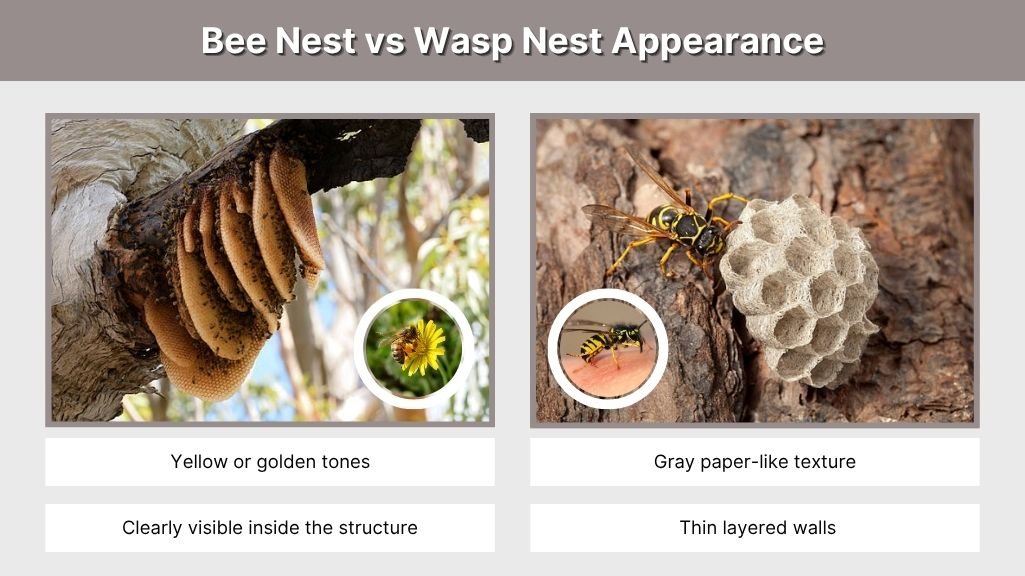
The appearance of the nest is one of the easiest ways to determine whether bees or wasps built it. Texture, color, and structure all provide important clues.
Bee Nest Appearance
Bee nests usually contain wax honeycomb with yellow or golden tones. Honeycomb cells often remain clearly visible inside the structure.
Wasp Nest Appearance
- Gray paper-like texture
- Thin layered walls
- Swirling fiber patterns
- Rough outer surface
Shape Differences
Bee hives usually contain repeating honeycomb sections, while wasp nests may appear football-shaped, layered, or open-comb depending on species.
Color and Texture Comparison
Bee nests often look smoother and waxier, while wasp nests usually appear dry, papery, and grayish in color.
Bee Hive vs Wasp Nest
Bee hives and wasp nests serve different purposes and are built using completely different materials. Their internal organization also differs greatly.
How Bees Build Hives
Worker bees produce wax using special glands and shape it into highly organized hexagonal honeycomb structures.
How Wasps Build Nests
- Gather wood fibers
- Chew fibers into pulp
- Mix pulp with saliva
- Form paper-like walls
Internal Structure Differences
Bee hives contain honey storage, pollen chambers, and brood areas. Wasp nests focus mainly on raising larvae and protecting the colony.
Colony Size Comparison
Honey bee colonies may contain thousands of workers year-round, while many wasp colonies survive only one season before dying off.
Bee vs Wasp vs Hornet Nest
Hornet nests are commonly confused with wasp nests because hornets belong to the wasp family. However, their nests are usually larger and more enclosed.
Bee Nest Features
- Wax honeycomb
- Pollinator activity
- Golden appearance
- Dense colony movement
Wasp Nest Features
Wasp nests usually have visible paper textures and may hang openly beneath roofs, branches, and outdoor structures.
Hornet Nest Features
- Football-shaped nests
- Thick paper walls
- Large enclosed structure
- Often built in trees
Yellow Jacket Nest Comparison
Yellow jackets frequently build hidden underground or wall nests and are known for aggressive defense near nest entrances.
Ground Nesting Bees vs Ground Nesting Wasps
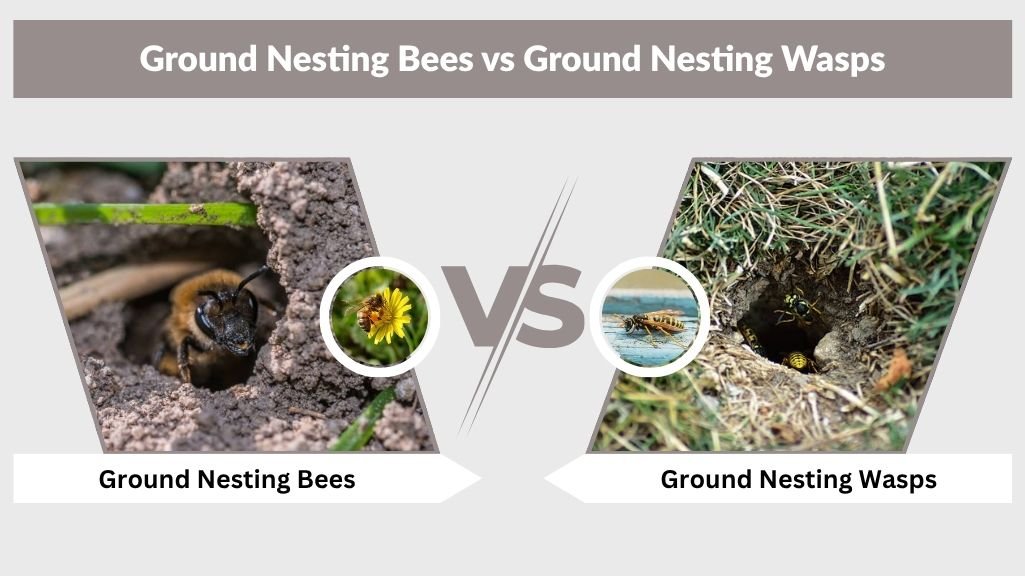
Some bees and wasps build nests underground, making identification more difficult for homeowners. Ground nests are often discovered accidentally when insects suddenly appear from holes in the soil.
Ground Nesting Bee Habits
Ground nesting bees are usually solitary and less aggressive than wasps. Many species help pollinate flowers, vegetables, and fruit crops.
Ground Wasp Nest Features
- Underground tunnel entrances
- Colony-based nesting
- Fast defensive response
- High worker activity
Mining Bees vs Ground Wasps
Mining bees often fly calmly around nest entrances, while ground wasps defend their colonies more aggressively when disturbed.
Safety Around Ground Nests
Avoid walking near active nest holes because disturbing underground colonies may trigger stinging behavior from wasps or hornets.
Common Nest Locations Around Homes
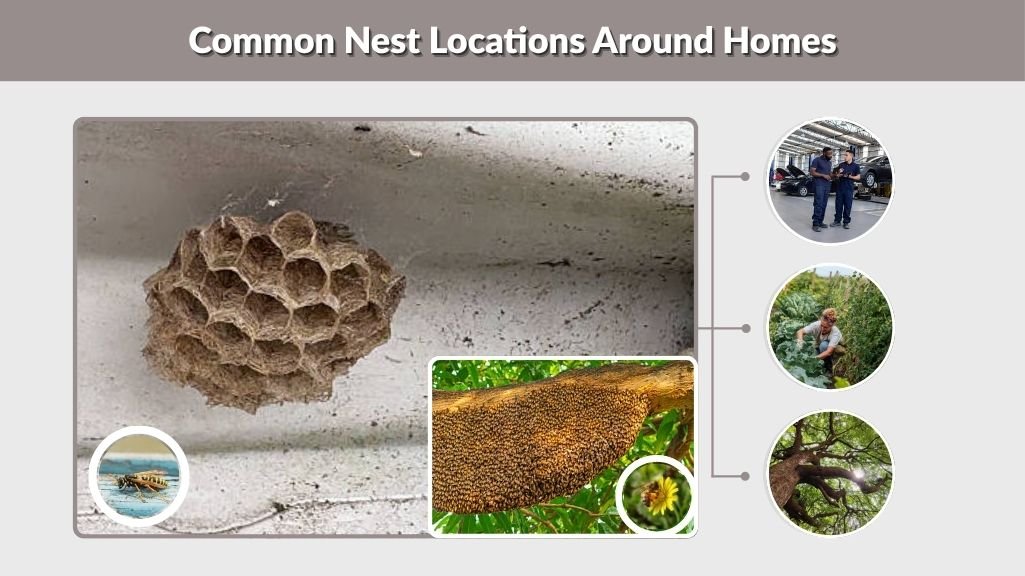
Bee and wasp nests may appear in many protected areas around houses, garages, gardens, and trees. Nest location often helps identify the insect species involved.
Roofs and Attics
Roof edges, soffits, attics, and wall cavities provide dry protected spaces that attract bees, wasps, and hornets.
Trees and Bushes
- Hanging hornet nests
- Bee swarms on branches
- Hidden paper wasp nests
- Nests inside dense shrubs
Walls and Siding
Some insects enter small cracks in siding or brick walls and create hidden nests inside wall voids.
Underground Areas
Yellow jackets and ground nesting bees commonly use holes in lawns, gardens, and loose soil areas for nesting.
Signs of Bee or Wasp Activity
Watching insect behavior carefully can help identify whether bees or wasps are present around the nest.
Flight Patterns
Bees usually move steadily between flowers and the nest, while wasps often fly more aggressively around food and nest entrances.
Aggressive vs Calm Behavior
- Honey bees are often calmer
- Wasps defend nests aggressively
- Hornets react strongly to disturbance
- Solitary bees rarely attack
Buzzing Sounds Near Walls
Hidden nests inside walls or attics may produce noticeable buzzing sounds caused by active insect movement.
Increased Insect Traffic
Frequent insect movement entering and leaving a specific hole or structure usually indicates an active nest nearby.
Are Bee and Wasp Nests Dangerous?
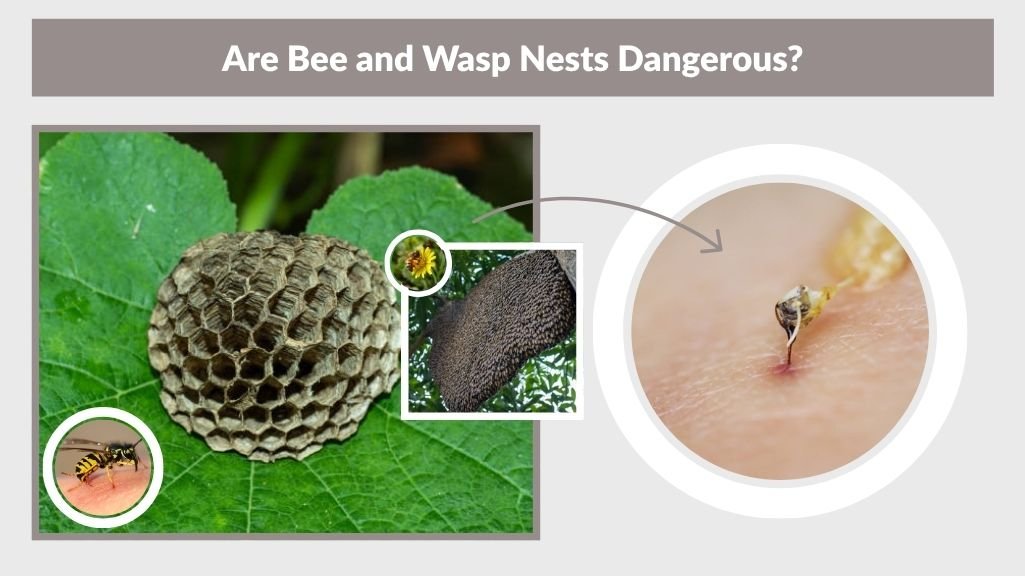
Some nests remain harmless if left alone, while others may become dangerous when colonies grow larger or feel threatened.
Bee Sting Risks
Honey bees may sting mainly when defending their hive. Worker bees lose their stinger after stinging, which causes the bee to die.
Wasp and Hornet Aggression
- Multiple stings possible
- Strong nest defense behavior
- Increased aggression near colonies
- Fast attack response
Allergic Reactions
People allergic to insect venom may experience severe reactions after stings and should seek emergency medical attention immediately.
Risks Around Large Colonies
Large colonies increase the chance of accidental disturbance and aggressive defensive swarming near homes or outdoor areas.
How to Identify a Nest Safely
Safe observation is important because disturbing nests may trigger defensive behavior from bees, wasps, or hornets.
Observe Nest Material
- Wax honeycomb suggests bees
- Paper material suggests wasps
- Mud chambers suggest mud wasps
- Large enclosed paper nests suggest hornets
Watch Insect Movement
Observing how insects enter, exit, and behave around the nest can provide important identification clues.
Avoid Touching the Nest
Never hit, shake, spray, or disturb a nest unless proper safety equipment and knowledge are available.
Use Binoculars or Zoom Cameras
Viewing nests from a safe distance reduces sting risk while helping homeowners inspect nest size and structure more carefully.
Nest Removal and Prevention Tips
Prevention and careful nest management help reduce risks around homes while protecting important pollinator species when possible.
Preventing Bee and Wasp Nests
Removing food sources and sealing entry points may discourage insects from nesting around homes and buildings.
Removing Small Nests Safely
- Remove nests during low activity
- Wear protective clothing
- Keep a safe distance
- Use proper pest control products
When to Call Professionals
Large nests, hidden colonies, or aggressive insect activity should usually be handled by trained pest control specialists.
Protecting Pollinators During Removal
Whenever possible, beneficial bee colonies should be relocated rather than destroyed because of their important role in pollination.
FAQs
How can you identify a bee nest from a wasp nest?
Bee nests are usually made from wax honeycomb, while wasp nests are built from gray paper-like material made from chewed wood fibers.
What does a hornet nest look like?
Hornet nests are often large enclosed paper nests with football-like shapes hanging from trees or structures.
Are paper wasp nests dangerous?
Paper wasps may sting when disturbed, especially near their nest, but smaller colonies are usually less aggressive than hornets or yellow jackets.
Do bees and wasps build nests in the same places?
Yes, both may nest around roofs, trees, walls, gardens, and underground spaces depending on the species.
Should you remove a bee nest or leave it alone?
If the nest is not causing danger, many experts recommend leaving beneficial bees alone because they are important pollinators.