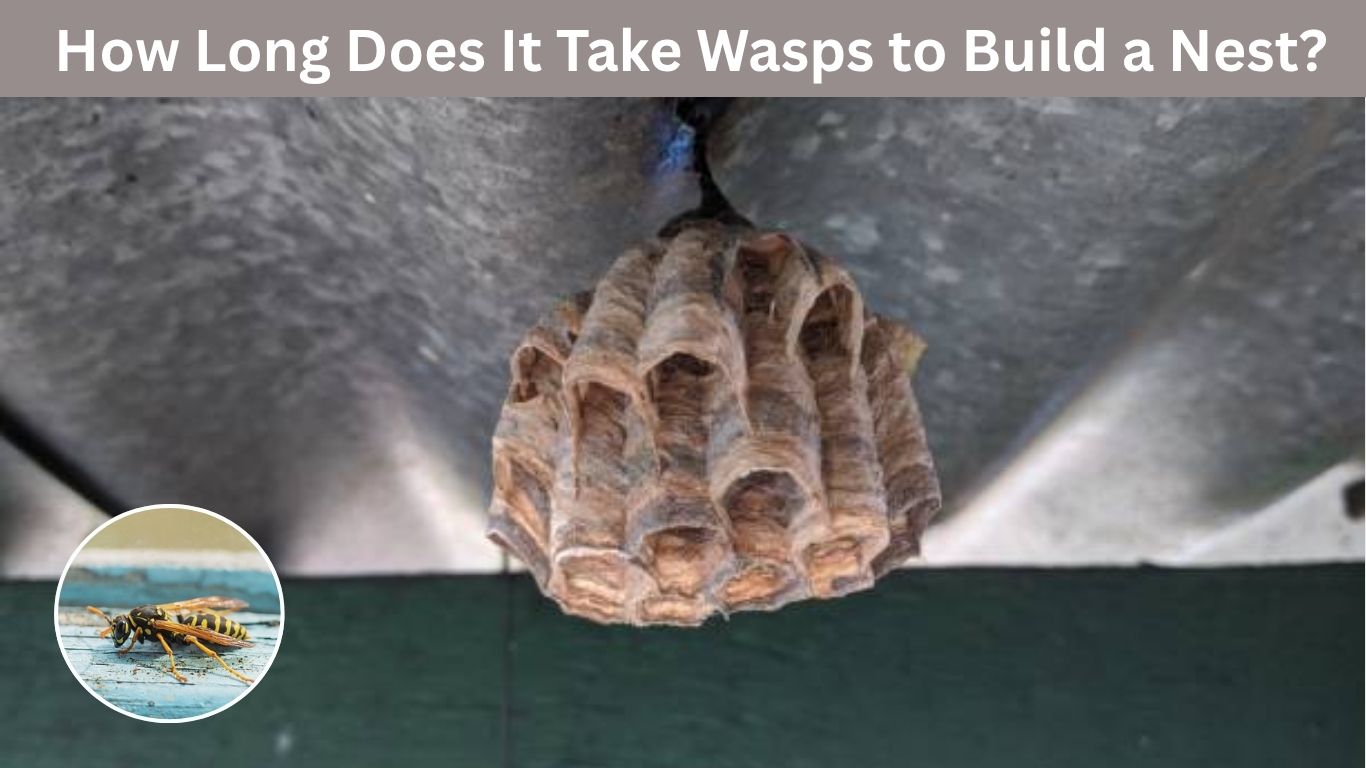
Wasps can begin building nests surprisingly quickly once spring temperatures become warm enough. A single queen wasp usually starts the nest alone by creating a few paper-like cells where she lays eggs. As worker wasps hatch, nest construction speeds up rapidly and the colony can grow much larger during summer.
Many homeowners notice small nests around roofs, porches, trees, or garages and wonder how fast they develop. This guide explains how wasps build nests, how long nest construction takes, and the factors that affect colony growth throughout the season.
How Wasps Build Their Nests
Wasps build nests using wood fibers mixed with saliva, creating a paper-like material. The nest begins as a very small structure but may expand rapidly once worker wasps begin helping the queen.
When Wasps Start Building Nests
Most wasps begin nest construction during spring after overwintering queens emerge from hiding. Warmer temperatures encourage queens to search for protected nesting locations.
Materials Used for Nest Building
- Chewed wood fibers
- Tree bark particles
- Plant material
- Saliva-based paper pulp
How the First Nest Is Made
The queen starts by building a small comb with a few hexagonal cells. She then lays eggs inside the cells and protects the early nest alone.
Why Wasps Build Nests Near Homes
Wasps often choose sheltered areas near homes because roofs, attics, porches, and garages provide protection from weather and predators.
How Long Does It Take Wasps to Build a Nest?
Wasp nest construction begins very quickly, but full colony development takes much longer. The growth speed depends on weather, food supply, and the wasp species involved.
Early Nest Building Timeline
During the first few days, the queen builds only a tiny starter nest with several paper cells for eggs.
Nest Growth After One Week
- More paper cells appear
- Eggs continue developing
- Nest slowly becomes visible
- Queen continues expanding structure
Nest Growth After One Month
After several weeks, the first worker wasps usually emerge and begin helping with construction. Nest growth becomes much faster at this stage.
Full Nest Development Time
Many wasp nests reach their largest size during late summer when colonies contain large numbers of workers and multiple nest layers.
Stages of Wasp Nest Development
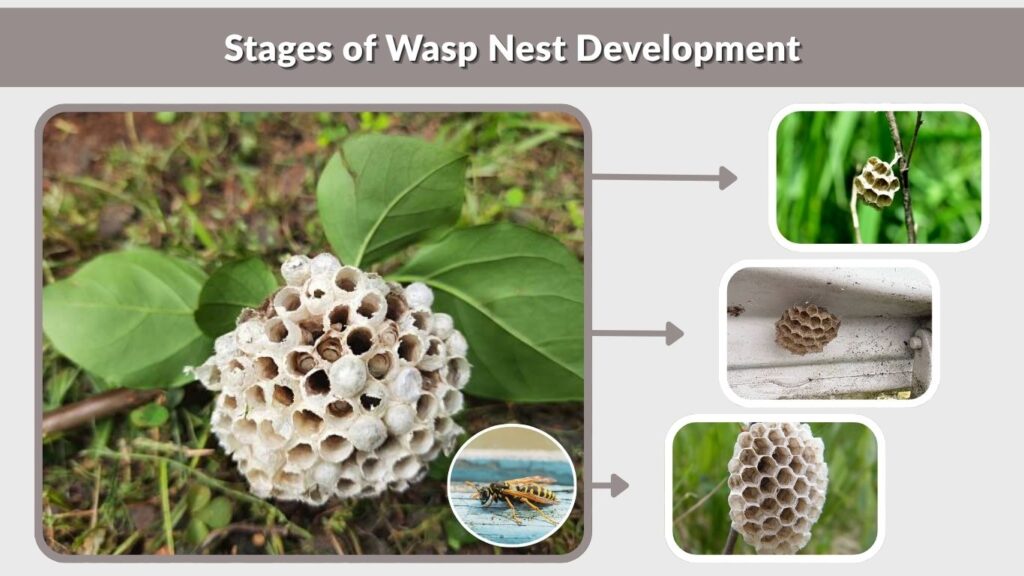
Wasp nests go through several development stages throughout the season. Colony size and nest complexity increase steadily from spring through summer.
Starter Nest Stage
The queen builds the first nest alone. Early nests are often no larger than a golf ball and may contain only a few developing larvae.
Worker Wasp Stage
- Worker wasps hatch from eggs
- Construction speed increases
- Colony activity becomes more noticeable
- Nest size expands rapidly
Mature Nest Stage
Mature nests may contain hundreds or even thousands of wasps depending on the species. Larger nests often develop multiple layers and chambers.
End-of-Season Decline
Most wasp colonies decline during autumn as temperatures drop. Workers eventually die, and only new queens survive winter.
Factors That Affect Nest Building Speed
Several environmental conditions influence how quickly wasps build nests. Warm weather and abundant food usually support faster colony growth.
Weather and Temperature
Warm spring and summer temperatures allow wasps to remain active longer each day, increasing nest construction speed.
Food Availability
- Insects for feeding larvae
- Sugary food sources
- Outdoor garbage access
- Flower nectar availability
Wasp Species Differences
Different species build nests at different rates. Paper wasps create smaller open nests, while hornets and yellow jackets may build larger enclosed colonies.
Nest Location
Protected nesting locations shield colonies from rain, wind, and predators, helping nests survive and expand more successfully.
What a New Wasp Nest Looks Like
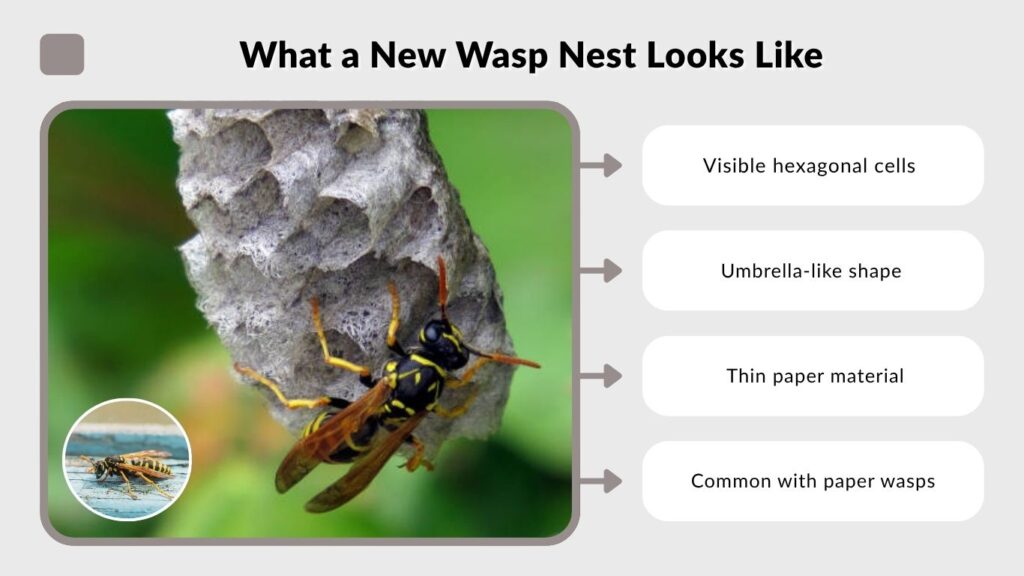
Newly built nests are often small and difficult to notice at first. Early detection is important because small nests are easier to manage than mature colonies.
Small Starter Nests
Small starter nests may only contain a few paper cells hanging from a thin stalk attached to a surface.
Open Comb Nests
- Visible hexagonal cells
- Umbrella-like shape
- Thin paper material
- Common with paper wasps
Enclosed Nest Shapes
Hornets and some wasps create enclosed nests with layered paper walls surrounding the inner combs.
Common Colors and Textures
Most wasp nests appear gray, brown, or dull paper-like in color because they are made from weathered wood fibers.
Common Places Wasps Build Nests
Wasps prefer locations that provide shelter, warmth, and protection from predators. Homes and outdoor structures often contain ideal nesting areas during spring and summer.
Roof Edges and Attics
Roof overhangs, attics, and soffits provide dry protected spaces where wasps can safely build nests without heavy exposure to rain or wind.
Trees and Bushes
- Hanging hornet nests
- Hidden paper wasp nests
- Protected leafy branches
- Dense shrub coverage
Garages and Sheds
Garages, sheds, barns, and storage buildings often contain quiet undisturbed corners that attract nesting queens during spring.
Underground Nest Locations
Yellow jackets commonly build underground nests in abandoned rodent holes, gardens, lawns, and spaces beneath rocks or roots.
How Fast Different Wasps Build Nests
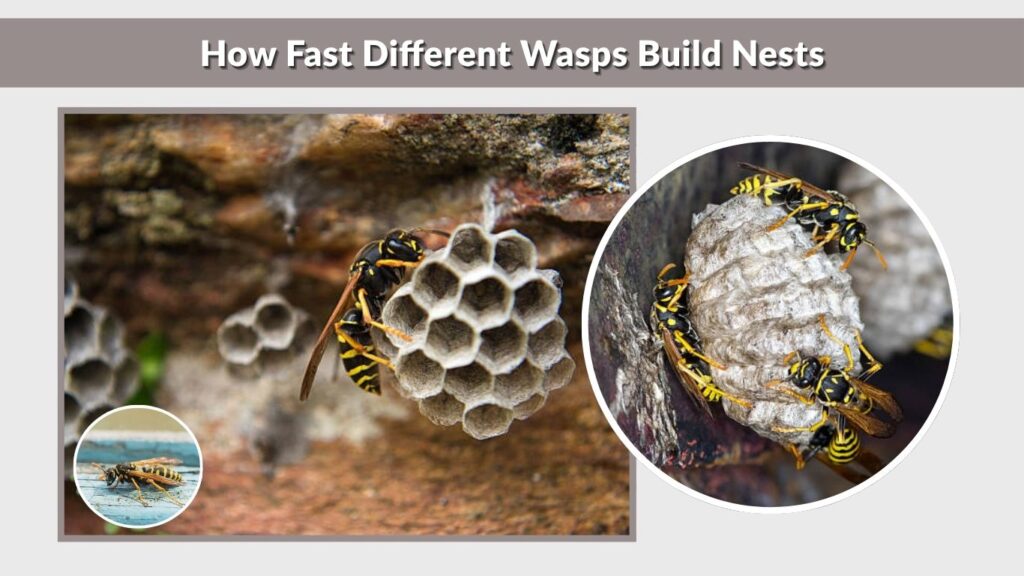
Different wasp species build nests at different speeds depending on colony size, environmental conditions, and nesting style.
Paper Wasp Nest Building Speed
Paper wasps usually create smaller open-comb nests that grow steadily throughout spring and summer.
Yellow Jacket Nest Growth
- Rapid colony expansion
- Large underground nests
- Hundreds of workers possible
- Fast summer population growth
Hornet Nest Expansion
Hornets build large enclosed paper nests that may grow rapidly once worker numbers increase during warm months.
Solitary Wasp Nest Construction
Solitary wasps build much smaller nests because they do not create large colonies like social wasps.
Signs a Wasp Nest Is Growing
Early signs of nest growth are important because small nests are much easier to remove than mature colonies.
Increased Wasp Activity
Homeowners may notice more wasps flying repeatedly around roofs, porches, windows, or specific corners of the house.
Visible Nest Expansion
- Larger paper structure
- More visible layers
- Increased number of cells
- More insects entering and leaving
More Wasps Around Food
Growing colonies require more food, so worker wasps become increasingly active around sugary drinks, garbage, fruit, and outdoor meals.
Buzzing Sounds Near Walls
Hidden nests inside walls or attics may produce faint buzzing sounds caused by active workers moving inside the colony.
Are Newly Built Wasp Nests Dangerous?
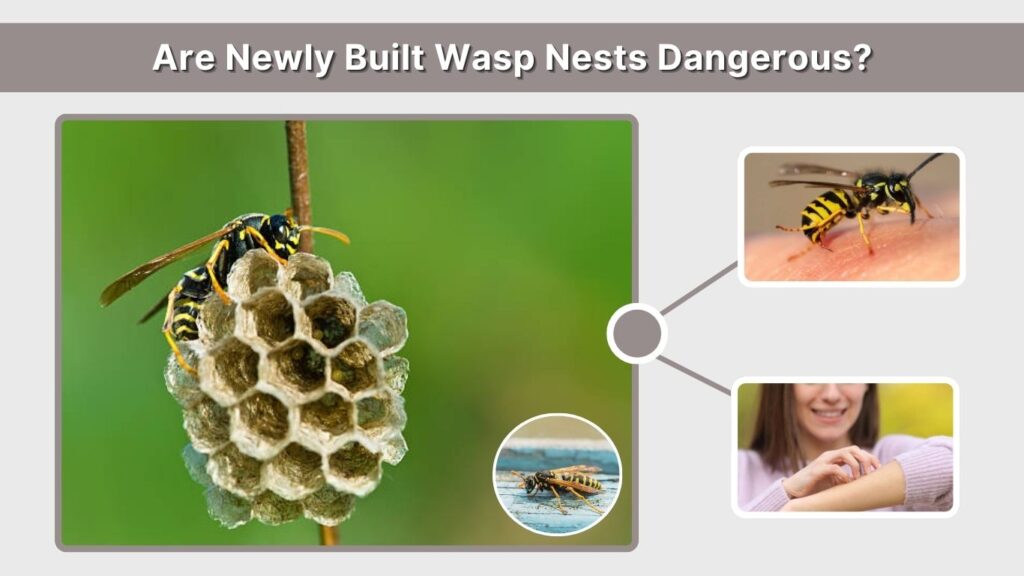
Small early nests usually contain fewer wasps and lower defensive behavior, but caution is still important around any active nest.
Early Colony Aggression
The queen may defend the starter nest if disturbed, though smaller colonies are usually less aggressive than mature nests.
Risks Around Large Colonies
- More defensive workers
- Multiple stings possible
- Increased attack behavior
- Greater risk near entrances
Allergic Reactions to Stings
People allergic to wasp venom may experience severe reactions even from a single sting and should seek immediate medical help.
Safe Observation Tips
Avoid touching or standing too close to nests. Observe activity from a safe distance without disturbing the colony.
How to Prevent Wasps From Building Nests
Preventive measures are most effective during early spring before queens fully establish nests around homes.
Seal Cracks and Gaps
Small openings around roofs, vents, siding, and attics provide easy access to protected nesting areas.
Remove Food Sources
- Keep garbage sealed
- Clean outdoor eating areas
- Remove fallen fruit
- Limit sugary spills
Inspect Roof Areas Regularly
Frequent inspections help identify small starter nests before colonies grow large and difficult to manage.
Use Preventive Wasp Traps
Outdoor traps may help reduce local wasp populations and discourage queens from nesting near homes.
How to Remove Small Wasp Nests
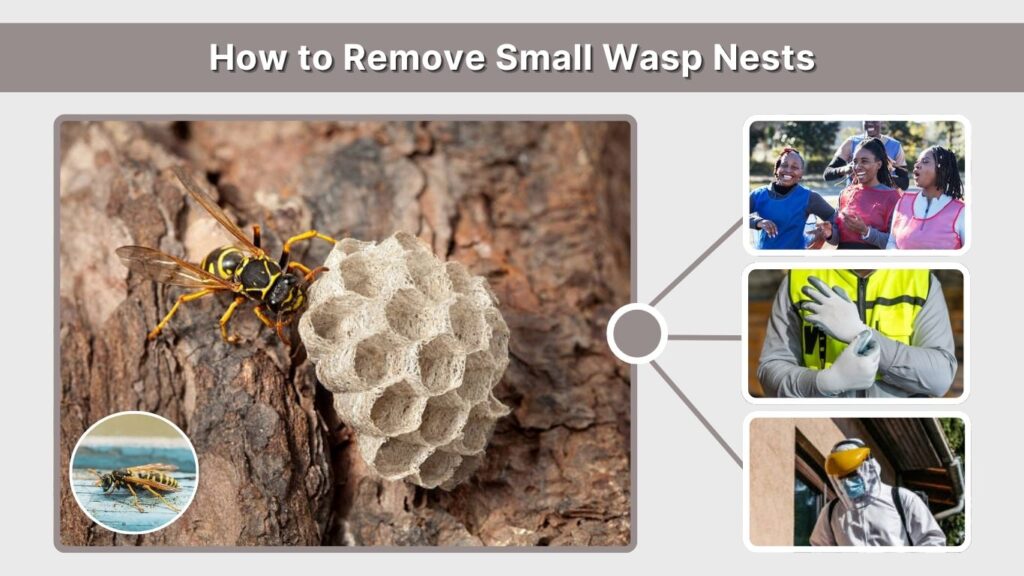
Small nests are easier and safer to remove before the colony becomes large. However, caution is still important during removal.
Best Time for Removal
Evening or early morning is often safest because wasps are less active during cooler temperatures.
Protective Clothing Tips
- Wear long sleeves
- Use gloves
- Protect the face and eyes
- Avoid exposed skin
DIY Removal Methods
Some homeowners use commercial wasp sprays or carefully remove inactive nests, though aggressive colonies may require professional help.
When to Call Professionals
Large nests, hidden wall colonies, or aggressive wasp activity should usually be handled by trained pest control experts.
FAQs
How long does it take wasps to start a nest?
Wasps may begin building a small starter nest within just a few days after a queen finds a suitable location in spring.
How fast can a wasp nest grow?
Nest growth speeds up significantly once worker wasps hatch and begin helping the queen with construction.
Can a wasp build a nest in one day?
A queen can create the beginning of a small starter nest in a single day, but large colonies take weeks or months to develop fully.
What time of year do wasps build nests?
Most wasps begin nest construction during spring and continue expanding colonies throughout summer.
Should you remove a small wasp nest early?
Yes, small nests are generally easier and safer to remove before the colony grows larger and becomes more defensive.