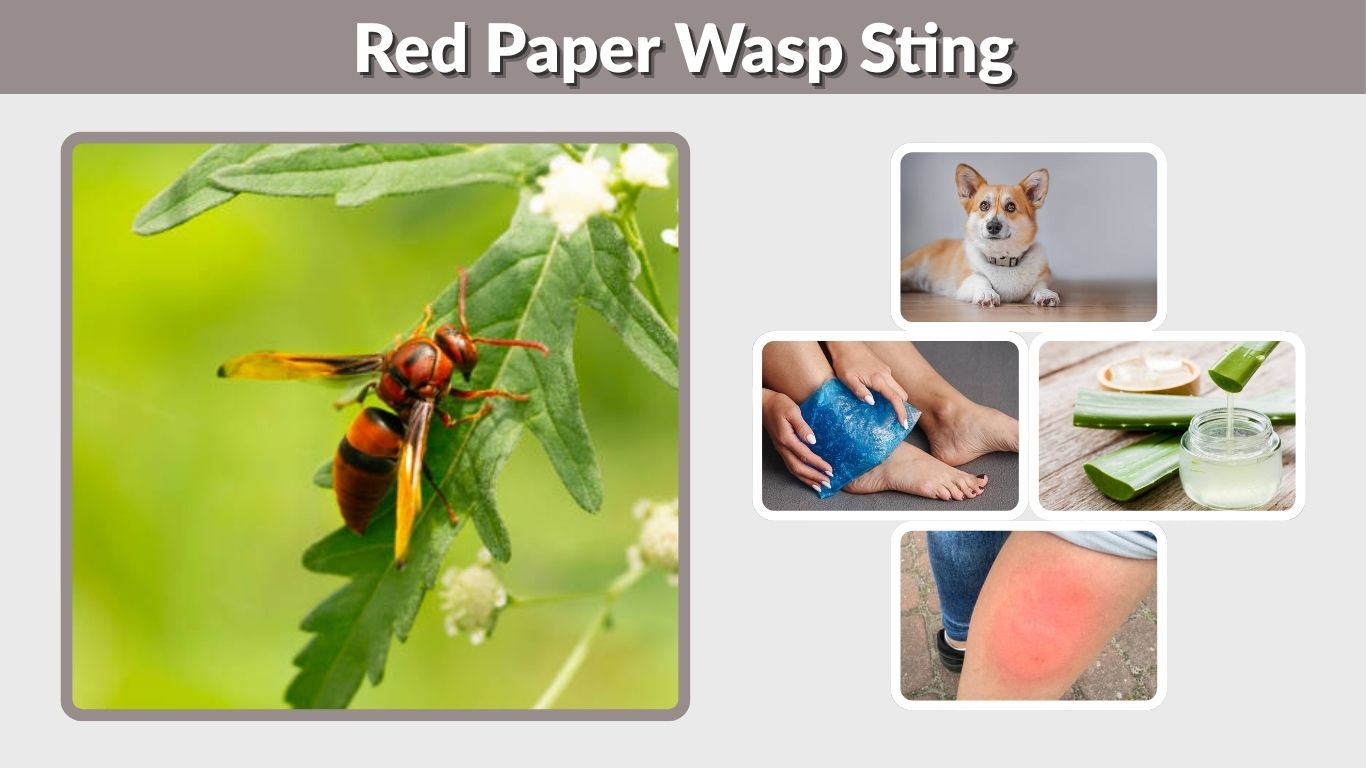
A red paper wasp sting is a common concern for people who spend time outdoors, especially in warmer regions where these insects are active. Known for their reddish-brown color and slender bodies, red paper wasps can sting when they feel threatened. While their sting is painful, it is usually not dangerous for most people. Understanding how painful the sting is, what symptoms to expect, and how to treat it properly can help reduce fear and ensure a quick recovery.
Do Red Paper Wasps Sting?
Red paper wasps are capable of stinging, but they do not do so without reason. Their behavior is mostly defensive, meaning they sting when they feel their nest or themselves are in danger.
Sting Behavior
- Only female wasps have stingers
- They can sting multiple times without losing the stinger
- Stings usually occur when the nest is disturbed
- They may become defensive if approached too closely
How Painful Is a Red Paper Wasp Sting?

The pain of a red paper wasp sting is often described as sharp and burning. It happens immediately after the sting and may last for several minutes before turning into a dull ache. Compared to other insects, the pain is considered moderate but noticeable.
Pain Level Description
- Immediate sharp, stinging sensation
- Burning feeling that spreads around the area
- Lingering discomfort for a few hours
- Sensitivity when the area is touched
Pain Scale and Index
- Typically rated around level 2 to 3 on common sting pain scales
- More painful than many bee stings for some individuals
- Pain intensity varies depending on location and sensitivity
Red Paper Wasp Sting Symptoms

After being stung, most people experience localized reactions that are uncomfortable but manageable. These symptoms usually appear quickly and improve within a short time.
Common Symptoms
- Redness around the sting site
- Swelling and mild inflammation
- Itching or irritation
- Warm sensation on the skin
Less Common Reactions
- Larger swelling around the area
- Increased sensitivity or discomfort
- Temporary skin discoloration
Red Paper Wasp Sting Reactions
Reactions to a red paper wasp sting can vary depending on the individual. While most reactions are mild, some people may experience stronger responses, especially if they are sensitive to insect venom. The body reacts to the venom by triggering inflammation, which causes swelling and redness. In rare cases, allergic reactions may occur, requiring immediate medical attention. Monitoring symptoms after a sting is important to ensure they do not worsen over time.
Red Paper Wasp Sting Swelling
Swelling is one of the most noticeable effects of a red paper wasp sting. It usually develops quickly and may last for several hours or, in some cases, up to a day.
What Causes Swelling
- Body’s reaction to venom
- Inflammation at the sting site
- Immune system response
How Long It Lasts
- Mild swelling fades within a few hours
- Moderate swelling may last up to 24 hours
- Larger reactions may take longer to subside
Red Paper Wasp Sting Treatment

Proper treatment can reduce pain and prevent complications after a sting. Quick action helps minimize swelling and discomfort.
Immediate First Aid
- Wash the area with soap and water
- Apply a cold compress to reduce swelling
- Avoid scratching the sting site
- Keep the area clean and dry
Home Remedies
- Apply a baking soda paste to soothe irritation
- Use aloe vera gel for cooling relief
- Apply honey for its natural soothing effect
- Use over-the-counter creams if needed
Medical Treatment
- Take antihistamines for itching and swelling
- Use pain relievers for discomfort
- Seek medical help if symptoms worsen or persist
Red Paper Wasp Stinger
Unlike bees, red paper wasps do not leave their stinger behind after attacking. This means they can sting multiple times, which increases the intensity of the experience if a person is stung repeatedly.
Key Facts About the Stinger
- Remains attached to the wasp after stinging
- Allows repeated stings
- Designed for defense rather than attack
What Does a Red Paper Wasp Sting Feel Like?
The sensation of a red paper wasp sting is often described as sudden and intense. The initial pain is sharp and immediate, followed by a burning feeling that can spread slightly beyond the sting site. Over time, the pain usually decreases and is replaced by itching or mild irritation. The experience can vary depending on the person, but most describe it as uncomfortable rather than unbearable.
Red Paper Wasp Sting on Dogs

Red paper wasps can also sting pets, especially curious dogs that get too close to nests. These stings can cause discomfort and distress, and symptoms may appear quickly depending on where the dog is stung.
Symptoms in Dogs
- Whining or sudden yelping
- Swelling around the face, mouth, or paws
- Excessive licking of the affected area
- Restlessness or unusual behavior
When to See a Vet
- Difficulty breathing or swelling in the throat
- Multiple stings
- Severe swelling or allergic reaction
- Persistent pain or unusual symptoms
How Bad Is a Red Paper Wasp Sting?
For most people, a red paper wasp sting is moderately painful but not dangerous. The discomfort is usually short-lived, and symptoms improve within a day. However, the severity can vary depending on the location of the sting, the number of stings, and individual sensitivity. People with allergies may experience stronger reactions, which makes it important to monitor symptoms closely after being stung.
How to Avoid Red Paper Wasp Stings

Preventing stings is the best way to stay safe, especially during warmer months when wasps are more active. Being aware of your surroundings and taking simple precautions can significantly reduce your risk.
Safety Tips
- Keep a safe distance from visible nests
- Avoid sudden movements around wasps
- Wear protective clothing when outdoors
- Do not attempt to swat or crush wasps
Prevention Methods
- Remove food sources like sugary drinks and fruit
- Seal gaps and cracks around your home
- Regularly inspect roofs, eaves, and sheds
- Use wasp deterrents in high-risk areas
Red Paper Wasp Sting vs Other Stings
Comparing red paper wasp stings with other insect stings helps put their pain and effects into perspective. While they are more painful than some insect stings, they are generally less severe than those from more aggressive species like hornets. The pain level is often described as moderate, and most people recover quickly with basic care. Unlike bees, red paper wasps can sting multiple times, which can increase discomfort if multiple stings occur.
Conclusion
Red paper wasp stings are painful but usually manageable with proper care. Understanding what to expect, how to treat the sting, and how to avoid future encounters can help reduce anxiety and improve safety. While most reactions are mild, it is important to stay alert for signs of allergic reactions. With simple precautions and quick treatment, the effects of a sting can be minimized, allowing for a smooth and safe recovery.
FAQs
Do red paper wasps sting multiple times?
Yes, red paper wasps can sting multiple times because they do not lose their stinger. This makes repeated stings possible if they feel threatened.
How long does red paper wasp sting pain last?
The sharp pain usually lasts a few minutes, followed by mild discomfort that can continue for a few hours. Swelling may last up to a day.
What is the pain level of a red paper wasp sting?
The sting is considered moderately painful, often rated around 2 to 3 on common pain scales. The intensity varies by individual.
What should I do immediately after a sting?
Clean the area, apply a cold compress, and avoid scratching. Over-the-counter treatments can help reduce swelling and discomfort.
Are red paper wasp stings dangerous?
They are usually not dangerous for most people. However, individuals with allergies may experience severe reactions and should seek medical attention immediately.